Hair Growth Myths vs Facts: What Actually Makes a Difference

You’ve probably tried a dozen products or home remedies promising faster hair growth, only to feel like nothing really works. The truth is, hair growth is a slow, natural process shaped by your genetics, diet, and overall health, not by any single miracle product. This article breaks down the myths versus the facts, explains what actually supports healthy hair growth, and gives you a realistic plan to see real results over time.

Key Takeaways
- Hair grows about 0.5 inches per month; visible length changes take several months.
- Trimming split ends prevents breakage but does not speed up growth from the root.
- Scalp massage and a balanced diet rich in protein, iron, and biotin support healthy follicles.
- Sudden or significant hair loss warrants a visit to a doctor to rule out underlying conditions.
- Consistent gentle care and patience are more effective than quick-fix products.
The Truth About Hair Growth: What You Need to Know
Hair typically grows about 0.5 inches per month, but your genetics, diet, and overall health set the pace. Quick fixes rarely deliver lasting results; real change comes from addressing underlying issues. My tip: focus on scalp health, balanced nutrition, and gentle care to reduce breakage and support growth over time.
Understanding Your Hair Growth Cycle
The Three Phases of Hair Growth
Your hair moves through three phases: anagen (growth), catagen (transition), and telogen (resting). The anagen phase, lasting 2 to 7 years, determines your maximum hair length. Genetics play a major role in how fast and thick your hair grows during this period.
What Can Disrupt the Cycle
Stress can push hair follicles into a premature resting phase, causing increased shedding known as telogen effluvium. This is temporary, but it shows how external factors affect your hair cycle. Understanding these phases helps you set realistic expectations.
Hair Growth Myths Debunked
Myth: Trims Make Hair Grow Faster
Trimming split ends does not speed up growth from the root. It prevents breakage, which helps hair look longer and healthier over time. Keep regular trims for maintenance, not speed.
Myth: One Product Will Fix Everything
No single shampoo or serum can overcome poor diet, high stress, or lack of sleep. Hair growth requires a holistic approach that includes nutrition, scalp care, and gentle handling.
Myth: Topical Treatments Are Enough
Ignoring your overall health while using topical products is a common mistake. Deficiencies in iron, zinc, biotin, or vitamins D and E can limit growth, no matter what you apply.
Effective Strategies to Support Healthy Hair Growth

Nourish From the Inside
Eat a balanced diet rich in protein, iron, zinc, biotin, and vitamins D and E. These nutrients support hair structure and follicle function. My tip: include eggs, leafy greens, nuts, and fatty fish in your meals.
Stimulate Your Scalp
Massage your scalp for a few minutes daily to boost blood circulation, which may benefit hair follicles. A scalp massager tool can make this easier and more effective.
Choose Gentle Products
Use a mild shampoo and conditioner free from harsh sulfates and alcohols. Avoid over-washing or under-washing; both can disrupt scalp balance. Wash 2-3 times per week or as needed for your hair type.
Protect From Heat and Sun
Heat styling weakens hair over time. Always apply a heat protectant spray before using hot tools. UV exposure also damages hair, so wear a hat or use a UV-protectant product outdoors.
Manage Stress
Chronic stress can trigger shedding. Incorporate relaxation techniques like deep breathing, yoga, or meditation to keep cortisol levels in check.
Consider FDA-Approved Options
Minoxidil is an FDA-approved topical treatment that may stimulate hair growth in some people. Talk to a doctor before starting, as it works best for specific types of hair loss.
Your Essential Hair Growth Toolkit
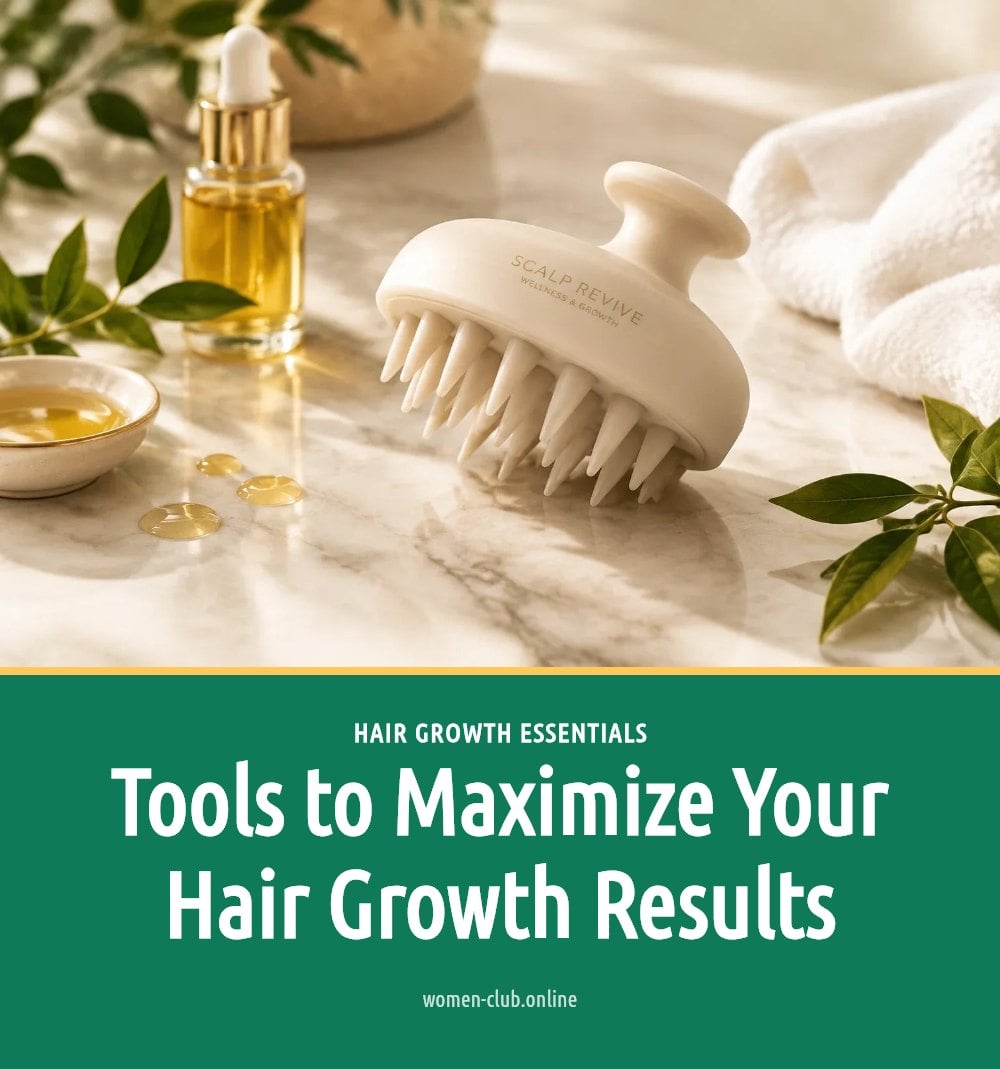
Start with a gentle shampoo and conditioner suited to your scalp type. A clean, balanced scalp supports healthy follicles. For detangling, use a wide-tooth comb on damp hair to minimize breakage. Switch to a satin or silk pillowcase to reduce overnight friction and prevent split ends. A scalp massager can boost circulation when used a few minutes before washing. Hair oils like rosemary, argan, or jojoba can nourish both scalp and strands. Apply a few drops to the scalp or ends, depending on your hair’s needs.
Common Mistakes Hindering Your Hair Growth Journey
Over-washing or under-washing: Washing too often strips natural oils; washing too rarely lets buildup clog follicles. Aim for every 2-3 days or adjust based on your scalp’s response. Aggressive brushing: Wet hair is fragile. Use a wide-tooth comb and start from the ends, working upward gently. Tight hairstyles: Ponytails, braids, or buns worn too tight pull on follicles, leading to traction alopecia. Alternate loose styles and give your scalp breaks. Ignoring diet: Hair needs protein, iron, zinc, and vitamins from food. Skipping meals or relying on processed options means missing key building blocks.
Realistic Expectations for Hair Growth
Hair grows about 0.5 inches per month, so visible length changes take several months. Significant improvements in thickness or overall health typically require 3-6 months of consistent effort. Costs vary: dietary adjustments and switching to gentle products are affordable, while supplements or topical treatments can be more expensive. Set a realistic timeline and stick with your routine.
When to Consult a Professional About Hair Growth
If you experience sudden or significant hair loss, consult a doctor to rule out underlying medical conditions like thyroid issues or autoimmune disorders. Discuss any new supplements with a healthcare professional, especially if you take medications or have existing health conditions. For persistent scalp issues or severe thinning, a dermatologist can provide a proper diagnosis and treatment plan. Don’t delay seeking expert advice when something feels off.
Frequently Asked Questions
How long does it take to see hair growth results?
Because hair grows about 0.5 inches per month, you’ll likely notice a difference in length after several months. Improvements in thickness and overall health usually require three to six months of consistent care, including proper nutrition and gentle styling.
Can stress really cause hair loss?
Yes. High stress can push hair follicles into a premature resting phase, a condition called telogen effluvium, which leads to increased shedding. Managing stress through relaxation techniques may help reduce this type of hair loss.
Are hair growth supplements safe?
Many supplements are safe when taken as directed, but some can interact with medications or cause side effects. It’s best to consult a healthcare professional before starting any new supplement, especially if you have an existing health condition or take prescription drugs.
Should I wash my hair every day for growth?
Washing every day can strip natural oils and disrupt your scalp’s balance, which may hinder healthy growth. Most people do well washing every two to three days, but you should adjust based on your scalp’s response and hair type.
Does brushing hair stimulate growth?
Brushing alone does not make hair grow faster, but gentle brushing can help distribute natural oils and reduce tangles, which minimizes breakage. Avoid aggressive brushing, especially on wet hair, as that can cause damage and make hair look thinner.
Final Thoughts
Focus on what you can control: nourish your body with nutrient-rich foods, treat your scalp and hair gently, and manage stress. Real change takes time, so give your routine at least three to six months before expecting noticeable improvements in thickness or length. Stick with the basics, and your hair will reward you with healthier, stronger growth.
This article is for informational purposes only and does not replace professional medical advice. If you are experiencing sudden or significant hair loss, or have concerns about your hair health, please consult a doctor or dermatologist for a proper diagnosis and treatment plan.








