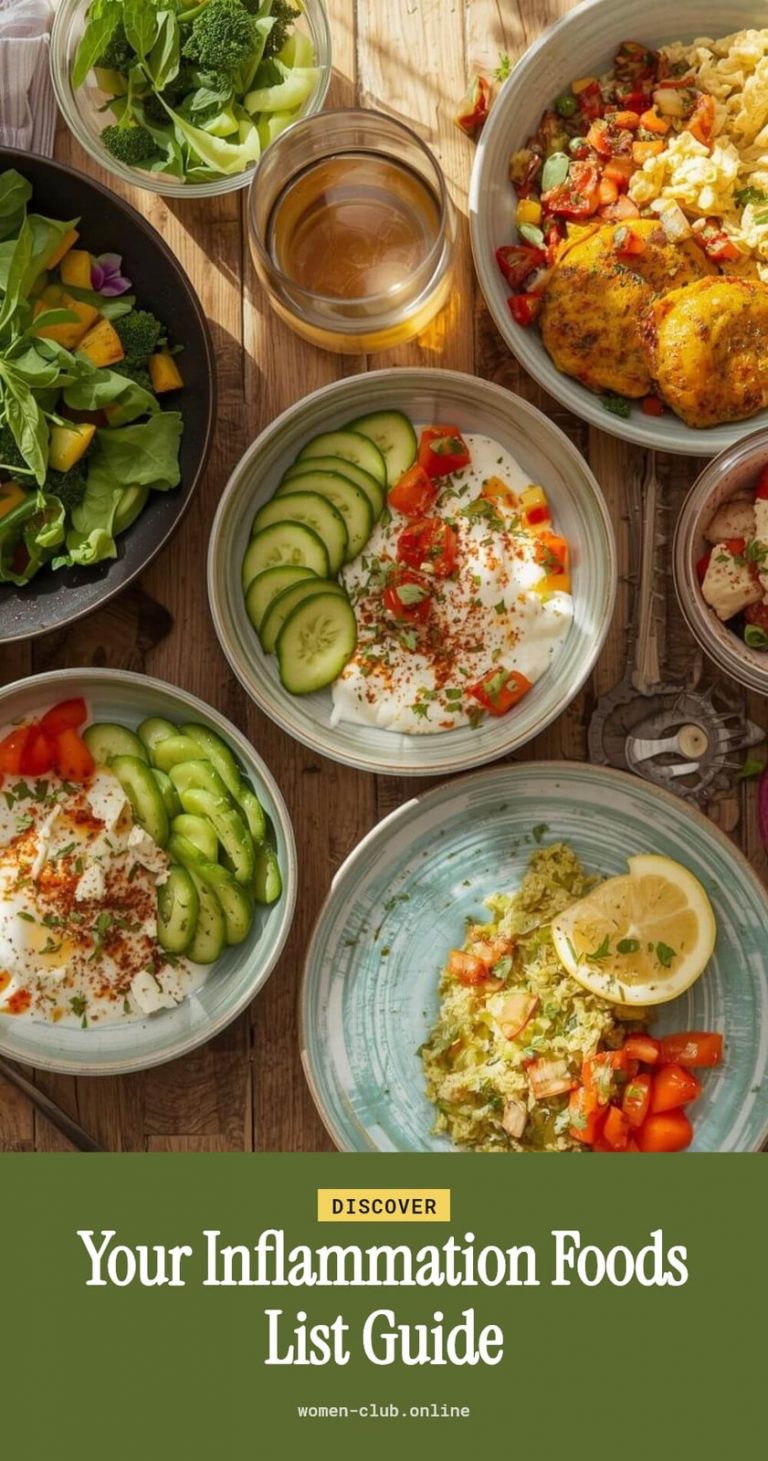
You’ve heard that eating more protein can help you feel fuller, support your muscles, and make weight management easier. But what does a high-protein diet actually look like day to day, especially for women? This article breaks down what a high-protein diet is, why it works, and gives you a simple one-week menu to get started.

Key Takeaways
- Consume 1.2 to 2.0 grams of protein per kilogram of body weight daily for a high-protein diet.
- Spread protein evenly across all meals and snacks to maximize muscle support and satiety.
- Choose lean sources like chicken, fish, eggs, Greek yogurt, lentils, and beans.
- Pair protein with fiber-rich vegetables and whole grains for balanced, satisfying meals.
- Stay well-hydrated to support digestion and kidney function when increasing protein intake.
What is a High Protein Diet and Why It Matters for Women
A high protein diet means consuming more protein than the standard recommendation, typically 1.2 to 2.0 grams per kilogram of body weight each day. For women, this approach can make a real difference. It supports satiety, helping you feel fuller longer, and helps preserve muscle mass when you’re managing your weight. The focus is on lean protein sources and balanced meals, so it’s both effective and sustainable.
How Protein Powers Your Body and Supports Your Goals
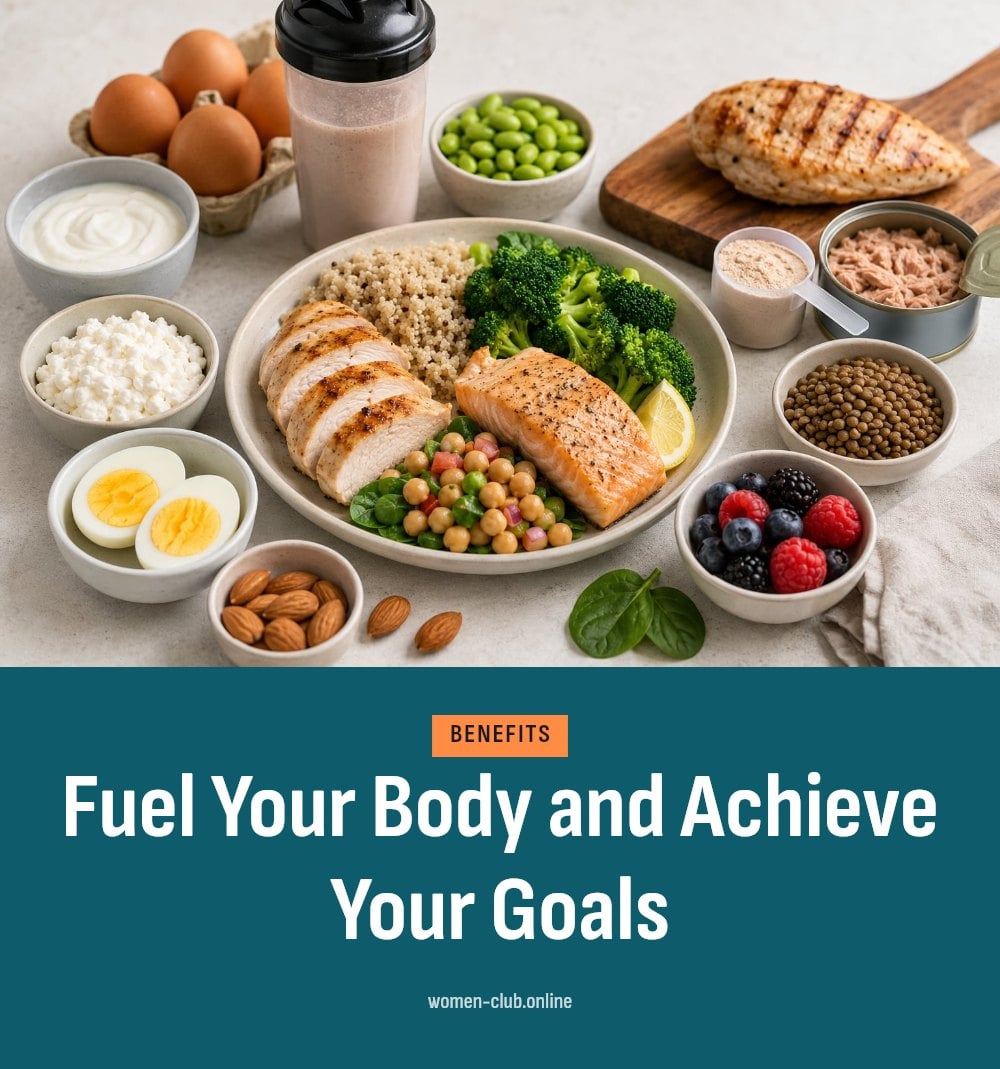
How Protein Powers Your Body and Supports Your Goals
Protein does more than build muscle. It’s essential for repairing tissues, making enzymes and hormones, and supporting your immune system. One of its biggest perks? It has a higher thermic effect of food (TEF) than carbs or fats, meaning your body burns more calories just digesting it.
That same protein keeps you satisfied. By curbing hunger, it can help reduce overall calorie intake, a real advantage for weight management. And when you’re trying to lose weight, adequate protein is key for preserving muscle mass, so the weight you lose is more likely to be fat.
Essential Protein Sources for Your High-Protein Diet
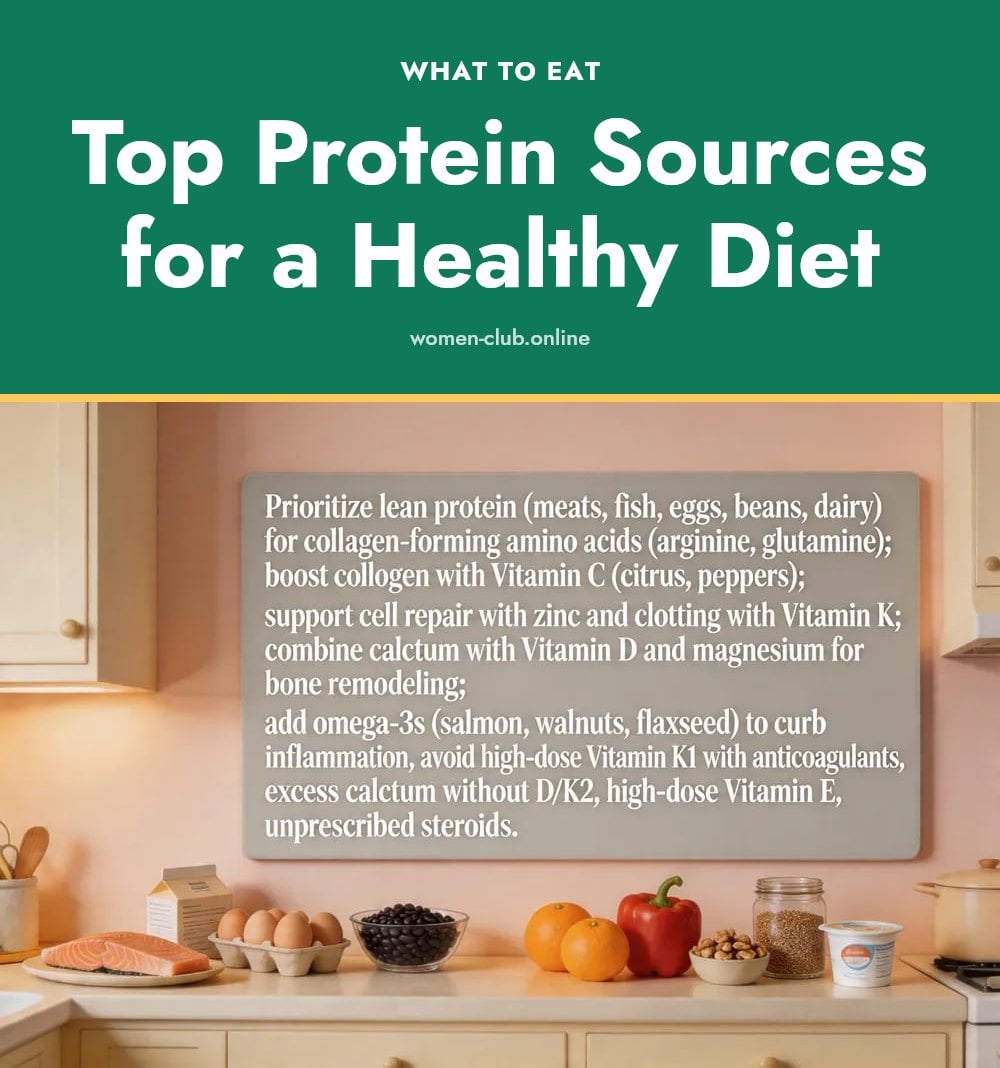
Essential Protein Sources for Your High-Protein Diet
To get the most from your diet, prioritize lean protein sources. Think chicken breast, turkey, fish, eggs, Greek yogurt, and cottage cheese. These give you protein without excessive fat.
Variety matters too. Include plant-based options like lentils, beans, tofu, and quinoa. Mixing animal and plant proteins ensures you get a full spectrum of amino acids and nutrients.
Your One-Week High Protein Meal Plan for Women
This sample menu gives you a framework. Feel free to swap meals with similar protein sources. And remember to stay hydrated and load up on fruits and vegetables alongside these protein-rich meals.
| Day | Breakfast | Lunch | Dinner | Snacks |
|---|---|---|---|---|
| Monday | Greek yogurt with berries | Grilled chicken salad with chickpeas | Baked salmon with quinoa and broccoli | Apple with almond butter |
| Tuesday | Scrambled eggs with spinach | Turkey and avocado wrap | Lean beef stir-fry with bell peppers | Cottage cheese with pineapple |
| Wednesday | Protein smoothie with tofu | Lentil soup with a side salad | Grilled shrimp with brown rice and asparagus | Hard-boiled egg |
| Thursday | Cottage cheese with sliced peaches | Tuna salad on whole-grain crackers | Baked chicken breast with sweet potato and green beans | Greek yogurt with a handful of almonds |
| Friday | Omelet with mushrooms and cheese | Black bean and quinoa bowl | Grilled cod with roasted vegetables | Edamame |
| Saturday | Protein pancakes with Greek yogurt | Chicken and vegetable skewers | Turkey meatballs with zucchini noodles | String cheese |
| Sunday | Egg muffins with bell peppers | Leftover turkey meatballs and salad | Baked tofu with stir-fried veggies | Hummus with carrot sticks |
Common High-Protein Diet Mistakes and How to Avoid Them
One common mistake is eating most of your protein in one meal, usually dinner. Your body uses protein more efficiently when you spread it across breakfast, lunch, snacks, and dinner. This steady supply supports muscle synthesis and keeps you satisfied all day.
Relying heavily on protein shakes and bars can also backfire. Whole food sources like chicken, eggs, Greek yogurt, and lentils provide fiber, vitamins, and minerals that supplements lack. Tip: Use powders only for convenience, not as your main source.
Another pitfall is forgetting fiber. A high-protein diet without enough vegetables, fruits, or whole grains can lead to constipation. Pair your protein with fiber-rich foods and drink plenty of water to keep digestion running smoothly. Caution: Increasing protein without extra hydration can strain your kidneys, so aim for at least 8 cups of water daily.
Finally, don’t stick only to animal proteins. Plant-based options like beans, lentils, tofu, and quinoa add variety and nutrients. Rotating your sources ensures you get a full range of amino acids and phytonutrients.
Smart Tips for a Successful High Protein Diet

Plan Ahead: Spend a couple of hours on the weekend prepping protein-rich meals and snacks. Having cooked chicken, hard-boiled eggs, or portioned Greek yogurt ready makes it easy to hit your daily target without grabbing something less nutritious.
Hydrate, Hydrate, Hydrate: Water is non-negotiable when you increase protein. It helps your kidneys process the extra nitrogen and prevents constipation. Keep a water bottle on your desk and refill it throughout the day.
Variety is Key: Don’t eat the same protein every day. Alternate between fish, poultry, eggs, dairy, legumes, and tofu. Each source offers a different amino acid profile and nutrient set.
Pair with Fiber: Build each meal around a protein source plus a generous serving of vegetables or a whole grain like quinoa or brown rice. This combination boosts satiety and supports gut health.
Listen to Your Body: Your protein needs change with activity levels and hunger cues. If you feel overly full or sluggish, adjust portion sizes. If you’re still hungry after a meal, add a little more protein or healthy fat.
When to Consult a Professional About Your Diet
If you have pre-existing kidney conditions, talk to your doctor or a registered dietitian before increasing protein intake. The same goes if you are pregnant or breastfeeding. Your protein needs may be higher, but a professional can help you determine the right amount for your situation.
If you experience persistent digestive discomfort, bloating, or other symptoms after starting a high-protein diet, check in with a healthcare provider. They can help you adjust your approach safely. My tip: Always consult a professional before making significant dietary changes, especially if you have underlying health concerns.
Frequently Asked Questions
How much protein do I need on a high-protein diet?
A high-protein diet typically means 1.2 to 2.0 grams of protein per kilogram of your body weight each day. For a 150-pound woman, that’s roughly 82 to 136 grams daily. Start at the lower end and adjust based on your activity level and how you feel.
Are protein shakes necessary for a high-protein diet?
No, protein shakes are not necessary. Whole food sources like chicken, fish, eggs, Greek yogurt, lentils, and beans can easily meet your protein needs. Shakes can be convenient for a quick boost, but they should not replace whole foods in your diet.
Can a high-protein diet help with weight loss?
Yes, a high-protein diet can support weight loss. Protein increases satiety, helping you feel full longer, and it has a higher thermic effect than carbs or fat, meaning your body burns more calories digesting it. However, it’s most effective when paired with a balanced, calorie-appropriate plan.
What are good plant-based protein sources?
Excellent plant-based protein sources include lentils, black beans, chickpeas, tofu, quinoa, and edamame. To get all essential amino acids, combine different plant proteins, such as rice and beans or hummus with whole-grain pita. These options also provide fiber and nutrients.
How long does it take to see results from a high-protein diet?
You may notice increased satiety and steadier energy within the first few weeks. For visible changes in muscle tone or weight, it typically takes several weeks to a few months of consistent adherence, especially when combined with regular exercise. Long-term commitment is key for lasting results.
Final Thoughts
Start with one or two high-protein meals a day and gradually build up to a consistent pattern. You may notice better satiety and steady energy within a few weeks, but long-term results like muscle gain or weight management require sticking with it. My tip: prep a few protein-rich snacks on the weekend so you always have a good option on hand.
This article is for general informational purposes only and does not constitute medical or dietary advice. Individual protein needs vary based on health, activity level, and life stage. Consult a doctor or registered dietitian before making significant changes to your diet, especially if you have a medical condition or are pregnant or breastfeeding.