HIIT Workout for Women: A 20-Minute At-Home Session

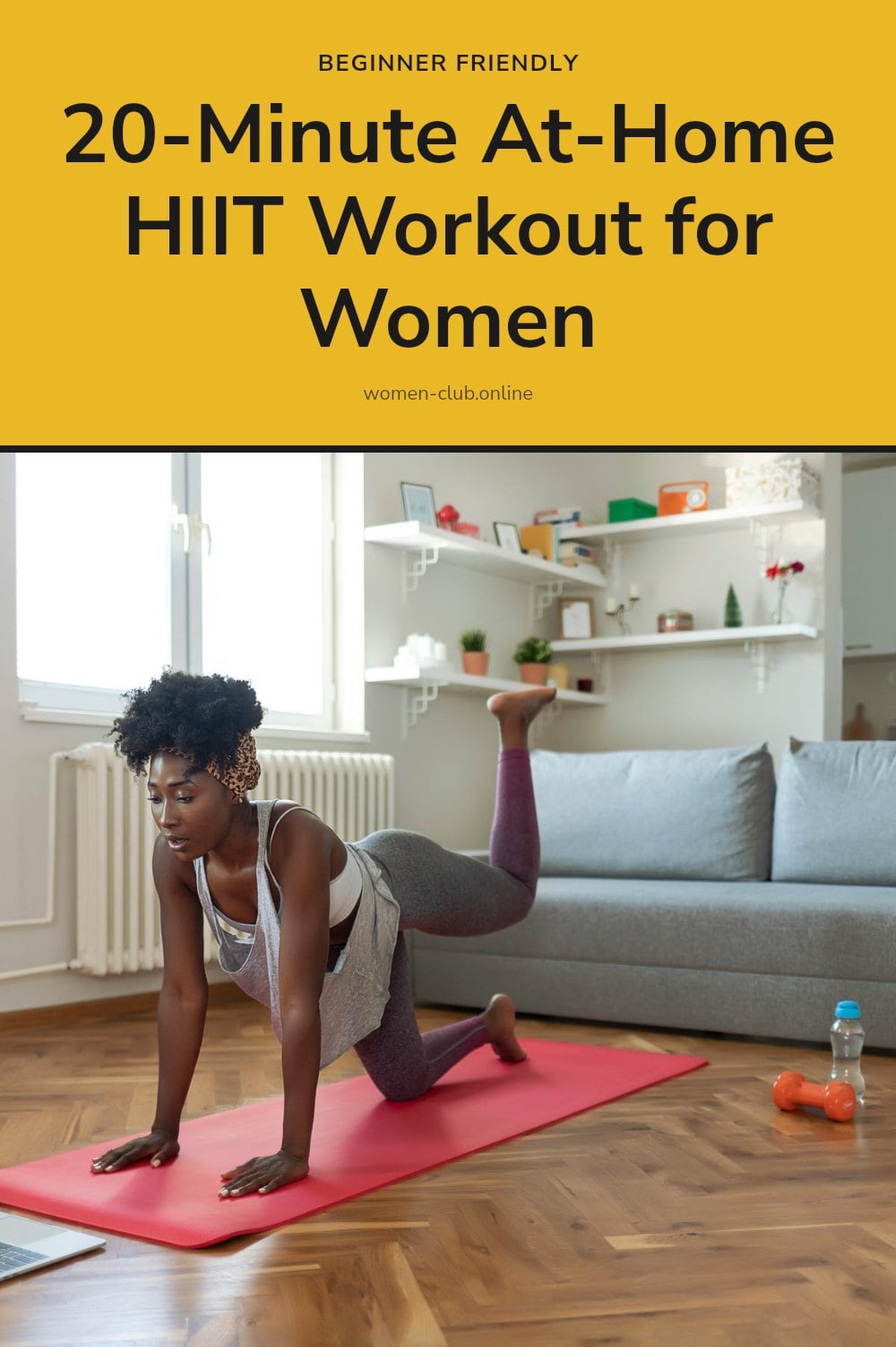
You want a workout that fits into your busy day and actually delivers results. That’s where HIIT comes in. High-Intensity Interval Training swaps long cardio sessions for short, intense bursts of effort followed by quick recovery periods, and it’s perfect for doing at home with zero equipment. This article walks you through a complete 20-minute HIIT session, including a warm-up and cool-down, plus tips on how to make it work for your fitness level.
Key Takeaways
- HIIT alternates short, high-intensity work intervals (20-60 seconds) with brief recovery periods.
- A full HIIT session, including warm-up and cool-down, takes only 10 to 30 minutes.
- Perform HIIT workouts 2-3 times per week on non-consecutive days for best results.
- Always start with a 5-minute dynamic warm-up and end with 5 minutes of static stretching.
- Modify exercises like push-ups and burpees to match your current fitness level.
What is HIIT and Why It’s Great for Women
HIIT stands for High-Intensity Interval Training, and it’s exactly what it sounds like: you alternate short bursts of all-out effort with brief recovery periods. The magic is in the efficiency, a full workout, including warm-up and cool-down, takes just 10 to 30 minutes. For women juggling a packed schedule, that’s a huge win. HIIT improves cardiovascular health, builds strength, and supports weight management. Best part: you don’t need a gym or specialized equipment, so it’s perfect for at-home sessions.
1. Warm-Up: Dynamic Stretches
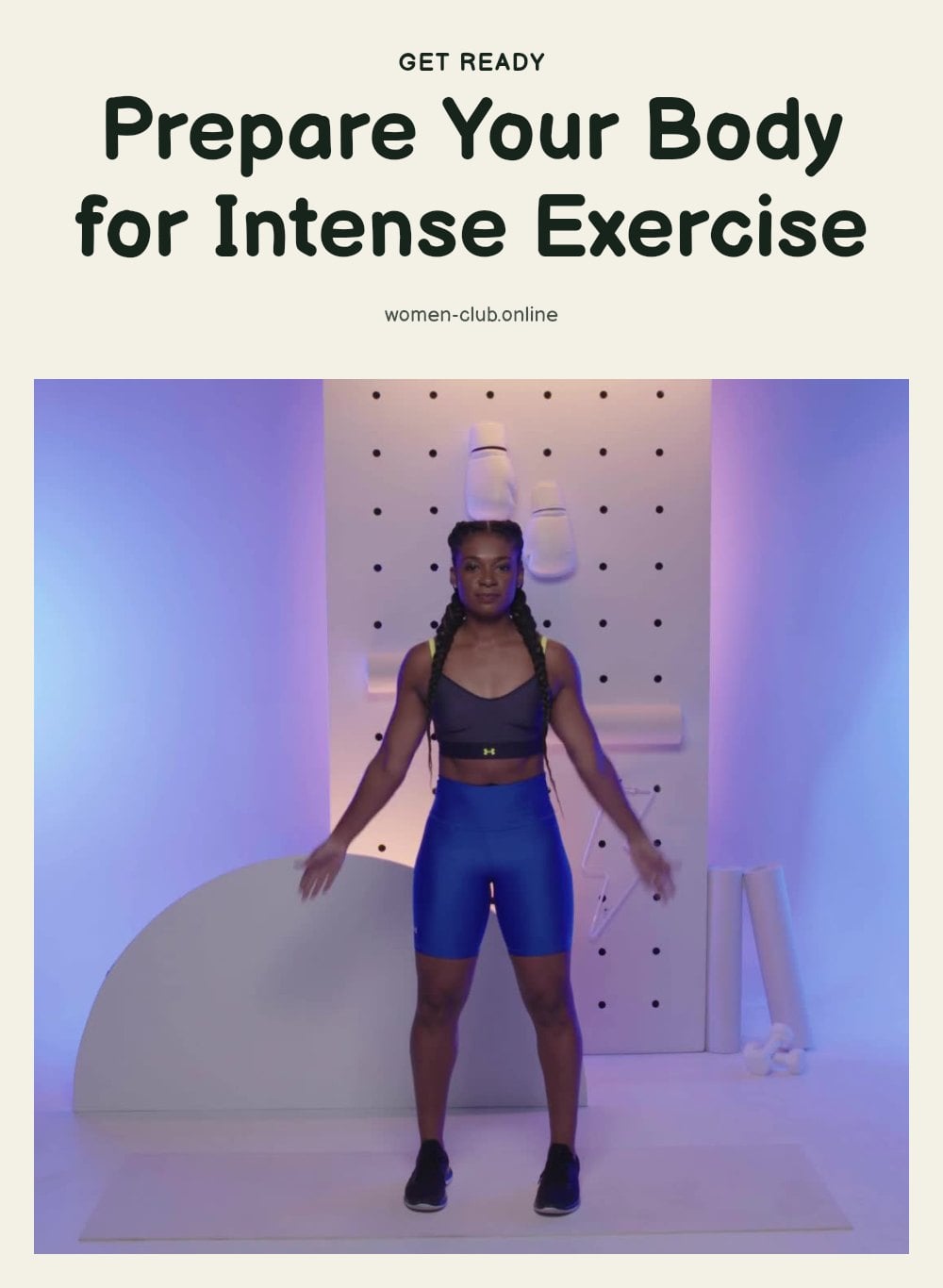
Start every HIIT session with 5 minutes of dynamic stretches to raise your heart rate and prep your muscles. Try arm circles, leg swings, and torso twists, move through each one smoothly, never bouncing.
- Time: 5 minutes total
- Form cue: Keep movements controlled, gradually increasing range of motion
- My tip: Don’t skip this. It’s crucial for injury prevention
2. Exercise 1: Jumping Jacks
Stand with your feet together and arms at your sides. Jump up, spreading your feet wide and bringing your arms overhead. Land softly on the balls of your feet, then jump back to the start position.
- Time: 40 seconds work, 20 seconds rest
- Form cue: Land softly on the balls of your feet
- Make it easier or harder: For a lower impact, step side to side instead of jumping
3. Exercise 2: Squats
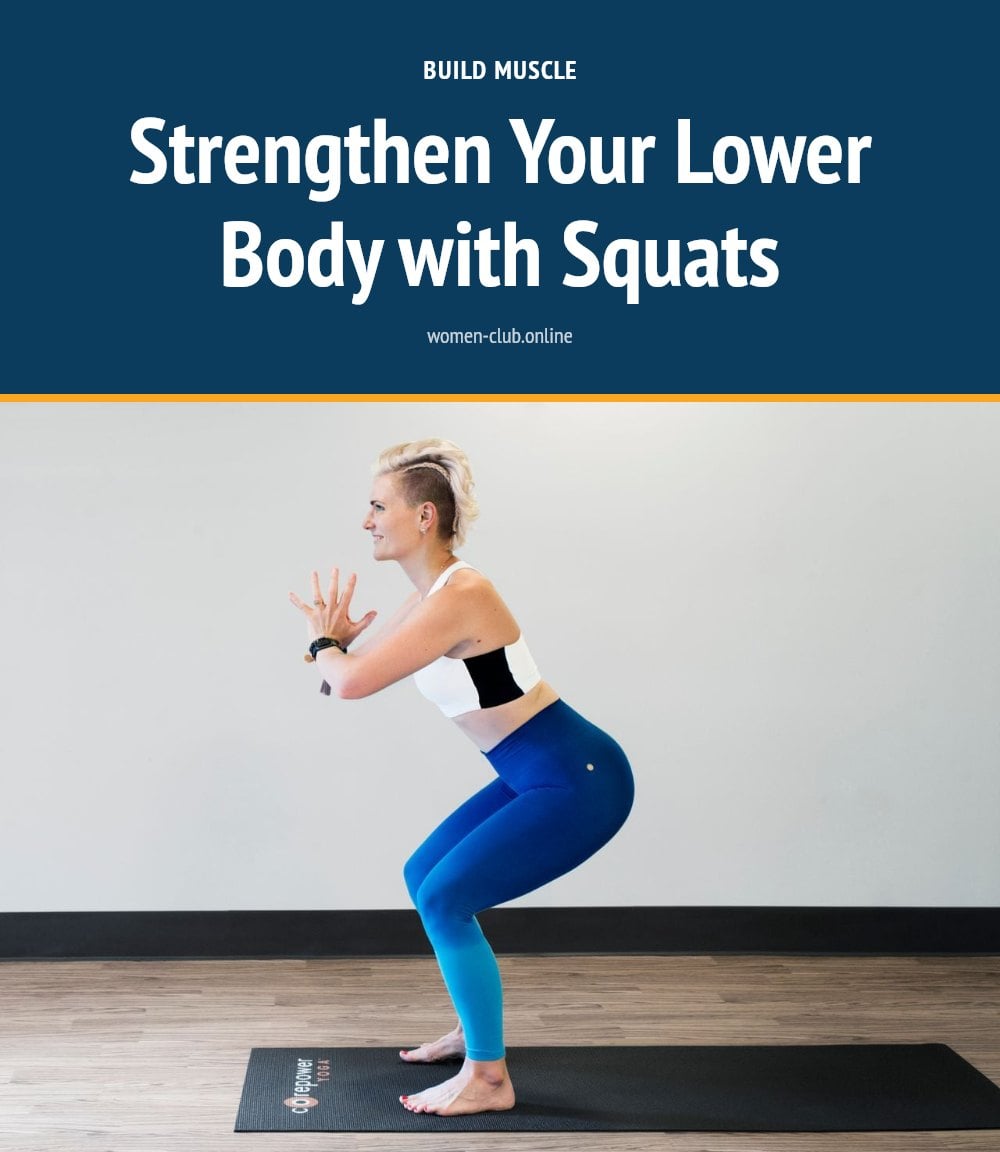
Stand with your feet shoulder-width apart. Lower your hips as if sitting back into a chair, keeping your chest lifted and weight in your heels. Go as low as comfortable, then push through your heels to return to standing.
- Time: 40 seconds work, 20 seconds rest
- Form cue: Keep your knees behind your toes
- Make it easier or harder: Hold a water bottle or light object at your chest for added resistance
4. Exercise 3: Mountain Climbers
Get into a plank position with your hands directly under your shoulders. Drive one knee toward your chest, then quickly switch legs, keeping your core tight and hips stable throughout the movement. Perform for 40 seconds, then rest for 20 seconds.
- Time: 40 seconds work, 20 seconds rest
- Form cue: Maintain a straight line from head to heels; don’t let your hips pike up.
- Make it easier or harder: Slow down the pace to control form, or speed up for more intensity.
5. Exercise 4: Push-Ups (Modified if Needed)
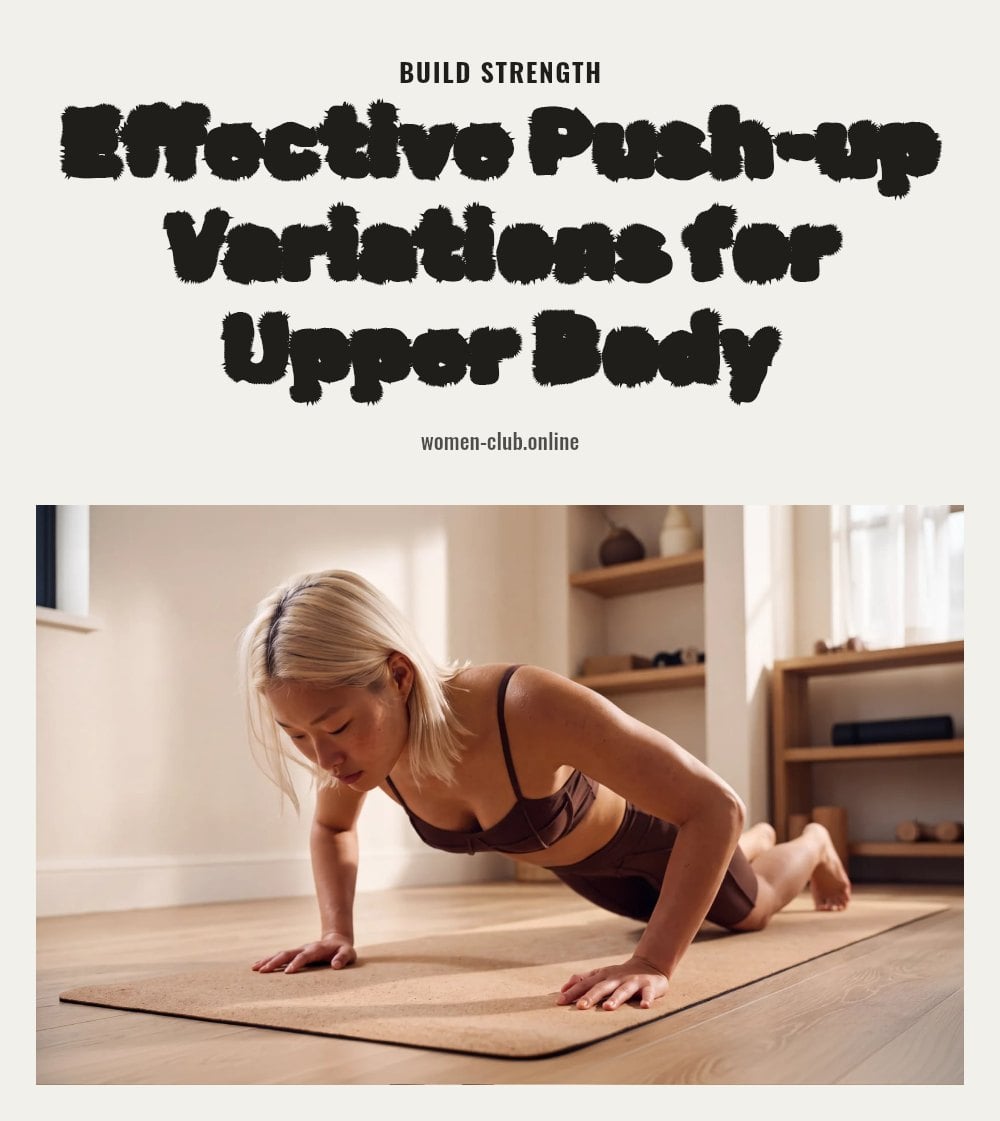
Start in a plank position with your hands slightly wider than shoulder-width apart. Lower your chest toward the floor, keeping your elbows tucked close to your body, then push back up. If needed, drop to your knees for a modified version. Perform for 40 seconds, then rest for 20 seconds before moving to the next exercise.
- Time: 40 seconds work, 20 seconds rest
- Form cue: Keep your elbows tucked slightly toward your body to protect your shoulders.
- Make it easier or harder: Do push-ups on your knees for less resistance, or add a clap at the top for a challenge.
6. Exercise 5: Lunges
Step forward with one leg, lowering your hips until both knees bend at a 90-degree angle. Push through your front heel to return to the starting position, then alternate legs. Perform for 40 seconds, then rest for 20 seconds.
- Time: 40 seconds work, 20 seconds rest
- Form cue: Ensure your front knee doesn’t travel past your toes to keep stress off the joint.
- Make it easier or harder: Reduce your range of motion for a gentler version, or add a jump between lunges for intensity.
7. Exercise 6: Burpees (Modified if Needed)

Stand with feet hip-width apart. Drop into a squat, place your hands on the floor, and kick your feet back into a plank. Jump your feet forward to return to the squat, then stand up. For a more intense version, add a jump at the top. Perform for 40 seconds, then rest for 20 seconds.
- Time: 40 seconds work, 20 seconds rest
- Form cue: Focus on fluid movement; step back one foot at a time instead of jumping if needed.
- Make it easier or harder: Step back instead of jumping for a lower-impact option, or add a push-up at the bottom for a challenge.
8. Cool-Down: Static Stretches
Finish your workout with 5 minutes of static stretches. Hold each stretch for 20-30 seconds, focusing on the major muscle groups you worked: quads, hamstrings, glutes, chest, and shoulders. For example, a standing quad stretch or a seated hamstring stretch works well. My tip: This helps improve flexibility and aids in recovery, so don’t rush through it.
- Time: 5 minutes total, 20-30 seconds per stretch
- Form cue: Breathe deeply and avoid bouncing; let the muscle relax into the stretch
- Make it easier or harder: Use a wall for balance if needed, or deepen the stretch by leaning slightly further
Essential Gear for Your At-Home HIIT Workout
You don’t need much for an effective at-home HIIT session, but a few key items make a difference. Start with comfortable athletic clothing that allows a full range of motion. Supportive athletic shoes prevent slips and provide cushioning for jumps and lunges. Keep a water bottle nearby to stay hydrated throughout. A timer or workout app helps you track intervals without guessing. Tip: A yoga mat is optional but helpful for floor exercises like push-ups and mountain climbers.
Weekly HIIT Workout Schedule
For best results, perform HIIT workouts 2-3 times per week on non-consecutive days. This allows your muscles time to recover and adapt. Consistent effort can show improvements in fitness and energy levels within a few weeks. Here is a sample weekly schedule:
| Day | Activity | Notes |
|---|---|---|
| Monday | HIIT workout | 20 minutes total, including warm-up and cool-down |
| Tuesday | Rest or light walk | Active recovery |
| Wednesday | HIIT workout | 20 minutes total, including warm-up and cool-down |
| Thursday | Rest or yoga | Flexibility focus |
| Friday | HIIT workout | 20 minutes total, including warm-up and cool-down |
| Saturday | Rest or light activity | Listen to your body |
| Sunday | Rest | Full recovery |
Frequently Asked Questions
How often should I do HIIT workouts?
It is generally recommended to do HIIT workouts 2 to 3 times per week on non-consecutive days. This schedule gives your muscles time to recover and adapt, which helps prevent overtraining and burnout. Rest days are an important part of the process.
Can I do HIIT every day?
You should not do HIIT every day. Your body needs recovery time between these intense sessions to repair and strengthen. Doing HIIT daily can lead to overtraining, fatigue, and a higher risk of injury. Stick to 2-3 times per week with rest days in between.
What if I’m a beginner to HIIT?
If you are new to HIIT, start with the modified versions of exercises, such as knee push-ups or step-back burpees. Focus on learning proper form before increasing your speed or intensity. It is also wise to consult a doctor before beginning any new exercise program, especially if you have been inactive.
Do I need equipment for an at-home HIIT workout?
No, you do not need any special equipment for an at-home HIIT workout. Bodyweight exercises like squats, lunges, and mountain climbers are very effective. You may want comfortable athletic clothing, supportive shoes, a water bottle, and a yoga mat for floor exercises, but these are optional.
How long does it take to see results from HIIT?
With consistent effort, many people notice improvements in their fitness and energy levels within a few weeks. Results can vary based on your starting point, diet, and how hard you push yourself during the high-intensity intervals. The afterburn effect may also help you burn more calories even after your workout is done.
Final Thoughts
For a realistic starting point, aim for two HIIT sessions per week on non-consecutive days. You can expect to notice improvements in your energy and fitness level within a few weeks of consistent effort. The key is to push yourself during the work intervals while listening to your body and maintaining good form. Stick with it, and you’ll see why HIIT is such a popular choice for women with busy schedules.
This article is for general informational purposes only and does not constitute medical or professional advice. Always consult a doctor before starting any new exercise program, especially if you have pre-existing health conditions, are pregnant, or have been inactive. Stop immediately if you experience sharp pain, dizziness, or chest pain.








