
Feeling stuck or dissatisfied with where you are right now is more common than you might think. The good news is that happiness isn’t a distant destination; it’s something you can cultivate daily, right where you stand. This article walks you through practical, evidence-backed strategies to shift your perspective, build meaningful habits, and find more contentment in your everyday life.
Key Takeaways
- Write down three things you’re grateful for each day to boost happiness.
- Practice mindfulness for a few minutes daily to improve emotional regulation.
- Spend time with loved ones and nurture your relationships regularly.
- Incorporate moderate physical activity into your routine to lift your mood.
- Limit negative news and social media to protect your mental well-being.
Finding Contentment Right Where You Are
True happiness isn’t about feeling euphoric every moment. It’s a cultivated sense of contentment that holds steady even when life gets messy. The shift starts with perspective: practicing gratitude and focusing on what you can control instead of what’s missing. Small, consistent habits like these build a positive outlook and help you appreciate the present exactly as it is.
Tools for Your Happiness Journey

You don’t need a big budget to start. Here’s what helps:
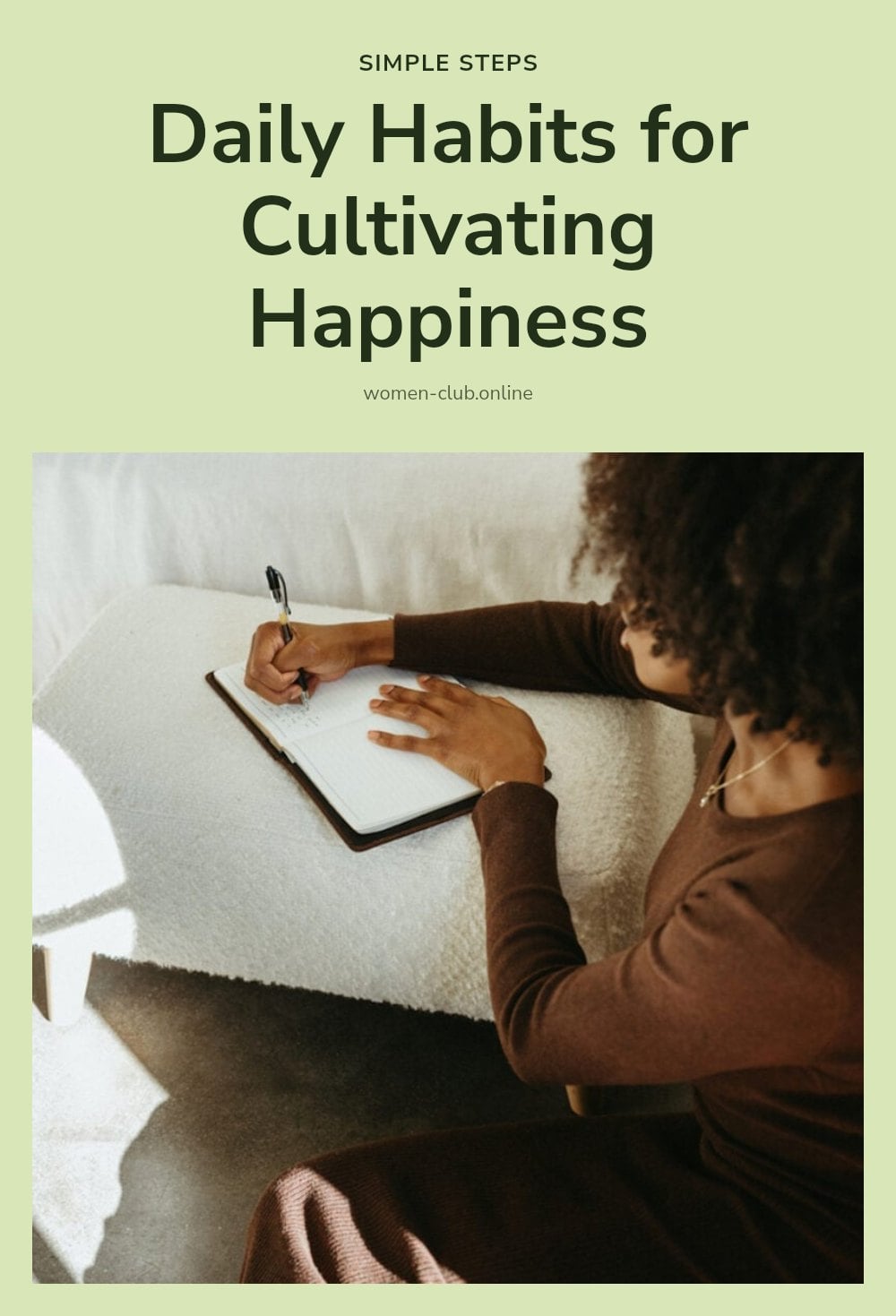
- Journal or notebook: For daily gratitude lists and reflection.
- A pen: Simple but essential for getting thoughts on paper.
- Comfortable, quiet space: Even a corner of a room works for short mindfulness breaks.
- Access to nature: A park, garden, or walking trail for outdoor time.
Daily Practices to Cultivate Happiness
These are the daily actions that make a real difference over time. Consistency matters more than duration.
- Start a gratitude practice: Each day, write down three things you’re thankful for. This simple habit can increase happiness and reduce depressive symptoms.
- Engage in short mindfulness exercises: Spend a few minutes focusing on your breath or your surroundings. Mindfulness improves emotional regulation and lowers stress.
- Prioritize strong social connections: Make time for people who support you. Healthy relationships are a top predictor of happiness and longevity.
- Incorporate regular physical activity: Even moderate exercise like a brisk walk improves mood and reduces anxiety. Aim for movement most days.
- Set small, achievable goals: Working toward something meaningful, even a tiny step, gives you a sense of accomplishment and satisfaction.
- Spend time outdoors: Being in nature reduces stress, boosts mood, and increases feelings of vitality. A few minutes in a park counts.
- Practice self-compassion: Treat yourself with the same kindness you’d offer a friend. Self-compassion builds emotional resilience.
Common Happiness Traps to Avoid
Knowing what to avoid is just as important as knowing what to do. Watch out for these common traps:
- Believing happiness is a destination: It’s an ongoing journey, not a fixed state you arrive at.
- Expecting external factors to be the sole source: True contentment comes from within, not from possessions or achievements.
- Ignoring negative emotions: Acknowledge and process feelings constructively instead of suppressing them.
- Neglecting self-care: Prioritize your well-being over external validation or success.
- Comparing your life to others: Focus on your own path and progress, not someone else’s highlight reel.
- Expecting immediate results: Lasting change comes from consistency over time, not overnight.
Best Tips for a Happier Outlook
My tip: Focus your energy on what you can actually influence. Let go of worrying about other people’s choices or global events you can’t change. I find that shifting my attention to my own actions reduces a lot of unnecessary stress.
- Limit negative input: Be intentional about how much news and social media you consume. A 15-minute check once a day is a good starting point to stay informed without feeling overwhelmed.
- Prioritize sleep: Aim for 7-9 hours per night. Adequate rest directly affects your emotional regulation and ability to handle daily challenges.
- Engage in acts of kindness: Help a neighbor or volunteer for a cause. Helping others boosts your own sense of purpose and joy.
- Seek novelty: Try a new hobby or learn a simple skill, like cooking a new recipe. Novelty keeps life interesting and engages your brain in positive ways.
When to Seek Professional Support
If feelings of sadness, hopelessness, or anxiety persist and interfere with your daily life, consider talking to a mental health professional. This is a sign of strength, not weakness.
- Watch for changes: Significant shifts in sleep patterns, appetite, or energy levels that last more than two weeks may indicate a need for support.
- Avoid self-medication: Using alcohol or drugs to cope can worsen symptoms over time.
- Seek help immediately: If you have thoughts of self-harm or harming others, call a crisis hotline or go to the nearest emergency room.
A professional can provide tailored strategies that go beyond general advice.
Timeline and Investment in Your Well-being
Timeline: With consistent daily practice, you may notice improvements in mood and well-being within weeks to months. Benefits continue to build over time.
- Frequency: Aim for at least one or two practices each day, even for just five minutes. Consistency matters more than duration.
- Cost: Most of these practices are free. A simple notebook and pen cost a few dollars, and time in nature requires no money at all.
The main investment is your time and commitment, not your wallet.
Frequently Asked Questions
Can happiness be learned?
Yes, many experts believe that happiness is a skill that can be developed through practice. Research suggests that intentional activities, like gratitude journaling and mindfulness, can train your brain to focus on the positive and increase your overall sense of well-being over time.
How long does it take to feel happier?
With consistent daily practice, you may start to notice improvements in your mood and outlook within a few weeks. However, lasting change often takes months as new habits become ingrained. Be patient with yourself; the journey is as important as the destination.
What if I don’t feel grateful for anything?
It’s common to struggle with gratitude, especially during tough times. Start small: try noticing simple things like a warm cup of coffee, a kind word from a stranger, or a comfortable bed. Over time, this practice can rewire your brain to spot positives more easily, even on hard days.
Is it okay to not be happy all the time?
Absolutely. Expecting constant happiness is unrealistic and can lead to disappointment. It’s healthy to experience a full range of emotions, including sadness, anger, and frustration. Accepting these feelings without judgment is a key part of emotional well-being and resilience.
How do I stop comparing myself to others?
Comparison often stems from seeing others’ highlight reels on social media. Try limiting your time on these platforms and remind yourself that everyone has struggles you don’t see. Focus on your own progress and what you’re grateful for in your life right now.
Final Thoughts
Start small: pick one practice from this list, like a daily gratitude list or a five-minute mindfulness break, and commit to it for the next two weeks. You may notice subtle shifts in your mood and outlook within weeks, with deeper benefits building over months. Remember, consistency matters more than perfection, and it’s okay to have off days. Be kind to yourself, and let this be the beginning of a gentler, more content relationship with your life as it is right now.
This article is for general informational purposes only and is not a substitute for professional medical or mental health advice. If you’re experiencing persistent sadness, hopelessness, or anxiety that interferes with daily life, please consult a qualified healthcare provider or mental health professional.








