Hot summer days can make staying fresh feel like a full-time job. The key is a simple routine that tackles sweat and bacteria before they cause discomfort or odor. This article covers the essential daily habits, from showering and choosing the right fabrics to quick freshen-up tricks, so you can feel confident no matter how high the temperature climbs.

Key Takeaways
- Shower daily, or twice a day in very hot weather, using a mild, pH-balanced cleanser.
- Apply antiperspirant to clean, dry skin at night for best sweat reduction.
- Wear breathable fabrics like cotton, linen, or moisture-wicking synthetics to keep skin dry.
- Wash feet daily, dry between toes, and change socks frequently to prevent odor.
- Stay hydrated with plenty of water to help regulate body temperature and sweat production.
Staying Fresh in Hot Weather: Your Quick Guide
Staying fresh in hot weather comes down to a few key habits: daily cleansing, managing moisture, and using products that actually work with your body. Sweat itself is mostly odorless, but when bacteria on your skin break it down, that’s when smell happens. A consistent routine that tackles both sweat and bacteria before they build up is what keeps you comfortable all day.
1. Shower Daily, Or Even Twice
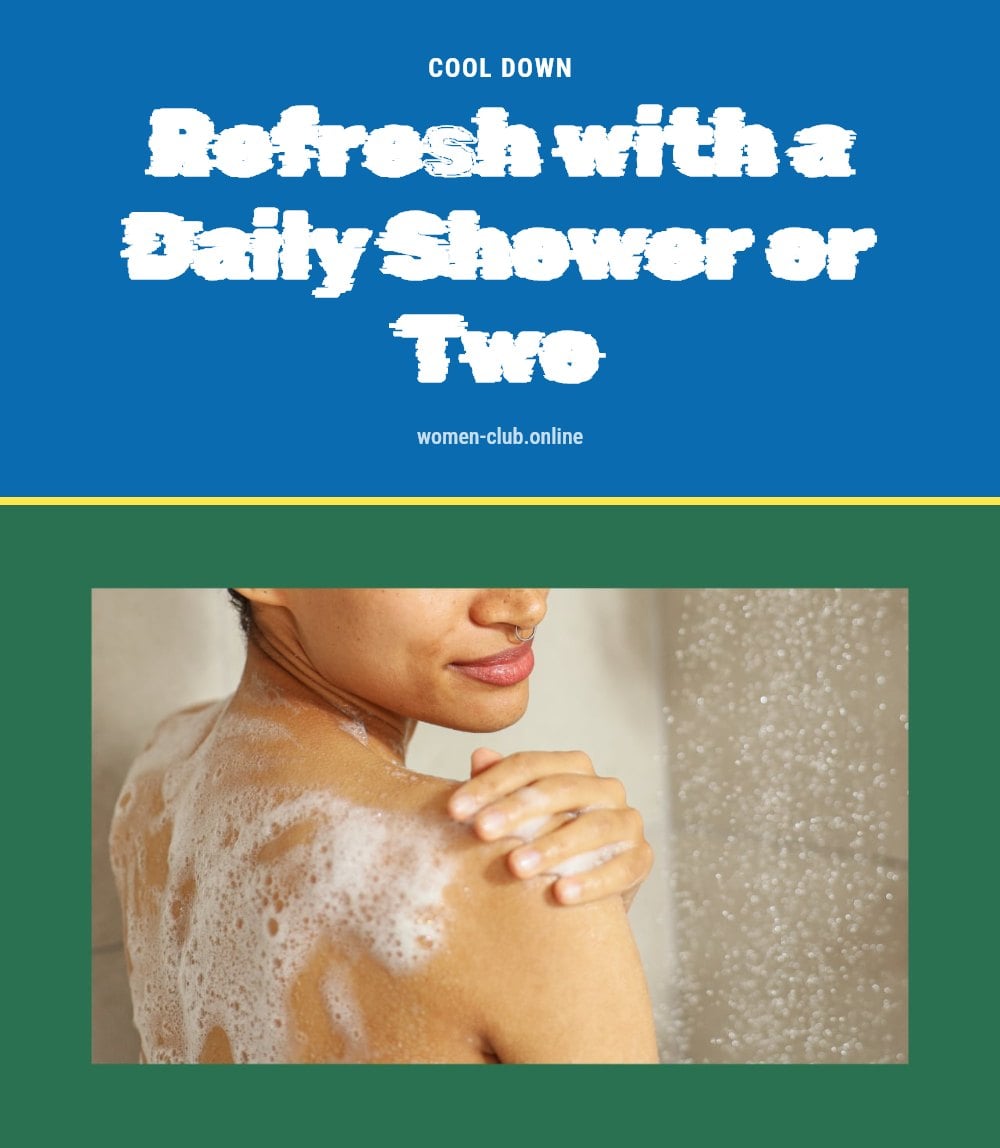
In hot and humid conditions, I’ve found that showering daily, or sometimes even twice, is a game-changer. It effectively washes away sweat, dirt, and bacteria that accumulate on your skin throughout the day.
My tip: Use a mild, pH-balanced soap or body wash. Harsh cleansers can strip your skin’s natural oils, leading to irritation, which is the last thing you want when it’s already hot and sticky.
2. Apply Antiperspirant to Dry Skin
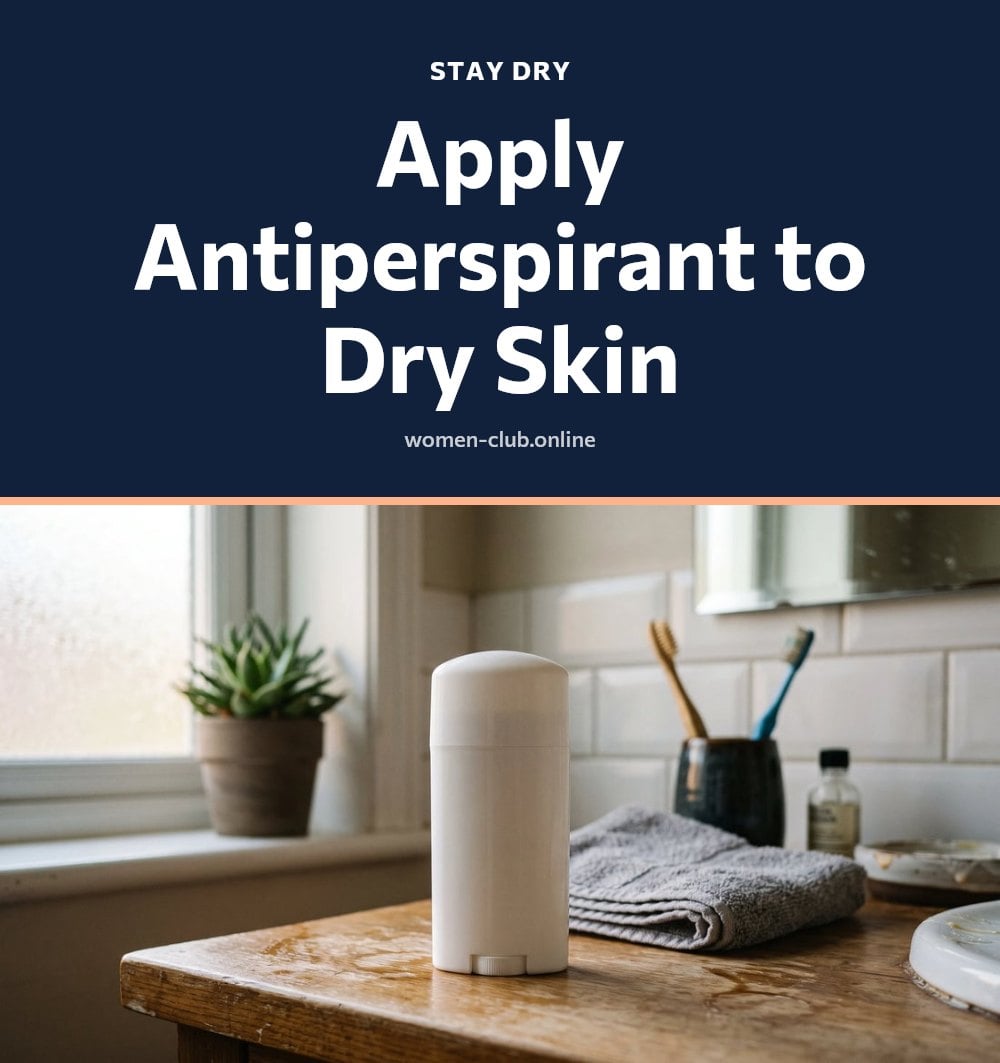
This is crucial: apply your antiperspirant or deodorant to clean, completely dry skin. Antiperspirants work by temporarily blocking sweat ducts, and they’re most effective when applied to dry skin, usually at night. Deodorants, on the other hand, focus on neutralizing or masking odor.
If you’re someone who sweats a lot, an antiperspirant is your best friend. If odor is your main concern, a good deodorant will do the trick.
3. Choose Breathable Fabrics

What you wear makes a huge difference. I always reach for breathable fabrics like cotton, linen, or modern moisture-wicking synthetics. These materials allow air to circulate, helping sweat evaporate and keeping your skin drier.
Avoid tight clothing made from non-breathable materials, especially in areas prone to sweating. Changing clothes, particularly underwear and socks, more frequently in hot weather can also prevent bacterial growth and discomfort.
4. Prioritize Foot Hygiene
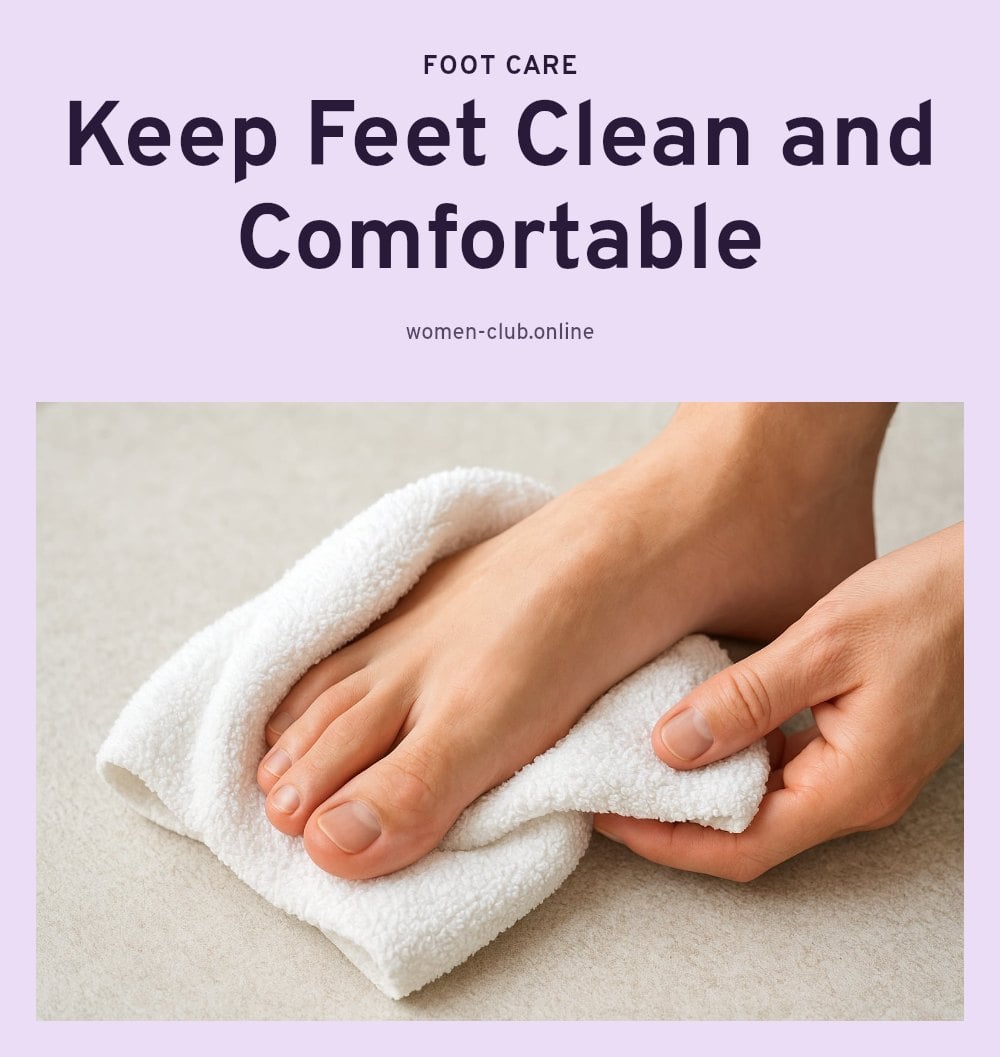
Don’t forget your feet. They can sweat a surprising amount, creating a perfect environment for odor and even fungal infections. My routine includes washing my feet thoroughly every day, paying special attention to the areas between my toes.
After washing, make sure to dry them completely. A little foot powder can also help absorb moisture and keep things fresh throughout the day.
5. Stay Hydrated

Drinking plenty of water isn’t just good for your overall health; it’s also key for hygiene. Staying well-hydrated helps your body regulate its temperature more efficiently, which can impact how much you sweat.
When your body is properly hydrated, your sweat glands work more effectively, and your skin stays healthier. It’s a simple step that has big benefits for feeling fresh from the inside out.
6. Wash Hands Frequently
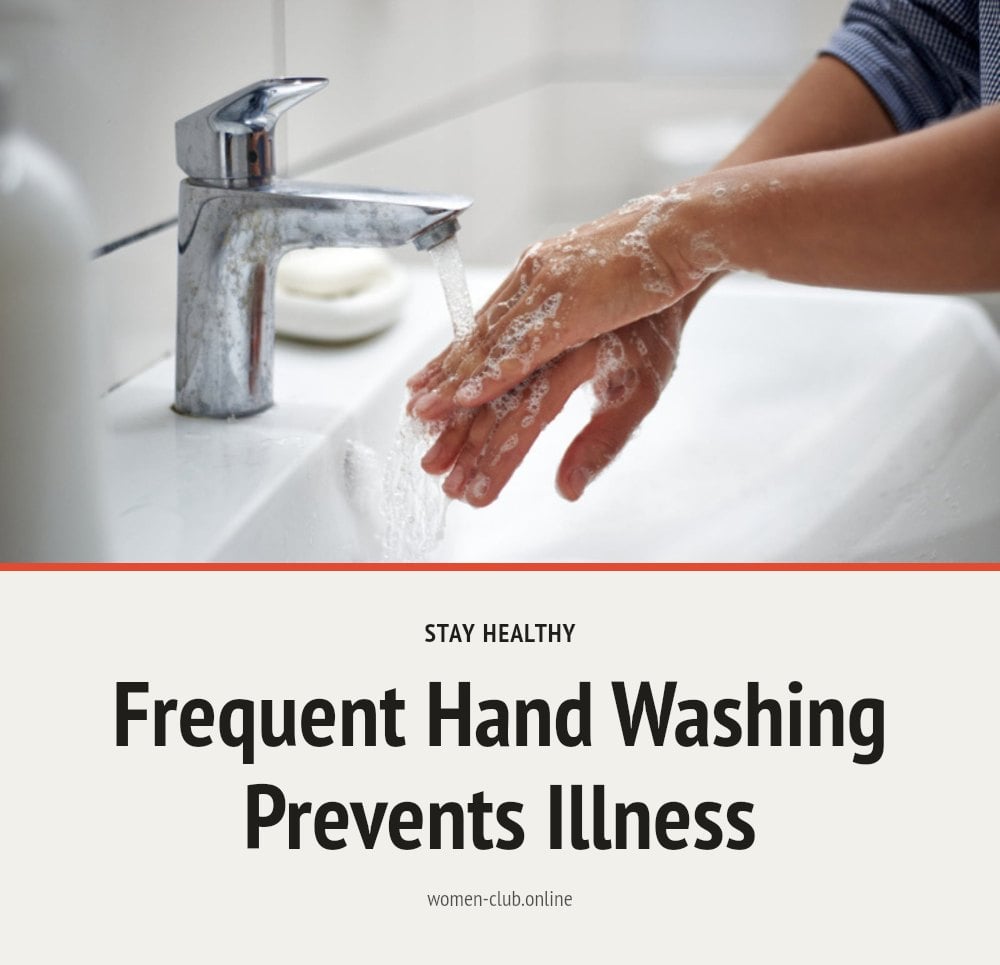
This one might seem obvious, but frequent hand washing is absolutely essential, especially in warmer months when we’re often more active outdoors. It prevents the spread of germs, which is important for your health and overall cleanliness.
Always wash your hands with soap and water for at least 20 seconds, especially before eating and after using the restroom. It’s a quick habit that makes a huge difference.
7. Use Body Wipes for Quick Freshen-Ups
For those moments when a full shower isn’t possible, body wipes are a lifesaver. I always keep a pack in my bag for quick freshen-ups, especially on really hot days or after a workout.
They’re great for cleaning areas prone to sweat like underarms, the groin area, and even your neck. Just make sure to choose unscented or lightly fragranced options to avoid irritation.
8. Manage Your Towels
Your towels need care too. Using a damp towel repeatedly can harbor bacteria and undo the freshness you just gained in the shower. My tip: change bath towels every 2-3 days, and washcloths after every single use.
Hang towels so they dry fully between uses, ideally in a well-ventilated spot. This stops musty odors and keeps your skin genuinely clean.
9. Be Mindful of Diet
What you eat can sometimes influence how you smell. Foods like garlic, onions, and very spicy dishes may be metabolized in ways that affect body odor.
If you notice persistent odor despite solid hygiene, track your meals to see if there is a connection. It is not a fix-all, but adjusting your diet can help some people feel fresher.
10. Avoid Over-Scrubbing or Harsh Soaps
Scrubbing hard or using harsh, heavily fragranced soaps can irritate your skin and make hygiene issues worse. Your skin has a natural protective barrier, and stripping it leads to dryness, redness, and sensitivity.
Stick with mild, gentle cleansers and use a soft washcloth or your hands. The goal is to clean effectively without damaging your skin.
11. Change Bedding Regularly
Your bedding absorbs sweat and skin cells, especially in hot weather. Changing sheets and pillowcases regularly supports overall cleanliness and can contribute to better skin health.
Aim to wash bedding at least once a week, or more often if you sweat heavily at night. Fresh sheets feel better and keep your sleep environment truly clean.
When to Consult a Doctor or Dermatologist
While these tips are great for daily freshness, sometimes you might need professional advice. I always recommend consulting a doctor or dermatologist if you experience:
- Persistent skin rashes or irritation that doesn’t improve with good hygiene.
- Unusual or strong body odor that persists despite consistent hygiene practices.
- Signs of a skin infection, such as redness, swelling, pain, or pus.
- Excessive sweating (hyperhidrosis) that significantly impacts your daily life, as there are medical treatments available.
Frequently Asked Questions
How often should I shower in hot weather?
In hot and humid conditions, showering once a day is usually enough. If you sweat heavily or feel dirty after a workout, a second shower can help. Just use a mild cleanser to avoid drying out your skin.
Can certain foods affect body odor?
Yes, some foods like garlic, onions, and spicy dishes may be metabolized in ways that influence body odor. If you notice a persistent smell despite good hygiene, tracking your diet could help identify a connection.
What fabrics are best for hot weather to prevent sweat?
Breathable fabrics like cotton, linen, and moisture-wicking synthetics are ideal. They allow air to circulate and help sweat evaporate, keeping your skin drier and reducing the chance of odor.
Is it better to use antiperspirant or deodorant?
It depends on your goal. Antiperspirants reduce sweat production by temporarily blocking sweat ducts, while deodorants mask or neutralize odor. Many people use both, applying antiperspirant at night and deodorant in the morning.
How can I keep my feet fresh in summer?
Wash your feet daily with soap and water, making sure to dry thoroughly between the toes. Wear clean, breathable socks and change them if they get damp. Using a foot powder or spray can also help absorb moisture and reduce odor.
Final Thoughts
My tip for staying fresh all summer is to focus on consistency over intensity. A daily shower, breathable clothing, and proper antiperspirant use will handle most situations. Expect immediate results with each habit, but lasting freshness comes from making these practices a regular part of your routine. Stick with it, and you’ll feel comfortable and confident even on the hottest days.
This article is for general informational purposes only and does not constitute medical or professional advice. Individual needs may vary. If you have persistent skin irritation, unusual body odor, or other health concerns, consult a doctor or dermatologist for personalized guidance.