
If you’ve ever felt bloated, gassy, or just off after a meal, you know how much digestion can affect your day. The good news is that small, consistent habits can make a real difference. This article walks you through practical steps like chewing thoroughly, staying hydrated, and adding fiber gradually, so you can support your digestive health and feel better overall.

Key Takeaways
- Chew each bite until it’s almost liquid to help your stomach.
- Aim for at least 8 glasses of water daily, more if active.
- Increase fiber gradually to 25-30 grams per day.
- Eat at regular times to train your digestive system.
- See a doctor for severe pain, blood, or weight loss.
How to Improve Your Digestion for Better Health
Improving your digestion comes down to a few consistent, mindful habits that support your body’s natural processes. Focus on chewing your food thoroughly, incorporating enough fiber, and staying well-hydrated. These simple changes can significantly reduce common discomforts like bloating and gas, helping you feel better every day.
1. Chew Your Food Thoroughly

Digestion starts in your mouth, so give your digestive system a head start by chewing each bite until it’s almost liquid. This breaks down food into smaller pieces, increasing the surface area for enzymes to work on and making it easier for your stomach to process.
My tip: Aim for 20-30 chews per bite, especially with tougher foods. It feels like a lot at first, but it makes a huge difference.
2. Eat Slowly and Mindfully
Rushing through meals can lead to swallowing excess air, a common culprit for gas and bloating. When you eat slowly, you give your brain time to register fullness, which can also help prevent overeating.
My tip: Put your fork down between bites and take a moment to savor the flavors. This simple act can transform your mealtime experience.
3. Stay Well-Hydrated

Water is absolutely essential for healthy digestion. It helps break down food, allows nutrients to be absorbed, and keeps things moving smoothly through your digestive tract. Without enough water, fiber can’t do its job effectively, potentially leading to constipation.
Aim for at least 8 glasses of water a day, and even more if you’re active or increasing your fiber intake. Tip: Keep a water bottle handy throughout the day to sip regularly.
4. Increase Fiber Gradually
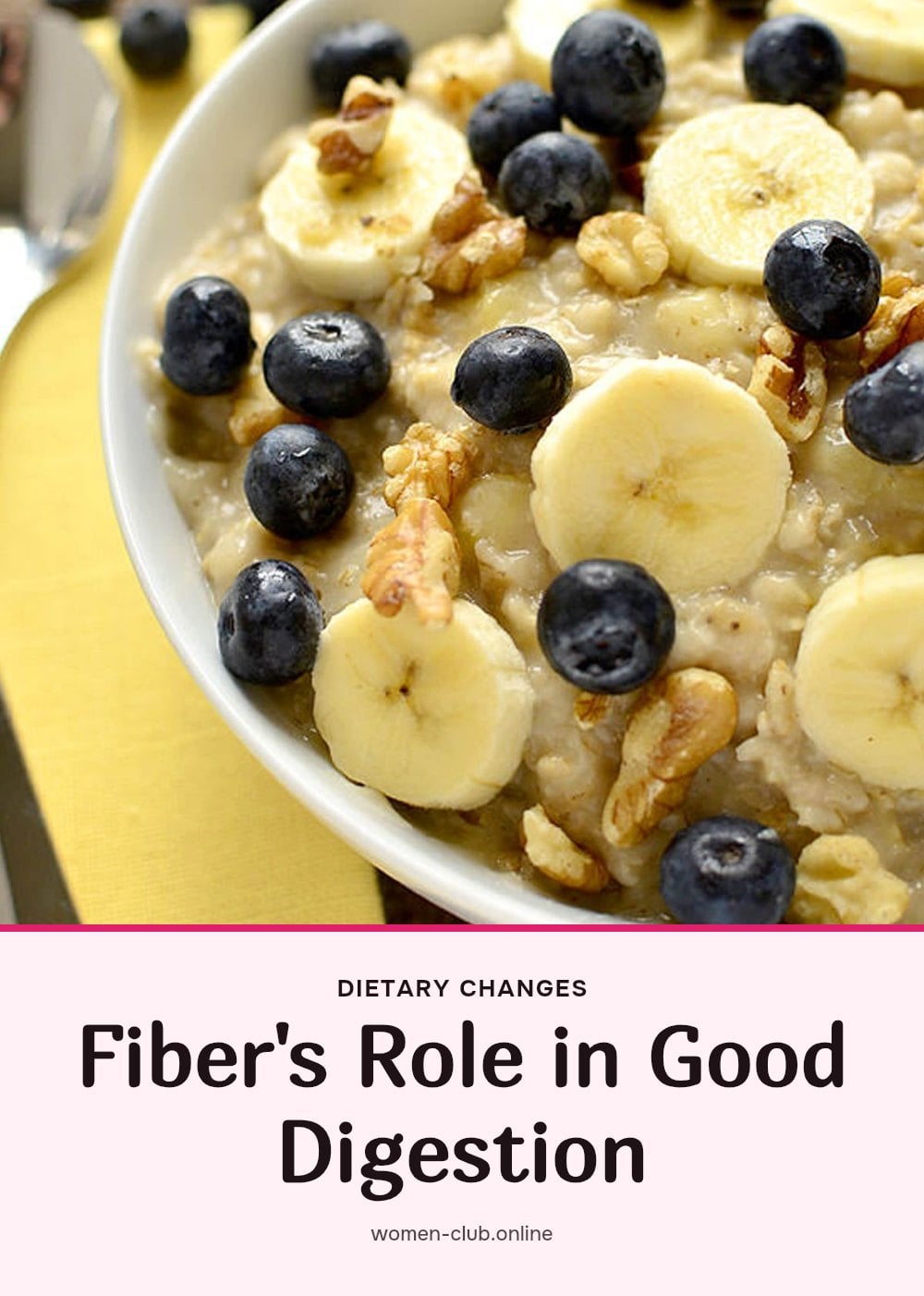
Fiber is a powerhouse for digestion, adding bulk to stool and helping it pass smoothly through your system. There are two types you need: soluble fiber (found in oats, beans, and apples) and insoluble fiber (from whole grains and vegetables). Both play a crucial role in gut health.
Good to know: If you’re not used to a high-fiber diet, increase your intake slowly over several weeks to avoid gas and bloating. Pair it with plenty of water, or the fiber can actually cause constipation instead of relieving it.
5. Include Probiotic-Rich Foods

Probiotics are beneficial bacteria that live in your gut and support digestion and overall health. Incorporating foods like yogurt, kefir, sauerkraut, and kimchi can help maintain a healthy balance of gut flora.
Pro move: Look for plain, unsweetened varieties of yogurt and kefir. Added sugars can counteract the benefits by feeding less desirable bacteria in your gut.
6. Manage Your Stress Levels
Your gut and brain are intimately connected through the gut-brain axis. Stress can significantly disrupt digestive function by altering gut motility and secretion, leading to symptoms like cramping or diarrhea.
Finding healthy ways to manage stress, such as meditation, yoga, or spending time in nature, can have a positive ripple effect on your digestion.
Quick tip: Even five minutes of deep breathing before meals can signal to your body that it’s safe to digest, helping you avoid stress-related digestive upset.
7. Move Your Body Regularly

Regular physical activity stimulates intestinal contractions, which keeps food moving through your digestive system and can prevent constipation. It also helps reduce stress, which further supports gut health.
Tip: You don’t need intense workouts. Even a brisk 30-minute walk daily can make a noticeable difference in how regularly and comfortably you digest your food.
8. Eat at Regular Times
Eat at Regular Times: Your digestive system thrives on routine. Eating at similar times each day trains your body to prepare digestive enzymes in anticipation of food. This can reduce bloating and improve overall efficiency. Good to know: Try to stick to a schedule, even on weekends, to keep your system predictable and happy.
9. Limit Processed Foods and Sugars
Limit Processed Foods and Sugars: Highly processed foods are packed with unhealthy fats, artificial ingredients, and added sugars that are hard for your body to break down. They can also disrupt the balance of beneficial gut bacteria, leading to inflammation and discomfort. Pro move: Focus on whole, unprocessed foods like fruits, vegetables, and lean proteins as much as possible. Your gut will thank you.
10. Listen to Your Body’s Signals
Listen to Your Body’s Signals: Pay attention to how different foods make you feel. Bloating, gas, or discomfort after a meal can be your body telling you something isn’t agreeing with it. Recognizing true hunger and fullness cues also helps prevent overeating, which strains your digestive system. Quick tip: Keep a simple food journal for a few days to identify potential triggers if you’re experiencing regular discomfort.
11. Consider Herbal Teas for Relief

Consider Herbal Teas for Relief: Certain herbal teas can gently soothe minor digestive upsets. Ginger tea is known for its anti-nausea properties and can aid digestion, while peppermint tea helps calm an upset stomach and reduce gas. Tip: Enjoy a warm cup after a meal or when you feel a bit of discomfort for a comforting, natural way to support your gut.
When to Talk to a Doctor About Digestion
While the habits above can make a real difference for common discomforts, some symptoms need a doctor’s attention. Seek medical help right away if you have severe abdominal pain, persistent nausea or vomiting, blood in your stool, unexplained weight loss, or chronic diarrhea or constipation. These can signal something more serious. Also, if you already have a condition like IBS or Crohn’s disease, always check with your healthcare provider before making big changes to your diet or lifestyle. Your doctor can guide you safely based on your specific needs.
Frequently Asked Questions
How long does it take to improve digestion?
Many people notice benefits within a few days to a couple of weeks after adopting habits like eating slowly and drinking enough water. For long-term changes, consistency is key. If you have a chronic condition, give it more time and consider professional guidance.
Can stress affect my digestion?
Yes, stress can disrupt your gut by altering motility and secretions, which may lead to cramping or diarrhea. Managing stress through meditation, yoga, or nature walks can help support your digestive health.
What are the best foods for digestion?
Foods rich in fiber are excellent, like oats, beans, apples, whole grains, and vegetables. Probiotic-rich options like yogurt, kefir, and sauerkraut also support a healthy gut. Herbal teas like ginger and peppermint can soothe minor upsets.
Is it normal to feel bloated after eating fiber?
If you increase fiber too quickly, bloating and gas are common. Start with small amounts and gradually build up over a few weeks, and drink plenty of water. This helps your digestive system adapt without discomfort.
Should I take a probiotic supplement for digestion?
Probiotic supplements may help some people, but it’s often best to get beneficial bacteria from whole foods like yogurt and kefir first. If you’re considering a supplement, talk to your doctor, especially if you have a health condition.
Final Thoughts
Start with one habit, like slowing down at meals or adding a daily walk. You may notice improvements within days to a few weeks, but consistency matters most. If you have a pre-existing digestive condition or symptoms that worry you, check with your doctor before making big changes. Your gut will thank you for the care.
This article is for general informational purposes only and is not a substitute for professional medical advice. If you have persistent or severe digestive symptoms, or a pre-existing condition, consult a qualified healthcare provider before making significant changes to your diet or routine.