
Have you ever felt like a familiar wave of sadness, anger, or fear from your childhood suddenly shows up in your adult life? That part of you that still carries those old feelings is often called your inner child, and connecting with it can be a gentle path toward healing. This article covers what inner child healing is and offers journal prompts for connecting with your younger self, exploring unmet needs, processing emotions, and celebrating your strengths.

Key Takeaways
- Inner child healing focuses on acknowledging past experiences and their impact on present behaviors and emotions.
- Journaling helps you explore memories and patterns with self-compassion and without judgment.
- Identify specific unmet needs from childhood to tailor your healing approach.
- Healing is non-linear; be patient and consistent over weeks, months, or years.
- Seek professional support if journaling brings up overwhelming emotions or significant trauma.
What is Inner Child Healing and Why Journaling Helps?
Inner child healing is a therapeutic concept focused on acknowledging and addressing past childhood experiences and their impact on your present-day behaviors, emotions, and relationships. It involves connecting with your younger self to process unresolved trauma, unmet needs, and emotional wounds, fostering self-compassion and emotional regulation. Journaling provides a safe, accessible, and private space to explore these memories, feelings, and patterns, helping you recognize and validate past pain without judgment. My tip: this isn’t about erasing the past, but integrating it to empower your adult self and develop healthier coping mechanisms.
Prompts for Connecting with Your Younger Self
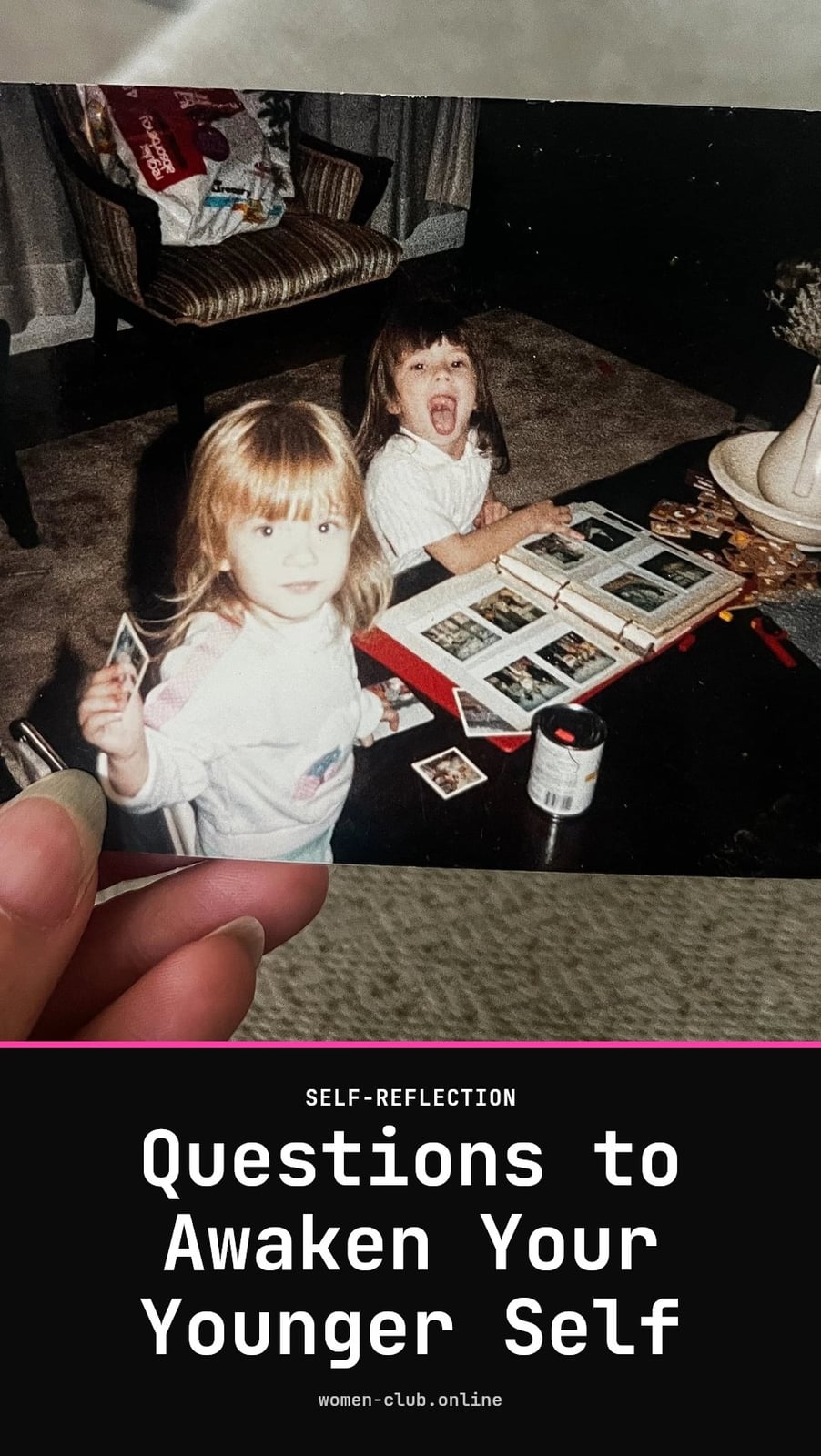
These prompts help you visualize and recall your younger self with curiosity and kindness. Write freely, without editing, and let the memories surface naturally.
- Picture yourself at age five. What were you wearing?
- Describe your favorite hiding spot as a child.
- What song made you dance when you were little?
- Recall a game you played over and over again.
- Who was your best friend at age seven?
- What did you dream about becoming when you grew up?
- Name a toy you loved and why it mattered.
- What made you laugh hardest as a kid?
- Describe your bedroom from childhood.
- What did you fear most at night?
- Remember a proud moment from elementary school.
- What did you enjoy drawing or building?
- How did you spend summer days outside?
- What book did you read again and again?
- Think of a smell you loved in childhood.
- Who made you feel safe back then?
- What did you want to be praised for?
- Describe your favorite family ritual.
- What did your younger self believe about the world?
- Write a short letter to that child, saying hello.
Prompts for Exploring Unmet Childhood Needs
These prompts guide you to notice what may have been missing, without judgment. Be honest, and let patterns in your adult life point back to those early needs.
- When did you feel unheard as a child?
- What did you need to hear but never did?
- Did you feel seen for who you truly were?
- Who protected you when you felt scared?
- How was love shown in your family?
- Were your feelings validated or dismissed?
- When did you feel invisible at home?
- What approval did you crave most?
- Did you have space to make mistakes?
- Who listened to you without interrupting?
- What comfort did you lack during hard times?
- Were your boundaries respected as a child?
- What did you need from a parent that you didn’t get?
- How did you ask for help back then?
- Did you feel safe to express anger or sadness?
- What praise did you long for but rarely receive?
- Were your achievements acknowledged?
- What did you need to feel secure at night?
- How did you cope when needs went unmet?
- Which of these needs still shows up in your adult life?
Prompts for Processing Difficult Emotions and Memories
These prompts help you let difficult emotions surface and be acknowledged, not pushed away. If anything feels overwhelming, pause and take a break. You may also consider speaking with a therapist, especially if intense memories arise.
- What sadness did you carry from childhood?
- When did you feel abandoned or left behind?
- What anger did you swallow as a child?
- Describe a moment you felt deep fear.
- What did you cry about that no one noticed?
- When did you feel ashamed of something you did?
- What loss did you experience early on?
- How did you show hurt without words?
- What memory still stings when you recall it?
- When did you feel betrayed by someone you trusted?
- What did you worry about that felt too big?
- Where did you feel lonely even in a crowd?
- What did you suppress to keep the peace?
- Describe a time you felt helpless.
- What did you blame yourself for unfairly?
- When were you criticized in a way that hurt deeply?
- What did you hide from your family?
- How did your body hold stress back then?
- What are you still grieving from childhood?
- Write a sentence to that child: “It was okay to feel…”
Prompts for Re-parenting and Nurturing Your Inner Child

These prompts help you step into the role of a nurturing adult for your younger self. Write letters, offer comfort, and practice setting the boundaries your inner child needed.
- Write a letter to your inner child telling them they are safe now.
- Ask your inner child what they need to hear today.
- Promise your inner child you will always listen to them.
- Tell your inner child they did nothing wrong.
- Imagine hugging your younger self and saying, “I am here.”
- Set a boundary with someone who drains you, for your inner child’s sake.
- Write a permission slip for your inner child to rest or play.
- Reassure your inner child that they are worthy of love and care.
- Offer your inner child the apology you wish they had received.
- Visualize your adult self sitting beside your younger self in a safe place.
- Tell your inner child their feelings are valid and important.
- Write a list of things you will protect your inner child from now on.
- Ask your inner child what they want to play or create today.
- Give your inner child permission to say no without guilt.
- Write a bedtime story for your inner child that ends with peace.
- Remind your inner child they are not alone anymore.
- Create a safe space in your home where your inner child can feel calm.
- Tell your inner child you are proud of them for surviving.
- Write a mantra your inner child can repeat when scared.
- End each day by checking in with your inner child and offering comfort.
Prompts for Celebrating Inner Child Strengths and Joy
Healing isn’t only about the hard parts. These prompts help you remember the joy, creativity, and resilience that have always been part of you.
- Recall a moment from childhood when you felt completely happy.
- Write about your favorite game or activity as a child.
- Describe a time you felt proud of something you made or did.
- List three things your younger self loved about the world.
- Remember a friend or pet who brought you joy.
- Write about a creative project you loved as a child.
- Recall a song or story that made you feel safe or excited.
- Describe a place where your inner child felt free and happy.
- List qualities your younger self had that you still admire.
- Write about a time your inner child showed courage or kindness.
- Remember a holiday or celebration that felt magical to you.
- List small pleasures your younger self enjoyed, like a favorite snack or color.
- Write about a dream or goal your inner child had.
- Recall a moment when you felt deeply curious or amazed.
- Describe a skill your younger self learned that still serves you.
- Write a thank-you note to your inner child for their resilience.
- List three things you can do today that your inner child would love.
- Remember a time you laughed until your belly hurt.
- Write about a favorite book or movie from childhood.
- Celebrate one strength your inner child gave you that you carry now.
Frequently Asked Questions
How long does inner child healing take?
Inner child healing is an ongoing, non-linear process. It is not a quick fix, and progress often happens in small, gradual shifts over weeks, months, or even years. Be patient with yourself and focus on consistency rather than speed.
Can I do inner child healing on my own?
Many people use journaling and self-reflection as part of inner child healing on their own. However, if you are dealing with significant trauma or find that emotions become overwhelming, it is advisable to seek guidance from a qualified therapist or mental health professional.
What if I don’t remember much from my childhood?
It is common to have gaps in childhood memories, especially if there were difficult experiences. You can still connect with your inner child by focusing on feelings, patterns, or recurring themes in your adult life. Gentle prompts about emotions or needs can help surface what feels familiar.
Is inner child healing only about negative experiences?
No, it is also about recognizing the joy, creativity, and resilience from your childhood. Celebrating positive memories and strengths is an important part of integrating your inner child and building a more balanced, compassionate relationship with your past.
How do I know if my inner child is healed?
Healing is not a final destination. Signs of progress include feeling more self-compassion, reacting with less intensity to old triggers, and being able to soothe yourself when difficult emotions arise. You may notice healthier boundaries and a greater sense of emotional freedom.
Final Thoughts
Inner child healing is an ongoing process, not a destination. My tip is to start with just one prompt that feels the least intimidating, maybe one about a favorite childhood game or song, and let yourself write without any expectations. Over time, you may notice gradual shifts in how you respond to triggers and a deeper sense of compassion for yourself. Healing takes time, but each small step you take is a meaningful one.
This article is for general informational purposes only and does not constitute medical or professional advice. Inner child healing is not a substitute for professional mental health treatment. If you are experiencing severe depression, anxiety, trauma, or other mental health concerns, please consult a qualified therapist or healthcare provider.








