Jump Rope for Women Who Can’t Stand Long Workouts: Ten-Minute Sessions

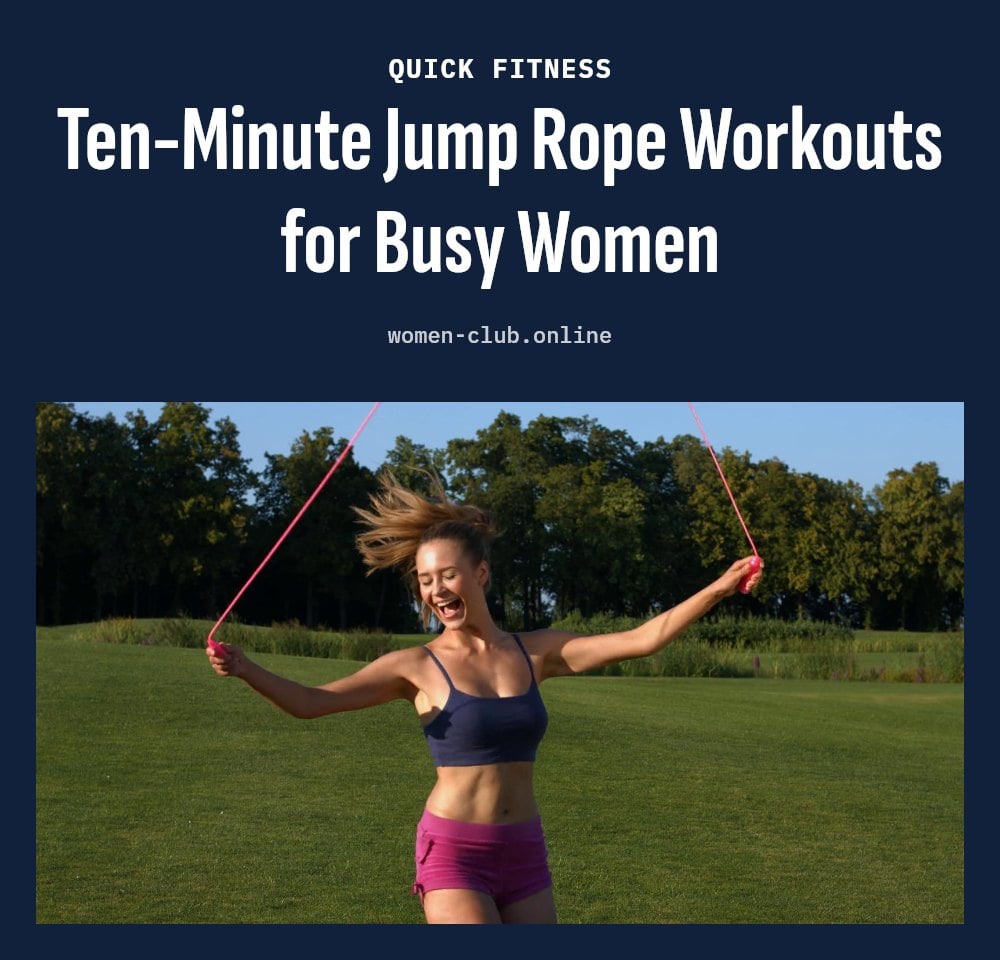
If you’re short on time but still want a workout that actually works, a jump rope might be exactly what you need. Ten-minute sessions can deliver real cardiovascular benefits, improve your coordination, and engage your whole body without requiring a gym or hours of your day. This article covers a simple, effective routine you can do at home, including warm-up, basic moves, and a weekly plan to build stamina safely.
Key Takeaways
- Jump rope for 10 minutes can provide cardiovascular benefits comparable to running.
- Start with 30 seconds of jumping followed by 30 seconds of rest.
- Aim for 3 to 5 sessions per week for noticeable improvements in stamina.
- Use a rope sized so handles reach your armpits when you stand on the middle.
- Always warm up and cool down to reduce injury risk.
Why Jump Rope is Your New Favorite Workout
Jump rope is one of the most efficient full-body workouts you can do in a short time. Ten minutes of jumping can deliver cardiovascular benefits comparable to running while improving your coordination and agility. It’s ideal for busy women because it requires minimal equipment and can be done almost anywhere, your living room, a hotel room, or a park.
1. Warm-Up: Arm Circles
Stand tall with your feet shoulder-width apart and extend your arms straight out to the sides. Perform small forward circles for 30 seconds, then reverse the direction for another 30 seconds. Keep the movements controlled to prepare your shoulders and arms for the rotation of the rope.
- Time: 30 seconds forward, 30 seconds reverse
- Form cue: Keep your arms straight and rotate from the shoulder joint
- Make it easier: Reduce the circle size
- Make it harder: Increase the circle size or speed
2. Basic Bounce
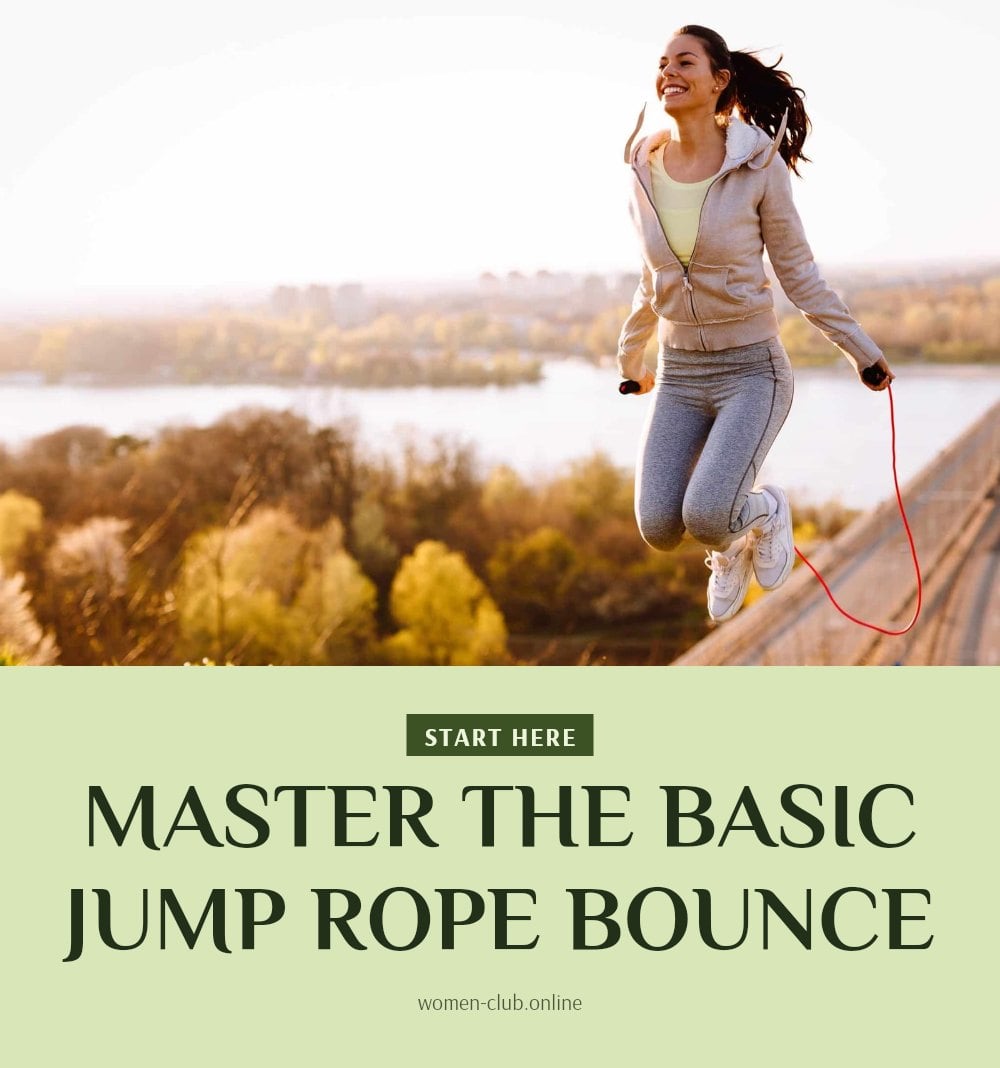
Hold the handles with your elbows close to your body, using your wrists to rotate the rope. Jump just high enough for the rope to clear your feet, landing softly on the balls of your feet with your knees slightly bent to absorb impact. Aim for 30 seconds of jumping followed by 30 seconds of rest.
- Time: 30 seconds jumping, 30 seconds rest
- Form cue: Keep your wrists active and your elbows tucked in
- Make it easier: Jump at a slower pace or lower height
- Make it harder: Increase the pace or add a double under (two rope rotations per jump)
3. Alternate Foot Step
Shift your weight from one foot to the other with each rope rotation, as if jogging in place. Keep the jumps low and controlled, maintaining a steady rhythm without bouncing high. Perform for 30 seconds, then rest for 30 seconds.
- Time: 30 seconds jumping, 30 seconds rest
- Form cue: Land softly on the ball of each foot and keep your knees slightly bent
- Make it easier: Slow down your pace or reduce the height of your steps
- Make it harder: Increase the speed or add a hop between foot changes
4. Side-to-Side Jumps
With each rope pass, jump a few inches to the right, then a few inches to the left. Keep your core engaged and your movements small and precise to maintain balance. Continue for 30 seconds, followed by 30 seconds of rest.
- Time: 30 seconds work, 30 seconds rest
- Form cue: Land softly on the balls of your feet with knees slightly bent
- Make it easier or harder: Widen or narrow your jumps to adjust intensity
5. High Knees
Bring your knees up toward your chest with each jump, alternating legs as if marching in place. Focus on lifting your knees high rather than jumping high off the ground. Execute for 30 seconds, then take a 30-second rest.
- Time: 30 seconds work, 30 seconds rest
- Form cue: Keep your torso upright and avoid leaning back
- Make it easier or harder: Lift knees to waist height or aim for chest height
6. Criss-Cross Arms
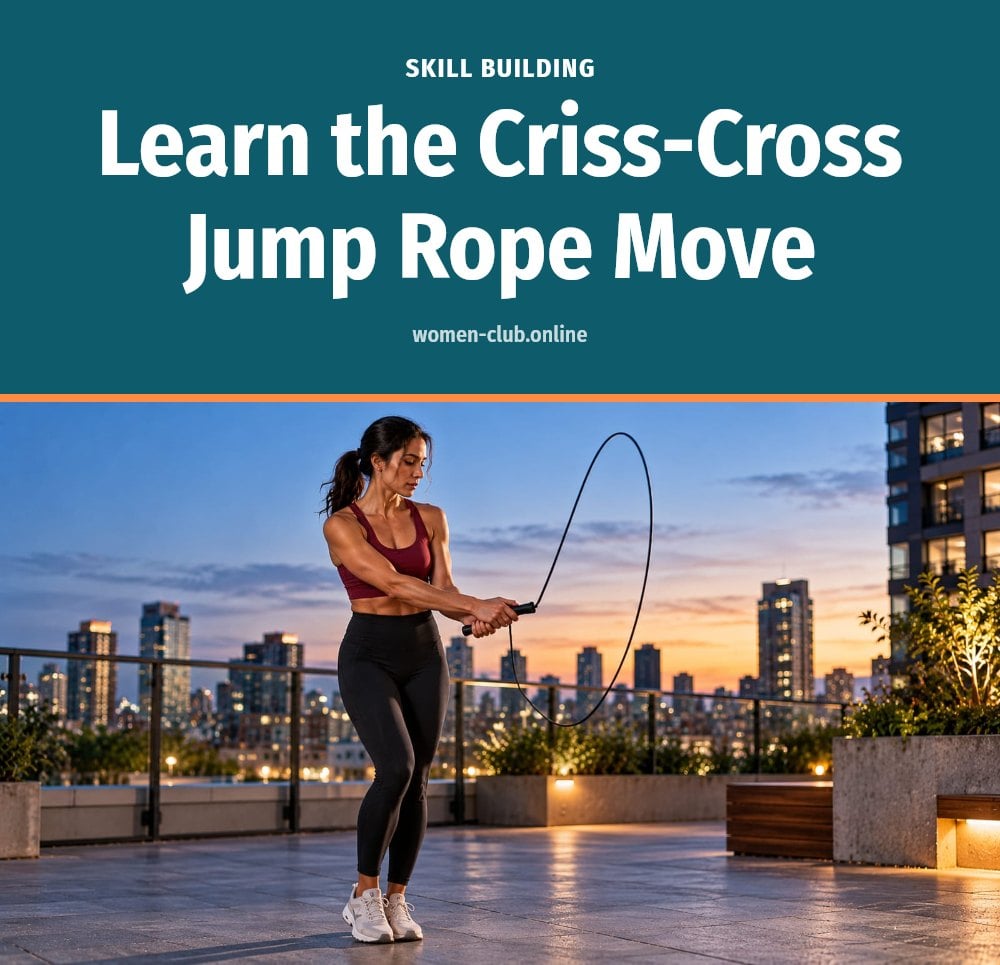
After a regular jump, cross your arms in front of your body for the next rope pass, then uncross them. Coordinate the arm crossing with the rope’s rotation, keeping your wrists active to maintain momentum. Try for 30 seconds, then rest for 30 seconds.
- Time: 30 seconds work, 30 seconds rest
- Form cue: Cross your arms at the elbows, not the wrists
- Make it easier or harder: Start with a single cross per set, then try multiple crosses
7. Cool-Down: Calf Stretch
Stand facing a wall and place your hands on it at shoulder height. Step one foot back, keeping the heel pressed into the floor, and lean forward until you feel a stretch in your calf. Hold for 20-30 seconds per leg to help lengthen muscles and prevent soreness after jumping.
- Time: 20-30 seconds per leg
- Form cue: Keep your back leg straight and heel down
- Make it easier or harder: Bend your back knee slightly for a deeper stretch or stand closer to the wall
Your Essential Jump Rope Gear
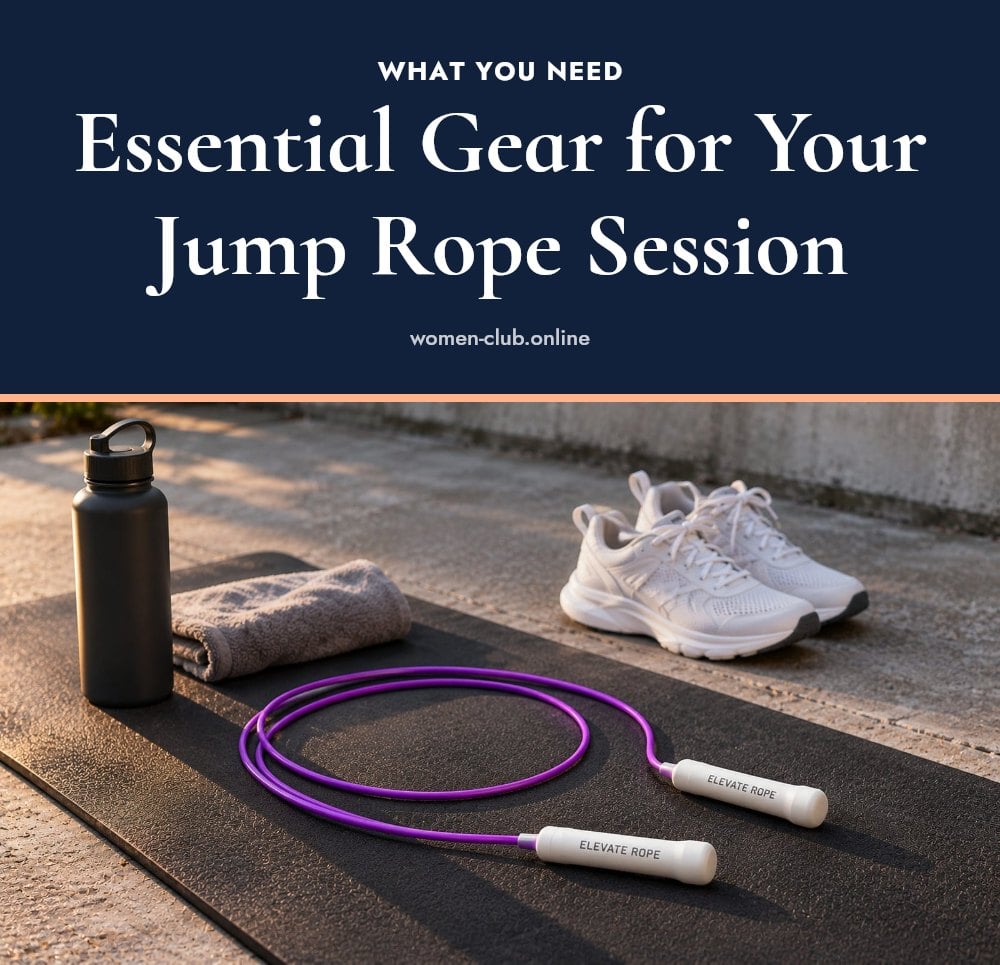
The right gear makes a real difference in your jump rope workouts. A properly sized rope is essential for good form. To check yours, stand on the middle of the rope and pull the handles straight up. They should reach your armpits. A rope that is too long or too short will force you to adjust your posture and rhythm.
Supportive athletic shoes are non-negotiable. They absorb the impact from each landing and protect your feet and ankles. Avoid barefoot or minimalist shoes for jumping. An optional workout mat can provide a softer landing surface if you are on a hard floor, which helps reduce joint stress and also protects the rope from wear.
Your Weekly 10-Minute Jump Rope Plan
Consistency is more important than duration. Aim for 3 to 5 sessions per week, with at least one rest day between workouts. Start with the intervals listed in the exercises above: 30 seconds of jumping followed by 30 seconds of rest, repeated for a total of 10 minutes.
| Week | Jump Interval | Rest Interval |
|---|---|---|
| 1-2 | 30 seconds | 30 seconds |
| 3-4 | 45 seconds | 30 seconds |
| 5+ | 60 seconds | 30 seconds |
As your stamina improves, gradually increase the jumping time while keeping the rest the same. Listen to your body. If you feel sharp pain or unusual fatigue, take an extra rest day. Progress will come faster when you stay consistent and avoid overdoing it.
Frequently Asked Questions
How long should a beginner jump rope?
Start with short intervals of 30 seconds of jumping followed by 30 seconds of rest, for a total of 10 minutes. This approach helps you build stamina without overdoing it. As you get comfortable, you can gradually increase the work intervals or the total session length.
Can jumping rope help with weight loss?
Jumping rope can burn a significant number of calories in a short time, which may support weight loss as part of a balanced routine. However, results depend on your overall diet and activity level. It is not a quick fix, but it can be an effective tool when combined with healthy habits.
What kind of jump rope is best for beginners?
A basic adjustable jump rope is a good starting point because you can size it to your height. Look for a rope that is lightweight and easy to turn. Avoid ropes with heavy handles or beads until you have mastered the basic bounce.
Is jumping rope bad for your knees?
Jumping rope is generally considered lower impact than running when proper technique is used, such as landing softly on the balls of your feet with bent knees. However, if you have existing knee issues, consult a doctor before starting. Stop immediately if you feel sharp or persistent pain.
How often should I jump rope for fitness?
Aim for 3 to 5 sessions per week, with at least one rest day between workouts. Consistency is more important than duration. This frequency allows your body to adapt and recover while building endurance and coordination over time.
Final Thoughts
My tip for sticking with it is to treat those 10 minutes as non-negotiable, like brushing your teeth. Expect to see noticeable gains in stamina and coordination within a few weeks if you stay consistent. Keep it simple, listen to your body, and enjoy the fact that you just got a solid workout in less time than it takes to find a parking spot at the gym.
This article is for general informational purposes only and does not constitute medical or professional advice. Always consult a doctor before starting any new exercise regimen, especially if you have pre-existing health conditions, joint issues, or are pregnant. If you experience pain or discomfort, stop and seek professional guidance.








