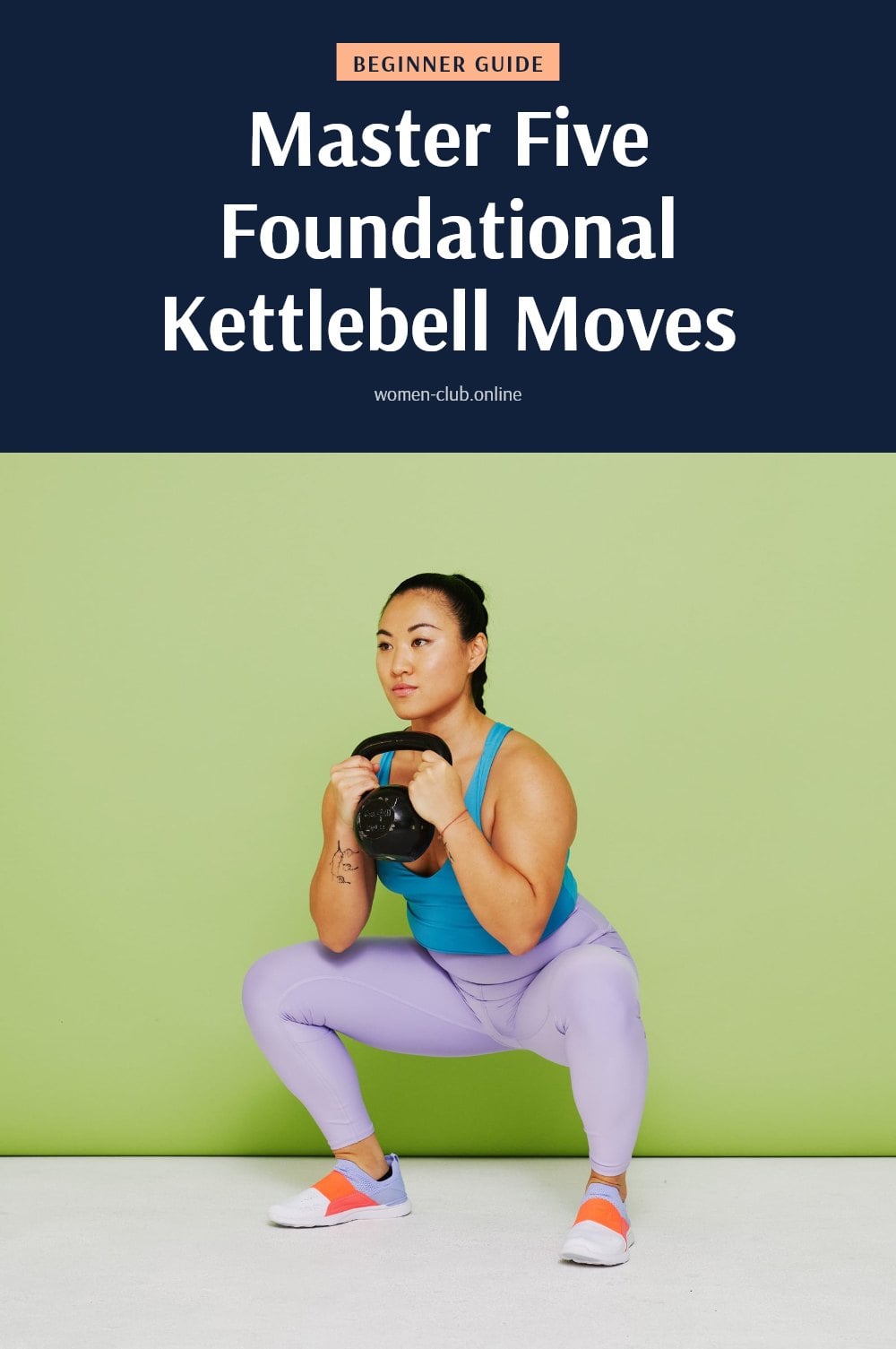
If you are looking for a way to build strength, endurance, and power all at once, a kettlebell might be exactly what you need. This single piece of equipment challenges your whole body with compound movements that work multiple muscle groups at the same time. In this article, I cover five foundational kettlebell exercises you can master first, plus tips on proper form and common mistakes to avoid.
Key Takeaways
- Start with an 8kg or 12kg kettlebell to master form before increasing weight.
- Master the hip hinge before attempting kettlebell swings or deadlifts.
- Engage your core throughout every exercise for stability and injury prevention.
- Aim for 2 to 3 kettlebell workouts per week for consistent progress.
- Stop immediately if you feel sharp pain and consult a healthcare professional.
Why Kettlebells Are a Game-Changer for Women’s Fitness
Kettlebells are cast iron or steel balls with a handle, originally from Russia, and they deliver a unique full-body workout for strength, endurance, and power. Their offset shape challenges your body differently than dumbbells or barbells, forcing your stabilizer muscles to work harder. The focus on compound, ballistic movements like the swing builds explosive power while engaging your glutes, hamstrings, core, and shoulders all at once.
Essential Gear for Your Kettlebell Workouts
You don’t need much to start. Grab a cast iron or steel kettlebell, for most women, an 8kg or 12kg weight lets you master form without straining. Wear comfortable athletic clothing and supportive athletic shoes for stability during dynamic moves. Keep a towel and water bottle nearby to stay hydrated.
Step-by-Step: Mastering the Kettlebell Swing
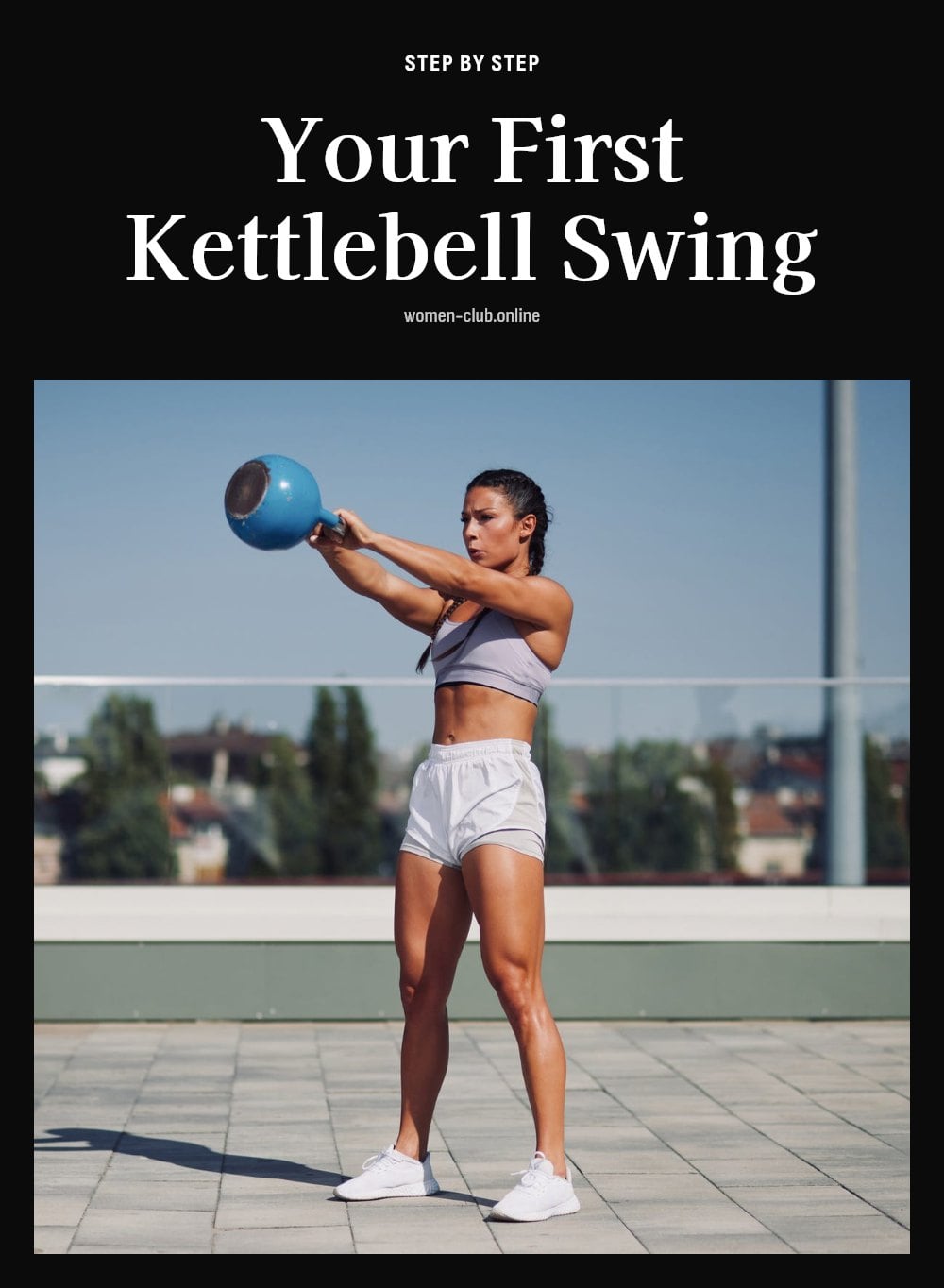
- Master the hip hinge: Stand with feet hip-width apart, kettlebell on the floor in front of you. Push your hips back, keeping your back straight and core engaged, until your torso is nearly parallel to the ground. Your shins should stay vertical. This hinge is the foundation of the swing.
- Set your grip: Hinge again and grasp the kettlebell handle with both hands. Pull your shoulders back and down, and keep your neck neutral, don’t look up.
- Generate power from your hips: Drive your hips forward explosively, squeezing your glutes at the top. The kettlebell should float up to chest height from the momentum of your hips, not from lifting with your arms. Your arms are just ropes; the power comes from your lower body.
- Control the descent: Let the kettlebell drop back down as you hinge your hips again, keeping your core tight and spine neutral. The bell should swing between your legs, not below your knees. Repeat for 10-15 reps, exhaling as you drive your hips forward.
Caution: If you feel your lower back rounding or your arms doing the work, stop and reset with a lighter weight. The swing is hip-driven, and poor form can strain your spine.
1. The Goblet Squat: Building Lower Body Strength
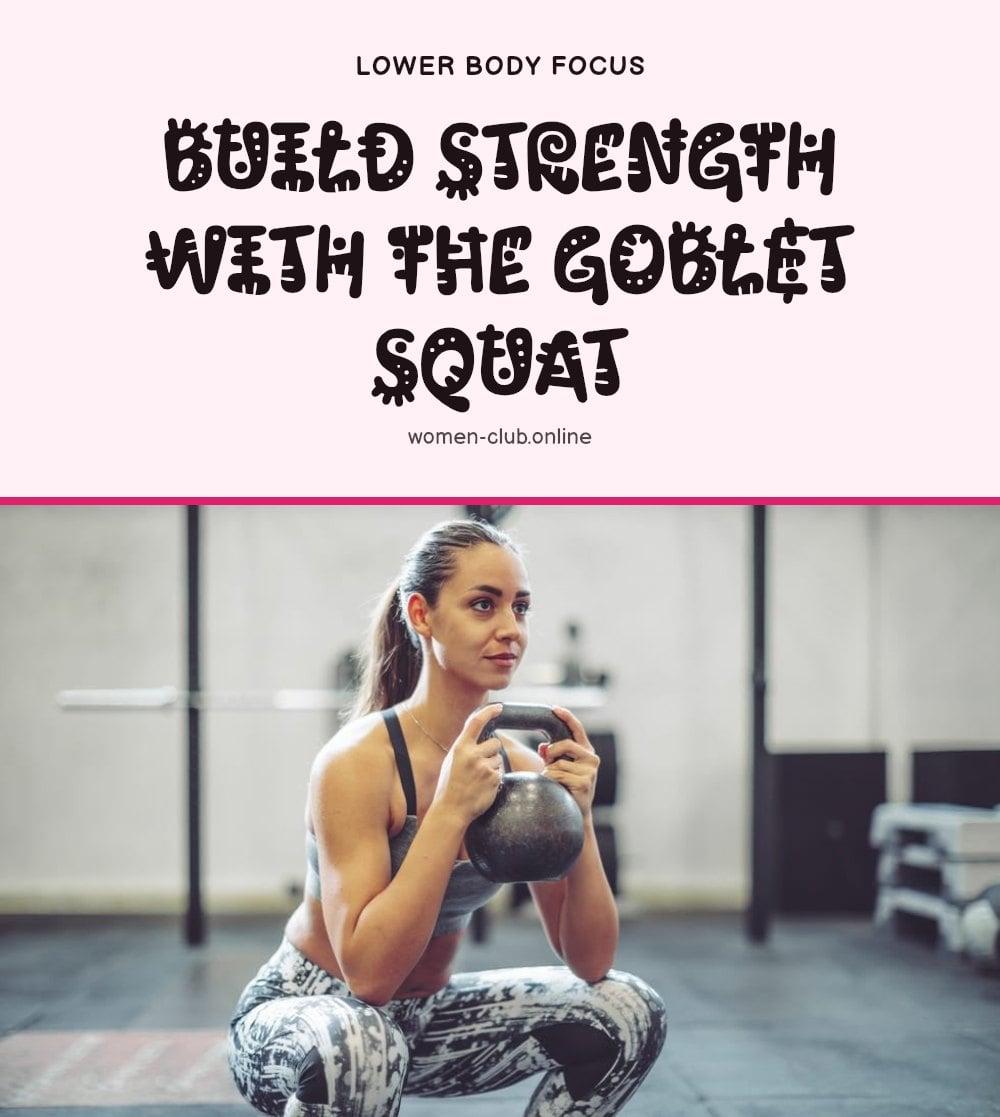
Hold the kettlebell by the horns (the sides of the handle) close to your chest, elbows pointing down. Keep your chest up and elbows inside your knees as you squat down. Focus on a deep squat, aim to get your hips below your knees, while maintaining core stability and a straight back. Drive through your heels to stand up, squeezing your glutes at the top.
2. Kettlebell Deadlift: Perfecting Your Hip Hinge
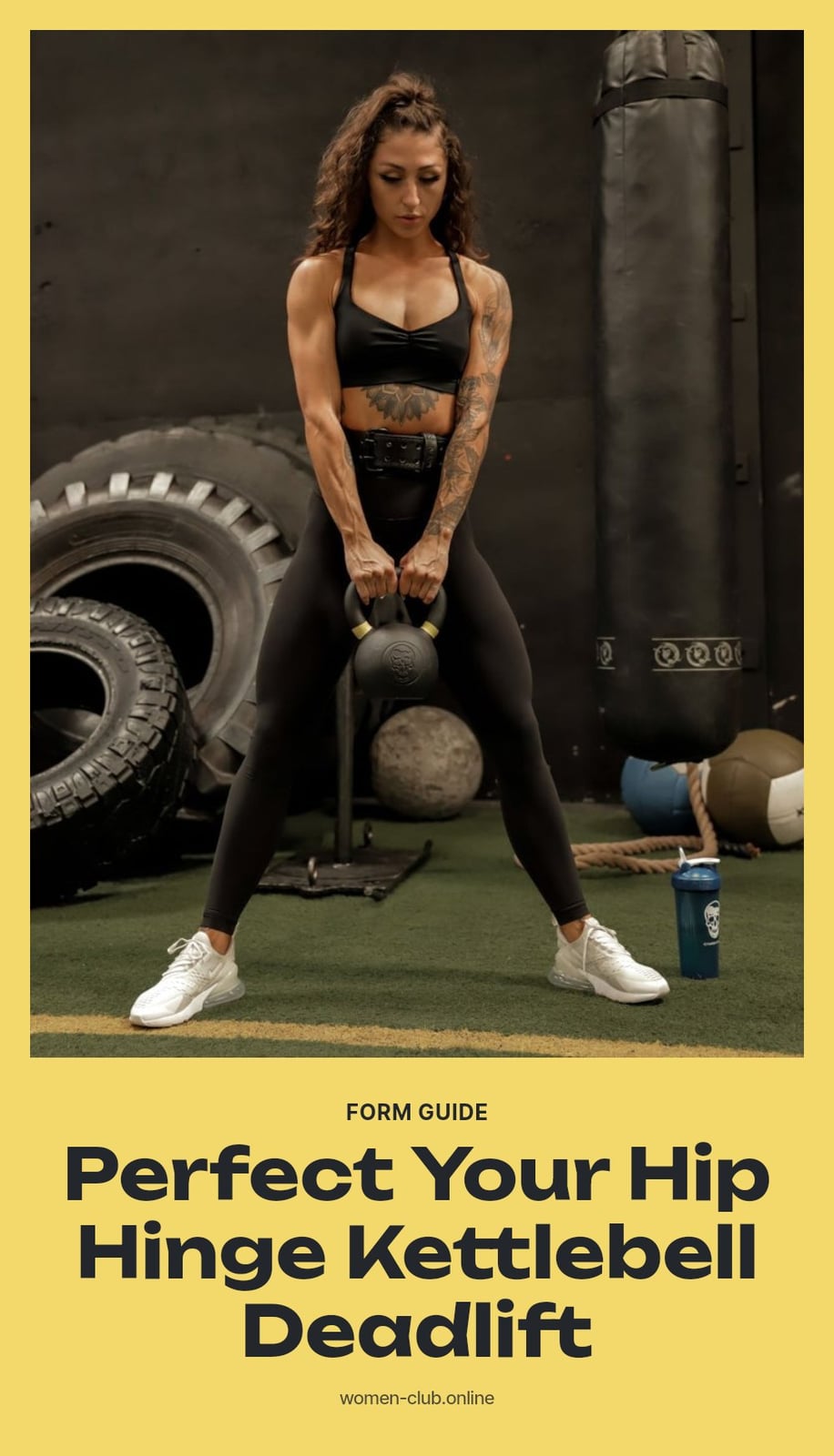
Push your hips back: Start with feet hip-width apart, the kettlebell on the floor between your feet. Hinge at your hips, pushing them back as if closing a car door with your glutes. Keep your back completely flat and your core braced.
Grip the kettlebell: Reach down with a straight back and grasp the handle with both hands. Your shoulders should be directly over the kettlebell, and your shins should be nearly vertical.
Drive through your heels: Press your feet into the floor and stand up by driving your hips forward, not by pulling with your arms. Squeeze your glutes at the top and keep your core engaged throughout. Lower the kettlebell back to the floor by pushing your hips back again.
3. Kettlebell Press: Strengthening Your Upper Body
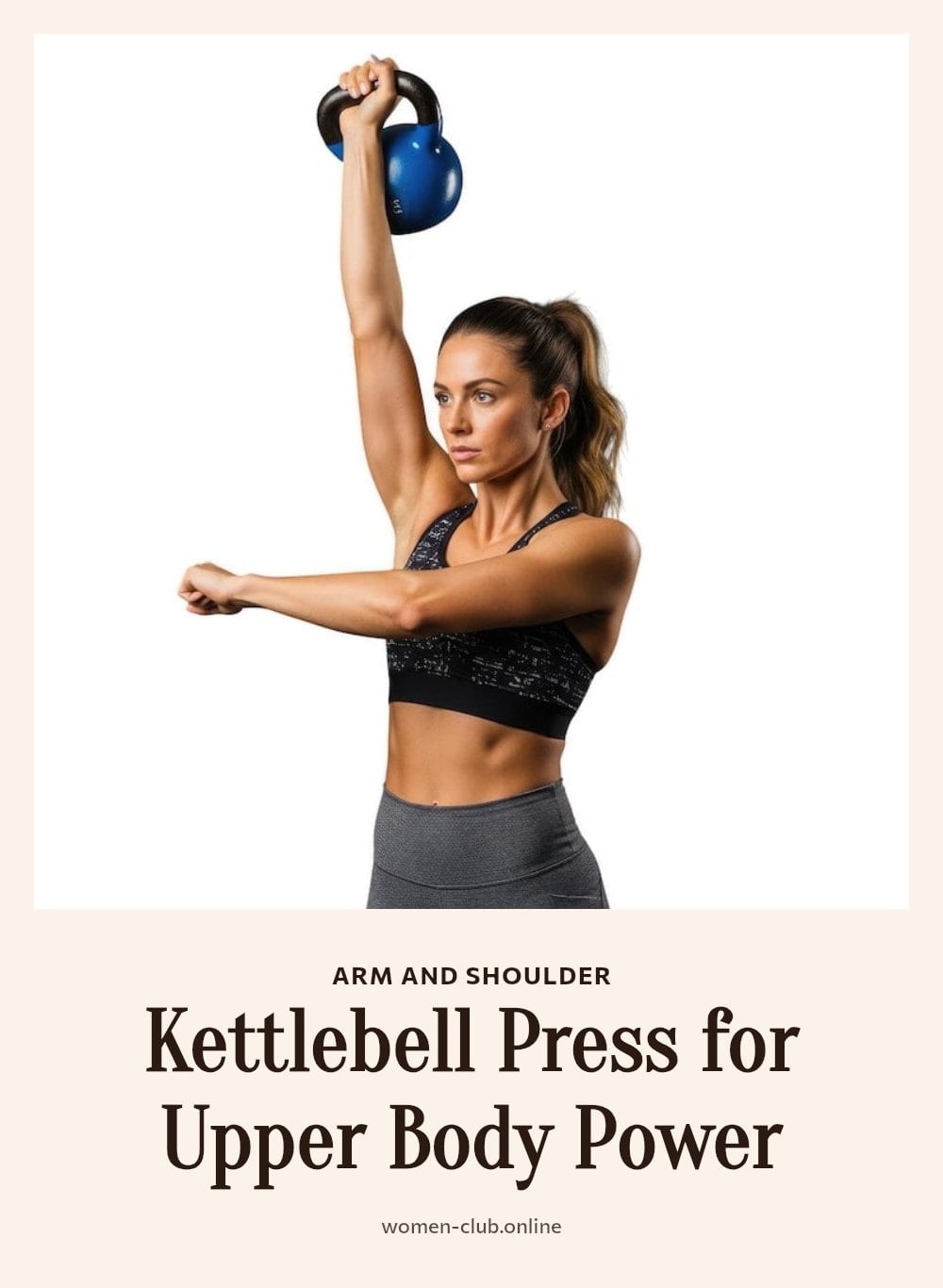
Get into the racked position: Hold the kettlebell close to your shoulder with the handle resting diagonally across your palm. The bell should sit against the outside of your forearm, and your elbow should be tucked in toward your ribs.
Press overhead with control: Brace your core and squeeze your glutes. Press the kettlebell straight up, keeping your wrist neutral and your bicep close to your ear at the top. Do not lean away from the weight.
Lower slowly: Reverse the movement with control, bringing the kettlebell back to the racked position. Keep your core engaged the entire time to protect your lower back. Exhale as you press up, inhale as you lower.
4. The Kettlebell Clean: Transitioning with Power
Set up for the clean: Start in your hip hinge stance with the kettlebell on the floor between your feet. Grip the handle with one hand, keeping your other hand out of the way. Your back must stay flat.
Drive with your hips: Explosively extend your hips, just like in a swing, to propel the kettlebell upward. The power comes from your glutes and hamstrings, not your arm. Let the kettlebell float up toward your shoulder.
Rotate and catch: As the kettlebell rises, rotate your hand around the handle so your palm faces you. Let the bell wrap around your forearm and land gently in the racked position at your shoulder. Your elbow should be tucked, and the kettlebell should rest against your forearm and chest.
Caution: Do not let the kettlebell slam into your wrist. Practice with a light weight until the rotation feels smooth. This is an advanced move, so master the swing and deadlift first.
Common Kettlebell Mistakes to Avoid
Using your arms instead of your hips: The kettlebell swing is a hip-driven movement, not an arm raise. If your arms are doing the work, you are losing power and straining your shoulders. Focus on snapping your hips forward to generate momentum.
Rounding your back: A rounded back during deadlifts or swings puts dangerous stress on your spine. Keep your chest proud and your shoulders back throughout every rep. If you cannot maintain a flat back, use a lighter kettlebell.
Choosing a weight that is too heavy: Lifting too heavy is the fastest way to lose form and get hurt. Start with an 8kg or 12kg kettlebell, even if you feel strong. Master the movement pattern before adding weight.
Neglecting your core: Your core should be braced like a punch is coming during every exercise. A loose core means less stability, less power, and a higher risk of back injury. Exhale on the exertion, inhale on the return.
When to Seek Professional Guidance
Before starting any kettlebell program, check with a healthcare professional, especially if you have back, joint, or heart concerns. Stop immediately if you feel sharp pain during an exercise. That is not normal muscle fatigue. Consider working with a certified kettlebell coach for at least a few sessions. Proper technique is the best way to prevent injury and get real results from your workouts.
Frequently Asked Questions
What size kettlebell should a beginner woman use?
For most women starting out, an 8kg or 12kg kettlebell is a good choice. This weight range lets you focus on proper form without straining. If you are already active and have some strength, you might start with 12kg, but it is better to go lighter and master the movements first.
How often should I do kettlebell workouts?
Aim for 2 to 3 kettlebell workouts per week to allow your body time to recover between sessions. Consistency matters more than frequency, so stick with a schedule that feels sustainable. You may start to see improvements in strength and endurance within a few weeks.
Can kettlebells help with weight loss?
Kettlebell training can support weight loss as part of a balanced routine. The ballistic movements and compound exercises burn a lot of calories and build muscle, which can increase your metabolism over time. For best results, combine it with a healthy diet and other forms of physical activity.
Is kettlebell training good for abs?
Yes, kettlebell exercises engage your core extensively. Moves like the swing, goblet squat, and press all require you to brace your core for stability and power. While no single exercise targets abs exclusively, consistent kettlebell work can strengthen your entire midsection.
Final Thoughts
My tip: pick one move, like the kettlebell deadlift, and practice it until your hip hinge feels natural before adding others. You may start to notice improvements in strength and endurance within a few weeks if you stay consistent with 2 to 3 sessions per week. Focus on controlled, quality reps over speed or heavy weight, and your body will thank you.
This article is for general informational purposes only and does not constitute medical or professional advice. Before starting any new exercise program, especially if you have pre-existing health conditions, consult a healthcare professional. Stop immediately if you experience sharp pain and seek guidance from a certified coach or doctor.