
If you’re holding onto something that no longer serves you, you already know how heavy that weight can feel. Letting go isn’t about forgetting or pretending it didn’t happen; it’s an active process of releasing emotional attachment so you can move forward with more peace. In this article, I’ll walk you through gentle, practical steps to help you release past hurts, understand the role of forgiveness, and find tools that actually support your healing.

Key Takeaways
- Letting go means releasing emotional attachment, not forgetting or condoning what happened.
- Acknowledge and validate your emotions instead of suppressing them.
- Forgiveness is about freeing yourself, not excusing harmful behavior.
- Mindfulness and gratitude help shift focus from past negativity to the present.
- Seek professional support if you feel overwhelmed or unable to function.
What Does ‘Letting Go’ Truly Mean?
Letting go is an active process of releasing emotional attachment to past events, people, or outcomes. It means accepting what happened and detaching from the negative emotions tied to it, not forgetting or condoning. This journey involves self-reflection, emotional processing, and a conscious shift in perspective to create space for new growth.
Tools and Support for Your Letting Go Journey
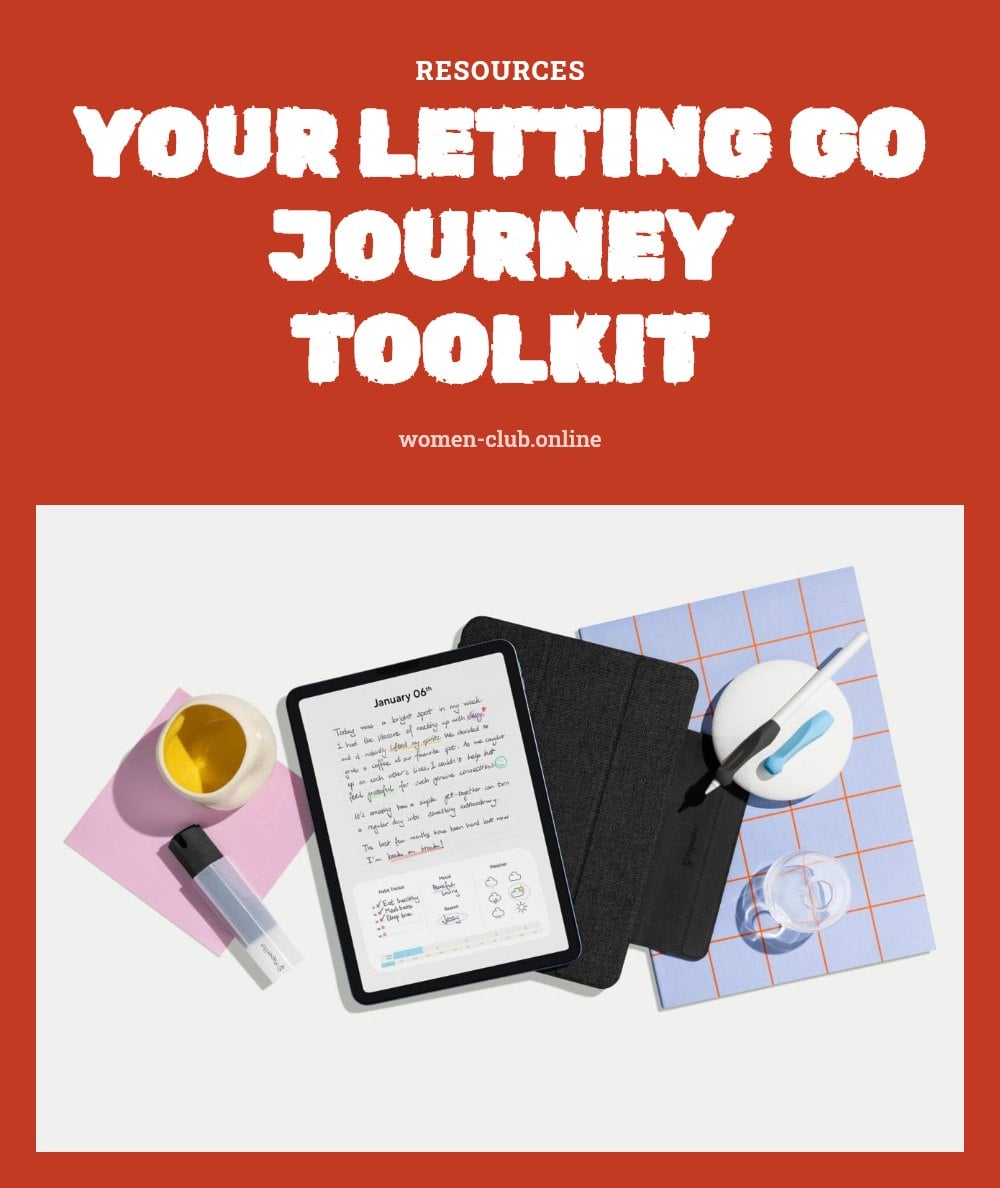
Having the right tools can make the process of letting go more manageable. Here are a few I recommend keeping close:
- Journal or notebook: Writing helps you process emotions and gain perspective on your experiences.
- Meditation app or guide: Guided sessions can support mindfulness and keep you grounded in the present.
- Support group: Connecting with others who understand provides shared experiences and reduces isolation.
- Therapist or counselor: Professional guidance is especially helpful when trauma or deep-seated patterns are involved.
Gentle Steps to Practice Letting Go

- Acknowledge your feelings: Name the emotions you’re experiencing without judgment. Sadness, anger, or disappointment are all valid. Let yourself feel them fully before moving on.
- Identify what you can control: Make a mental or written list of what is within your power now and what is not. Release the things outside your control.
- Practice self-compassion: Be kind to yourself during this process. Letting go is hard, and you deserve patience and understanding from yourself.
- Focus on lessons learned: Ask yourself what this experience taught you about your needs, boundaries, or values. Shift your attention from blame to growth.
- Engage in mindfulness: Use deep breathing or a short meditation to bring your attention back to the present moment. This reduces rumination on the past.
- Set healthy boundaries: Protect your emotional well-being by limiting contact with people or situations that trigger old hurts. You can be kind while still keeping distance.
Understanding the Role of Forgiveness in Letting Go
Understanding the Role of Forgiveness in Letting Go
Forgiveness, whether of yourself or others, is often a key component of letting go. It does not mean forgetting what happened, excusing harmful behavior, or reconciling with someone who hurt you. Instead, forgiveness is about releasing the burden of resentment for your own well-being.
Carrying resentment keeps you emotionally tied to the past. When you forgive, you choose to free yourself from that weight. This can be a gradual process, and it’s okay to take it one step at a time. My tip: Start by writing a letter you never send, expressing what you would need to release. This can help clarify your feelings without pressure to act on them.
Common Misconceptions About Letting Go
- Believing it means forgetting: Letting go is about emotional detachment, not memory loss. You can remember what happened without carrying the pain.
- Trying to force it: The process unfolds naturally; pushing too hard can be counterproductive. Allow yourself time to feel and process.
- Suppressing emotions: Ignoring pain only delays its processing. Acknowledge and feel your emotions so they can move through you.
- Expecting immediate results: It’s a journey, not a destination, and takes time. Be patient with yourself.
- Confusing forgiveness with reconciliation: Forgiveness is internal; reconciliation requires both parties. You can forgive someone without re-entering a relationship.
- Holding onto resentment: Resentment harms you, not the other person. Release it for your own peace.
Practical Tips for Cultivating Inner Peace

- Practice gratitude: Shift your focus from past negativity to present positives. Write down three things you’re grateful for each day.
- Mindfulness exercises: Use meditation or deep breathing to stay present and reduce rumination. A few minutes daily can make a difference.
- Set healthy boundaries: Protect your emotional space from new or recurring unhelpful situations. Say no when you need to.
- Seek support: Connect with trusted friends, family, or a professional when needed. You don’t have to do this alone.
- Focus on the present: Direct your energy to what you can control now, not what’s in the past. Small actions add up.
- Self-compassion: Be kind and patient with yourself, especially during challenging moments. Treat yourself as you would a good friend.
When to Seek Professional Support
If you’re overwhelmed by persistent sadness, anxiety, or difficulty functioning in daily life, it’s time to consider professional support. Past trauma can make letting go especially hard; therapy like CBT or EMDR may help. Also watch for unhealthy coping mechanisms, such as substance use or emotional eating. These are signs that professional guidance is needed.
Understanding the Timeline of Letting Go
The timeline for letting go varies greatly for each individual. It depends on the nature and depth of the past experience. A minor disappointment may take days, while a significant loss can take months or longer. Letting go is an ongoing process, not a one-time event, and you may revisit emotions as you heal.
Frequently Asked Questions
How long does it take to let go of something?
The timeline varies greatly depending on the depth of the experience. A minor disappointment may take days, while a significant loss can take months or longer. Letting go is an ongoing process, not a one-time event, so try not to put pressure on yourself to heal by a certain date.
Is letting go the same as forgetting?
No, letting go is not about forgetting. You can remember what happened without carrying the pain. The goal is emotional detachment from the past event, not memory loss. It’s possible to recall an experience and still feel at peace.
Can I let go if the other person isn’t sorry?
Yes, you can absolutely let go even if the other person never apologizes or acknowledges the hurt. Forgiveness in this context is about releasing your own emotional burden, not about reconciling or waiting for an apology. Your healing does not depend on their remorse.
What if I keep replaying past events in my mind?
Rumination is common, but mindfulness practices can help you stay grounded in the present. Try a few minutes of deep breathing or a guided meditation when you notice your mind replaying the past. If the rumination persists and interferes with daily life, consider speaking with a therapist.
How can I forgive myself for past mistakes?
Self-forgiveness starts with acknowledging what happened without judgment and practicing self-compassion. Write down what you learned from the experience, then remind yourself that you did the best you could with the information you had at the time. If self-forgiveness feels impossible, a therapist can offer guided support.
Final Thoughts
My tip: Start with just one step, like naming one emotion or writing down one thing you can control today. Expect this process to take time, it’s not linear, and that’s okay. Be patient and kind to yourself as you create space for new experiences and growth.
This article is for informational purposes only and is not a substitute for professional medical or mental health advice. If you are struggling with persistent sadness, anxiety, or difficulty functioning, please consult a licensed mental health professional.








