Longevity Habits Women Can Start Today: Movement, Food and Sleep

You already know that healthy habits matter, but when it comes to living a long, vibrant life, the science is clear: what you do every day has a bigger impact than your genes. This article breaks down the most effective longevity habits for women, from movement and food to sleep and stress management, so you can start making changes today that truly add up over time.
These aren’t about perfection or extreme routines. They’re simple, science-backed steps you can weave into your real life, starting right now.

Key Takeaways
- Prioritize 7-9 hours of quality sleep each night for cellular repair and hormone regulation.
- Aim for at least 150 minutes of moderate aerobic activity plus two strength sessions per week.
- Eat a diverse plant-based diet rich in fruits, vegetables, and whole grains to reduce inflammation.
- Manage chronic stress with techniques like meditation, deep breathing, or time in nature.
- Nurture strong social connections; they are linked to better health and a longer lifespan.
What are the Most Important Longevity Habits?
Longevity isn’t just about adding years to your life; it’s about living those years with vitality and good health. While genetics play a role, your daily habits have a powerful influence on how well you age. For women, the most impactful habits include consistent physical activity, eating nutrient-dense foods, prioritizing 7-9 hours of quality sleep, managing stress effectively, and nurturing strong social connections. These five pillars work together to support your body and mind for the long haul.
1. Prioritize 7-9 Hours of Quality Sleep

My tip: Make sleep non-negotiable. Aim for 7-9 hours of quality sleep every night. This isn’t just about feeling rested; it’s when your body repairs cells, regulates hormones, and consolidates memories.
Consistent sleep supports cognitive function and reduces the risk of chronic diseases. Create a relaxing bedtime routine to signal to your body it’s time to wind down.
- Keep your bedroom cool, dark, and quiet.
- Avoid screens for at least 30 minutes before bed.
- Try a warm bath or gentle stretching to relax.
2. Eat a Diverse Plant-Based Diet

Focus on a diet rich in whole, unprocessed foods, especially a wide variety of fruits, vegetables, and whole grains. These provide essential nutrients, antioxidants, and fiber that support cellular health and reduce inflammation.
Limit highly processed foods, sugary drinks, and excessive red meat. Think of your plate as a rainbow. The more colors, the more diverse the nutrients you’re getting.
- Fill half your plate with vegetables and fruit at each meal.
- Choose whole grains like quinoa, oats, or brown rice.
- Swap sugary drinks for water or herbal tea.
3. Move Your Body Daily

Incorporate at least 150 minutes of moderate-intensity aerobic activity or 75 minutes of vigorous-intensity activity per week. This can be brisk walking, dancing, swimming, or cycling.
Regular movement reduces the risk of chronic diseases and boosts cardiovascular health. Even short bursts of activity throughout the day, like taking the stairs or walking during breaks, add up.
- Aim for 30 minutes of brisk walking, 5 days a week.
- Try dancing or cycling for a fun cardio workout.
- Take a 5-minute walk after meals to improve circulation.
4. Include Strength Training Regularly
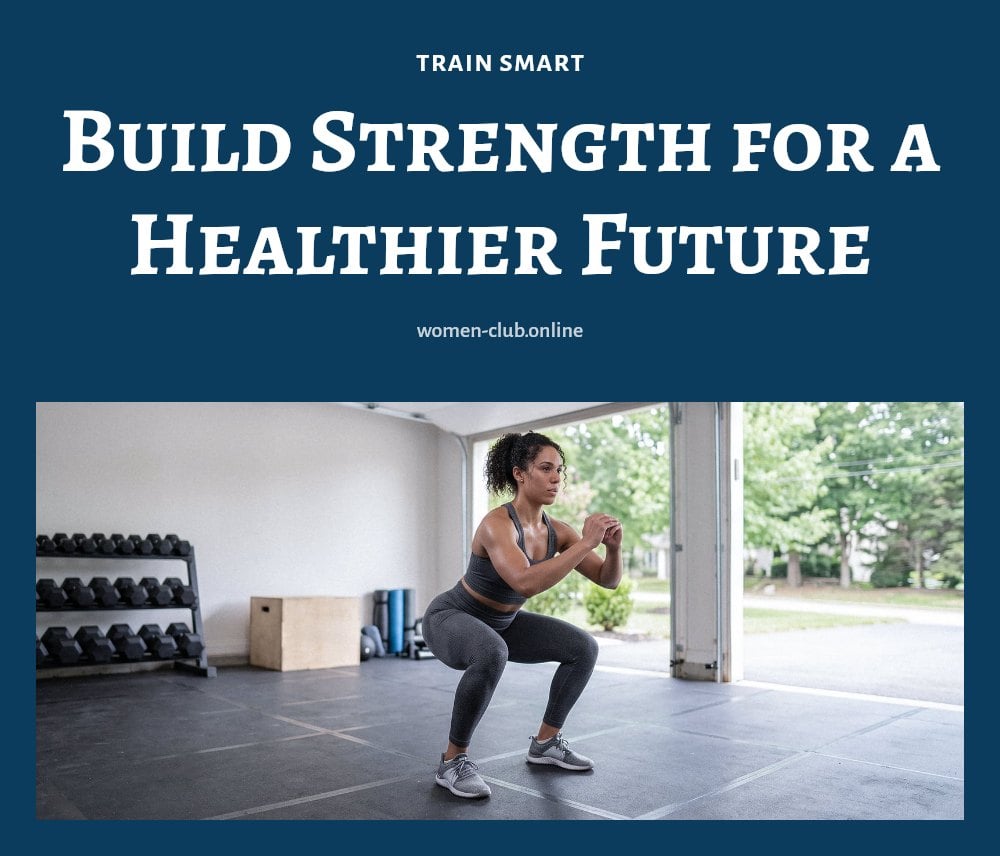
Don’t skip strength training. Aim for at least two sessions per week that work all major muscle groups. You don’t need a gym membership; bodyweight exercises like squats and push-ups, resistance bands, or light weights are effective.
Building and maintaining muscle mass is critical for bone density, a healthy metabolism, and staying functionally independent as you age. It directly helps prevent age-related decline. My tip: Start with two 20-minute sessions a week and gradually increase the weight or repetitions as you get stronger.
5. Manage Stress Effectively

Chronic stress can accelerate cellular aging and impact nearly every bodily system. My tip: Find what works for you, whether it’s meditation, deep breathing exercises, yoga, or spending time in nature. Prioritizing stress reduction is not a luxury; it’s a fundamental aspect of longevity. Dedicate time each day to activities that calm your mind and body.
6. Nurture Strong Social Connections
Strong social ties are linked to better mental and physical health and increased lifespan. Make time for friends, family, and community activities a regular part of your week. Don’t isolate yourself; maintaining meaningful relationships provides emotional support, reduces feelings of loneliness, and keeps your mind engaged. Connection is powerful medicine for both your body and brain.
Tip: Schedule a weekly phone call or coffee date with a close friend. Even a short, consistent check-in can strengthen your bond and boost your mood.
7. Stay Adequately Hydrated

Hydration supports every system in your body, from nutrient transport to temperature regulation. Drink water consistently throughout the day, not just when you feel thirsty. Thirst is already a late signal that you’re behind.
Tip: Keep a water bottle on your desk or in your bag as a visual reminder. Proper hydration boosts your energy, sharpens focus, and helps your skin stay plump and healthy. Aim for small sips regularly rather than chugging large amounts at once.
8. Engage Your Mind Continually
Keep your brain active to support cognitive longevity. Learn a new language, read challenging books, solve puzzles, or pick up a hobby like painting or playing an instrument. Mentally stimulating activities build cognitive reserves that help maintain brain health as you age.
Tip: Choose one new skill to practice for 15 minutes each day. The novelty and challenge push your brain to form new connections, which is key for long-term mental sharpness.
9. Maintain a Healthy Weight
Maintaining a healthy weight reduces your risk of heart disease, type 2 diabetes, and certain cancers. This isn’t about restrictive dieting or quick fixes. It’s about finding a sustainable balance through consistent healthy eating and regular physical activity that fits your life.
Tip: Focus on whole foods and portion sizes you can maintain long term. Small, steady changes are more effective than extreme measures for lasting weight management.
10. Get Regular Health Screenings
Preventative care and regular health screenings are crucial for catching potential issues early. Don’t skip annual physicals, mammograms, or other recommended check-ups. Early detection often leads to more effective treatment and better long-term outcomes.
Caution: Schedule your screenings as soon as they are due. If you have symptoms or concerns between appointments, see your doctor promptly. Delaying can allow conditions to progress.
11. Spend Time in Nature
Spending time outdoors can improve your mood, reduce stress, and support your immune system. Aim to get outside daily, even for a short walk. A park, a garden, or a quiet spot in your backyard all count.
Tip: Leave your phone inside and focus on the sights and sounds around you. This simple practice can lower cortisol levels and help you feel more grounded, supporting both mental and physical well-being.
Common Mistakes to Avoid on Your Longevity Journey
Believing genetics are everything: Your DNA is not your destiny. Daily choices like what you eat and how you move have a powerful impact on your health and lifespan. Don’t underestimate the influence you have.
Focusing on unsustainable extremes: Crash diets and punishing workout regimens rarely last. Consistency with moderate, enjoyable habits is far more effective for long-term results. Aim for habits you can keep up for life.
Neglecting sleep: Many people treat sleep as optional, but it is foundational for cell repair, hormone balance, and cognitive function. Prioritize 7-9 hours just as much as your diet and exercise routine.
Underestimating chronic stress: Low-level, persistent stress can silently damage your health over time. Actively incorporate stress management techniques like deep breathing, meditation, or time in nature into your daily routine.
Viewing healthy living as deprivation: Longevity is not about suffering. It is about mindful choices that nourish your body and mind while allowing for flexibility and enjoyment. A balanced approach is sustainable.
Waiting for a health crisis: Do not wait for a warning sign to start healthy habits. The earlier you begin, the greater the cumulative benefits for your long-term vitality. Start with one small change today.
Frequently Asked Questions
How quickly can I see results from longevity habits?
Many habits, like better sleep or a short walk, can boost your mood and energy within days. Deeper changes in your health, such as improved cardiovascular fitness or reduced inflammation, typically become noticeable over weeks to months of consistent practice. Long-term benefits accumulate over years.
Are genetics more important than lifestyle for longevity?
No, your daily choices have a powerful influence on how well you age. While your DNA sets a baseline, lifestyle factors like diet, exercise, sleep, and stress management play a major role in your healthspan and lifespan. You have more control than you might think.
What is the single most important longevity habit?
There is no single most important habit, but quality sleep is foundational. It supports cellular repair, hormone balance, and cognitive function, and it makes it easier to stick with healthy eating, exercise, and stress management. If you can only focus on one thing, start with sleep.
Can I still improve my longevity if I start later in life?
Absolutely. It is never too late to adopt healthy habits. Even small changes made in your 50s, 60s, or beyond can improve your quality of life, reduce your risk of chronic disease, and add healthy years to your life. Consistency matters more than when you start.
How do I stay motivated to maintain longevity habits?
Focus on how the habits make you feel in the short term, like more energy, better mood, or improved sleep. Set small, achievable goals and track your progress. Pairing a new habit with an existing routine, like a walk after breakfast, helps it stick. Remember, consistency beats perfection.
Final Thoughts
Start with one habit that feels manageable, maybe a 10-minute walk after dinner or swapping one sugary drink for water. Consistency matters far more than intensity. Over weeks and months, these small choices build into real, lasting improvements in how you feel and how your body ages.
Longevity isn’t about a strict list of rules. It’s about creating a lifestyle that supports your health and happiness for the long haul. Pick one step and begin today.
This article is for informational purposes only and does not constitute medical advice. Always consult with a healthcare professional before starting a new exercise program, making significant dietary changes, or taking supplements, especially if you have underlying health conditions or are on medication.








