Meditation When Your Mind Won’t Stop: Practical Tips for Women

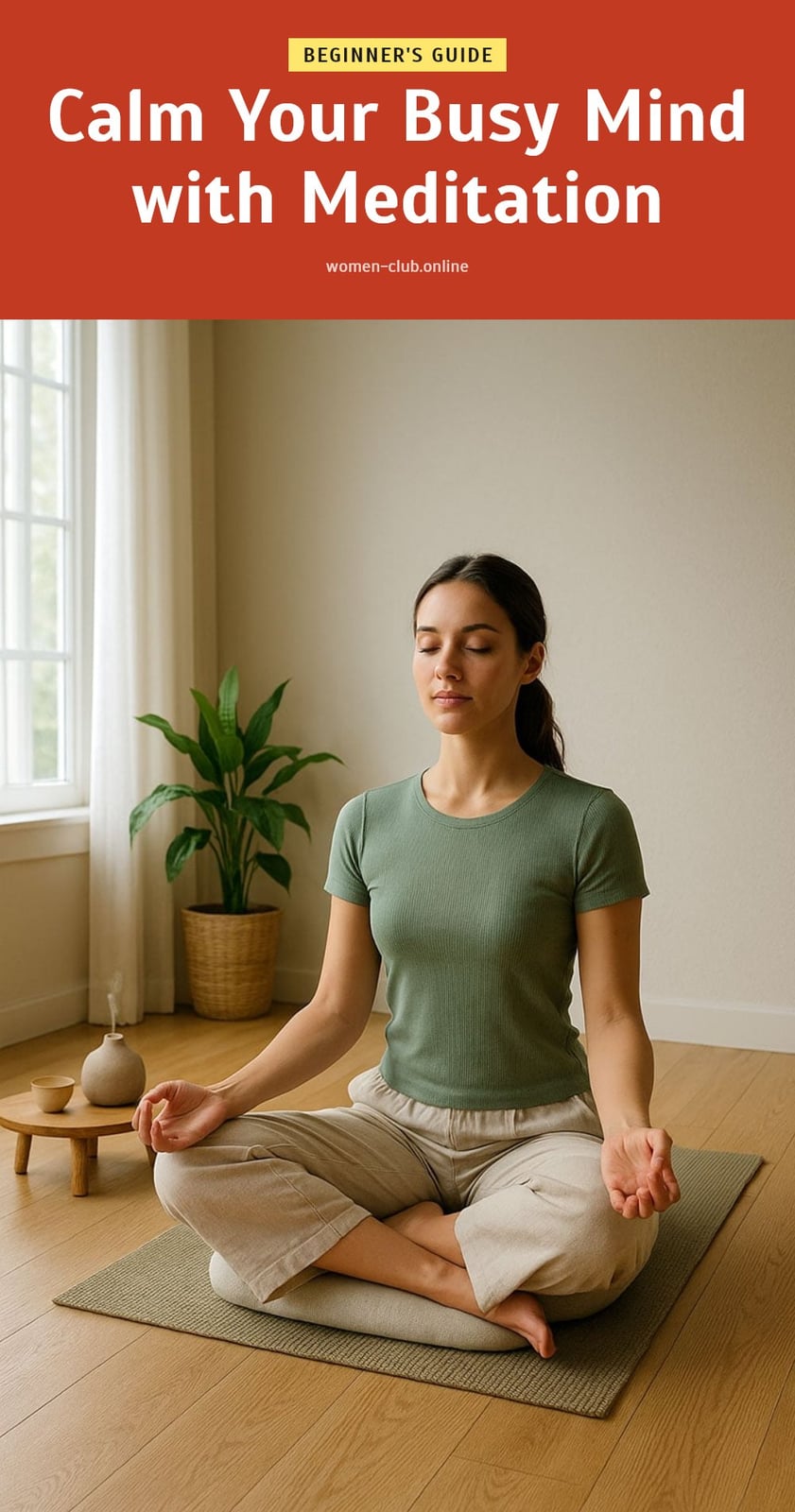
If your mind races the moment you sit down to meditate, you are not alone. Many women assume meditation means forcing an empty mind, but the real practice is about training your attention, not silencing your thoughts. This article covers practical, beginner-friendly ways to start meditating even with a busy mind, from choosing a simple anchor to staying consistent with short sessions.
Key Takeaways
- Start with just 2 to 5 minutes of daily meditation; consistency matters more than session length.
- Choose a single anchor like your breath or a body sensation to return to when your mind wanders.
- Gently acknowledge wandering thoughts without judgment, then redirect your focus to your anchor.
- Guided meditations can provide structure and help you feel confident in your practice.
- Benefits like reduced stress and improved focus typically appear after weeks to months of consistent practice.
How to Start Meditating Even with a Busy Mind
If you think meditation requires an empty mind, you can let that idea go right now. Meditation is actually about training your attention, not stopping your thoughts. Start with short, consistent sessions, just 2 to 5 minutes, focusing on your breath or a guided meditation. When your mind wanders (and it will), gently redirect your attention back without judging yourself. That redirection is the practice.
1. Start Small, Stay Consistent
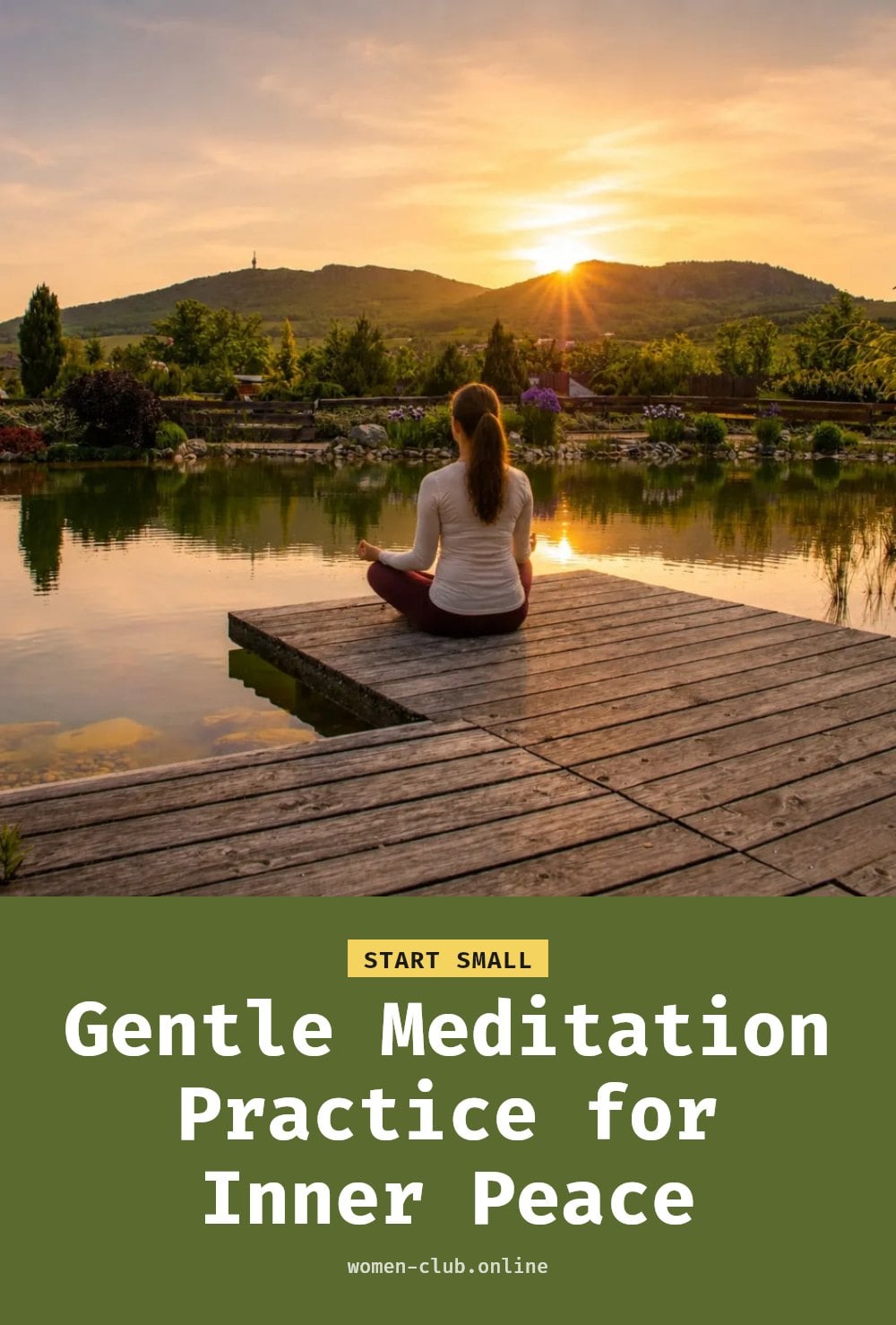
Begin with just 2 to 5 minutes of meditation daily. Consistency matters far more than session length when you are building a new habit. A short daily sit trains your brain to settle faster than a long session once a week.
- Set a timer: Use your phone or a meditation app so you are not checking the clock.
- Pick a trigger: Meditate right after brushing your teeth or before your morning coffee.
- Increase slowly: Once 5 minutes feels easy, add 1 to 2 minutes at a time.
2. Find Your Comfortable Posture
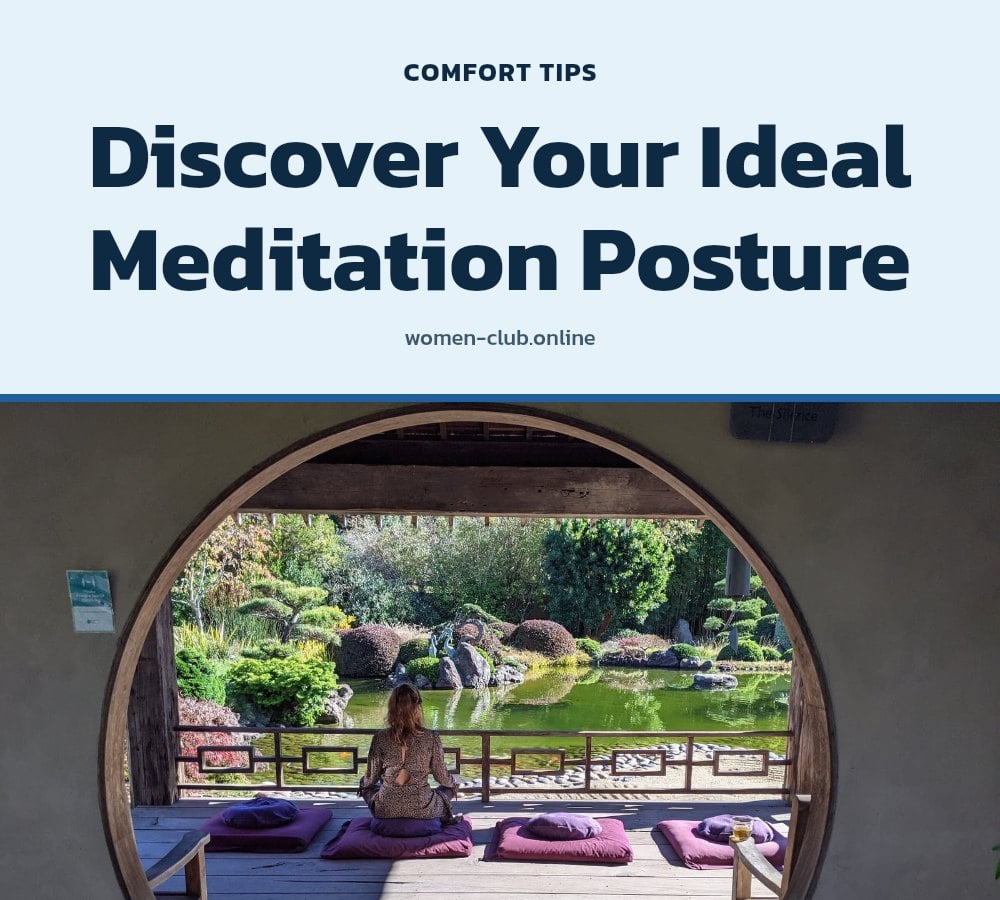
Your posture should keep you alert yet relaxed. Sit on a cushion, a chair, or even lie down, but keep your spine comfortably straight. A slumped position invites drowsiness, while a rigid one causes pain, both pull your focus away from your practice.
- Sitting on a cushion: Cross your legs loosely and place a cushion under your hips to tilt your pelvis forward.
- Using a chair: Sit with your feet flat on the floor and your hands resting on your thighs.
- Lying down: Bend your knees slightly to relieve lower back pressure and stay awake.
3. Choose a Simple Anchor
An anchor is a single point of focus that gives your busy mind something to return to. The most common anchor is your breath: notice the sensation of air entering your nostrils and leaving your mouth. You can also choose a body sensation, like the feeling of your hands resting on your thighs, or repeat a simple mantra such as “peace” or “calm.” Whenever your thoughts drift, gently come back to that anchor.
4. Gently Redirect Wandering Thoughts
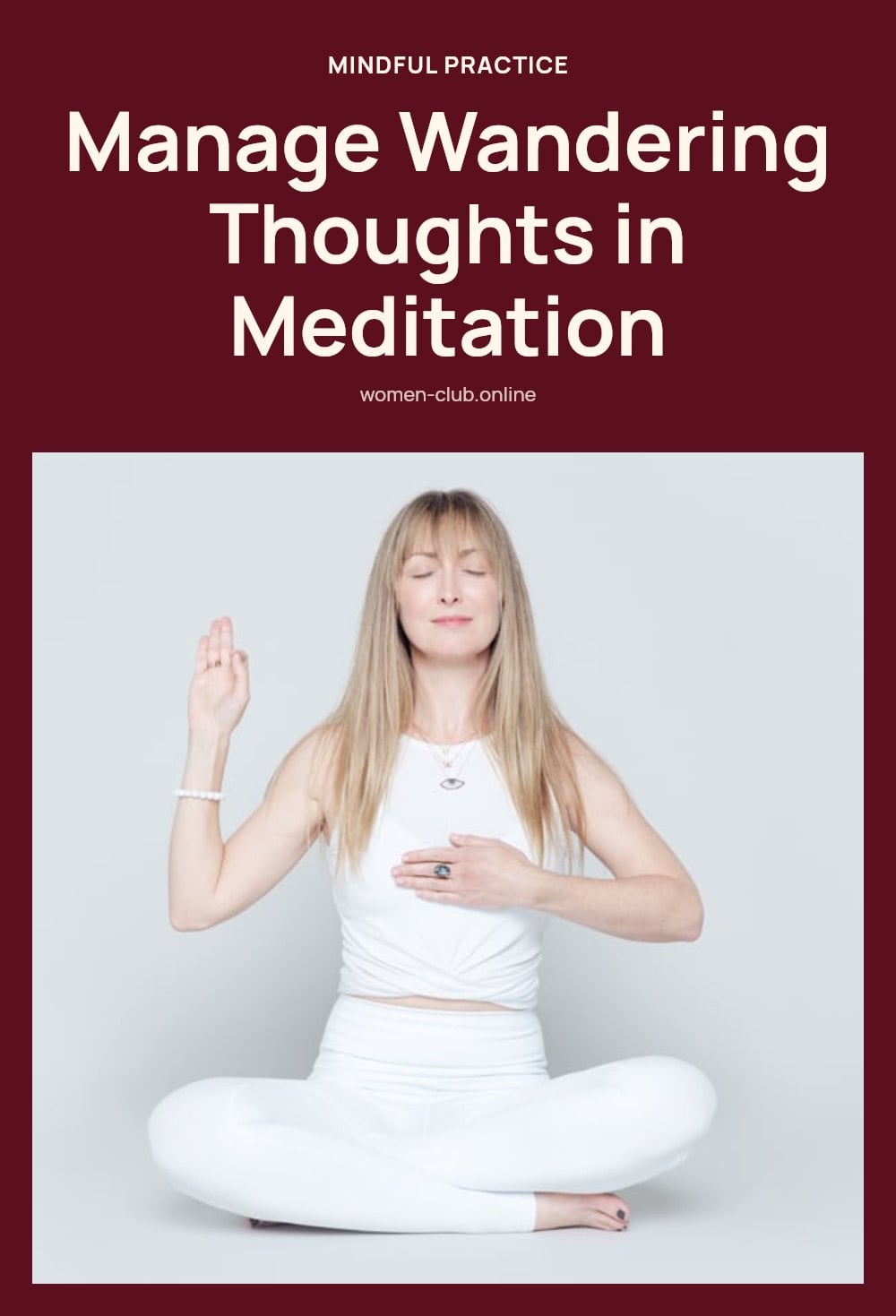
Your mind will wander. This is normal and part of the practice. When you notice your attention has strayed to a thought, a sound, or a to-do list, simply acknowledge it without judgment. A neutral mental note like “thinking” can help.
- Acknowledge gently: Label the thought briefly, then release it.
- Return kindly: Bring your focus back to your anchor, your breath, a mantra, or a body sensation.
- Repeat without frustration: Each redirection strengthens your attention muscle, just like a bicep curl for the mind.
5. Embrace Guided Meditations
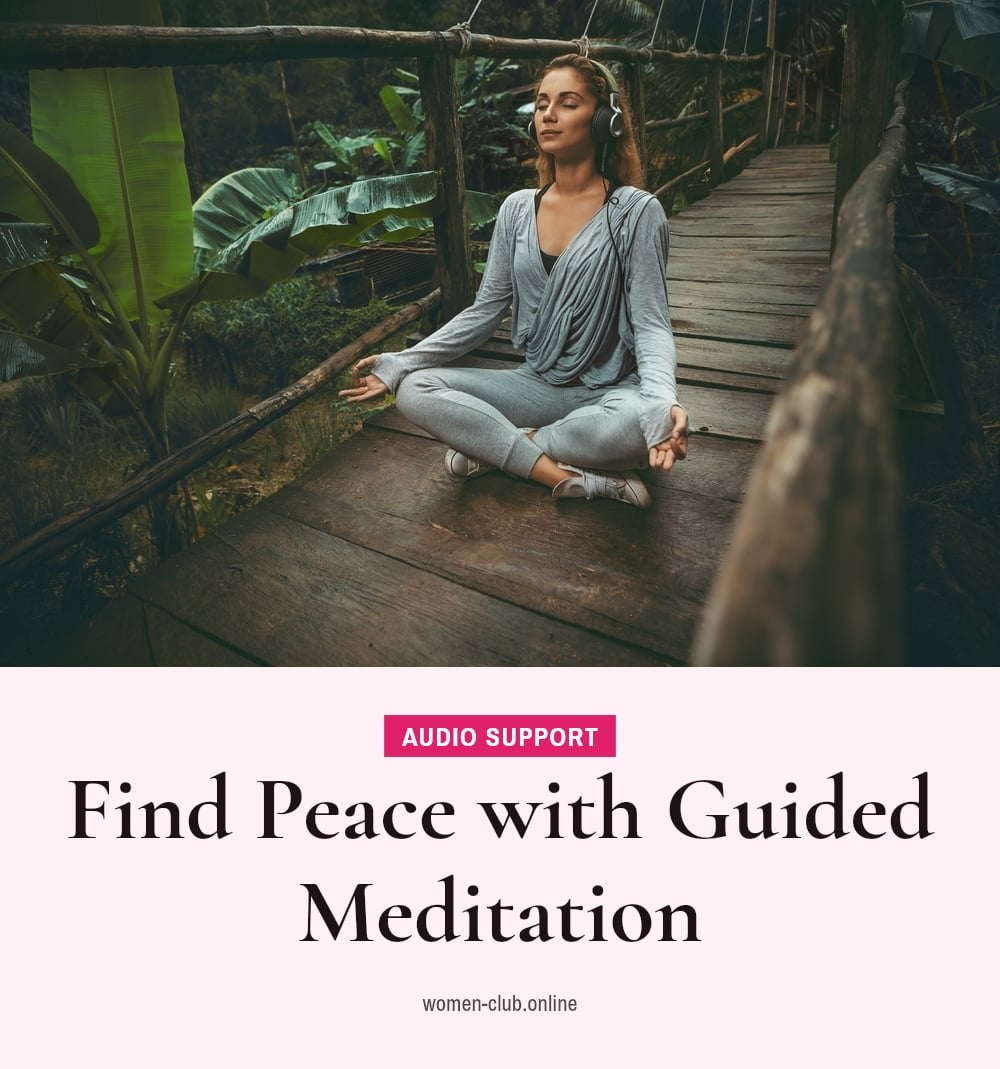
Guided meditations, available through apps or online, are excellent for beginners. A guide’s voice keeps your focus, walks you through each step, and provides structure, so you don’t have to wonder if you’re “doing it right.”
- Reduces uncertainty: The guide tells you when to breathe, scan your body, or simply notice.
- Builds consistency: Many sessions are 5 to 10 minutes, perfect for a daily habit.
- Variety of styles: Try body scans, loving-kindness, or breath-focused sessions to find what fits.
6. Create a Quiet Space
Especially when starting, find a space free from distractions. This could be a quiet corner of your home, a park bench, or even your car parked in a safe spot. Minimizing external stimuli helps your mind settle and focus more easily.
- Choose a consistent spot: The same location each day signals your brain it’s time to meditate.
- Reduce noise: Close windows, turn off notifications, or use earplugs if needed.
- Keep it simple: You don’t need a dedicated room. A chair in a bedroom corner works.
7. Be Patient and Kind to Yourself
Meditation is a practice, not a destination. There is no “perfect” way to do it. Don’t judge yourself for having thoughts or for your mind wandering. Treat yourself with the same kindness and understanding you’d offer a friend learning a new skill.
- Expect wandering: It’s not a failure; it’s the workout.
- Skip self-criticism: Instead of “I’m bad at this,” try “I noticed I drifted, good, now I return.”
- Resume after a missed day: Just start again tomorrow without guilt.
8. Experiment with Different Types
There are many forms of meditation, and not all of them involve sitting still with your eyes closed. Mindfulness meditation focuses on the present moment, observing thoughts and sensations without judgment. Zen meditation often emphasizes seated stillness and breath counting, while Transcendental Meditation uses a personalized mantra repeated silently.
Other options include body scan meditations, where you mentally move attention through different parts of your body, or walking meditation, which pairs slow, deliberate steps with breath awareness.
- Try a few styles: Sample a guided body scan one day and a walking meditation the next. Notice which one makes it easier to return when your mind wanders.
- Match your personality: If sitting still feels impossible, walking meditation may be a better fit. If you prefer structure, guided meditations with clear instructions can help.
9. Set a Specific Time
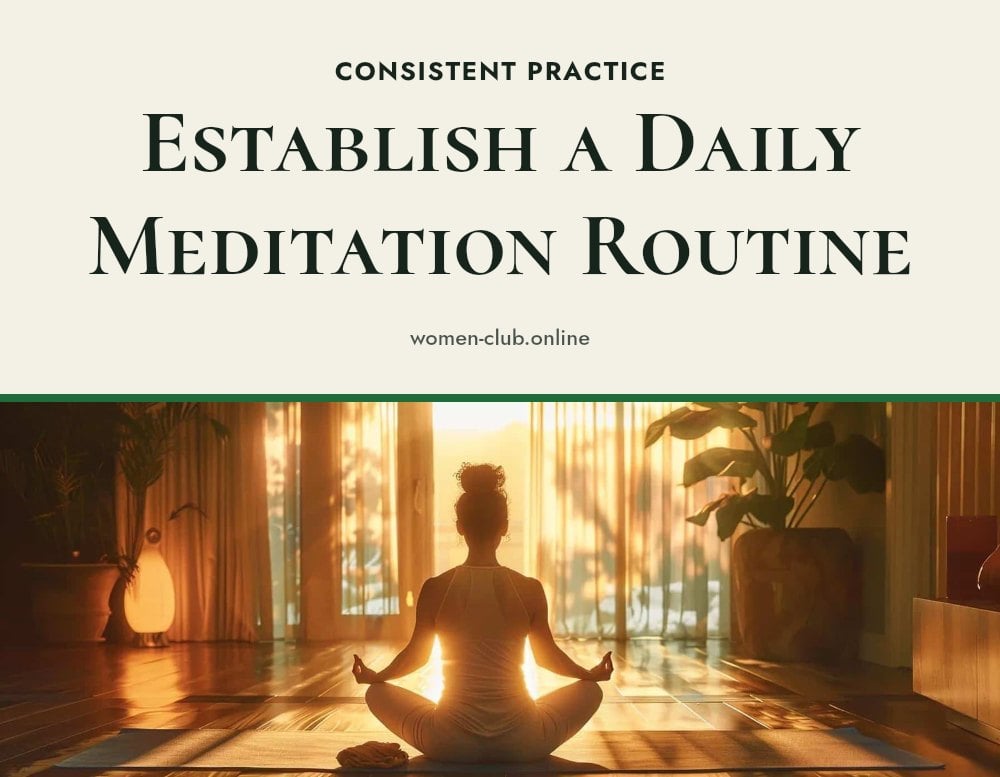
Meditating at the same time each day helps train your brain to settle into the practice more quickly. Many people find mornings work well because the mind is fresher and fewer distractions have piled up. Others prefer evenings, using meditation to unwind before bed and signal the body that it is time to rest.
Tip: Attach your meditation to an existing habit, such as right after brushing your teeth or immediately after your morning coffee. This pairing makes the new routine easier to remember. Even 3 to 5 minutes at the same time builds the anticipation and consistency that deepen your practice over weeks.
10. Understand It’s Not About Emptying Your Mind
The goal of meditation is not to stop all thoughts. That is nearly impossible and can lead to frustration. Instead, meditation changes your relationship with your thoughts: you learn to observe them without getting carried away.
When a thought arises, notice it like a cloud passing in the sky. Acknowledge it, then gently return your attention to your anchor, whether that is your breath, a mantra, or a body sensation. Each time you redirect, you strengthen your mental focus muscle.
Pro move: Label the thought silently (“planning,” “worrying,” “remembering”) before letting it go. This small step creates distance between you and the thought, making it easier to return to your anchor without judgment.
11. Benefits Accumulate Over Time
Do not expect immediate profound experiences from meditation. It is a gradual practice, like learning to play an instrument or building physical endurance. Consistent daily practice, even for just a few minutes, can lead to noticeable benefits in weeks to months.
Many people report reduced stress, improved focus, better emotional regulation, and enhanced self-awareness over time. These changes are subtle at first: you might notice you react less quickly to a stressful email or that you stay focused during a meeting a little longer.
- Track small wins: Keep a simple log of how you feel before and after each session. Over weeks, you will see patterns that reinforce the value of showing up.
- Be patient: If you miss a day, just start again the next. The benefits accumulate through consistency, not perfection.
Common Meditation Mistakes and How to Avoid Them
Believing you need an empty mind: Many beginners think meditation means stopping all thoughts. It does not. The practice is about observing thoughts as they come and go, then gently returning your attention to your anchor. Each time your mind wanders, you get another chance to strengthen that mental muscle.
Getting frustrated with wandering thoughts: Frustration is common but counterproductive. Instead of judging yourself, view each distraction as a repetition in your workout. Every time you notice a thought and redirect, you are building your ability to focus.
Trying to meditate for too long too soon: Starting with 20 minutes often leads to boredom or discomfort. Begin with 2 to 5 minutes and add time only when that feels natural. Short, consistent sessions are more effective than long, irregular ones.
Expecting instant profound experiences: Meditation is not a quick fix. Benefits like reduced stress and improved focus accumulate over weeks and months of daily practice. Patience is part of the process.
Not finding a comfortable posture: Physical discomfort pulls your attention away from your practice. Adjust your position until you are alert yet relaxed, whether on a cushion, chair, or lying down. A straight spine helps, but pain is not the goal.
Giving up after missing a day: One missed session does not erase your progress. Skip the guilt and simply start again the next day. Consistency over time matters more than perfection.
Frequently Asked Questions
How long should a meditation session last for beginners?
For beginners, start with 2 to 5 minutes per session. Short, daily practice is more effective for building the habit than occasional long sessions. As you become comfortable, you can gradually increase the time.
Is it normal for my mind to wander during meditation?
Yes, it is completely normal. Wandering thoughts are not a sign of failure; they are part of the practice. Each time you notice your mind has wandered and gently bring it back to your anchor, you are strengthening your ability to focus.
Can I meditate lying down?
You can meditate lying down, but be aware that this position can make it easier to fall asleep. If you choose to lie down, try to keep your spine straight and stay alert. Sitting on a cushion or chair is often a better option for maintaining focus.
What if I can’t find a quiet place to meditate?
You do not need complete silence. A park bench, a parked car, or even a quiet corner of a busy room can work. The key is to minimize major distractions. Over time, you may find it easier to meditate in noisier environments as your practice deepens.
How quickly will I see results from meditating?
Results are usually subtle and accumulate over time. With consistent daily practice of just a few minutes, many people notice benefits like reduced stress and improved focus within weeks to months. Do not expect dramatic changes overnight.
Final Thoughts
If you take one thing from this article, let it be this: start with two minutes today. Set a timer, sit comfortably, and follow your breath. Do not worry if your mind wanders, that is the practice. Expect subtle changes over weeks and months, not instant calm. Meditation is a gradual skill, and every time you sit down, you are building it.
This article is for informational purposes only and is not a substitute for professional medical advice. If you have a mental health condition or experience persistent discomfort or anxiety during meditation, consult a healthcare professional.








