Menstrual Cycle Phases and Self-Care: Matching Rest to Each Week

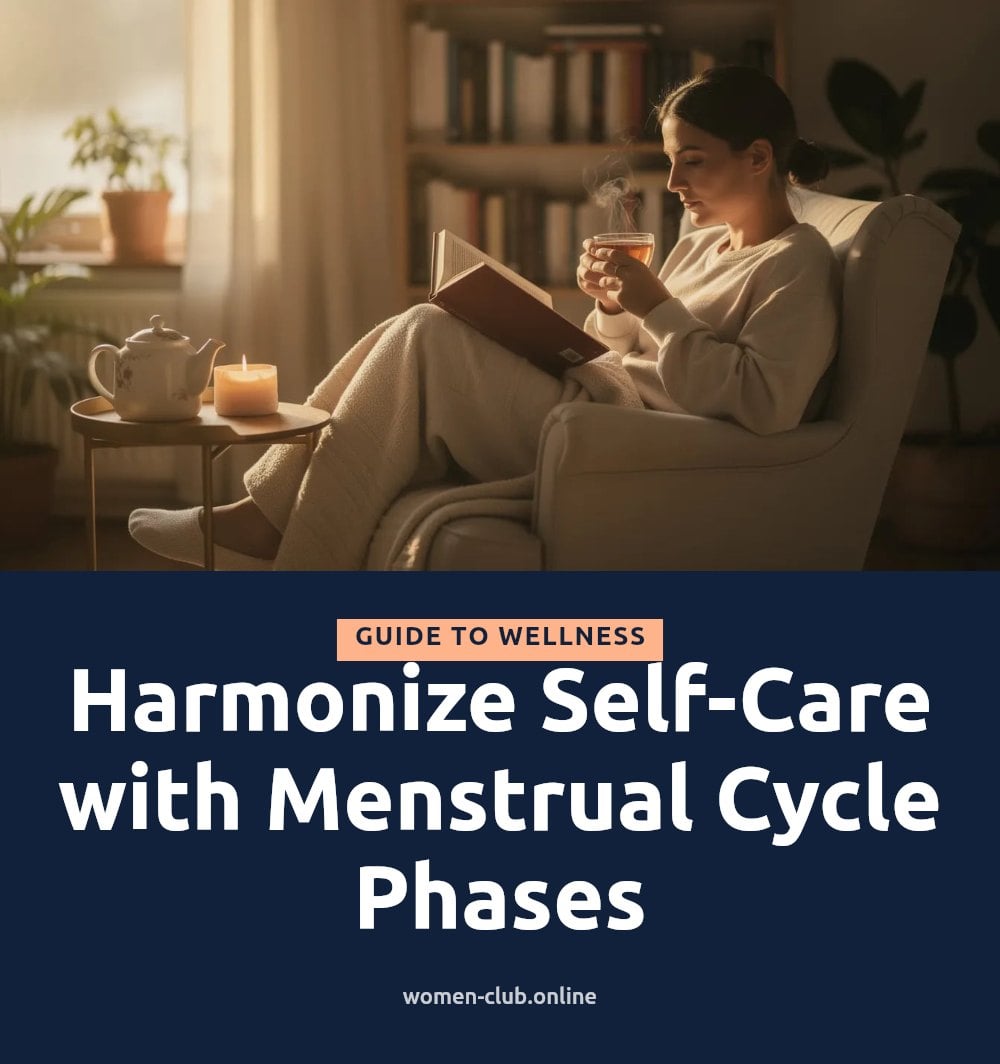
Have you ever noticed that some weeks you feel full of energy and ready to tackle your to-do list, while other weeks you just want to curl up with a heating pad? That’s not random; it’s your menstrual cycle phases at work. This article breaks down the four phases of your cycle and offers simple self-care tips to match each one, so you can work with your body instead of against it.
Key Takeaways
- Track your cycle to identify personal patterns in mood, energy, and physical symptoms.
- Prioritize rest and gentle movement during menstruation and the late luteal phase.
- Engage in more vigorous activities during the follicular and ovulatory phases if you feel energized.
- Practice stress-reduction techniques, especially during the luteal phase when PMS symptoms may be more prominent.
- Consult a healthcare professional for severe pain, heavy bleeding, or sudden cycle changes.
What Are the Menstrual Cycle Phases?
The menstrual cycle is a continuous hormonal process that prepares your body for potential pregnancy each month. It typically lasts between 21 and 35 days, with 28 days being a common reference point. The cycle consists of four main phases: menstruation, the follicular phase, ovulation, and the luteal phase. Each phase brings distinct hormonal shifts that can influence your physical symptoms, energy levels, and mood. Understanding these phases helps you see your body’s patterns beyond just fertility, making it easier to plan self-care that aligns with your natural rhythms.
Why Understanding Your Cycle Matters for Self-Care
Why Understanding Your Cycle Matters for Self-Care
Knowing where you are in your cycle lets you anticipate changes in energy, mood, and physical symptoms before they catch you off guard. When you align your self-care practices with your body’s natural rhythms, you can reduce discomfort and feel more in control. For example, scheduling rest during low-energy phases and tackling projects when you feel focused can make a real difference in your day-to-day well-being.
Individual variations are normal, so tracking helps you learn your unique patterns. My tip: start a simple log in a notebook or app, noting how you feel each day. Over a few cycles, you’ll spot your own trends and know exactly what works for you.
1. Phase 1: Menstruation (Your Period)
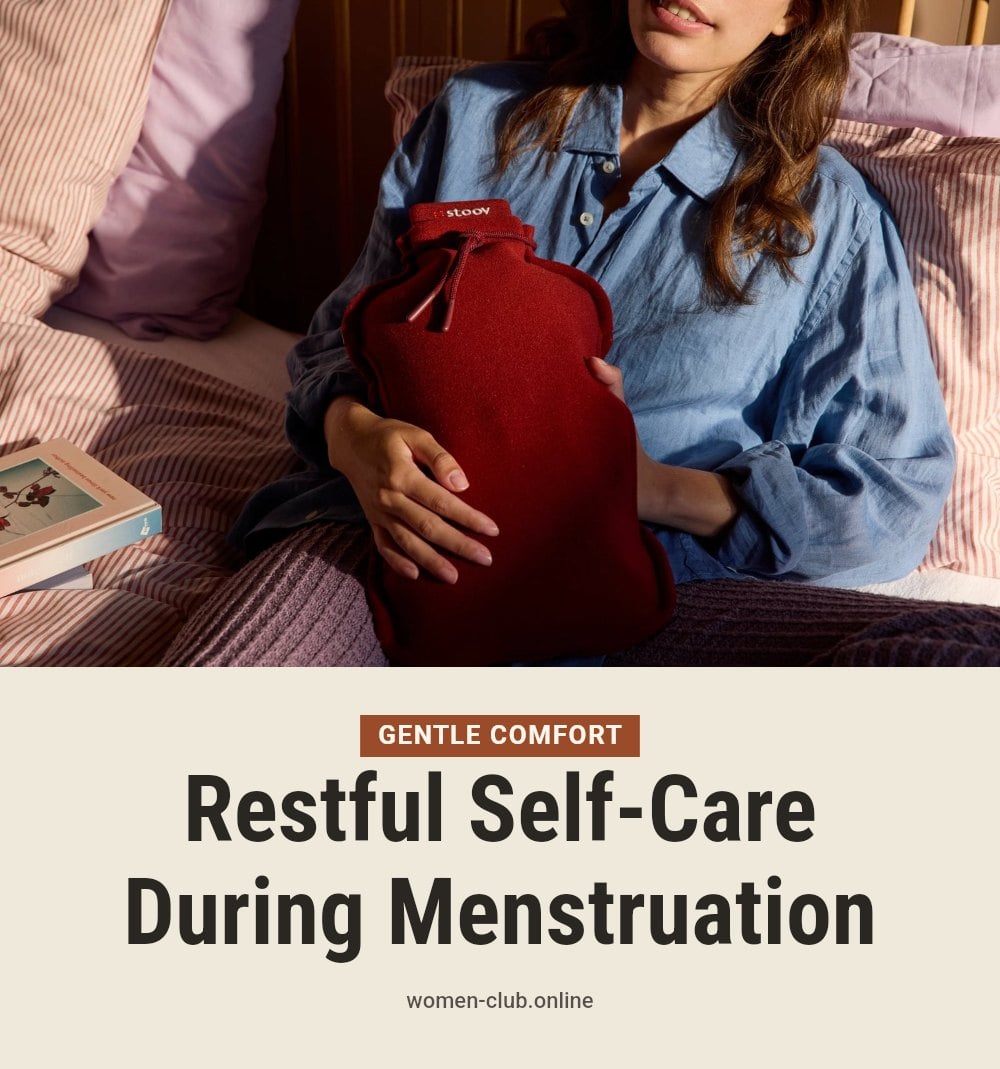
This phase begins on day one of your period and typically lasts 3 to 7 days. During this time, both estrogen and progesterone are at their lowest, which triggers the shedding of the uterine lining. Your energy may be lower, so prioritize rest and gentle movement like walking or stretching. Nutrient-dense foods are especially helpful, particularly iron-rich options such as leafy greens or beans, to replenish what your body is losing.
My tip: Keep a water bottle nearby. Staying hydrated can ease common period symptoms like bloating and headaches.
2. Phase 2: The Follicular Phase
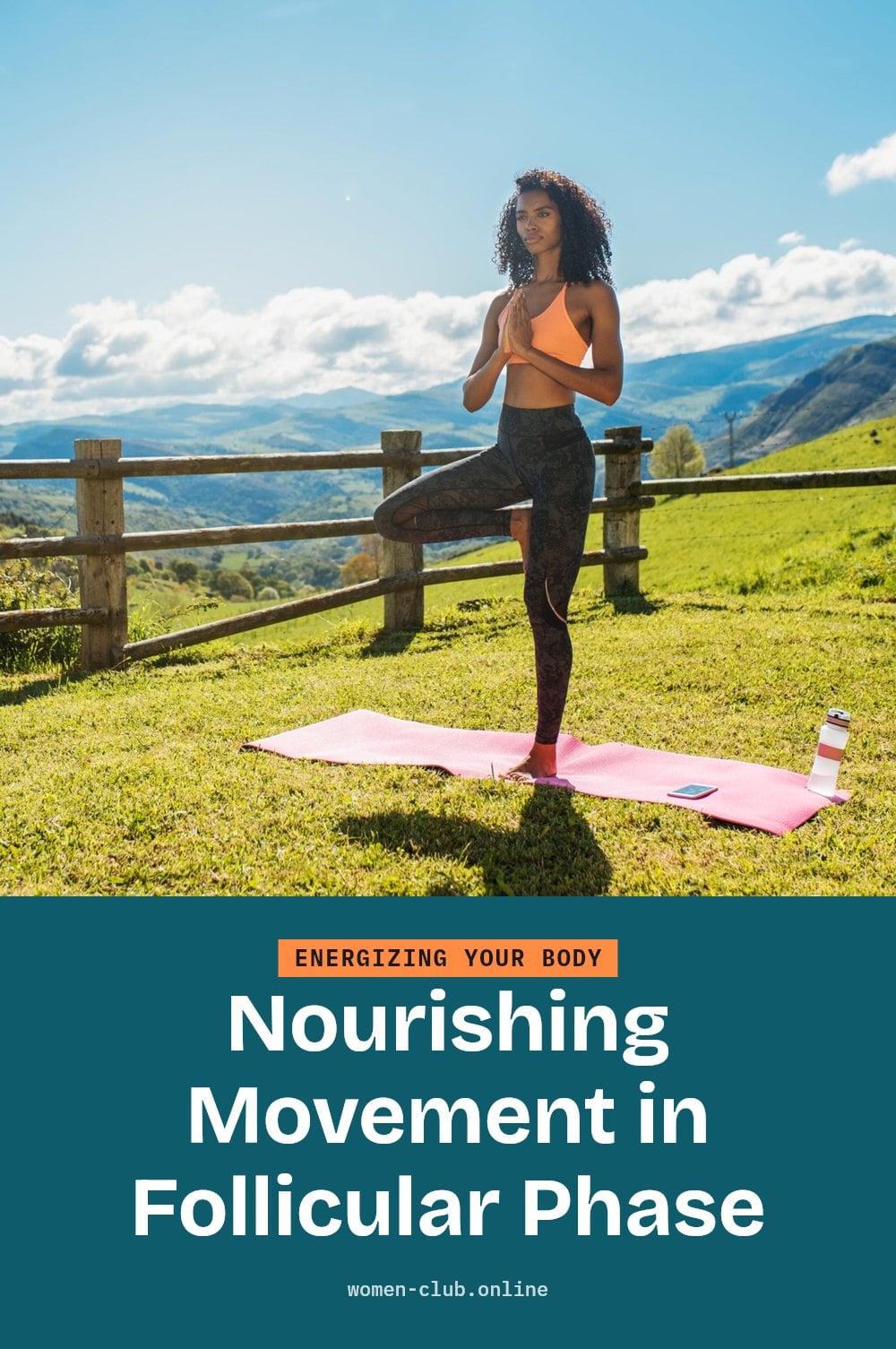
The follicular phase starts after menstruation and continues until ovulation, usually lasting 10 to 16 days. Estrogen levels rise steadily, stimulating follicles in the ovaries to mature and prepare an egg for release. Many people experience increased energy and focus during this phase. It’s a good time for more vigorous activities, such as strength training, running, or tackling complex projects at work.
Tip: Use this window of higher energy to schedule social plans or start new hobbies. Your body is naturally primed for action and growth.
3. Phase 3: Ovulation
Ovulation is the brief window when a mature egg is released from the ovary, lasting only 12 to 24 hours. In a typical 28-day cycle, this happens around day 14. A surge in luteinizing hormone (LH) triggers the release, and estrogen peaks just before.
Energy levels are often at their highest during this phase. It is a prime time for social activities, tackling big projects, or scheduling important meetings. My tip: plan your week’s most demanding tasks around this window if you can.
4. Phase 4: The Luteal Phase
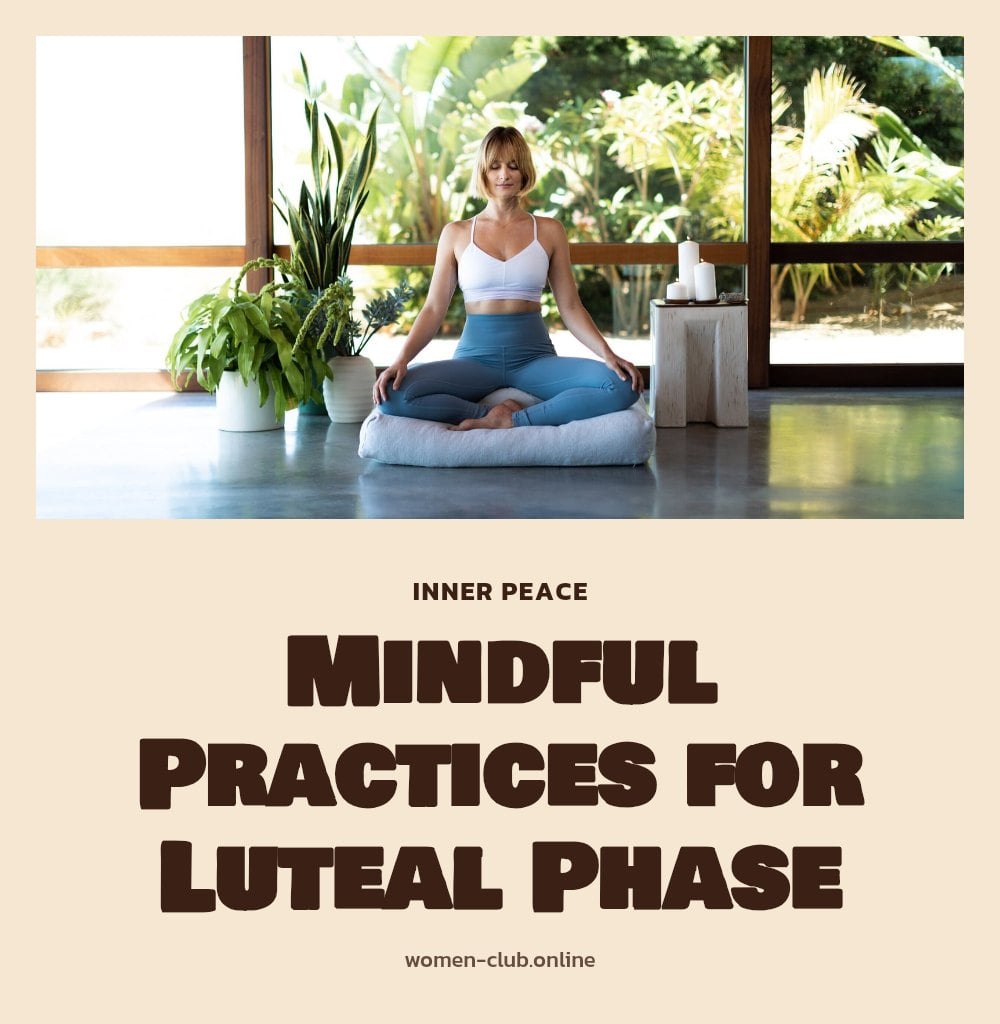
After ovulation, the luteal phase begins and lasts until your next period, typically 10 to 16 days. Progesterone levels rise significantly to thicken the uterine lining for a potential pregnancy, while estrogen also rises then falls. If pregnancy does not occur, both hormones drop, triggering menstruation.
PMS symptoms like bloating, fatigue, and mood shifts are common in this phase. Prioritize stress reduction, gentle exercise like walking or yoga, and plenty of self-compassion. Your body is asking for a slower pace, so listen to it.
Tools for Tracking Your Cycle
Tracking your cycle helps you spot patterns and plan accordingly. Here are the most common tools:
- Cycle tracking apps: Digital tools to log symptoms, mood, and cycle dates.
- Calendar or journal: A simple, visual way to mark your cycle and note observations.
- Basal body thermometer: Used for fertility awareness methods to track temperature shifts.
- Ovulation predictor kits (OPKs): Detect the LH surge to pinpoint ovulation.
Start with whichever method feels easiest to maintain consistently.
Common Misconceptions About Your Cycle
There are several myths about the menstrual cycle that can lead to confusion or unnecessary worry.
- Believing all cycles are 28 days: Cycle lengths vary greatly; 21 to 35 days is typical.
- Ignoring severe symptoms: Intense pain or heavy bleeding are not normal and warrant medical attention.
- Underestimating external factors: Stress, diet, and sleep significantly impact cycle regularity and symptoms.
- Thinking hormones only affect fertility: Hormonal fluctuations influence mood, energy, and overall well-being.
Understanding these realities helps you tune into your body’s unique signals without comparing yourself to an arbitrary standard.
When to Consult a Healthcare Professional
You should talk to a healthcare professional if you soak through a pad or tampon every hour for several hours. Severe pain that doesn’t improve with over-the-counter pain relievers also needs medical attention. A sudden, unexplained change in your cycle length or regularity is another reason to check in.
Symptoms of depression, anxiety, or mood swings that interfere with daily life may indicate PMDD or another condition. Any sudden, unexplained abdominal pain should be evaluated right away. If you are trying to conceive and have concerns about ovulation or cycle regularity, a doctor can help.
Frequently Asked Questions
Can stress affect my menstrual cycle phases?
Yes, stress can absolutely affect your cycle. High stress levels may delay ovulation, lengthen or shorten your cycle, or even cause a missed period. This happens because stress hormones can interfere with the hormonal signals that control your cycle. If you notice persistent changes after a stressful period, it’s usually temporary, but talk to your doctor if things don’t return to normal.
Is it normal for my cycle length to vary?
Yes, it is completely normal for your cycle length to vary from month to month. The average cycle ranges from 21 to 35 days, and it is common to have a few days of variation. However, if your cycle suddenly becomes very irregular or changes by more than a week, it is a good idea to check in with a healthcare professional.
What is the difference between PMS and PMDD?
PMS (Premenstrual Syndrome) includes common physical and mood symptoms like bloating, fatigue, and irritability during the luteal phase. PMDD (Premenstrual Dysphoric Disorder) is a more severe form that causes extreme mood swings, depression, or anxiety that can interfere with daily life. If your symptoms feel overwhelming or debilitating, talk to a doctor or mental health professional.
How long does each menstrual cycle phase typically last?
The menstrual phase lasts 3 to 7 days. The follicular phase runs from day one of your period until ovulation, usually 10 to 16 days. Ovulation itself is just 12 to 24 hours. The luteal phase follows ovulation and lasts until your next period, typically 10 to 16 days. Keep in mind that your individual timing may differ from these averages.
Final Thoughts
The key is to listen to your body. If you feel run down during your period, take it easy with yoga or a walk. If you’re buzzing with energy during the follicular phase, go for that run or strength workout. Expect that your energy and mood will shift naturally over the month, and plan your self-care accordingly. When you honor your cycle’s rhythm, you give yourself permission to rest when you need it and thrive when you can.
This article is for general informational purposes only and does not constitute medical advice. Every body is different, and cycle symptoms vary widely. If you have concerns about your menstrual health, experience severe pain, heavy bleeding, or mood changes that affect your daily life, please consult a healthcare professional or a gynecologist.








