
You might think building muscle as a woman means getting bulky, but that’s not how it works. With the right mix of resistance training, protein, and rest, you can tone up, get stronger, and feel more confident in your body. This article breaks down the food and training basics, step by step, so you can start your muscle gain journey with a clear plan.
From the science of muscle growth to common mistakes and a realistic timeline, I’ll cover what you need to know to see results without the guesswork.

Key Takeaways
- Prioritize compound exercises like squats and deadlifts for efficient muscle growth.
- Eat 1.6-2.2 grams of protein per kilogram of body weight daily.
- Gradually increase weight or reps to keep challenging your muscles.
- Get 7-9 hours of sleep each night for recovery and hormone balance.
- Expect visible muscle gain after 3-6 months of consistent effort.
What It Takes to Build Muscle as a Woman
Building muscle, or hypertrophy, comes down to consistent resistance training, enough protein, and a slight caloric surplus. For women, the process is similar to men, but hormonal differences, specifically lower testosterone, mean you typically won’t ‘bulk up’ the same way. Instead, you can expect lean, toned development as you get stronger.
Essential Tools for Your Muscle Gain Journey
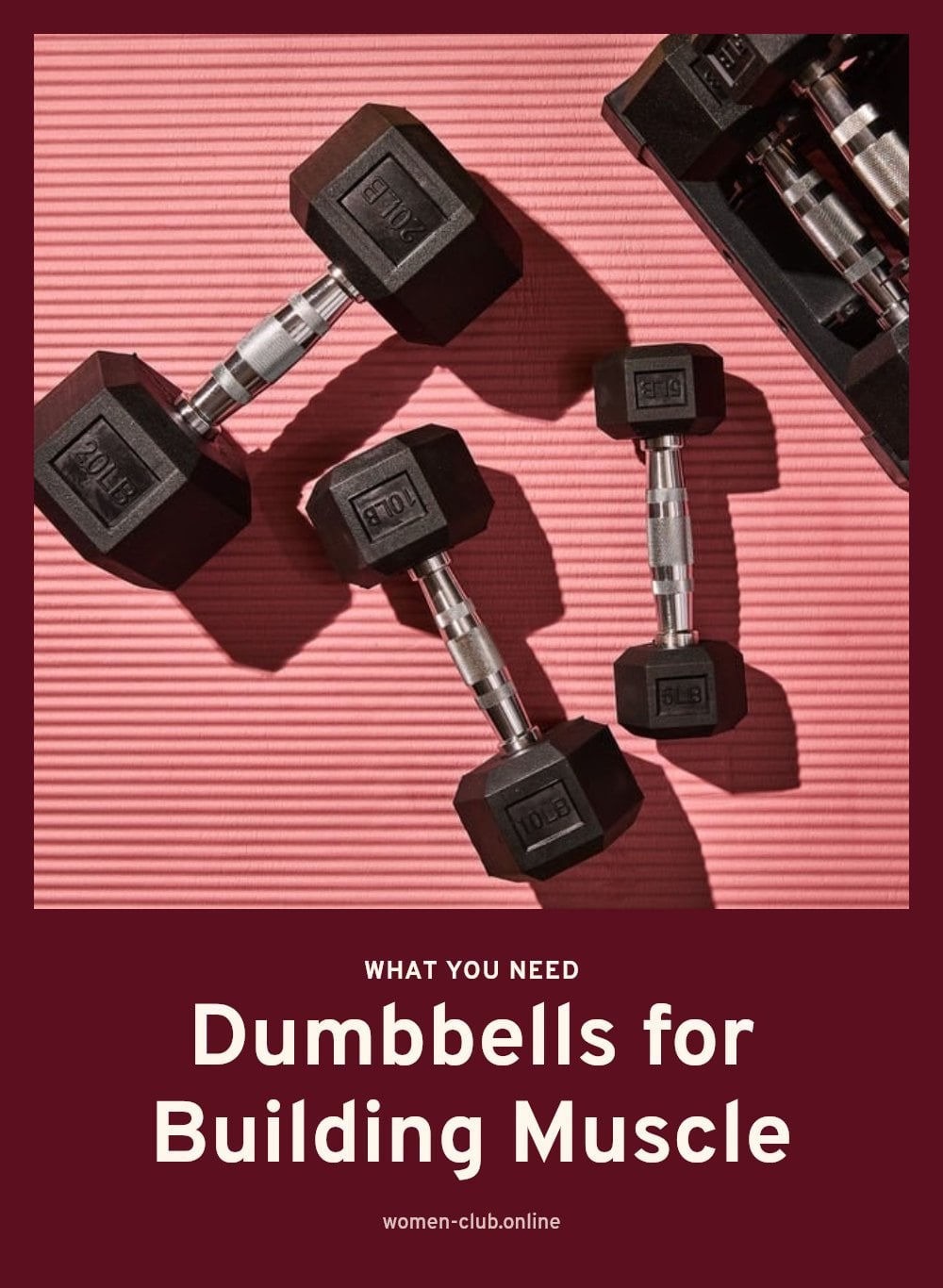
You don’t need a full gym to start. Here are the basics to have on hand:
- Dumbbells, barbells, or kettlebells for resistance training.
- Resistance bands for adding variety and progressive overload.
- Protein-rich foods (lean meats, eggs, legumes), complex carbs (whole grains, vegetables), and healthy fats (avocado, nuts) for fueling growth.
- A water bottle to stay hydrated throughout the day.
Your Step-by-Step Guide to Effective Muscle Gain
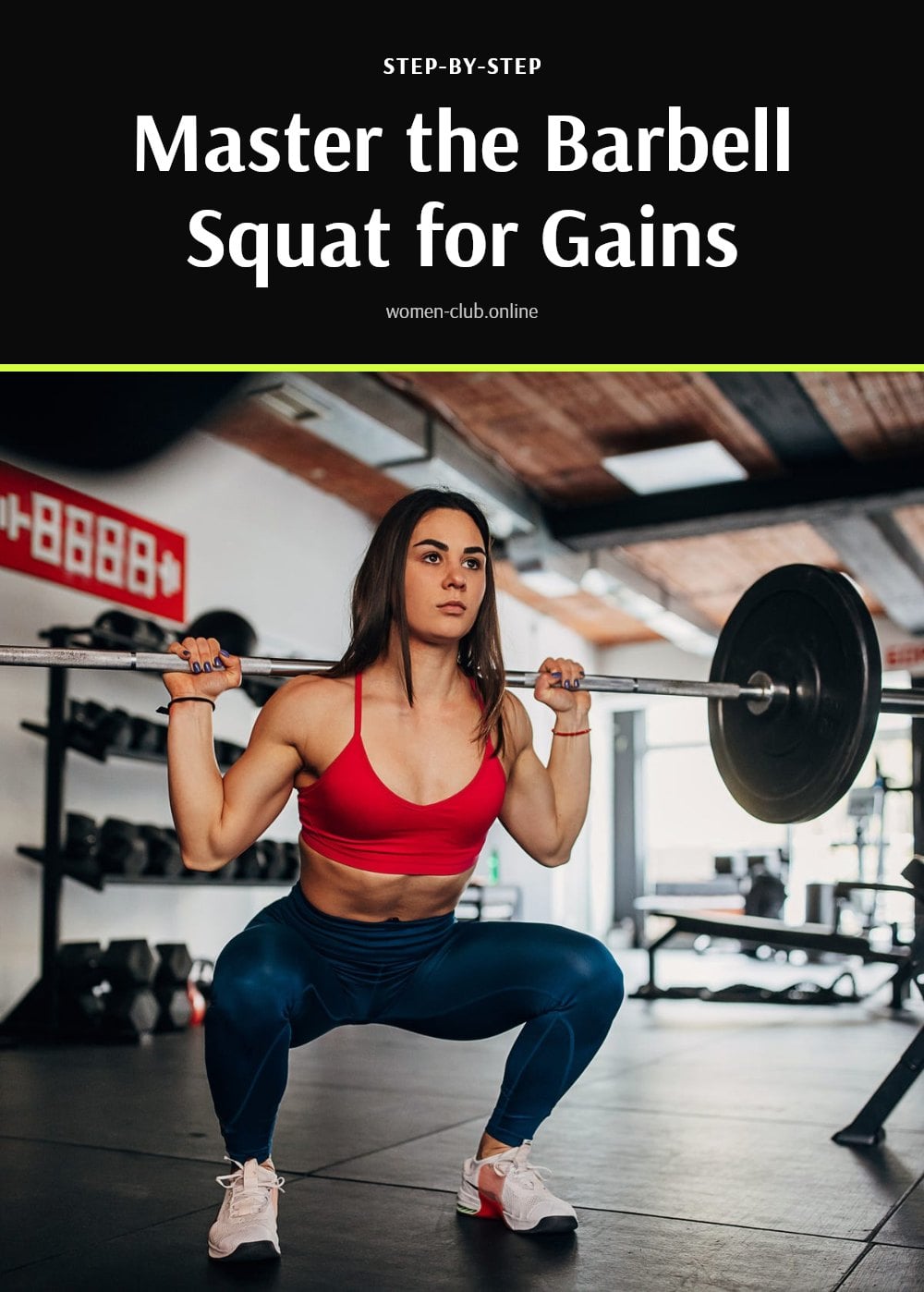
Building muscle effectively comes down to a few non-negotiable habits. Here is the sequence I follow and recommend to anyone starting out.
- Prioritize compound exercises: Focus on movements like squats, deadlifts, bench presses, and rows. These work multiple muscle groups at once, giving you more bang for your workout time and stimulating more overall muscle growth than isolation moves.
- Apply progressive overload: Your muscles need a reason to grow. Each week, try to lift slightly heavier weight, add one more rep, or do one more set. Even a small increase signals your body to keep building.
- Hit your protein target daily: Aim for 1.6 to 2.2 grams of protein per kilogram of your body weight. Spread this across three to four meals so your muscles have a steady supply of amino acids for repair throughout the day.
- Eat in a slight caloric surplus: Muscle growth requires energy. Consume about 200-300 calories more than you burn each day. Without that extra fuel, your body struggles to build new tissue even if you train hard.
- Get 7-9 hours of quality sleep: Muscle repair and growth hormones are released during deep sleep. Skimping on rest directly reduces your gains, no matter how good your workouts are.
- Stay hydrated all day: Water supports every metabolic process, including protein synthesis. Drink water before, during, and after your workout, and keep a bottle on your desk for the rest of the day.
Consistency across all these steps matters more than any single intense session. Stick with the routine for at least eight weeks before you evaluate progress.
How Your Body Builds Muscle: The Science Behind It
What Happens Inside Your Muscles
When you lift weights or do resistance exercises, you create tiny tears in your muscle fibers. This sounds bad, but it’s the first step to growth. Your body then repairs these micro-tears through a process called muscle protein synthesis (MPS).
Protein from your diet supplies the amino acids needed for MPS. A caloric surplus gives your body the extra energy to fuel this building process. Without enough protein or calories, repair slows down.
Rest is where the magic happens. Muscle growth doesn’t occur during your workout. It happens in the hours and days after, especially during sleep. That’s why recovery days and quality sleep are non-negotiable.
Common Muscle Gain Mistakes Women Make (and How to Fix Them)
One of the biggest mistakes I see is not eating enough protein. Your body needs a steady supply of amino acids to repair muscle fibers, so aim for 1.6-2.2 grams per kilogram of body weight daily and spread it across all your meals.
Ignoring progressive overload is another common pitfall. If you always lift the same weight, your muscles have no reason to grow. Increase the weight, reps, or sets every few weeks to keep challenging them.
Skipping rest and sleep can undo your hard work. Muscles repair and grow during recovery, not during the workout itself. Prioritize 7-9 hours of sleep and schedule rest days.
Many women focus too much on isolation exercises like bicep curls. Compound movements like squats, deadlifts, and bench presses work multiple muscle groups at once and give you more bang for your buck.
My tip: Don’t under-eat calories. A slight surplus gives your body the energy it needs to build tissue. And remember, muscle gain is a slow process. Expecting instant results leads to frustration, so celebrate small wins along the way.
Smart Tips for Optimizing Your Muscle Gain
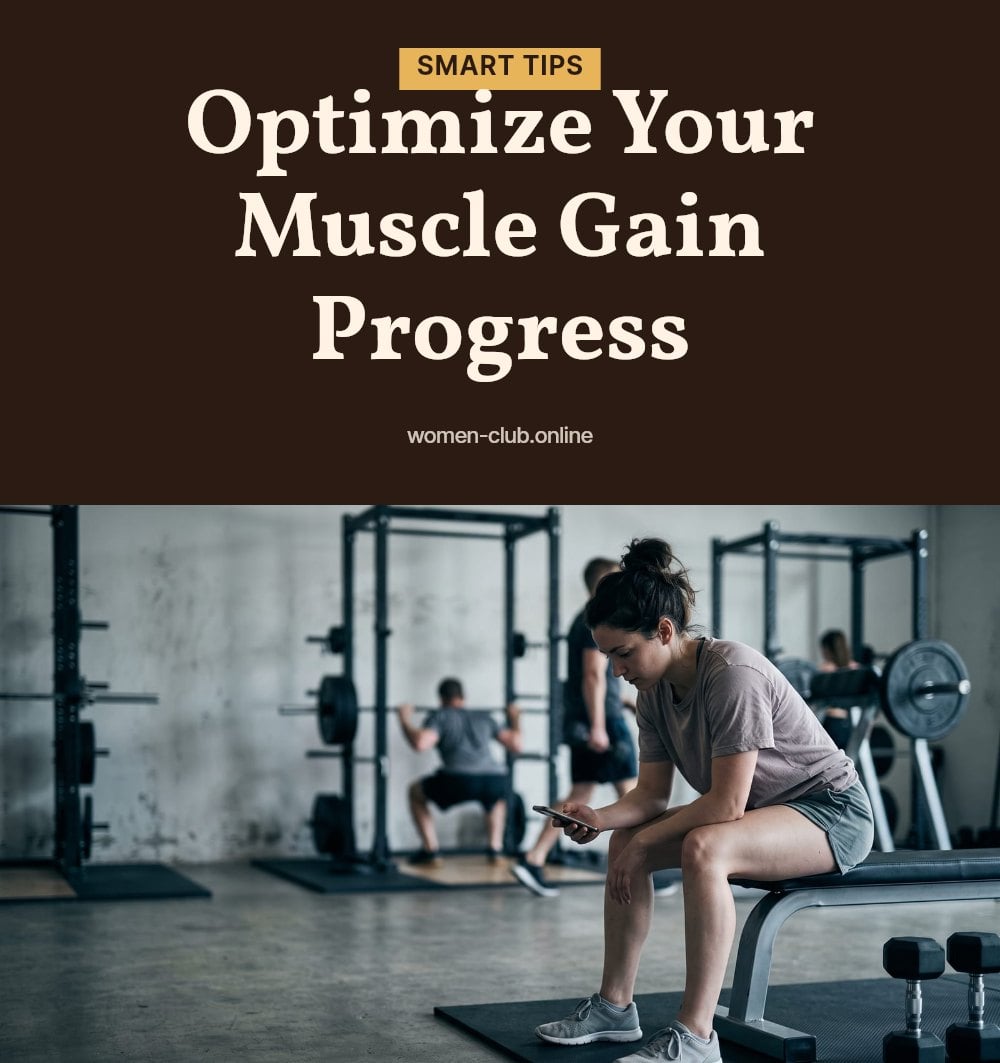
Proper form should always come before lifting heavy. A slight compromise in technique can lead to injury and set you back weeks. If you’re unsure, film yourself or work with a trainer to check your alignment.
Listen to your body. If you feel unusually fatigued or sore, take an active recovery day with light walking or stretching, or schedule a deload week where you reduce volume by 40-50 percent.
Vary your workouts every 4-6 weeks to keep your muscles adapting. Swap exercises, change rep ranges, or try a different split routine. Tracking your progress in a log or app helps you see what works and ensures you’re actually progressing.
Tip: Consider working with a certified personal trainer for a tailored plan. They can correct your form, design a program that fits your goals, and keep you accountable.
What to Expect: Timeline for Muscle Gain
You can expect noticeable strength increases within a few weeks of consistent training. Your body adapts quickly to the new demands, and you’ll likely lift heavier or do more reps than when you started.
Visible muscle gain takes longer, typically 3-6 months or more of dedicated effort in both training and nutrition. Consistency matters more than intensity in the beginning, so focus on showing up regularly rather than pushing to failure every session.
Cost varies widely. You can start for free with bodyweight exercises and outdoor running. A gym membership or basic home equipment like dumbbells and bands falls in the moderate range. Hiring a personal trainer or buying specialized supplements pushes the cost higher.
When to Consult a Professional for Muscle Gain
Consult a healthcare professional before starting any new exercise program, especially if you have existing health conditions like heart disease, joint issues, or high blood pressure.
See a doctor if you experience persistent pain or discomfort during or after workouts, as this could signal an underlying problem. If you’re not seeing results despite consistent training and nutrition, a certified personal trainer or registered dietitian can help identify the gaps.
For personalized guidance on exercise form, programming, or nutrition plans, working with a professional ensures you’re on the right track and reduces injury risk.
Frequently Asked Questions
How long does it take for women to see muscle gain?
You may notice strength gains within a few weeks of consistent training. Visible muscle growth typically takes 3-6 months or more, depending on your genetics, nutrition, and how consistently you follow your program. Stay patient and keep challenging your muscles.
Can women gain muscle without ‘bulking up’?
Yes, most women won’t get bulky from resistance training because of lower testosterone levels. Instead, you’ll likely build lean muscle that tones and defines your body. To avoid excess fat gain, focus on a slight caloric surplus, not a large one.
Is cardio bad for muscle gain?
Cardio isn’t bad, but it shouldn’t replace resistance training if your goal is muscle gain. Too much cardio can burn extra calories, making it harder to stay in a surplus. Keep cardio moderate and prioritize lifting for best results.
How often should women train to gain muscle?
Training each muscle group 2-3 times per week is effective for most people. This allows enough stimulus for growth while giving muscles time to recover. Include rest days and listen to your body to avoid overtraining.
What are the best protein sources for muscle growth?
Great sources include lean meats, poultry, fish, eggs, dairy, legumes, and tofu. Spread your protein intake across meals to keep a steady supply of amino acids for muscle repair. Aim for the recommended daily amount based on your body weight.
Final Thoughts
Start with compound lifts, hit your protein goal, and be patient with the process. Consistency matters more than perfection, and you’ll likely feel stronger within a few weeks, with visible changes in a few months. My tip: track your workouts so you can see progress and stay motivated.
Remember to rest, hydrate, and listen to your body. If you’re new to lifting or have any health concerns, check with a professional before you begin.
This article provides general fitness information and is not a substitute for professional medical or training advice. Always consult a healthcare provider before starting a new exercise program, especially if you have any health conditions. If you experience persistent pain or discomfort, seek guidance from a qualified professional.








