
We all hit that afternoon slump where focusing feels impossible and your eyelids get heavy. The right nap can turn that around, boosting your energy and mood without leaving you groggy or messing up your nighttime sleep. This article breaks down the ideal nap length, the best time to take one, and simple steps to make every nap count.

Key Takeaways
- Aim for a 20-minute power nap to boost alertness without grogginess.
- Nap between 1 PM and 3 PM to align with your body’s natural dip.
- For creativity and memory, try a 90-minute nap for a full sleep cycle.
- Set an alarm to avoid oversleeping and waking up disoriented.
- If naps don’t relieve daytime fatigue, talk to a healthcare professional.
The Secret to a Perfect Nap: Length and Timing
The ideal nap for most adults is a 20-minute power nap. It boosts alertness and motor performance without leaving you groggy. If you have more time and want deeper benefits like creativity and memory consolidation, aim for a 90-minute nap, which allows a full sleep cycle. The best time to nap is early to mid-afternoon, between 1 PM and 3 PM. This aligns with your body’s natural dip and avoids disrupting nighttime sleep.
Your Napping Toolkit for Optimal Rest

To get the most out of your nap, a few simple tools make a real difference:
- Alarm clock or smartphone timer: Essential for nailing your chosen duration and preventing oversleep.
- Eye mask: Blocks light to help you fall asleep faster and stay asleep.
- Earplugs: Muffle noise so you can rest without interruptions.
- Comfortable pillow or blanket: Helps you relax and settle in quickly.
How to Take an Effective Nap
Choose your nap length: Pick 20 minutes for a quick energy boost or 90 minutes if you want a full sleep cycle for creativity and memory.
- Time it right: Nap between 1 PM and 3 PM to match your body’s natural dip and avoid interfering with nighttime sleep.
- Set up your space: Make the room dark, quiet, and cool. Use an eye mask and earplugs if needed.
- Set an alarm: Program your timer for exactly 20 or 90 minutes so you don’t oversleep and wake up groggy.
- Wake up gently: After your alarm, give yourself a few minutes to fully wake up. Sit up slowly and take a deep breath before jumping back into your day.
Choosing Your Nap: Power Nap vs. Full Cycle
Choosing between a power nap and a full cycle nap depends on your goal and available time. The table below breaks down the key differences.
| Nap Type | Duration | Best For | Downside |
|---|---|---|---|
| Power Nap | 20 minutes | Alertness and motor performance | No deep sleep benefits |
| Full Cycle Nap | 90 minutes | Creativity and memory consolidation | Risk of sleep inertia if woken early |
Tip: A 20-minute power nap avoids sleep inertia entirely because you wake before entering deep sleep. A 90-minute nap allows a full sleep cycle but requires more time and a quiet environment.
Common Napping Mistakes to Avoid
Napping for longer than 90 minutes often leads to sleep inertia, that groggy, disoriented feeling that can last for a while after you wake up. A 20-minute power nap avoids this, while a full 90-minute cycle can benefit creativity and memory without causing inertia if completed. Napping too late in the day, especially after 3 PM, can make it harder to fall asleep at night by interfering with your body’s natural sleep drive.
Mistake: Relying on naps to make up for consistently poor nighttime sleep. Naps can help with sleep debt, but they are not a replacement for the restorative benefits of a full night’s rest. Trying to force a nap when you are not truly tired often backfires, leaving you lying awake and frustrated. Instead, get up and do something relaxing until you feel sleepy. Finally, napping in a bright, noisy, or uncomfortable environment reduces the quality of your rest. Use an eye mask and earplugs to create a better setting.
Pro Tips for a Restorative Nap
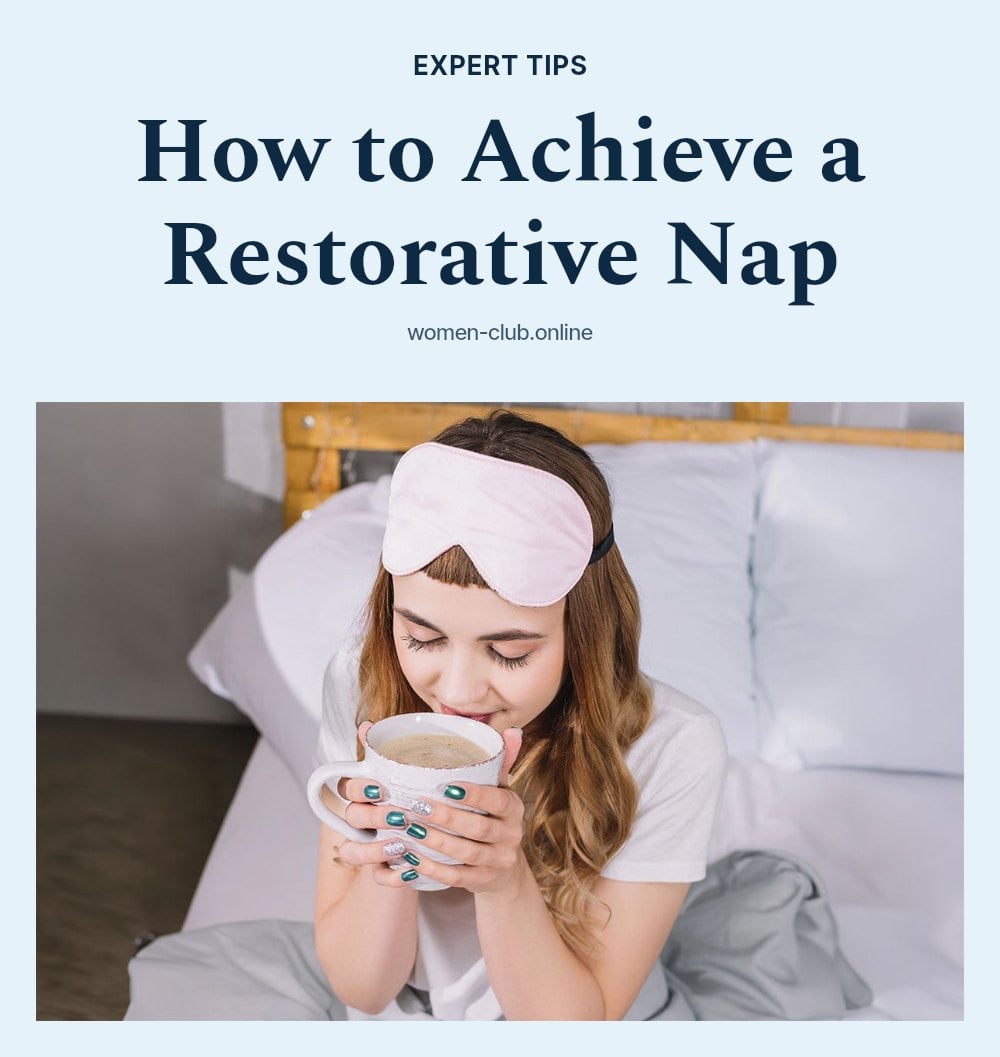
My tip: Try a caffeine nap. Drink a cup of coffee right before your 20-minute nap. The caffeine takes about 20 minutes to kick in, so you wake up as it peaks, boosting alertness. Practice a quick relaxation technique, like deep breathing or progressive muscle relaxation, to help you fall asleep faster once you lie down.
If you prefer waking with natural light over an alarm, try opening the blinds slightly, but only if it won’t disrupt your ability to fall asleep in a dark room. For those who work from home, designate a specific nap spot away from your desk. This helps your brain associate that area with rest, making it easier to relax and disconnect from work.
When to Talk to a Healthcare Professional About Your Naps
If you consistently feel the need to nap during the day, or if naps do not relieve your daytime fatigue, it is worth talking to a healthcare professional. Persistent tiredness can sometimes signal an underlying sleep disorder, such as sleep apnea, or another health issue. Individuals with insomnia should be cautious with napping, as it can make nighttime sleep problems worse. A doctor can help determine the cause and suggest appropriate steps.
Frequently Asked Questions
Can naps replace a full night’s sleep?
No, naps are not a substitute for consistent, adequate nighttime sleep. While they can help compensate for sleep debt, they don’t provide the same restorative benefits of a full night’s rest. Relying on naps instead of sleeping enough at night can lead to chronic sleep deprivation.
Why do I feel more tired after a nap?
This is likely sleep inertia, which happens when you nap for longer than 30 minutes and wake from a deeper sleep stage. Your body feels groggy and disoriented. Sticking to a 20-minute power nap can help you avoid this and wake up feeling refreshed instead.
Is it okay to nap every day?
For most people, a short daily nap in the early afternoon is fine and can even be beneficial. However, if you have insomnia or find that daily napping makes it harder to fall asleep at night, you may want to limit them or skip them altogether. Pay attention to how your nighttime sleep is affected.
Can naps help with stress?
Some studies suggest that napping can help reduce stress and improve mood. A short nap can give your mind and body a break, lowering stress levels and helping you feel more calm and refreshed. It’s a simple tool to reset during a busy day.
What is a caffeine nap?
A caffeine nap involves drinking a cup of coffee right before a 20-minute nap. Since caffeine takes about 20 minutes to kick in, you wake up just as it peaks, boosting your alertness. It’s a clever way to combine the benefits of a power nap with a caffeine boost.
Final Thoughts
My tip: if you’re short on time, stick with a 20-minute power nap timed in the early afternoon. It’s the most reliable way to get a quick energy lift without feeling worse afterward. Remember, even the best nap can’t replace a full night of quality sleep, but used smartly, it can be a real game-changer for your afternoons.
This article is for general informational purposes only and is not a substitute for professional medical advice. If you consistently feel tired during the day or suspect an underlying sleep disorder, please consult a healthcare professional or a sleep specialist.








