Neuroplasticity and Habit Change: Training Your Brain Day by Day

You might have heard that your brain is ‘hardwired’ by adulthood, but that’s not true. Your brain is incredibly flexible, constantly rewiring itself based on what you do and learn. This article explains what neuroplasticity is and how you can use it to change habits and learn new skills at any age.
I’ll cover the science behind brain change, practical methods to harness it, common myths, and how long real change takes. My tip: think of it like building a path in a forest. The more you walk it, the clearer it gets.

Key Takeaways
- Neuroplasticity is your brain’s lifelong ability to reorganize itself by forming new neural connections.
- Consistent practice and repetition are the main drivers of lasting brain change.
- Sleep, exercise, and mindfulness all support neuroplasticity and habit formation.
- Noticeable results from new habits or skills typically take weeks to months of regular effort.
- Chronic stress can negatively impact your brain’s ability to adapt and change.
What is Neuroplasticity and Why Does It Matter for You?
Neuroplasticity is your brain’s lifelong ability to reorganize itself by forming new neural connections in response to your experiences. It’s the biological basis for all learning, memory, and habit formation, which means you can actively shape your brain at any age. This ability allows you to learn new skills, change old habits, and even recover from certain brain injuries. My tip: think of it as your brain’s built-in upgrade system, ready to work for you.
Your Brain’s Amazing Ability to Adapt and Grow
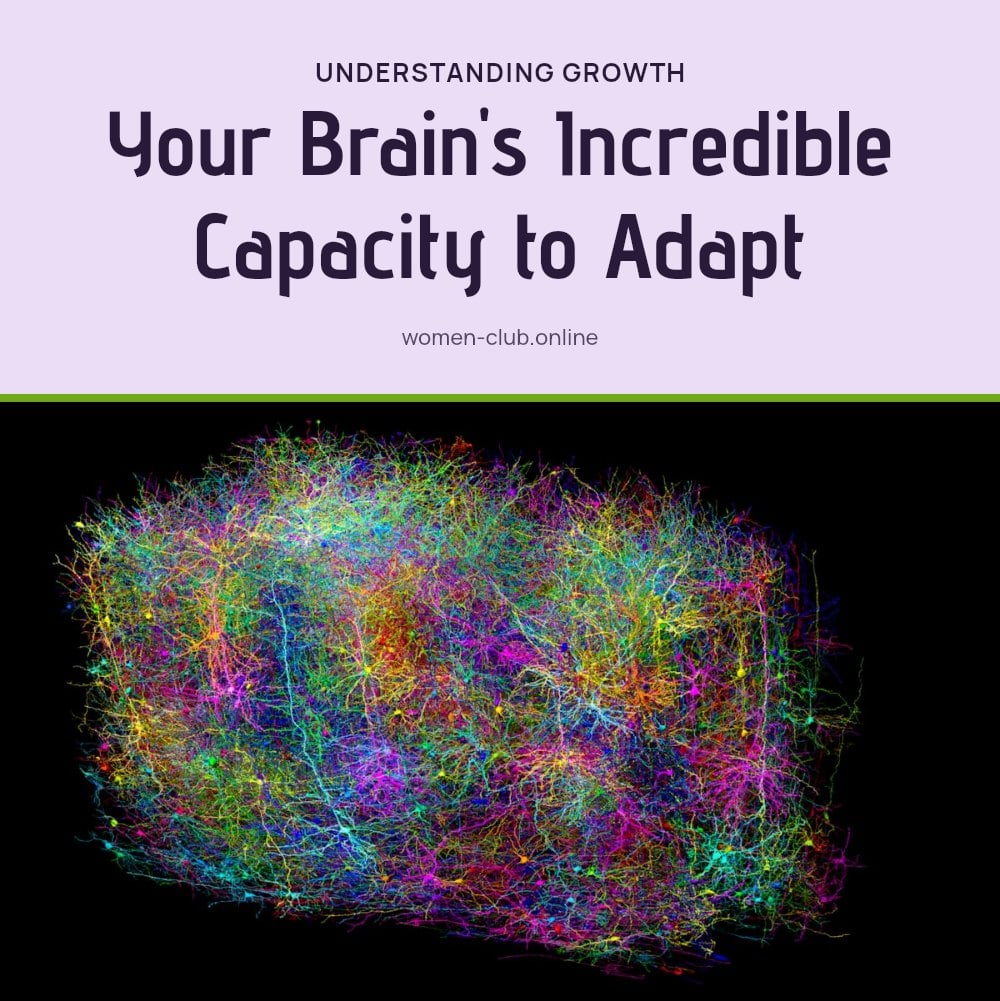
Your Brain’s Amazing Ability to Adapt and Grow
Neuroplasticity isn’t just for kids. Adult brains are incredibly adaptable, constantly reshaping themselves based on what you do and learn. This process involves both structural changes, like physical alterations in brain regions, and functional changes, where your brain reassigns functions to different areas. This constant reshaping is how you learn a new language, pick up a musical instrument, or break old patterns you thought were stuck. It’s happening all the time, whether you’re practicing a new recipe or navigating a different route home.
How to Harness Neuroplasticity for Positive Habits
How to Harness Neuroplasticity for Positive Habits
You can actively encourage your brain to change in ways that support your goals. Here are five methods that can work, but it’s often best to focus on one or two at a time to avoid overwhelm.
- Engage in continuous learning: Seek out novel and challenging activities. Learning a new language, taking up an instrument, or trying a new hobby forces your brain to create fresh neural pathways. The key is to push just beyond your comfort zone.
- Practice mindfulness and meditation: Regular meditation can influence brain structure and function, particularly in areas related to focus and emotional regulation. Even ten minutes a day can make a difference over time.
- Prioritize consistent, quality sleep: Sleep is critical for memory consolidation and the neuroplastic processes that turn new experiences into lasting changes. Aim for seven to nine hours per night to give your brain time to do its work.
- Incorporate regular physical activity: Exercise enhances neuroplasticity, especially in memory-related areas like the hippocampus. A brisk walk, a dance class, or any movement that gets your heart rate up supports your brain’s ability to adapt.
- Use repetition and consistent practice: Strengthening new neural pathways requires repeated activation. Practice a new skill daily, even for short periods, to help those connections become stronger and more automatic.
My tip: Pick just one method to focus on for the first month. Trying all five at once can lead to overwhelm, which actually works against neuroplasticity.
Best Tips for Maximizing Your Brain’s Potential
To make the most of your brain’s plasticity, approach change with the right mindset. Break down large goals into smaller, manageable steps so habit formation feels less daunting. Seek out novel experiences and challenge your brain with new tasks regularly to keep it active. Be patient and consistent; neuroplastic change takes time and sustained effort over weeks to months. Understand that chronic stress and negative emotions can hinder neuroplasticity, so manage stress effectively through relaxation techniques or time in nature. Finally, combine mental and physical activities for a synergistic effect on brain health. A walk while listening to a new podcast counts.
Common Misconceptions About Brain Plasticity
Myth: Adult brains are fixed and can’t change. The reality is your brain remains capable of adaptation throughout life, not just in childhood. Neuroplasticity is a lifelong process.
Mistake: Expecting instant results. Real change from learning a new skill or breaking a habit requires consistent effort over weeks to months, not overnight. Patience is key.
Misunderstanding: Underestimating lifestyle factors. Sleep, diet, and exercise directly support brain plasticity. Neglecting them can slow your progress.
Confusion: Thinking positive thinking alone rewires your brain. Neuroplasticity demands concrete action and engagement, not just wishing for change.
Overreach: Trying to change too many habits at once without a clear plan. This can lead to overwhelm and make lasting change difficult. Start with one specific goal and build from there.
How Long Does It Take to See Real Brain Changes?
Neuroplastic changes happen continuously, but noticeable results from forming a new habit or learning a skill typically require consistent effort. Expect weeks to months of dedicated practice for significant, lasting changes, depending on the complexity of what you’re learning.
The main cost is your time and consistent effort, not a financial investment. My tip: Consistency matters more than intensity. Practicing a little each day beats cramming once a week for long-term brain change.
When to Talk to a Professional About Brain Health
If you experience significant cognitive decline, memory issues, or persistent difficulty forming new habits, consult a healthcare professional. These could be symptoms of underlying health issues that need medical attention.
While neuroplasticity is powerful, it is not a substitute for medical treatment of severe neurological conditions. Always follow professional medical advice.
Caution: Be wary of products or programs promising instant or miracle brain changes without scientific backing. Real change takes time and effort.
Frequently Asked Questions
How long does it take to see neuroplastic changes?
Neuroplastic changes happen continuously, but noticeable results from forming a new habit or learning a skill typically require consistent effort over weeks to months. The exact timeline depends on the complexity of the change and how often you practice. Simple habits may show progress in a few weeks, while more complex skills can take longer.
Can neuroplasticity help with anxiety or depression?
Neuroplasticity plays a role in how your brain processes emotions and thoughts, so practices like mindfulness and cognitive behavioral techniques may help reshape patterns linked to anxiety or depression. However, if you are experiencing significant mental health symptoms, it is important to consult a healthcare professional for proper treatment and guidance.
Is brain training effective for neuroplasticity?
Brain training games and puzzles can be helpful if they challenge you with novel and increasingly difficult tasks. However, the most effective way to promote neuroplasticity is to engage in real-world learning and skill-building, such as learning a language or playing an instrument. Variety and novelty matter more than any single app.
What is the difference between functional and structural plasticity?
Functional plasticity refers to your brain’s ability to move functions from a damaged area to a healthy one, often seen after injury. Structural plasticity involves physical changes in the brain’s structure, such as the growth of new neurons or strengthening of connections, which happens during learning and habit formation.
Does diet impact neuroplasticity?
A balanced diet rich in omega-3 fatty acids, antioxidants, and other nutrients supports overall brain health, which can create a favorable environment for neuroplasticity. While diet alone doesn’t directly rewire your brain, it provides the fuel your brain needs to adapt and learn effectively. Poor nutrition may hinder the process.
Final Thoughts
Your brain is designed to change, and you can guide that change with consistent, intentional action. Start with one small habit or skill you want to build, and commit to practicing it daily for at least a few weeks. Expect gradual progress, not overnight transformation. The key is patience and repetition. Every time you practice, you’re strengthening the neural pathway that makes the behavior easier over time.
This article is for general informational purposes only and does not constitute medical or professional advice. Neuroplasticity is a complex biological process, and individual results vary. If you are experiencing significant cognitive decline, memory issues, or other health concerns, please consult a qualified healthcare professional for personalized guidance.








