
If you know omega-3s are vital for your brain, heart, and inflammation control but you just don’t enjoy fish, you’re not alone. The good news is there are plenty of delicious, non-fish ways to get these essential fats into your diet. This article covers the best plant-based and fortified sources of omega-3s, plus tips to help you incorporate them seamlessly into your meals.

Key Takeaways
- Grind flaxseeds before eating them to unlock their omega-3 content.
- Include a variety of ALA sources like chia seeds, walnuts, and hemp seeds daily.
- Choose fortified foods like eggs or milk for EPA and DHA without fish.
- Algae oil is a direct plant-based source of EPA and DHA for vegans.
- Store omega-3 rich oils in the refrigerator to prevent oxidation.
Why Omega-3s Are Essential for Your Health
Omega-3 fatty acids are essential fats your body needs but cannot produce on its own. They play a key role in brain function, heart health, and reducing inflammation. The three main types are ALA (from plants like flaxseeds), EPA, and DHA (mostly from marine sources). Your body can convert a small amount of ALA into EPA and DHA, but the conversion rate is low. Even if you avoid fish, you can meet your omega-3 needs through plant-based foods, fortified products, and targeted supplements like algae oil.
1. Embrace Plant-Based Powerhouses
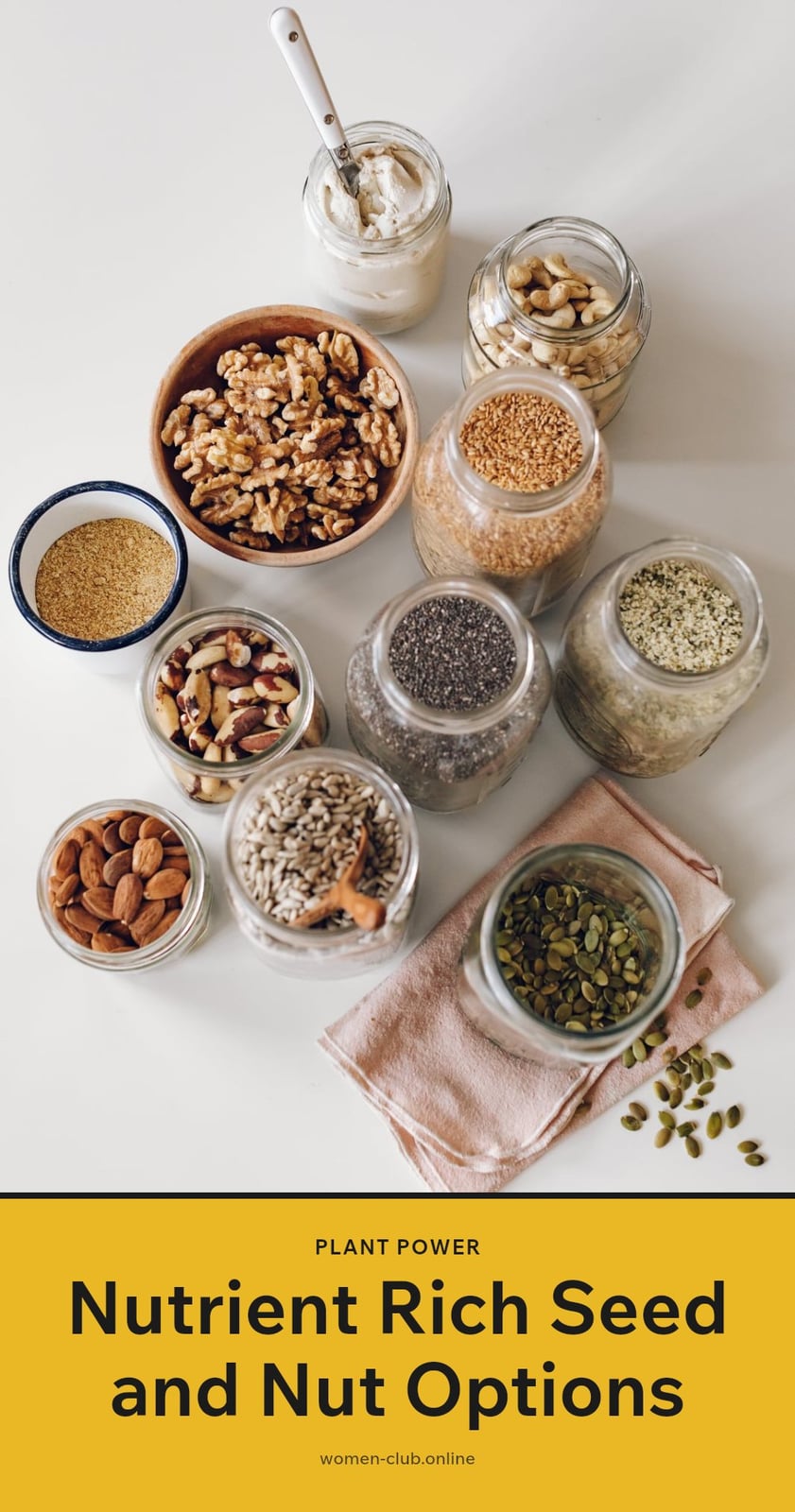
Flaxseeds, chia seeds, and walnuts are top-tier sources of ALA, a crucial omega-3. My tip: Grind flaxseeds right before eating them to unlock their omega-3 benefits, as whole seeds pass through undigested. Add ground flax or chia to smoothies, oatmeal, or baked goods. Sprinkle walnuts over salads or yogurt. Hemp seeds are another great ALA source, perfect for sprinkling on toast or blending into dressings.
2. Explore Fortified Foods and Algae Oil

Look for eggs, milk, and some yogurts that are fortified with omega-3s, specifically EPA and DHA. These offer a convenient way to get marine-sourced omega-3s without eating fish. For direct plant-based EPA and DHA, algae oil is your best friend. Algae oil is what fish eat to get their omega-3s, making it a direct and potent vegan source, available in supplements or some fortified foods.
3. Don’t Forget Other Plant Sources
While not as concentrated as flax or chia, foods like edamame, kidney beans, and Brussels sprouts still contribute ALA to your diet. Canola oil also contains ALA, making it a good choice for cooking, but avoid overheating it to protect the fatty acids. Aim for a diverse range of plant foods to ensure you are getting a broad spectrum of nutrients, including various omega-3s.
Common Omega-3 Mistakes to Avoid
Not grinding flaxseeds: Whole flaxseeds pass through your system largely undigested, so you miss the ALA. Always grind them just before eating to unlock the omega-3 benefits.
Assuming all plant omega-3s are equal: ALA is valuable, but your body converts only a small amount into EPA and DHA. If you avoid fish, prioritize algae oil or fortified foods for direct EPA and DHA.
Overheating omega-3 rich oils: High heat degrades sensitive omega-3 fatty acids. Use flaxseed oil in dressings or drizzle it over cooked dishes instead of cooking with it.
Ignoring fortified foods: Eggs, milk, and some yogurts are fortified with EPA and DHA. They offer a simple way to meet your needs without supplements or fish.
Frequently Asked Questions
Can I get enough omega-3s from a vegan diet?
Yes, a vegan diet can provide adequate omega-3s if you focus on ALA-rich foods like flaxseeds, chia seeds, and walnuts. For EPA and DHA, the most direct plant-based option is algae oil, available as a supplement or in fortified foods. Since the body’s conversion of ALA to EPA and DHA is limited, including algae oil is a smart move for vegans.
Are omega-3 supplements necessary if I eat a balanced diet?
Not necessarily if you regularly eat omega-3 rich foods like ground flaxseeds, walnuts, chia seeds, and fortified eggs or milk. However, if you have specific health concerns or follow a strict vegan diet, a supplement may help you reach optimal levels. Always consult a healthcare professional before starting any supplement, especially if you take blood-thinning medication.
Do cooking methods affect omega-3 content in foods?
Yes, high heat can degrade omega-3 fatty acids. Use gentle cooking methods for omega-3 rich oils like flaxseed or canola oil, and avoid overheating them. For seeds and nuts, raw or light toasting preserves their ALA content. Grinding flaxseeds just before use also helps protect the fatty acids from oxidation.
What are the best non-fish sources of omega-3?
Top plant-based sources include ground flaxseeds, chia seeds, and walnuts for ALA. For EPA and DHA, algae oil is the best non-fish option. Fortified foods like eggs, milk, and yogurt also provide marine-sourced omega-3s without fish. Other contributors include hemp seeds, edamame, kidney beans, and Brussels sprouts.
How much omega-3 do I need daily?
The recommended daily intake of ALA for adult women is about 1.1 grams. For EPA and DHA, many health organizations suggest at least two servings of fatty fish per week, but if you don’t eat fish, aim for fortified foods or algae oil to meet those needs. Individual requirements may vary, so a healthcare provider can give personalized guidance.
Final Thoughts
Your best strategy is to mix and match several non-fish sources: sprinkle ground flax on oatmeal, toss walnuts into salads, and choose fortified eggs or milk when possible. If you follow a vegan diet, consider an algae-based supplement for EPA and DHA. Remember, consistent daily intake matters more than occasional large amounts, and the benefits build over time. Start small, and your body will thank you.
This article is for informational purposes only and does not constitute medical advice. Individual omega-3 needs may vary based on health status, medications, and dietary patterns. Always consult a healthcare professional before starting a new supplement or making significant changes to your diet.








