Pigmentation Care: Sunscreen Habits and Brightening Ingredients

Dealing with uneven skin tone or dark spots can feel frustrating, but the right approach makes a real difference. Hyperpigmentation happens when your skin produces too much melanin, often triggered by sun exposure, inflammation, or hormonal shifts. This article covers the two essential steps for managing it: consistent sun protection and smart use of brightening ingredients.
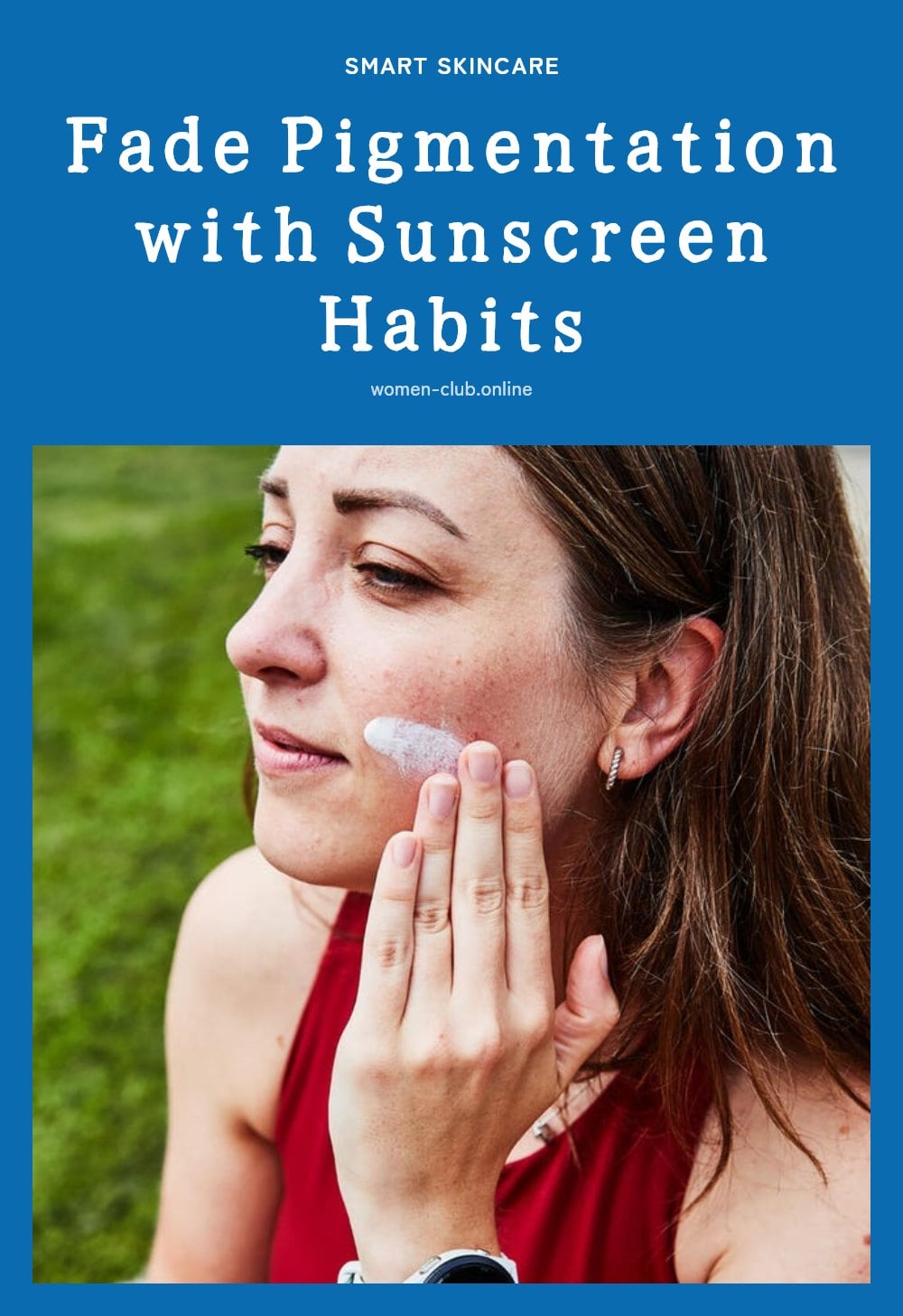
Key Takeaways
- Apply broad-spectrum sunscreen with SPF 30 or higher every single day, even indoors.
- Reapply sunscreen every two hours when in direct sunlight or after sweating or swimming.
- Incorporate brightening ingredients like Vitamin C, niacinamide, or retinoids into your routine.
- Expect visible results in 4 to 12 weeks with consistent use, and continued improvement over months.
- Consult a dermatologist if pigmentation changes rapidly or over-the-counter products don’t work after several months.
What is Pigmentation and How to Manage It?
Pigmentation is the natural coloring of your skin, determined by melanin. Hyperpigmentation happens when certain areas become darker due to an excess of melanin. Managing it requires a two-pronged approach: diligent sun protection to prevent new spots and specific skincare ingredients to fade existing ones. Consistency is key, as fading dark spots takes time and a dedicated routine.
1. Understand Your Pigmentation Type
Hyperpigmentation shows up in different forms, and knowing yours helps you treat it better. Sun spots come from UV exposure. Post-inflammatory hyperpigmentation (PIH) follows skin injury like acne. Melasma is often hormonal, showing as brown patches on the face. Melasma usually needs a more targeted approach, so identifying the type matters.My tip: If you’re unsure, a dermatologist can help identify your specific type.
2. Daily Broad-Spectrum Sunscreen
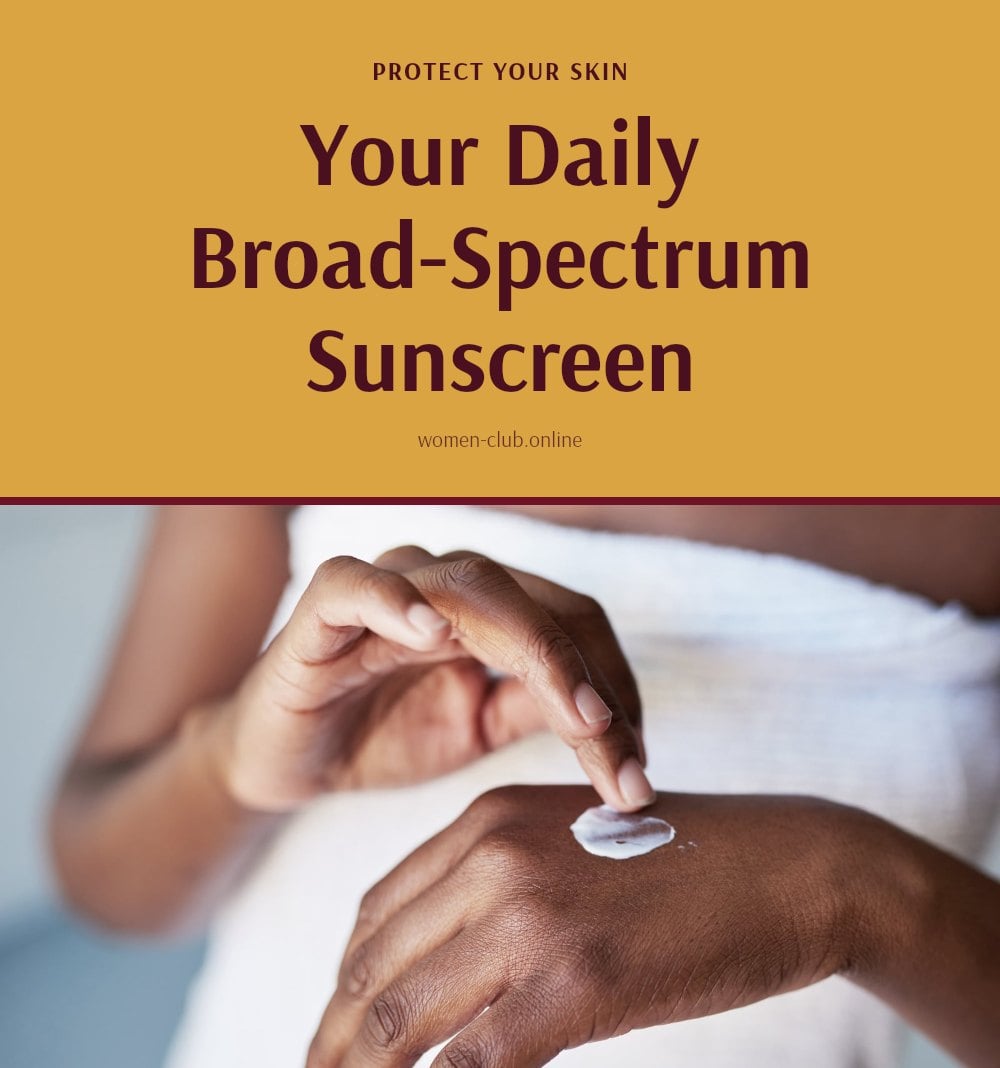
Apply broad-spectrum sunscreen with SPF 30 or higher every single day, rain or shine, even indoors near windows. Broad-spectrum protection guards against both UVA and UVB rays, which are major triggers for melanin production.My tip: Make sunscreen the last step in your morning skincare routine, before makeup.
3. Reapply Sunscreen Consistently
Sunscreen isn’t a one-and-done application. Reapply every two hours when you’re in direct sunlight, or immediately after sweating or swimming. Even on cloudy days, UV rays penetrate, so consistent reapplication is crucial for preventing new dark spots.Tip: Keep a travel-sized sunscreen in your bag for easy reapplication throughout the day.
4. Wear Protective Clothing

Wear protective clothing: Supplement your sunscreen with physical barriers like a wide-brimmed hat, sunglasses, and UPF-rated clothing when you are outdoors for extended periods. This extra layer blocks UV radiation from reaching your skin, which is the primary trigger for melanin production.
- Good to know: Look for stylish accessories that also offer sun protection, such as a chic UPF scarf or a packable sun hat.
5. Incorporate Vitamin C Serum
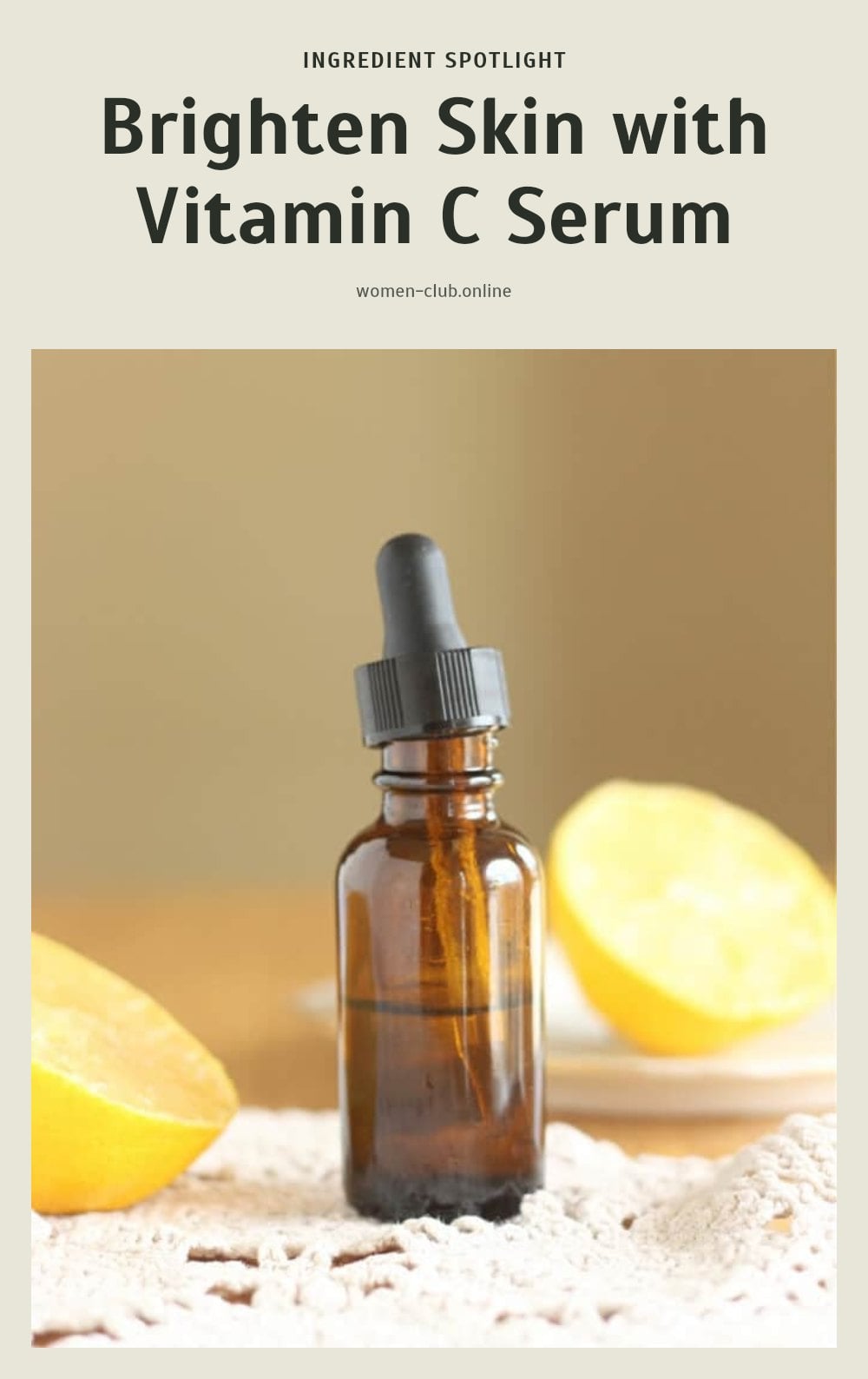
Incorporate Vitamin C serum: Vitamin C (L-ascorbic acid) is a potent antioxidant that brightens your skin by inhibiting melanin production and protecting against environmental damage. Apply it in the morning after cleansing and before your sunscreen for maximum benefit.
- Pro move: Choose serums in dark, airtight packaging to keep the ingredient stable and effective longer.
6. Use Niacinamide for Even Tone
Use niacinamide for even tone: Niacinamide (Vitamin B3) works by reducing the transfer of melanin to your skin cells, which visibly improves uneven tone and fades dark spots. It also strengthens your skin barrier and lowers inflammation, helping to prevent new post-inflammatory hyperpigmentation from forming.
- Quick tip: Niacinamide is generally well-tolerated and can be used in your morning or evening routine without irritation.
7. Add Retinoids to Your Routine

Add retinoids to your routine: Retinoids like retinol or adapalene speed up skin cell turnover, helping your skin shed pigmented cells and reveal brighter skin underneath. Start with a low concentration two to three times a week, then gradually increase frequency to avoid redness or peeling.
- Caution: Retinoids increase sun sensitivity, so always apply them at night and be extra diligent with sunscreen every morning.
8. Exfoliate with AHAs
Alpha Hydroxy Acids (AHAs) like glycolic and lactic acid gently exfoliate the skin’s surface, helping to remove pigmented cells. Use an AHA cleanser or serum a few times a week, and never overdo it, over-exfoliation can cause irritation that worsens pigmentation.
Caution: AHAs increase sun sensitivity, so consistent sunscreen use is non-negotiable when you include them in your routine.
9. Consider Kojic Acid or Alpha Arbutin
Kojic acid and alpha arbutin are melanin inhibitors that block the enzyme responsible for melanin production. They are commonly found in serums or creams and work well for stubborn dark spots.
Tip: These ingredients can be used alongside Vitamin C or Niacinamide for a multi-pronged approach to fading pigmentation.
10. Explore Azelaic or Tranexamic Acid
Azelaic acid offers anti-inflammatory and skin-brightening benefits, making it ideal for post-inflammatory hyperpigmentation and redness from rosacea. Tranexamic acid is gaining recognition for significantly reducing melasma and PIH, often in targeted serums.
Good to know: These are frequently recommended by dermatologists for more persistent pigmentation concerns.
11. Be Patient and Consistent
Fading pigmentation is a gradual process. Visible results typically take 4 to 12 weeks of consistent use, with continued improvement over several months. Skipping steps or expecting quick fixes can lead to frustration and less effective results.
Pro move: Take ‘before’ photos to track your progress and stay motivated.
When to Consult a Professional
If your pigmentation is rapidly changing in size, shape, or color, see a dermatologist immediately to rule out serious conditions. If over-the-counter products haven’t shown results after several months, a professional can offer stronger prescription treatments or in-office procedures. Severe irritation, redness, or burning from any product means stop using it and get medical advice. Always consult a doctor if you are pregnant or breastfeeding before introducing new active ingredients.
Frequently Asked Questions
How long does it take to see results from pigmentation treatments?
Visible results typically take 4 to 12 weeks of consistent use, with continued improvement over several months. The timeline depends on the type of pigmentation, the products you use, and how diligently you protect your skin from the sun. Patience and consistency are essential.
Can pigmentation come back after treatment?
Yes, pigmentation can return, especially if you stop using sunscreen or if the underlying trigger, like sun exposure or hormonal changes, remains. Maintaining a daily sunscreen habit and continuing with a maintenance routine of brightening ingredients can help keep dark spots from reappearing.
Is natural sunlight good for pigmentation?
No, natural sunlight is not good for pigmentation. UV radiation from the sun stimulates melanin production, which can worsen existing dark spots and trigger new ones. Even a few minutes of unprotected exposure can undo progress, so always wear broad-spectrum sunscreen with SPF 30 or higher when outdoors.
Can diet affect skin pigmentation?
There is no strong evidence that diet directly causes or cures hyperpigmentation. However, a balanced diet rich in antioxidants, vitamins, and minerals supports overall skin health. If you suspect a specific food is affecting your skin, it’s best to discuss it with a dermatologist or a healthcare provider.
What’s the difference between hyperpigmentation and hypopigmentation?
Hyperpigmentation refers to areas of skin that become darker than the surrounding skin due to excess melanin. Hypopigmentation is the opposite, where patches of skin become lighter because of a lack of melanin. They have different causes and treatments, so a proper diagnosis from a dermatologist is important.
Final Thoughts
My tip: Stick with a routine that combines daily sunscreen and one or two targeted brightening products, like a Vitamin C serum in the morning and a retinoid at night. Realistic results take 4 to 12 weeks, so patience is key. Stay consistent, and your skin will thank you.
This article is for informational purposes only and does not constitute medical advice. Pigmentation concerns vary by individual, and what works for one person may not work for another. If you have a persistent or serious skin condition, or if your pigmentation changes rapidly, consult a dermatologist or healthcare professional.








