Pores Explained: Why They Look Bigger and How to Care for Them

You’ve probably spent a lot of time staring at your pores in the mirror, wondering why they look so noticeable. The short answer is that pore size is mostly genetic, and you can’t permanently shrink them. This article explains what actually makes pores appear larger and walks you through a realistic, step-by-step routine to help them look smaller and your skin smoother.
Key Takeaways
- Pores are fixed structures; you cannot permanently shrink them, only minimize their appearance.
- Excess oil, dead skin cells, sun damage, and aging all make pores look larger.
- Deep cleansing with a salicylic acid or oil-based cleanser is the first step to clearing out pore debris.
- Retinoids help by controlling oil, speeding cell turnover, and building collagen around pores.
- Daily sunscreen with at least SPF 30 prevents collagen breakdown that enlarges pores over time.
Can You Really Shrink Your Pores?
You’ve likely seen products claiming to shrink your pores, but the truth is pores are fixed structures. Their actual size cannot be permanently changed. What you can do is minimize their visible appearance. Pores look larger when they’re filled with excess oil, dead skin cells, or when sun damage and aging have broken down the collagen and elastin around them. A consistent skincare routine that keeps pores clear and supports skin health can make a significant difference in how noticeable they are.
Why Your Pores Might Look Larger Than They Are
The Biology Behind Your Pores
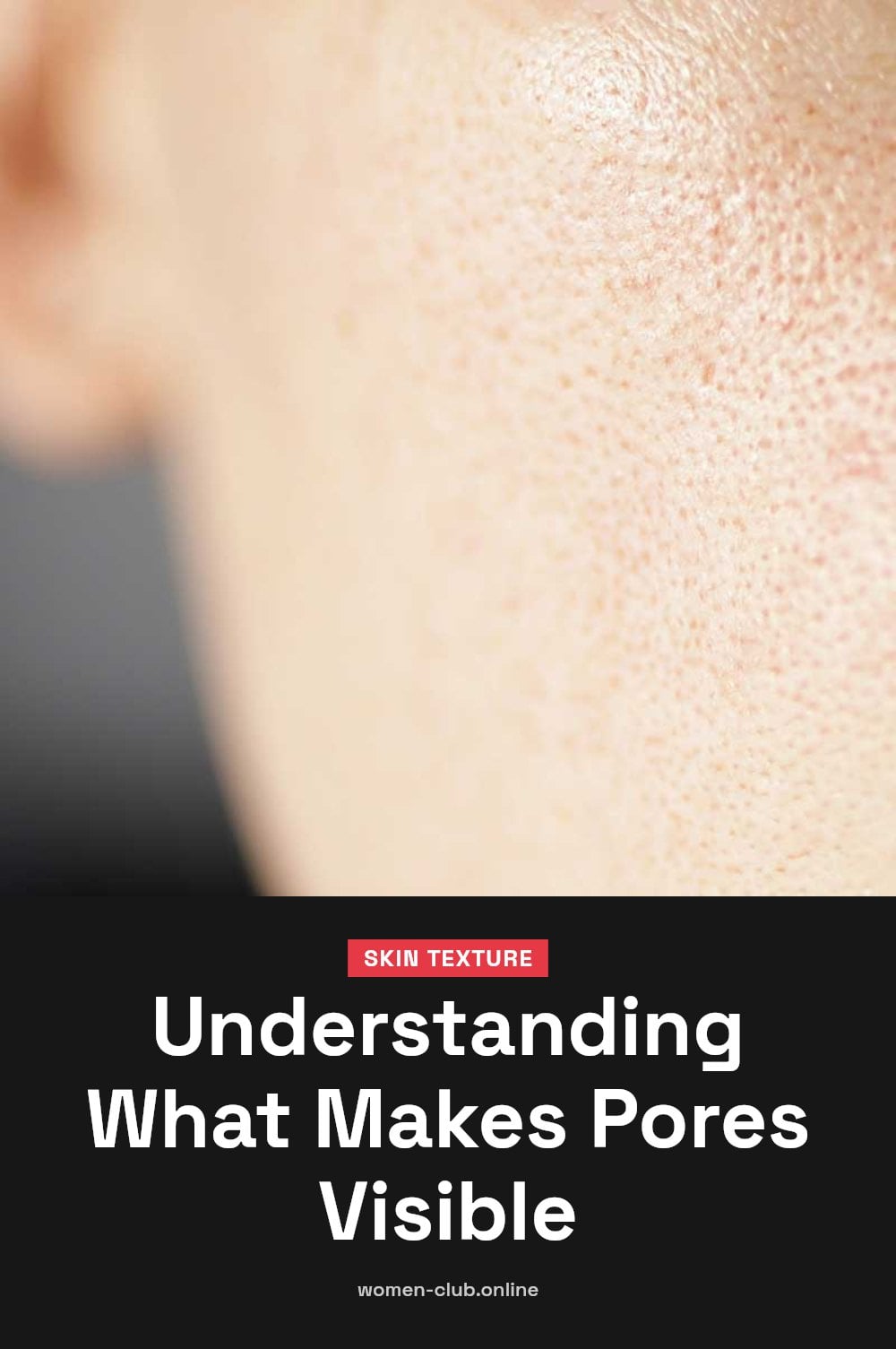
Pores are tiny openings in your skin that release sweat and sebum (oil) and house hair follicles. There are two types: invisible sweat pores and visible oil pores, which are the ones you see. Genetics largely determine your natural pore size, so you can’t change what you were born with.
What Makes Them Look Bigger
- Excess sebum: When your oil glands produce too much sebum, it fills and stretches the pore walls, making them more noticeable.
- Dead skin buildup: Accumulated dead skin cells can clog pores, further stretching them and leading to blackheads or whiteheads.
- Sun damage: UV rays break down collagen and elastin, reducing skin elasticity and causing pores to sag and appear larger.
- Aging: Natural collagen and elastin loss over time makes pores more prominent.
- Hormonal fluctuations: Changes in hormone levels can increase oil production, impacting pore appearance.
The 5-Step Method to Minimize Pore Appearance
Step 1: Deep Cleanse to Remove Buildup
Start by thoroughly cleansing your pores to remove accumulated oil and dead skin cells. Use a salicylic acid-based cleanser or an oil cleanser massaged into dry skin. This step clears out the debris that stretches pore walls.
Step 2: Control Oil Production
Incorporate ingredients that regulate sebum output. Retinoids are highly effective, as are niacinamide, green tea, L-carnitine, and azelaic acid. These help reduce the amount of oil that fills your pores throughout the day.
Step 3: Manage Surface Oil
Use a moisturizer formulated with oil-absorbing ingredients like perlite or silica. These particles soak up excess oil as it reaches the skin’s surface, keeping your complexion matte and pores less visible.
Step 4: Promote Cell Turnover
Retinoids or salicylic acid encourage healthy skin cell turnover and thin the epidermal layer. This prevents dead cells from accumulating inside pores and keeps the pore opening clear.
Step 5: Strengthen Collagen Support
Build collagen around pores to provide structural support. Retinoids and glycolic acid can help, and in-office procedures like microneedling or laser resurfacing (erbium, CO2, Fraxel) are highly effective for restructuring skin and minimizing pore appearance.
Your Daily Skincare Routine for Smaller-Looking Pores

- Cleanse your face twice daily: Start your morning with a gentle salicylic acid or oil-based cleanser to remove oil and dead skin cells that built up overnight. In the evening, do a second cleanse to take off makeup, sunscreen, and daily grime. Twice-daily cleansing keeps pores clear and ready for the next steps.
- Apply a serum to control oil: After cleansing, use a serum with niacinamide, green tea, or azelaic acid. These ingredients help regulate sebum production and soothe the skin. Let the serum absorb for a minute before moving on.
- Moisturize with an oil-absorbing formula: Choose a non-comedogenic moisturizer that contains perlite or silica. This hydrates without clogging pores, and the absorbent particles manage surface oil as it forms. Even oily skin needs moisture to avoid triggering extra oil production.
- Protect with SPF 30+ sunscreen: Finish your morning routine with a broad-spectrum SPF 30 or higher. Sun exposure breaks down collagen and elastin, which makes pores sag and look larger. Daily sunscreen preserves that support structure.
- Incorporate a retinoid in the evening: After your evening cleanse, apply a pea-sized amount of retinoid. It regulates cell turnover and reduces oil production, addressing two major causes of visible pores. Start slowly, using it two to three times a week, and build up tolerance. Tip: If you use a retinoid, skip pore strips or harsh exfoliation on the same night to avoid irritation.
Here is the method in action: Doctorly demonstrates it in about 19 minutes. The how-to part starts at 1:22.
Common Pore Care Mistakes to Avoid
Believing pores can open and close: Pores are fixed structures. Focus on minimizing their appearance, not shrinking them.
Over-cleansing or harsh scrubbing: This can strip your skin, leading to irritation and potentially increasing oil production.
Skipping sunscreen: Neglecting SPF allows sun damage to break down collagen, making pores appear larger.
Ignoring hydration: Even oily skin needs moisture; skipping it can trick your skin into producing more oil.
Aggressively picking or squeezing: This can cause inflammation, infection, and permanent scarring.
When to Consult a Dermatologist for Pore Concerns
If you have severe or persistent acne that doesn’t respond to over-the-counter treatments.
If you experience excessive redness, burning, itching, or peeling from skincare products.
If you’re considering in-office procedures like microneedling or laser resurfacing for pore refinement.
If you have underlying skin conditions, such as rosacea, that might be affecting your pore appearance.
If you’re unsure about which active ingredients are right for your skin type and concerns.
Expert Tips for Maintaining Clearer-Looking Skin
Be patient and consistent: Visible improvements in pore appearance take time, often several weeks to months of dedicated routine.
Understand your skin: Identify what triggers excess oil or breakouts for you to better tailor your routine.
Use non-comedogenic products: Always choose makeup and skincare labeled ‘non-comedogenic’ to avoid clogging pores.
Cleanse after sweating: Always wash your face after exercise or heavy sweating to prevent pore blockages.
Don’t rely on mirrors alone: Mirrors can exaggerate pores; focus on overall skin health and texture rather than microscopic inspection.
Frequently Asked Questions
Are large pores a sign of unhealthy skin?
Not necessarily. Pore size is largely determined by genetics, so some people naturally have larger pores without any underlying skin issue. However, if your pores suddenly appear larger or become clogged with blackheads or whiteheads, it could signal a change in oil production, sun damage, or loss of elasticity. A consistent skincare routine can help manage the appearance.
Can diet affect the appearance of pores?
There is some evidence that a high-glycemic diet (sugary foods and refined carbs) can increase sebum production, which might make pores look more prominent. Dairy may also trigger oiliness in some people. While diet isn’t a direct cause of pore size, eating a balanced diet with plenty of vegetables and healthy fats may support overall skin health.
How long does it take to see results from a pore-minimizing routine?
Most people need to follow a consistent routine for several weeks to months before seeing noticeable improvement. Retinoids and chemical exfoliants work gradually to clear pores and build collagen, so patience is key. You might see some initial improvement in texture after a few weeks, but the best results come after two to three months of regular use.
Is it okay to use pore strips regularly?
Pore strips can be used sparingly, about once a month or every two months, to physically remove debris from pores. Using them more often can irritate the skin, especially if you also use retinoids or other exfoliating products. They are a quick fix, not a long-term solution, and should not replace a consistent cleansing and exfoliating routine.
Final Thoughts
The key to smaller-looking pores isn’t a single miracle product; it’s a consistent routine that tackles oil, buildup, and collagen support at the same time. Expect to stick with it for several weeks to months before you see a real difference. Start with a good cleanse, add a retinoid slowly, and never skip your sunscreen. That’s the honest path to smoother, clearer-looking skin.
This article is for informational purposes only and does not constitute medical or professional skincare advice. Always consult a dermatologist or licensed skincare professional for persistent skin concerns, severe acne, or before starting new treatments or procedures.