
You already know the feeling: a long to-do list, but somehow the most important things keep getting pushed to tomorrow. Setting priorities is the way to break that cycle. This article walks you through a simple step-by-step method to cut through the clutter and focus on what actually matters, plus a few tools and tips to make it stick.
Key Takeaways
- Use the ABCDE method: label tasks A (critical), B (should do), C (nice to do), D (delegate), E (eliminate).
- Do not start any B tasks until all A tasks are finished.
- Limit A tasks to about three items and rank them A1, A2, A3.
- Schedule important but non-urgent tasks to protect long-term goals.
- Review and adjust your priorities daily or weekly to stay aligned.
What Does It Mean to Set Priorities?
Setting priorities means intentionally choosing what matters most to you and then aligning your daily actions with that choice. It goes beyond making a to-do list; it requires understanding your core values and long-term goals so they can guide your decisions. When you prioritize effectively, you reduce stress, improve your productivity, and build a stronger sense of purpose and satisfaction in your life.
Tools to Help You Prioritize Effectively
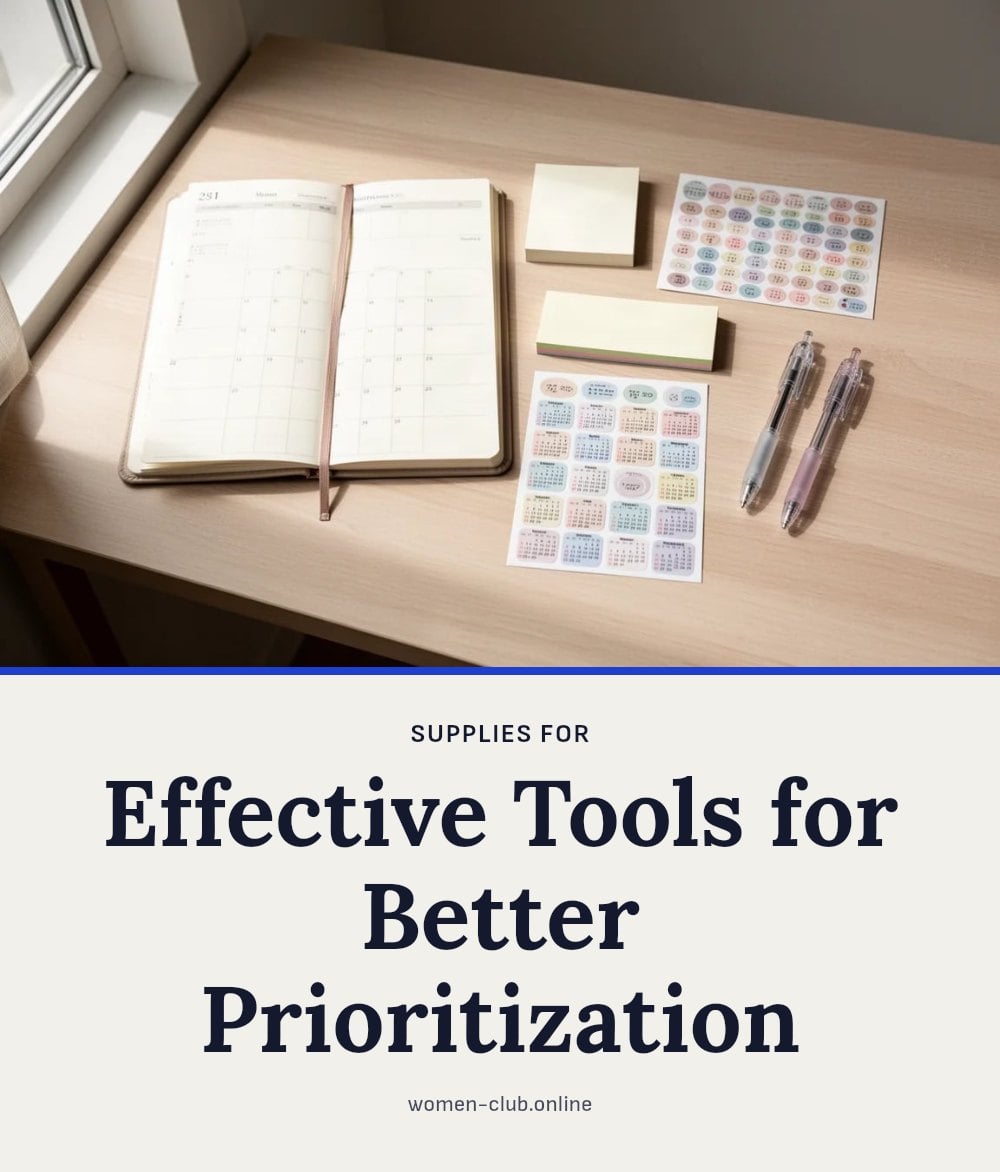
Having the right tools makes the process smoother and more consistent. Here is what I recommend keeping on hand:
- Planner or journal: Use it to write down tasks and reflect on what matters most each day.
- Digital calendar or task management app: Schedule your priorities and set reminders so nothing slips through.
- Whiteboard or sticky notes: Great for visual organization and making quick adjustments as priorities shift.
- Pen and paper: Start with a full task dump and then categorize everything without digital distractions.
Step-by-Step: The ABCDE Method for Prioritization
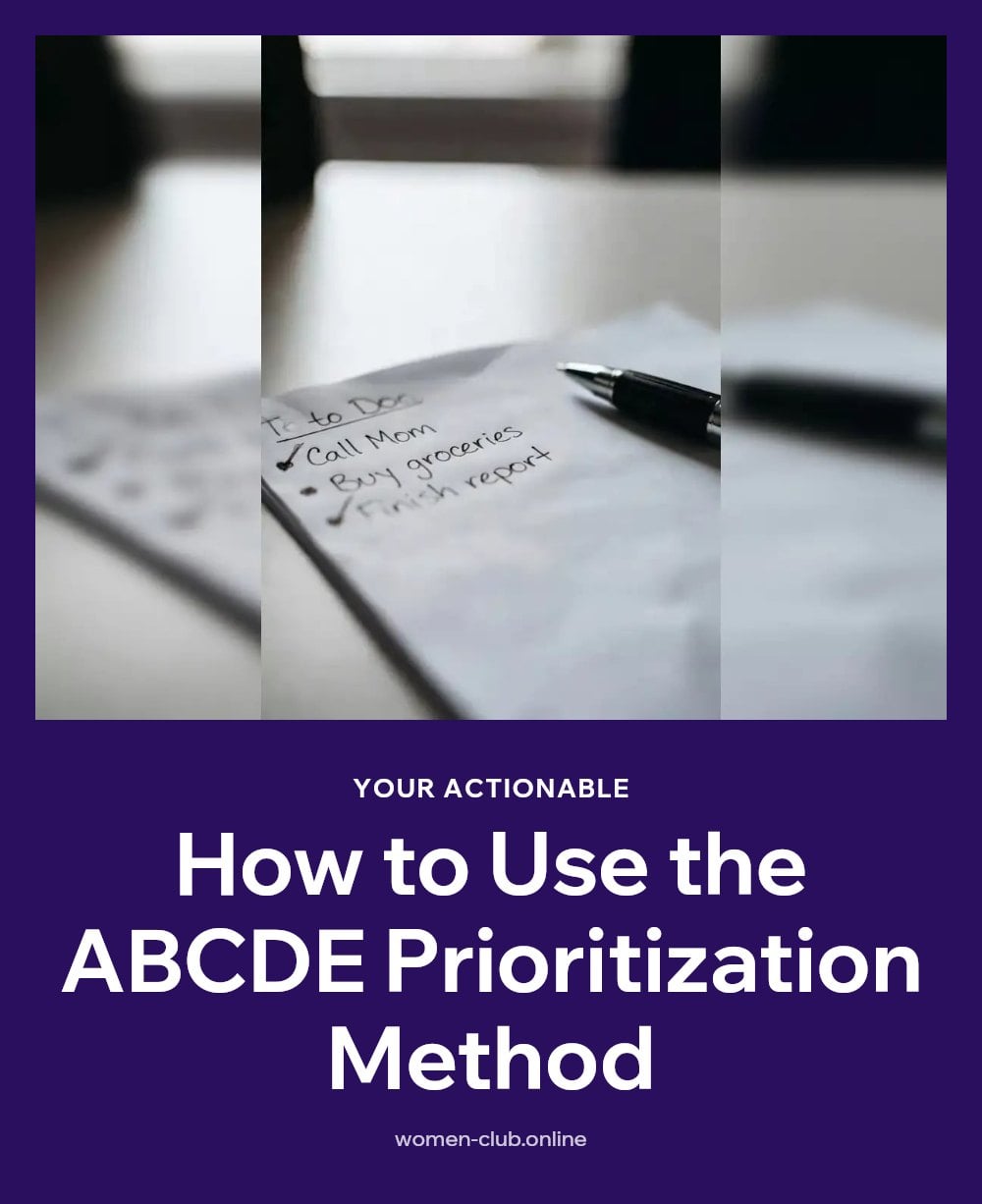
The ABCDE method is a straightforward way to cut through overwhelm and focus on what truly matters. Here is how to use it step by step.
- Write down all tasks: Grab a pen and paper and list everything you need to complete. Do not filter yet, just get it all out.
- Assign a letter: Go through your list and give each task a letter (A, B, C, D, or E) based on its importance and urgency.
- Categorize A tasks: These are your most important items. Limit yourself to about three and rank them A1, A2, A3 in order of priority. These tasks have significant negative consequences if left undone.
- Categorize B tasks: These are things you should do, but the consequences of not doing them are minor. Do not start any B tasks until every A task is finished.
- Categorize C tasks: These are tasks you would like to do but have no real consequences if skipped. They are generally not tied to your main goals.
- Categorize D tasks: These can be delegated to someone else. Freeing up your time for A tasks is the goal here.
- Categorize E tasks: These are tasks you can eliminate entirely. They are not necessary and simply clutter your list.
- Focus on A and B first: Channel your energy into completing your A and B tasks before moving to anything lower.
- Revisit and re-evaluate: Priorities shift, emergencies happen, and task importance changes. Regularly check your list and adjust the letters as needed.
Here is the method in action: Vihan Chelliah demonstrates it in about 4 minutes. The how-to part starts at 0:51.
Understanding the Difference Between Urgent and Important
Understanding the Difference Between Urgent and Important
Urgent tasks demand your immediate attention. They are driven by external deadlines, ringing phones, or last-minute requests. Important tasks, on the other hand, contribute directly to your long-term goals and values, even if they do not have a pressing deadline. The key is that urgency can easily mask true importance. Many people fall into the trap of constantly putting out fires (urgent but not important) while neglecting the work that actually moves them forward (important but not urgent). Learning to pause and ask yourself, “Is this truly important or just urgent?” is a game-changer for staying focused on what matters.
Common Prioritization Mistakes and How to Avoid Them
Treating all tasks equally: Not every item on your list carries the same weight. Use a system like the ABCDE method to separate the critical from the optional. Failing to define clear goals: Without knowing what you truly want, you cannot judge what matters. Start by identifying your core values and long-term objectives before you assign priorities. Overcommitting: Taking on too many tasks leads to burnout and scattered focus. Be realistic about your capacity and practice saying ‘no’ to requests that do not align with your goals. Confusing urgency with importance: A ringing phone feels urgent but may not move you toward your goals. Prioritize based on impact, not just the pressure of the moment. Allowing distractions: Constant interruptions break your concentration. Schedule dedicated time for high-priority work and minimize disruptions during those blocks.
Smart Tips for Maintaining Your Focus and Adapting Priorities

Schedule ‘Important, Not Urgent’ Tasks: Block out specific time slots in your calendar for work that supports long-term goals but lacks an immediate deadline. This prevents those tasks from being constantly pushed aside. Practice Saying ‘No’: Politely declining requests that do not match your current priorities protects your time and focus. It is a direct way to stay aligned with what matters most. Break Down Large Goals: Overwhelming projects often lead to procrastination. Split them into smaller, manageable steps so they feel less daunting and are easier to fit into your prioritized list. Regularly Review and Adjust: Priorities shift as life changes. Set aside a few minutes daily or weekly to review your list, assess progress, and make adjustments so your plan stays relevant.
How Often to Prioritize and What to Expect
Initial Setup: Plan for 30-60 minutes when you first learn a prioritization method. This gives you time to list tasks, assign categories, and set up your system. Daily Review: Spend 5-10 minutes each morning or evening reviewing your priorities for the day ahead. A quick check keeps you on track. Weekly Review: Allocate 15-30 minutes at the end of each week to assess what worked, plan the next week, and make larger adjustments to your list. Ongoing Process: Prioritization is not a one-time fix. It is a continuous practice that adapts as your goals and circumstances evolve. The main cost is your time and consistent effort.
Frequently Asked Questions
How often should I review my priorities?
Plan for a quick five- to ten-minute review each morning or evening. This keeps your list aligned with your current goals and helps you adjust when new tasks come up. A deeper review once a week can help you reassess your long-term priorities.
What if I have too many ‘A’ tasks?
If you have more than three A tasks, you are probably overcommitting. Go back and re-evaluate what truly has significant negative consequences if not completed. Move the less critical ones to B or break them into smaller steps that can be tackled one at a time.
How do I deal with unexpected emergencies?
Emergencies happen. When one comes up, pause and decide if it truly qualifies as urgent and important. If it does, temporarily reprioritize your A tasks. Once the emergency is handled, return to your original list and re-evaluate what still needs to be done.
Can I use the ABCDE method for long-term goals?
Yes. Write down your long-term goals as separate entries, then break each one into smaller tasks. Apply the ABCDE labels to those smaller tasks so you can make steady progress without feeling overwhelmed by the big picture.
What is ‘productive procrastination’?
Productive procrastination is when you stay busy with less important tasks to avoid starting the crucial ones. The ABCDE method helps you catch this by forcing you to label tasks and commit to finishing A tasks first, so you cannot hide behind busywork.
Final Thoughts
Start with the ABCDE method today. Write down everything, assign letters, and commit to finishing your A tasks before anything else. Expect this to feel uncomfortable at first, especially when you have to say no or eliminate tasks you are used to doing. But with a daily five-minute review, you will quickly feel more in control and less scattered. That is the real win.








