
Waking up with a puffy face can be frustrating, but it’s usually just temporary fluid retention from what you ate, how you slept, or your hydration levels. While it’s almost always harmless, you can often reduce swelling quickly with simple habits. This article covers the most common causes of morning facial puffiness and practical tips to help you look and feel more refreshed.

Key Takeaways
- Drink plenty of water throughout the day to prevent dehydration-related fluid retention.
- Elevate your head with an extra pillow while sleeping to reduce fluid pooling in your face.
- Apply a cold compress or chilled facial tool for 5-10 minutes to constrict blood vessels and reduce swelling.
- Limit high-sodium foods and alcohol in the evening to avoid morning puffiness.
- Seek medical attention if puffiness is sudden, severe, or accompanied by pain or difficulty breathing.
Why Your Face Gets Puffy in the Morning
Waking up with a puffy face is usually just fluid retention. Your body can hold onto extra water because of what you ate, how you slept, or how hydrated you were the day before. While this swelling is almost always temporary and harmless, it is a signal that something in your routine might be off. Simple at-home fixes often reduce puffiness within 15 to 30 minutes. If the puffiness is persistent, severe, or comes with other symptoms, a chat with your doctor is the right next step.
1. Stay Hydrated All Day
It sounds backward, but not drinking enough water can actually make your face look puffier. When your body senses dehydration, it holds onto the water it has, leading to fluid retention. My tip: Keep a water bottle on your desk or counter and sip plain water throughout the day. Sugary drinks and too much caffeine work against you. Consistent hydration keeps your lymphatic system moving fluid out of your face more efficiently.
2. Reduce Sodium Intake
High sodium levels make your body retain water, and your face shows it quickly. Processed foods, salty snacks, and restaurant meals are the biggest sources, especially when eaten in the evening. Cooking at home lets you control exactly how much salt goes into your food. Use herbs, spices, or a squeeze of lemon for flavor instead. Cutting back on sodium for a few days often makes a visible difference in morning puffiness.
3. Elevate Your Head While Sleeping

Sleeping flat or with your face pressed into a pillow allows fluids to pool in your facial tissues overnight. Elevating your head with an extra pillow or a wedge pillow uses gravity to help that fluid drain. Your lymphatic system can then work more effectively, so you wake up with less swelling. This is one of the easiest changes you can make with zero extra effort before bed.
4. Incorporate Potassium-Rich Foods
Potassium helps balance sodium levels in your body, which can directly reduce fluid retention and facial puffiness. Bananas, avocados, spinach, and sweet potatoes are all excellent sources. Adding one or two servings of these foods to your daily meals supports your body’s natural ability to regulate fluid balance without extra effort.
5. Limit Alcohol Before Bed
Alcohol is dehydrating and can cause inflammation, both of which contribute to a puffy face. Try to avoid alcoholic drinks, especially in the hours before bed. Opt for water or herbal tea instead to keep your body hydrated and reduce inflammation.
6. Get Adequate Sleep
Lack of sleep can disrupt hormone balance and impair your lymphatic system’s ability to drain fluids, leading to morning puffiness. Aim for 7-9 hours of quality sleep each night so your body has time to repair and rejuvenate. A consistent sleep schedule is key for reducing puffiness over time.
7. Use a Cold Compress or Ice Roller

Applying cold to your face quickly constricts blood vessels and reduces swelling. My tip: Keep an ice roller or chilled facial globes in your fridge. Gently roll them over puffy areas for 5-10 minutes. A cold, damp cloth works just as well if you don’t have specialized tools.
8. Practice Gentle Facial Massage
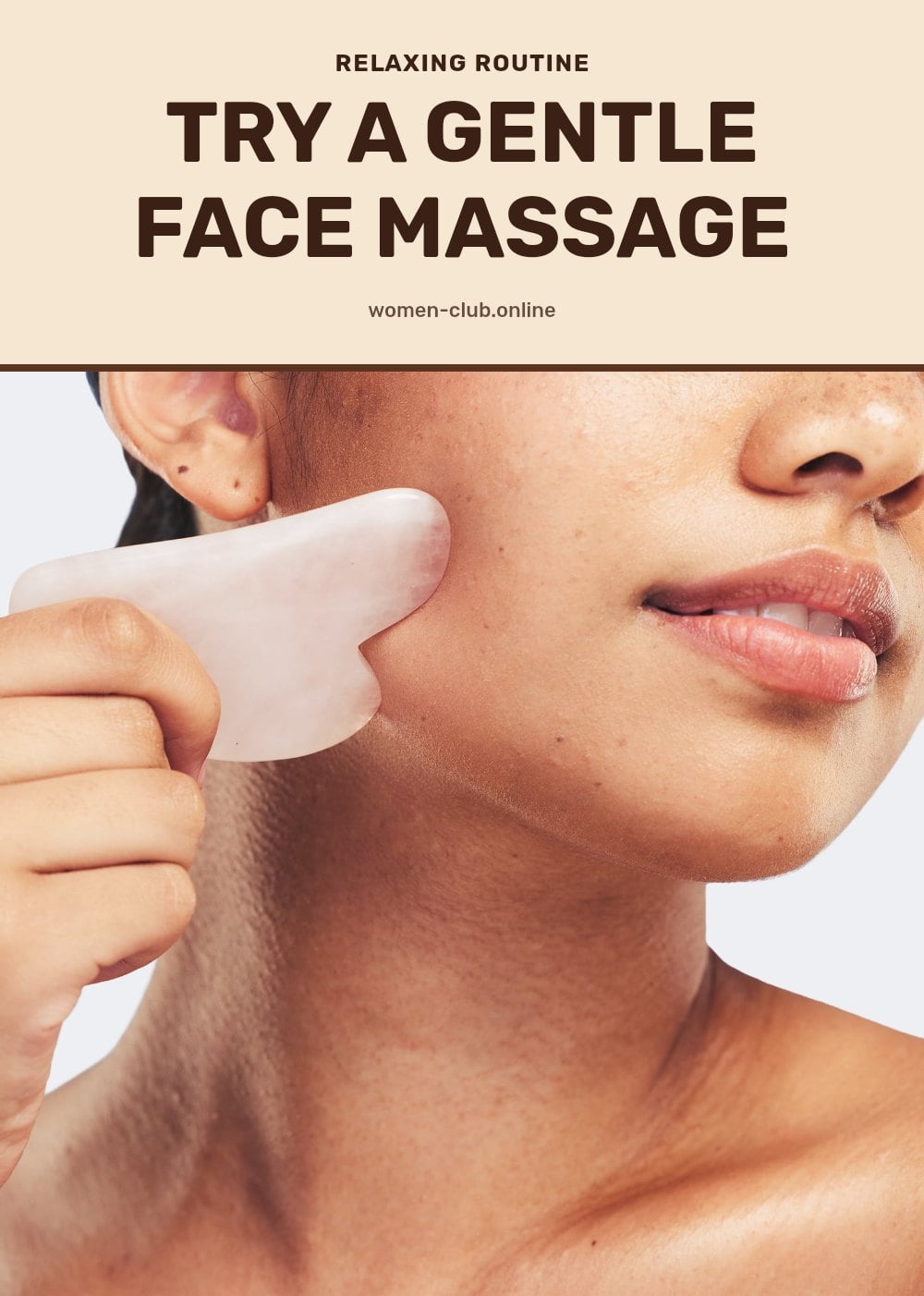
Gentle facial massage can stimulate lymphatic drainage, helping move excess fluid away from your face. Using your fingertips or a gua sha tool, sweep from the center of your face outwards and downwards toward your lymph nodes (behind your ears and down your neck).
Tip: Always use a facial oil or serum for better glide, and keep movements light to avoid irritating your skin. A few minutes each morning can visibly reduce puffiness.
9. Check for Allergies
Seasonal allergies or food sensitivities can cause facial swelling. If your puffiness comes with itching, redness, or sneezing, an allergy may be the trigger.
Keeping a food diary can help you spot patterns. If symptoms persist, consulting an allergist may identify specific culprits and help you manage them.
10. Review Your Skincare Products
Some skincare ingredients can irritate your skin or trigger an allergic reaction, leading to puffiness. If you’ve recently introduced a new product, consider whether it might be the cause.
Opt for gentle, hypoallergenic formulas, especially around the delicate eye area. Patch testing new products on your arm before using them on your face can prevent unexpected reactions.
11. Avoid Vigorous Face Rubbing
Rubbing your face too hard, especially when cleansing or applying products, can increase inflammation and irritate delicate skin. This can make puffiness worse.
Pat your face dry with a soft towel instead of rubbing. Be gentle with all facial movements to prevent unnecessary irritation and keep your skin calm.
When to See a Doctor About Facial Puffiness
Morning puffiness is usually temporary and harmless, but persistent or severe swelling can sometimes point to an underlying health issue. Seek immediate medical attention if the puffiness is sudden, severe, affects only one side of your face, or comes with pain, redness, itching, or difficulty breathing. Consult a doctor if the puffiness is persistent, worsening, or if you suspect conditions like thyroid issues, kidney problems, or severe allergies. It’s always better to have a professional evaluate any concerning symptoms.
Frequently Asked Questions
How long does facial puffiness usually last?
Temporary morning puffiness typically resolves within a few hours of waking up. With quick remedies like a cold compress or gentle facial massage, you may notice improvement in 15-30 minutes. Consistent lifestyle changes, such as reducing sodium intake or improving sleep habits, can show results over days to weeks.
Can allergies cause a puffy face?
Yes, seasonal allergies or food sensitivities can cause facial swelling. If your puffiness comes with itching, redness, or sneezing, an allergy may be the trigger. Keeping a food diary can help you spot patterns, and consulting an allergist may identify specific culprits if symptoms persist.
Is a puffy face a sign of a serious health problem?
In most cases, morning puffiness is harmless and temporary. However, persistent or severe swelling can sometimes point to underlying issues like thyroid problems, kidney conditions, or sinus infections. Seek immediate medical attention if the puffiness is sudden, severe, affects only one side, or comes with pain, redness, or difficulty breathing.
Does drinking more water help reduce puffiness?
Yes, staying well-hydrated helps your body maintain a proper fluid balance. When you’re dehydrated, your body tends to hold onto water, which can actually make puffiness worse. Drinking enough water throughout the day supports your lymphatic system and can help prevent morning facial swelling.
What foods should I avoid to prevent facial puffiness?
High-sodium foods are the biggest culprits, as they cause your body to retain water. Processed foods, salty snacks, and restaurant meals are common sources, especially when eaten in the evening. Limiting alcohol before bed also helps, since it can lead to dehydration and inflammation that contribute to puffiness.
Final Thoughts
For most people, a puffy face resolves on its own within a few hours, or within 15-30 minutes with a cold compress or gentle massage. My tip: start with one or two changes, like elevating your head at night or cutting back on salty snacks, and see how your body responds. If puffiness persists or worsens despite these adjustments, consult a doctor to rule out an underlying condition.
This article is for informational purposes only and does not constitute medical advice. If you have persistent, severe, or concerning facial swelling, or if it is accompanied by pain, redness, or difficulty breathing, consult a healthcare professional or dermatologist for proper evaluation and treatment.