
You’ve probably heard whispers about rice water as a beauty secret, and it’s true. This simple starchy liquid has been used for centuries in East Asia to soothe and brighten skin. Making your own body rinse at home is surprisingly easy, and in this article I’ll walk you through exactly how to prepare it, use it safely, and what results you can realistically expect.
Key Takeaways
- Rice water contains vitamins B and E, antioxidants, and amino acids that may soothe and brighten skin.
- Always perform a patch test before using rice water on your body or face.
- Store homemade rice water in an airtight container in the fridge for 3 to 7 days.
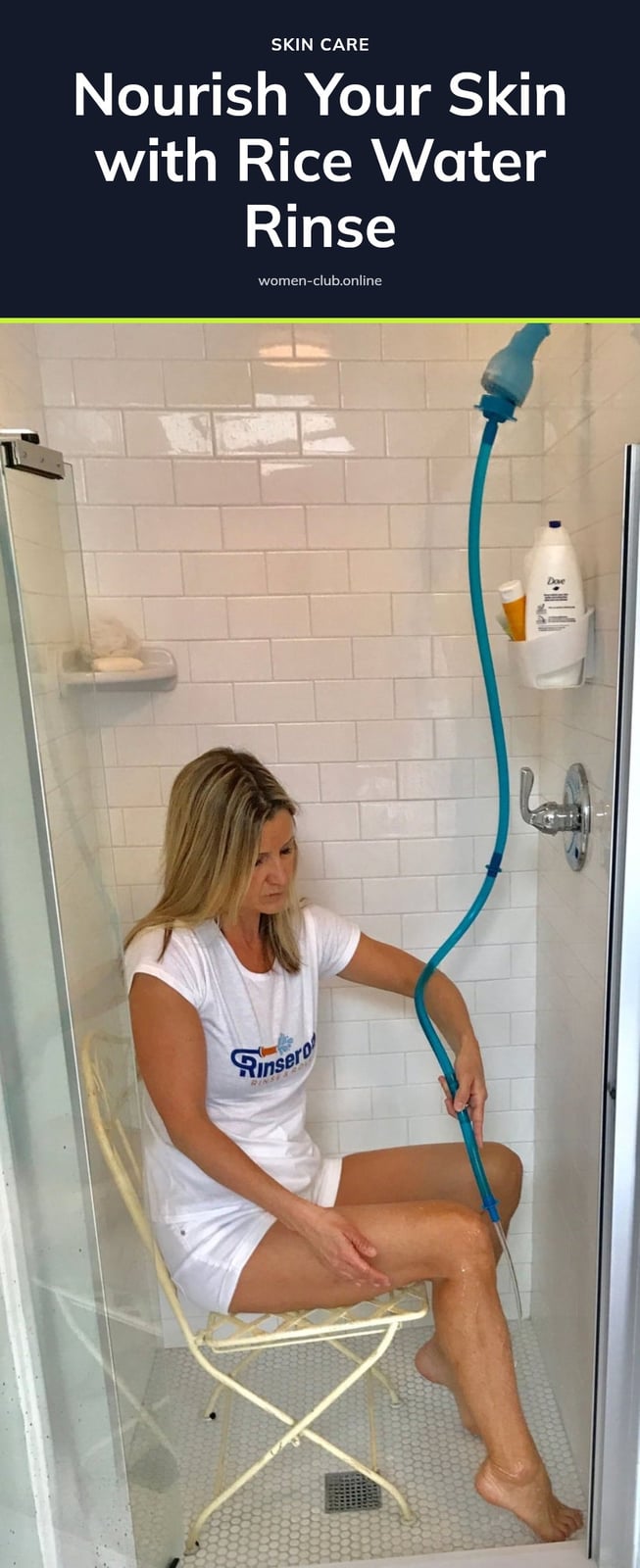
- Use rice water as a final rinse after showering, 2 to 3 times per week.
- Consistent use over several weeks is needed before results become noticeable.
What is Rice Water and Why Use It for Skin?
Rice water is simply the starchy liquid left after soaking or boiling rice. For centuries, it has been a traditional beauty secret in East Asian cultures, particularly in China, Japan, and Korea. This liquid is rich in vitamins B and E, antioxidants, minerals, and amino acids. Many people find it can help soothe irritated skin, reduce inflammation, and improve the skin barrier function. While scientific studies are limited, anecdotal evidence for its benefits is strong.
Gathering Your Simple Rice Water Ingredients

You only need a few kitchen basics to get started. Here is what to gather:
- Rice: White, brown, or jasmine all work well.
- Water: Filtered or distilled is best for purity.
- Bowl: For soaking the rice.
- Strainer or cheesecloth: To separate the liquid from the rice.
- Airtight container or spray bottle: For storing your rice water in the fridge.
Step-by-Step: Making Your Own Rice Water Rinse
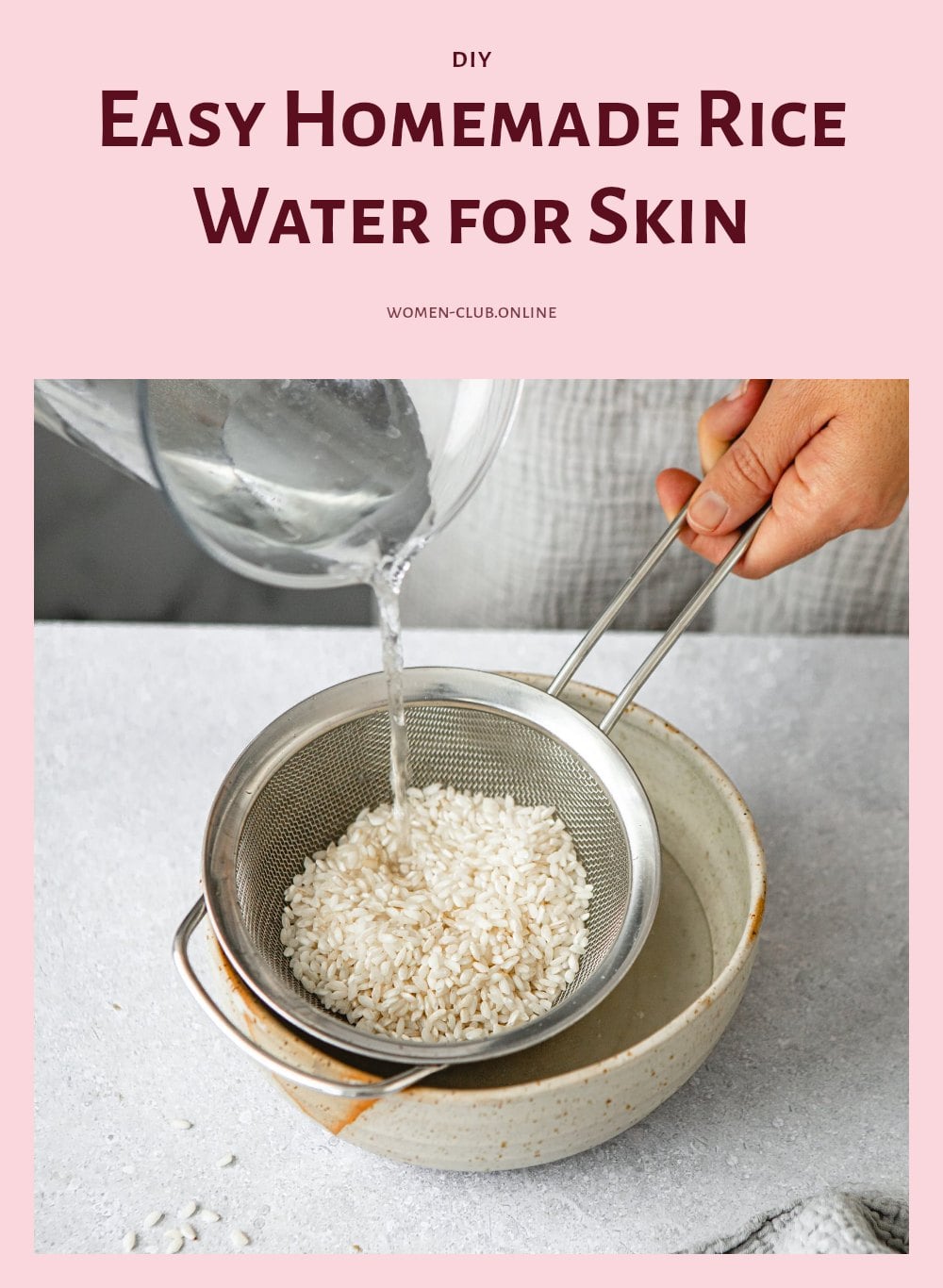
Making your own rice water rinse at home is straightforward. Follow these steps for a safe and effective result.
- Rinse the rice: Place ½ cup of rice in a bowl and rinse it under cold water for about 30 seconds. This removes dirt and surface impurities.
- Soak the rice: Add 2 cups of clean, filtered water to the rinsed rice. Let it soak for 30 minutes to an hour. Stir occasionally to release the starch.
- Strain the liquid: Pour the mixture through a strainer or cheesecloth into a clean bowl or airtight container. Discard the rice or save it for cooking.
- Store properly: Transfer the rice water to an airtight container and refrigerate it. Use it within 3 to 7 days. Discard if it develops an off smell or appears cloudy.
- Patch test first: Before applying rice water to your face or body, dab a small amount on your inner arm. Wait 24 hours to check for any redness, itching, or irritation.
Two Ways to Prepare Rice Water: Soaking vs. Boiling
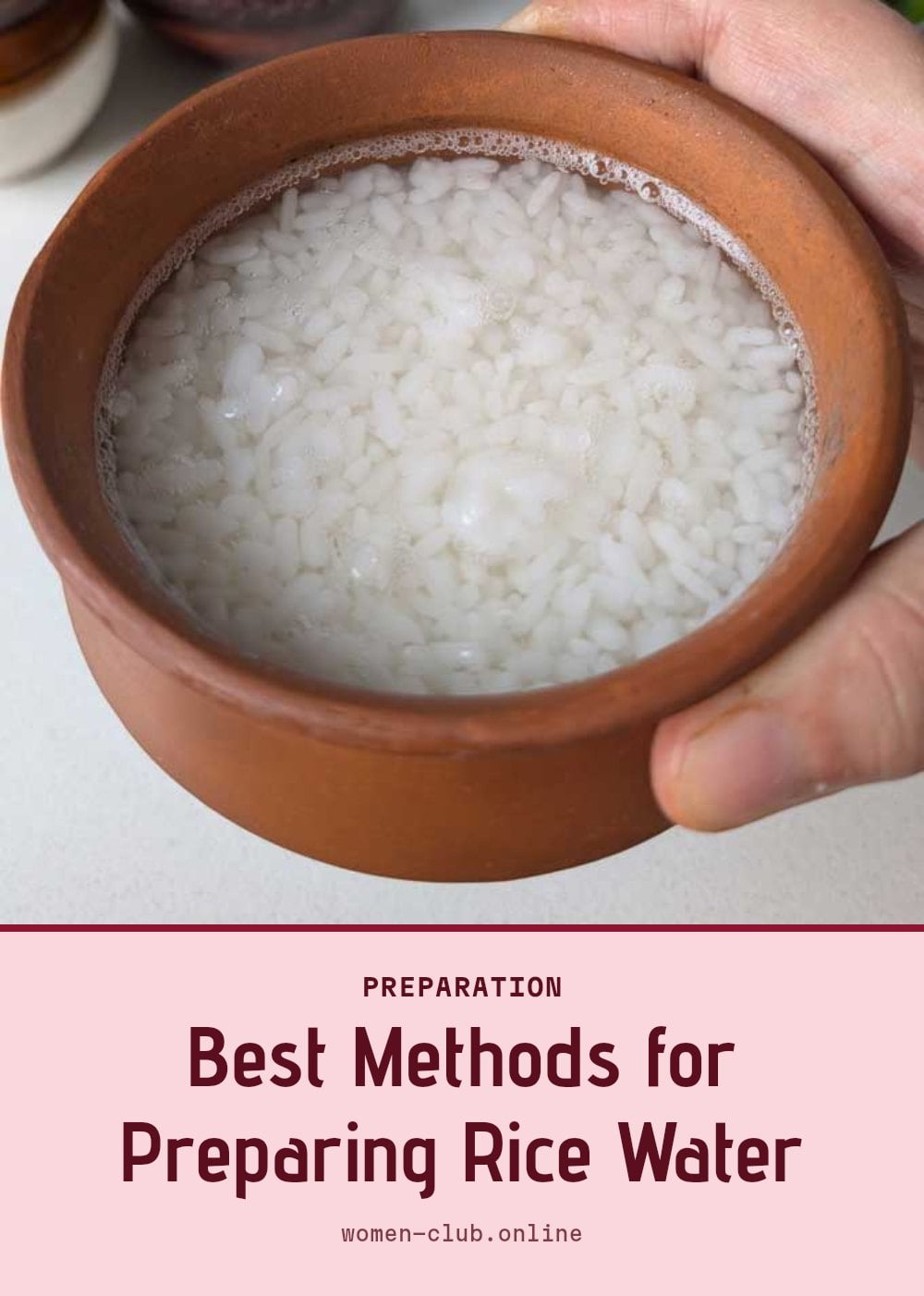
There are two main methods to prepare rice water, plus a fermented version for those who want extra potency.
Soaking method
This is the simpler approach. Rinse the rice, then soak it in water for 30 minutes to an hour. Strain and use. Soaking retains more nutrients and is gentler on sensitive skin.
Boiling method
For a quicker, more concentrated result, boil the rice with extra water. Use a ratio of 1 cup rice to 4 cups water. Boil until the water becomes milky, then strain. This method yields a stronger liquid but may lose some heat-sensitive vitamins.
Fermented rice water
To ferment, leave the strained rice water at room temperature for 12 to 24 hours until it develops a slightly sour smell. Fermentation increases antioxidant levels and lowers the pH, which some believe boosts benefits. Caution: Fermented rice water is more potent and can irritate sensitive skin. Always dilute it with water before use and never leave it on your skin for more than 2 to 3 minutes.
Common Mistakes When Using Rice Water and How to Avoid Them
Mistake: skipping the patch test. Always apply a small amount to your inner arm or behind your ear and wait 24 hours before using it on your face or body. This step catches reactions before they spread.
Mistake: using unrinsed rice. Unrinsed rice carries dirt, talc, and pesticide residue straight onto your skin. Rinse the rice under cold water until the water runs clear before soaking or boiling.
Mistake: improper storage. Rice water spoils quickly at room temperature. Store it in an airtight container in the fridge and use it within 3 to 7 days. Discard it if it smells off or looks cloudy.
Mistake: expecting instant results. Rice water is a gentle, gradual remedy. Consistent use over several weeks may show benefits, but it will not fix serious conditions overnight.
Mistake: leaving fermented rice water on too long. Fermented rice water has a lower pH and can irritate sensitive skin if left on for more than a few minutes. Rinse it off after 1 to 2 minutes and follow with a moisturizer.
Smart Tips for Your Rice Water Skin Routine

Use filtered water: Tap water can contain chlorine and minerals that reduce the purity of your rice water. Filtered or distilled water keeps the preparation clean.
Store properly: Pour your rice water into an airtight container or a spray bottle and keep it in the refrigerator. This slows bacterial growth and extends its shelf life to about a week.
Apply as a final rinse: After cleansing your face or showering, splash or spray rice water onto your skin. Let it sit for 2 to 3 minutes, then pat dry. This locks in moisture without washing away other products.
Consider fermenting: Leave your rice water at room temperature for 12 to 24 hours before refrigerating. Fermentation increases antioxidant levels and lowers the pH, which some users find more effective for brightening. Caution: Fermented rice water is stronger, so reduce application time and always patch test first.
Stay consistent: Use rice water 2 to 3 times per week. Noticeable changes often take several weeks, so stick with the routine.
When to Consult a Professional About Skin Concerns
Rice water is generally safe for most skin types, but you should stop using it and consult a dermatologist if you notice persistent redness, itching, burning, or irritation after application. If you have a pre-existing condition such as eczema or psoriasis, talk to a professional before adding rice water to your routine. Also see a doctor if your skin condition worsens, new symptoms appear, or you suspect an allergic reaction (e.g., hives, swelling). A dermatologist can help determine whether rice water is appropriate for your skin and recommend alternative treatments if needed.
Frequently Asked Questions
Can I use rice water on my face?
Yes, many people use rice water as a facial toner. However, because facial skin is more sensitive than body skin, it’s especially important to patch test on your inner arm or behind your ear first and wait 24 hours. If you have acne-prone or sensitive skin, start with a diluted version.
How often should I use rice water?
Most people can use rice water 2 to 3 times per week. Overuse may dry out or irritate the skin, especially if you have a sensitive complexion. Start with once a week and gradually increase if your skin responds well.
What type of rice is best for rice water?
White rice varieties like jasmine or basmati are commonly used because they produce a clear, mild liquid. Brown rice works too but may have a stronger smell. Any rice you have on hand will do, as long as you rinse it thoroughly first.
How long does rice water last?
Homemade rice water lasts 3 to 7 days when stored in an airtight container in the refrigerator. Discard it if it develops an off smell, becomes cloudy, or shows any signs of spoilage. Do not leave it at room temperature for more than a few hours.
Can rice water cause skin irritation?
Yes, it can in some people. Rice water contains natural compounds that may irritate sensitive skin, especially if it’s fermented or left on too long. Always patch test first, and discontinue use if you experience redness, itching, or burning. If you have eczema or psoriasis, consult a dermatologist before trying it.
Final Thoughts
For a simple, affordable addition to your body care routine, rice water is worth trying, just remember to patch test first and store it in the fridge. Realistic expectation: you may notice smoother, brighter-looking skin after several weeks of consistent use, but it’s not a quick fix. My tip: start with the soaking method for a gentle introduction, then experiment with fermentation if you want a stronger effect.
This article is for informational purposes only and does not constitute medical or professional advice. Rice water is a natural remedy, but results vary and it is not a substitute for medical treatment. If you have a persistent skin condition or experience adverse reactions, consult a dermatologist or healthcare provider.








