Rosemary Oil Hair Mistakes: Dilution, Timing, and Patch Testing

If you’re dealing with hair thinning or just want to boost your scalp health, rosemary oil often comes up as a natural option. But getting it right matters a lot more than you might think. This article covers the essential rules for using rosemary oil safely and effectively, from proper dilution and patch testing to the realistic timeline for seeing results.

Key Takeaways
- Always dilute rosemary essential oil with a carrier oil before applying it to your scalp.
- Perform a patch test 24 to 48 hours before your first full application to check for sensitivity.
- Apply diluted rosemary oil 2 to 3 times per week for at least 3 to 6 months before expecting results.
- Stop using rosemary oil immediately if you notice redness, itching, or burning on your scalp.
- Consult a doctor or dermatologist if you experience sudden or significant hair loss.
The Key to Using Rosemary Oil for Hair Growth
Rosemary oil is a potent essential oil that must always be diluted with a carrier oil before applying to the scalp. A patch test is crucial to check for skin sensitivity before full application. Consistent use over several months is necessary to observe potential benefits for hair growth and scalp health.
What You Need for Safe Rosemary Oil Application
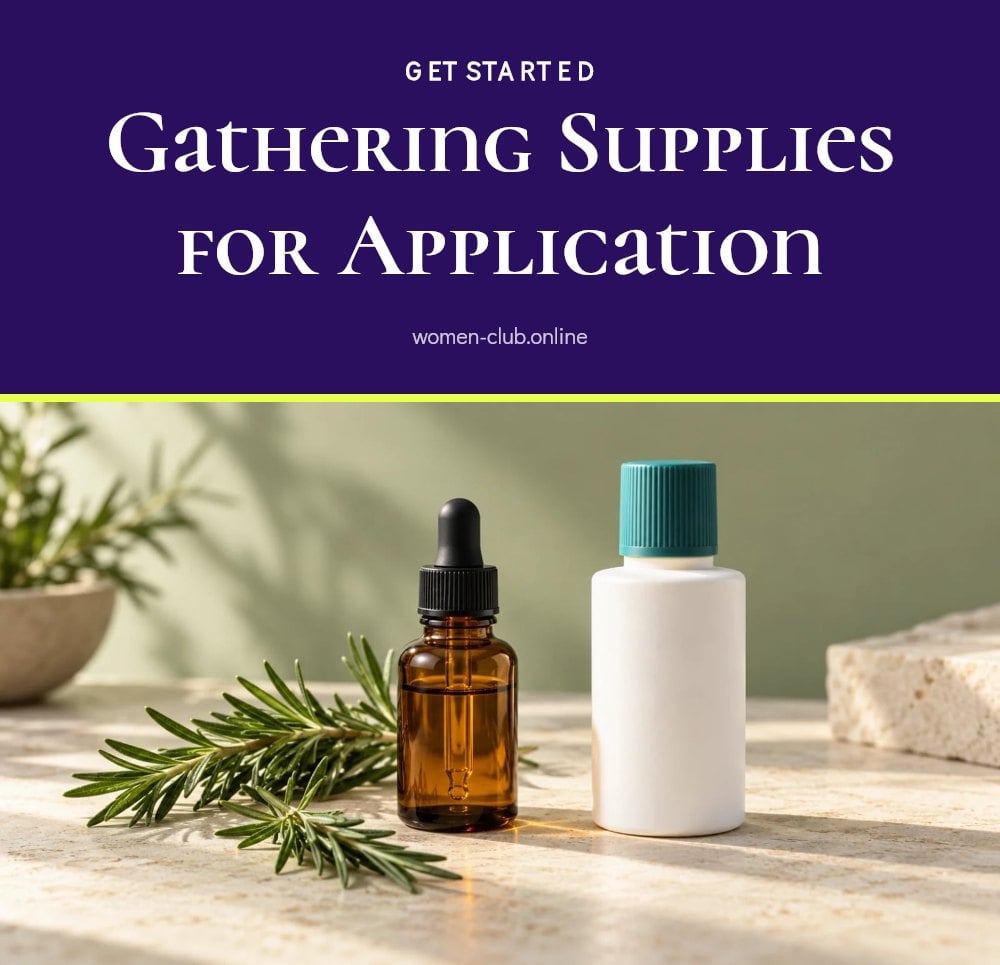
You need three items to get started safely. Pure rosemary essential oil (Rosmarinus officinalis) is the active ingredient. A carrier oil like jojoba, coconut, almond, or argan oil dilutes the essential oil so it won’t irritate your scalp. A small dropper bottle makes mixing and applying the blend precise and easy.
Step-by-Step: How to Properly Apply Rosemary Oil to Your Scalp
- Perform a patch test: Mix a small amount of diluted rosemary oil and apply it to your inner forearm. Wait 24-48 hours to check for any redness, itching, or burning before using it on your scalp.
- Dilute the oil: Add 2-3 drops of rosemary essential oil per teaspoon of carrier oil. Mix them in a small dropper bottle.
- Apply to your scalp: Part your hair and apply the diluted mixture directly to your scalp, focusing on areas where you want more growth.
- Massage gently: Use your fingertips to massage the oil into your scalp for several minutes. This helps encourage circulation.
- Let it sit: Leave the oil on for at least 30 minutes, or overnight if you prefer, before washing it out with shampoo.
- Repeat consistently: Use this treatment 2-3 times per week for several months to see potential results.
Common Rosemary Oil Mistakes and How to Avoid Them
- Applying undiluted oil: Rosemary essential oil is too strong to use directly on skin. Always mix it with a carrier oil first.
- Skipping the patch test: You might have a sensitivity you don’t know about. Test a small area 24-48 hours before your first full application.
- Expecting instant results: Hair growth is slow. Be patient and consistent for at least 3-6 months.
- Using too much essential oil: Stick to 2-3 drops per teaspoon of carrier oil. More isn’t better and can cause irritation.
- Applying to hair strands: The oil needs to reach your scalp to support follicles. Focus on your roots, not the lengths.
- Choosing low-quality oil: Look for 100% pure rosemary essential oil to ensure you’re getting the real thing.
Maximize Your Results: Expert Tips for Using Rosemary Oil

Tip: Start with 100% pure rosemary essential oil. Impure or diluted oils may not deliver the same potential benefits and can contain additives that irritate the scalp.
Experiment with carrier oils: Jojoba oil closely mimics scalp sebum, coconut oil penetrates the hair shaft, and argan oil is lightweight. Choose based on whether your scalp is oily or dry.
Store it right: Keep your rosemary oil in a dark glass bottle away from heat and sunlight. This preserves its potency longer.
Add scalp massage: Use your fingertips to massage the oil in for 3-5 minutes. The pressure may boost circulation, which supports follicle health.
Mind the scent: Rosemary has a strong, herbal aroma. If you find it intense, apply the oil before your shower so you can wash it out after 30 minutes.
How Long Until You See Results? Understanding the Timeline
Hair growth is a slow process, so patience matters. Most people apply diluted rosemary oil 2-3 times per week and stick with it for at least 3-6 months before noticing changes in thickness or new growth.
Results vary individually. Genetics, overall health, and the underlying cause of hair thinning all play a role. Some may see subtle improvements sooner, while others need the full six months.
Good to know: Rosemary essential oil and carrier oils like jojoba or coconut are budget-friendly. A small bottle lasts months, making this one of the more affordable natural hair care options.
When to Consult a Professional About Hair Concerns
Rosemary oil is a supportive tool, not a replacement for medical care. If you experience sudden or significant hair loss, consult a doctor or dermatologist to rule out underlying conditions.
Stop using rosemary oil if redness, itching, or burning persists even after proper dilution and patch testing. Discontinue and seek medical advice.
Caution: People with epilepsy, high blood pressure, or other health conditions should check with a doctor before using essential oils. Pregnant or breastfeeding individuals should always get medical clearance first.
Frequently Asked Questions
Can I leave rosemary oil in my hair overnight?
Yes, you can leave diluted rosemary oil on your scalp overnight, but it’s not necessary for results. If you do, make sure the oil is properly diluted to avoid irritation. Some people find the strong scent bothersome for sleeping, so you may want to rinse it out after 30 minutes to an hour instead.
What are the side effects of rosemary oil for hair?
The most common side effect is scalp irritation, especially if the oil is applied undiluted or if you have sensitive skin. Redness, itching, or a burning sensation can occur. If you experience any of these, stop using the oil and wash your scalp with a gentle shampoo. In rare cases, allergic reactions are possible, which is why a patch test is important.
Can rosemary oil make hair worse?
Improper use can lead to scalp irritation or even temporary hair shedding if the scalp becomes inflamed. However, when used correctly and diluted, rosemary oil is not known to cause hair loss. If you notice increased shedding, discontinue use and consult a dermatologist to rule out other causes.
Is rosemary oil safe for color-treated hair?
Rosemary oil is generally safe for color-treated hair, but it may cause some fading over time if used frequently. To minimize this, apply the oil mainly to your scalp rather than the lengths of your hair. You can also do a strand test first to see how your color reacts.
How do you dilute rosemary oil for hair?
A common dilution is 2 to 3 drops of rosemary essential oil per teaspoon of carrier oil. Mix them together in a small dropper bottle before applying. Good carrier oil options include jojoba oil, coconut oil, almond oil, or argan oil. Never apply undiluted rosemary essential oil directly to your scalp.
Final Thoughts
For the best chance of seeing benefits, stick with a consistent routine of applying diluted rosemary oil 2 to 3 times per week. Keep in mind that hair growth is slow, so plan to give it at least 3 to 6 months before you judge whether it’s working for you. If you have persistent irritation or serious hair loss, it’s wise to check in with a professional rather than relying solely on rosemary oil.
This article provides general information about rosemary oil for hair care and is not a substitute for professional medical advice. If you have a persistent scalp condition, significant hair loss, or any underlying health concerns, please consult a doctor or dermatologist before using essential oils.