
Have you ever met someone who just seems to navigate life’s ups and downs with grace, handling tough conversations and building strong connections effortlessly? That’s emotional intelligence (EQ) in action, and it’s a skill you can absolutely develop. This article breaks down the clearest signs of high EQ, from understanding your own emotions to inspiring others, and shows you how these traits play out in real life.

Key Takeaways
- Self-awareness is the foundation of emotional intelligence, helping you recognize your moods and their impact.
- People with high EQ manage their reactions by pausing and choosing constructive responses instead of impulsive ones.
- Empathy allows you to understand others’ feelings by picking up on verbal and non-verbal cues.
- Active listening means fully concentrating on the speaker and reflecting back what you hear to ensure understanding.
- Emotional intelligence can be developed over time through consistent self-reflection and practice.
What is Emotional Intelligence?
Emotional intelligence (EQ) is your ability to understand, use, and manage your own emotions in positive ways to relieve stress, communicate effectively, empathize with others, overcome challenges, and defuse conflict. It’s a critical skill for both personal and professional success, often considered as important as, or even more important than, cognitive intelligence (IQ). Developing EQ involves a journey of self-awareness, self-regulation, motivation, empathy, and social skills.
1. You Understand Your Own Emotions
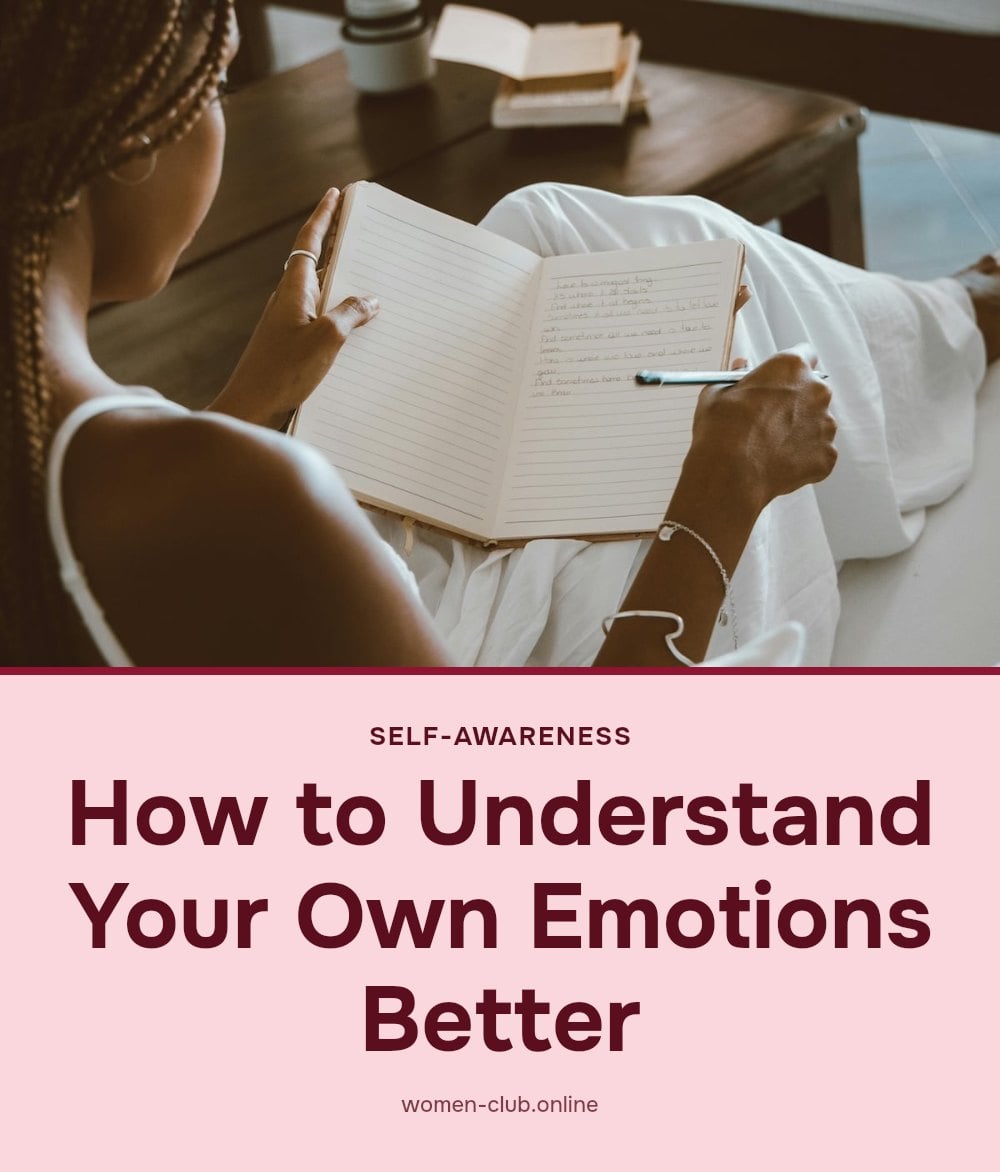
This is self-awareness, the cornerstone of EQ. You recognize your moods, emotions, and drives, and understand how they affect your thoughts and actions.
My tip: Regularly check in with yourself. How are you feeling right now? What triggered that feeling? This practice builds your emotional vocabulary and understanding.
2. You Can Manage Your Reactions
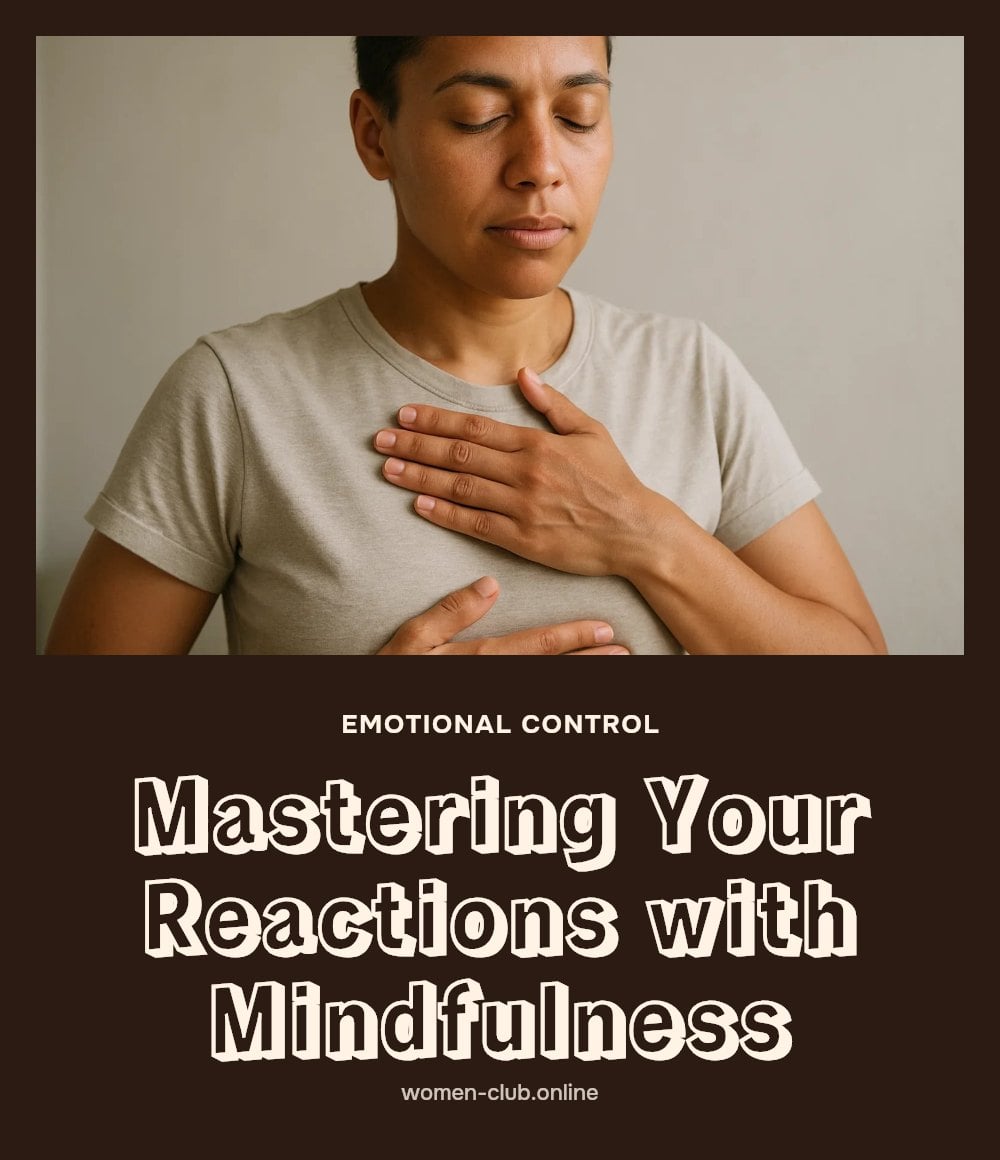
This is self-regulation. You’re able to control or redirect disruptive impulses and moods, and think before acting impulsively. Instead of reacting immediately to frustration, you pause, take a breath, and choose a more constructive response. This shows maturity and control.
3. You’re Driven by Internal Motivation
Your passion to work goes beyond external rewards like money or status. You pursue goals with energy and persistence because they align with your values or bring you personal satisfaction.
Relying solely on external motivators like bonuses or recognition can lead to burnout over time. Finding your personal ‘why’ makes challenges easier to overcome and sustains your drive even when rewards aren’t immediate.
- Identify your core values: List what truly matters to you, such as growth, connection, or creativity, and connect daily tasks to those values.
- Set meaningful goals: Choose objectives that reflect your internal passions rather than external expectations, and celebrate progress along the way.
- Reflect regularly: Ask yourself what brings you satisfaction beyond outcomes, and adjust your focus to maintain intrinsic motivation.
4. You Understand Others’ Feelings
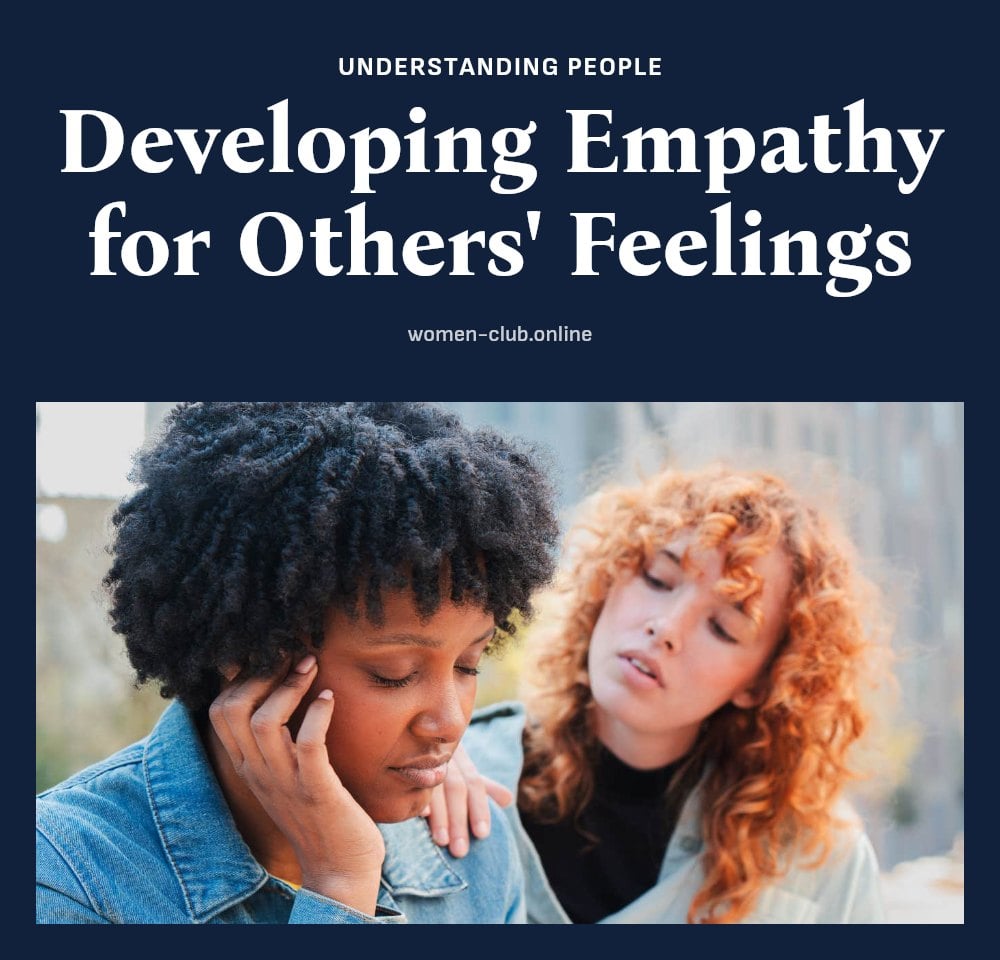
This is empathy. You have the ability to understand the emotional makeup of other people and can treat them according to their emotional reactions. You’re not just hearing their words; you’re picking up on their non-verbal cues and sensing their underlying emotions.
- Good to know: Empathy allows you to respond in a way that makes others feel understood, which deepens trust and connection.
- Tip: When someone shares something difficult, resist the urge to offer solutions. Instead, say, “That sounds really hard. I can see why you’d feel that way.”
5. You Build Strong Relationships
This is a key social skill. You’re proficient in managing relationships and building networks, finding common ground, and building rapport. People with high EQ are often better at navigating social complexities and influencing others positively.
- Pro move: Focus on shared goals and mutual benefits in conversations. This naturally builds rapport and makes collaboration smoother.
- Caution: Avoid trying to please everyone. Strong relationships are built on authenticity, not constant agreement.
6. You Practice Active Listening
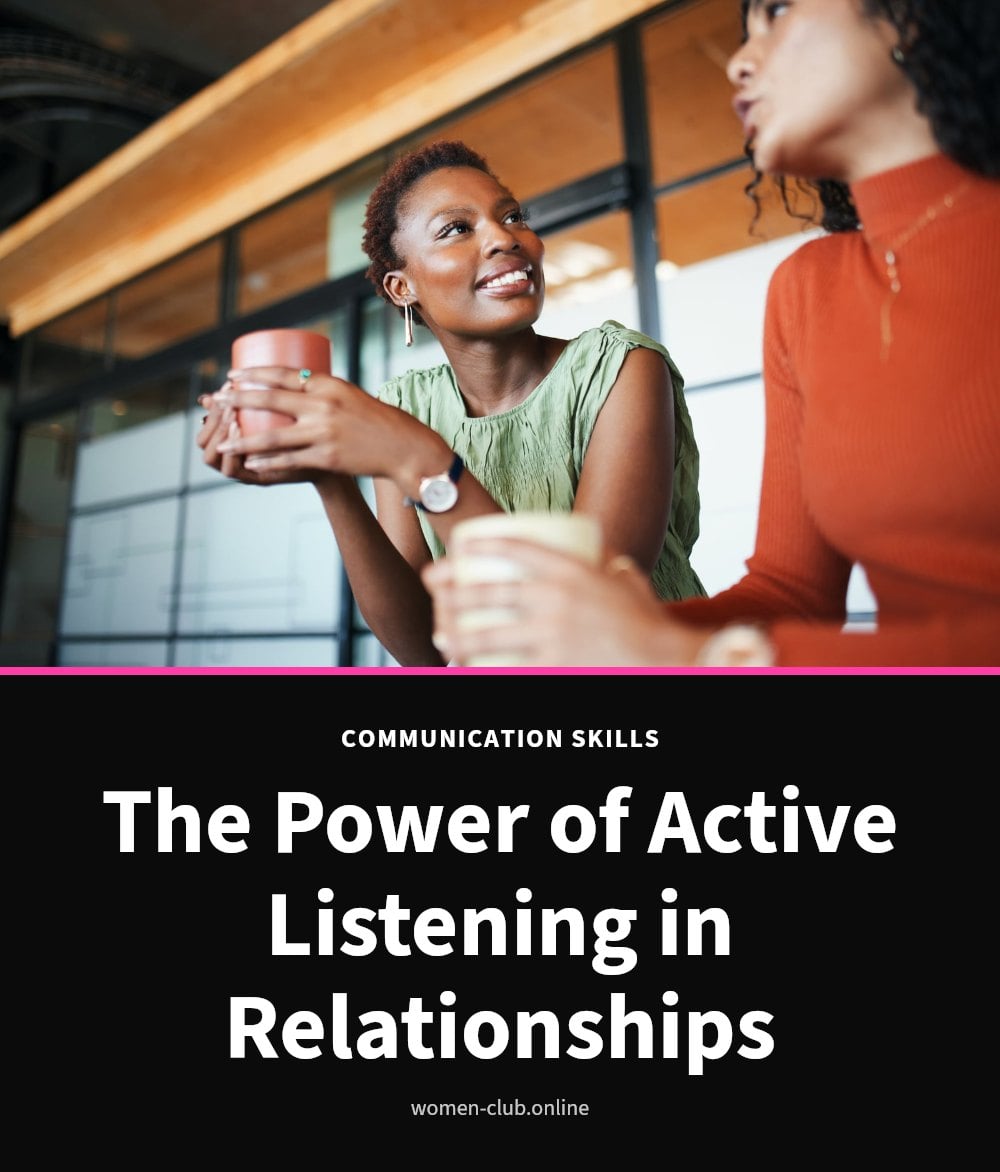
Instead of waiting for your turn to speak, you fully concentrate on what others are saying, both verbally and non-verbally. You ask clarifying questions and reflect back what you hear to ensure understanding, making the other person feel truly heard and valued.
- Tip: Paraphrase what you heard: “So what you’re saying is…” This confirms accuracy and shows you’re engaged.
- Good to know: Active listening reduces misunderstandings and strengthens relationships because it signals respect.
7. You Handle Conflict Constructively
You approach disagreements with a goal of resolution and understanding, rather than winning or avoiding the issue. You can defuse tension, find common ground, and communicate your needs without escalating the situation. This is a hallmark of strong self-regulation and social skills.
- My tip: Use “I” statements, like “I feel frustrated when…” instead of “You always…” This keeps the focus on your experience and reduces defensiveness.
- Caution: If emotions run high, suggest a short break before continuing. A 10-minute pause can prevent a heated exchange from derailing the conversation.
8. You’re Adaptable to Change

When plans shift unexpectedly, you pause and recalibrate instead of panicking. That flexibility comes from strong self-regulation: you manage the initial emotional jolt, then look for the opportunity hidden in the change. Tip: Practice small disruptions on purpose, like taking a different route to work or swapping your morning routine. Each time you adapt, you build the mental muscle for bigger curveballs later.
9. You Give and Receive Feedback Well
You offer constructive criticism with empathy, focusing on specific behaviors rather than personal traits. And when someone gives you feedback, you listen without getting defensive. Tip: Frame feedback around behavior, not character, and always focus on improvement. This shows self-awareness and a genuine desire to grow.
10. You Inspire and Influence Others

Your empathy, social skills, and internal motivation naturally draw people to you. You don’t need a title to be seen as a leader. Colleagues and friends trust your judgment and seek your input because you listen, understand, and encourage them. High EQ is linked to better leadership and stronger teamwork.
11. You Learn from Your Mistakes
You don’t dwell on mistakes. Instead, you reflect on what went wrong, acknowledge the emotional impact, and figure out what to do differently next time. This resilience turns every error into a learning opportunity. Continuous improvement like this is a clear sign of a growing emotional intelligence.
Common Misconceptions About Emotional Intelligence
Confusing EQ with being ‘nice’ or ’emotional’: Emotional intelligence isn’t about being overly agreeable or letting emotions run wild. It’s about understanding and managing emotions effectively, which sometimes means setting boundaries or having difficult conversations.
Believing EQ is fixed: Unlike IQ, emotional intelligence is not an innate trait that cannot be developed. It can be significantly improved over time through conscious effort and practice.
Underestimating emotion’s impact: Many people focus solely on logic, but emotions profoundly influence decision-making, relationships, and overall effectiveness. Ignoring them is a common pitfall.
Focusing only on IQ: While cognitive intelligence is important, high EQ is increasingly recognized as a stronger predictor of success in personal and professional life. Balance is key.
Frequently Asked Questions
Can emotional intelligence be learned?
Yes, emotional intelligence is not a fixed trait. Unlike IQ, which is largely stable, EQ can be developed and improved over time through conscious effort and practice. By working on self-awareness, self-regulation, empathy, and social skills, you can raise your emotional intelligence.
What is the difference between EQ and IQ?
IQ, or cognitive intelligence, measures your ability to learn, reason, and solve problems. EQ, or emotional intelligence, measures your ability to understand, use, and manage emotions. While IQ helps you grasp concepts, EQ helps you navigate relationships and handle stress, and both are important for success.
How long does it take to improve emotional intelligence?
Improving emotional intelligence is an ongoing process, not a quick fix. With consistent self-reflection and practice, you may notice gradual improvements over weeks and months. The timeline varies for each person, but dedicated effort is key to making lasting changes.
Is emotional intelligence more important than cognitive intelligence?
Emotional intelligence is often considered as important as, or even more important than, cognitive intelligence for personal and professional success. While IQ can get you in the door, EQ helps you build relationships, lead teams, and handle challenges effectively. Both play a valuable role in different areas of life.
Why is emotional intelligence important in the workplace?
High emotional intelligence in the workplace is linked to better leadership performance, improved teamwork, and reduced stress. People with strong EQ are better at navigating social complexities, giving and receiving feedback constructively, and handling conflict, which makes them more effective collaborators and leaders.
Final Thoughts
If you want to start building your EQ today, pick one sign from the list and focus on it for the next week. Maybe it’s pausing before reacting or practicing active listening in your next conversation. Real change takes consistent effort, so expect gradual improvements as you make this a regular habit. The journey to higher emotional intelligence is one of the most rewarding investments you can make in yourself.








