
If you’re constantly feeling stretched thin by the demands of work, family, and social obligations, the concept of a ‘soft life’ might be exactly what you need. It’s a lifestyle philosophy that flips the script on grind culture, focusing on ease, comfort, and peace instead of constant hustle. This article breaks down what the soft life really means and offers practical habits to help you slow down without feeling like you’re falling behind.

Key Takeaways
- Prioritize 7-9 hours of quality sleep each night and listen to your body’s rest signals.
- Set clear boundaries and learn to say no to commitments that drain your energy.
- Delegate tasks or ask for help when overwhelmed to reduce your mental load.
- Engage in joyful activities regularly as essential for emotional well-being, not luxuries.
- Personalize your soft life journey and embrace gradual shifts rather than expecting instant change.
What is the ‘Soft Life’?
The ‘soft life’ is a lifestyle philosophy centered on prioritizing ease, comfort, and peace over constant hustle and struggle. It’s about intentionally choosing paths that reduce stress, enhance well-being, and allow for more enjoyment and less pressure, without necessarily equating to luxury or idleness. The core idea is to create a life that feels gentle and supportive rather than demanding and exhausting, often involving mindful choices in daily routines, relationships, and self-care.
1. Prioritize Your Rest and Sleep
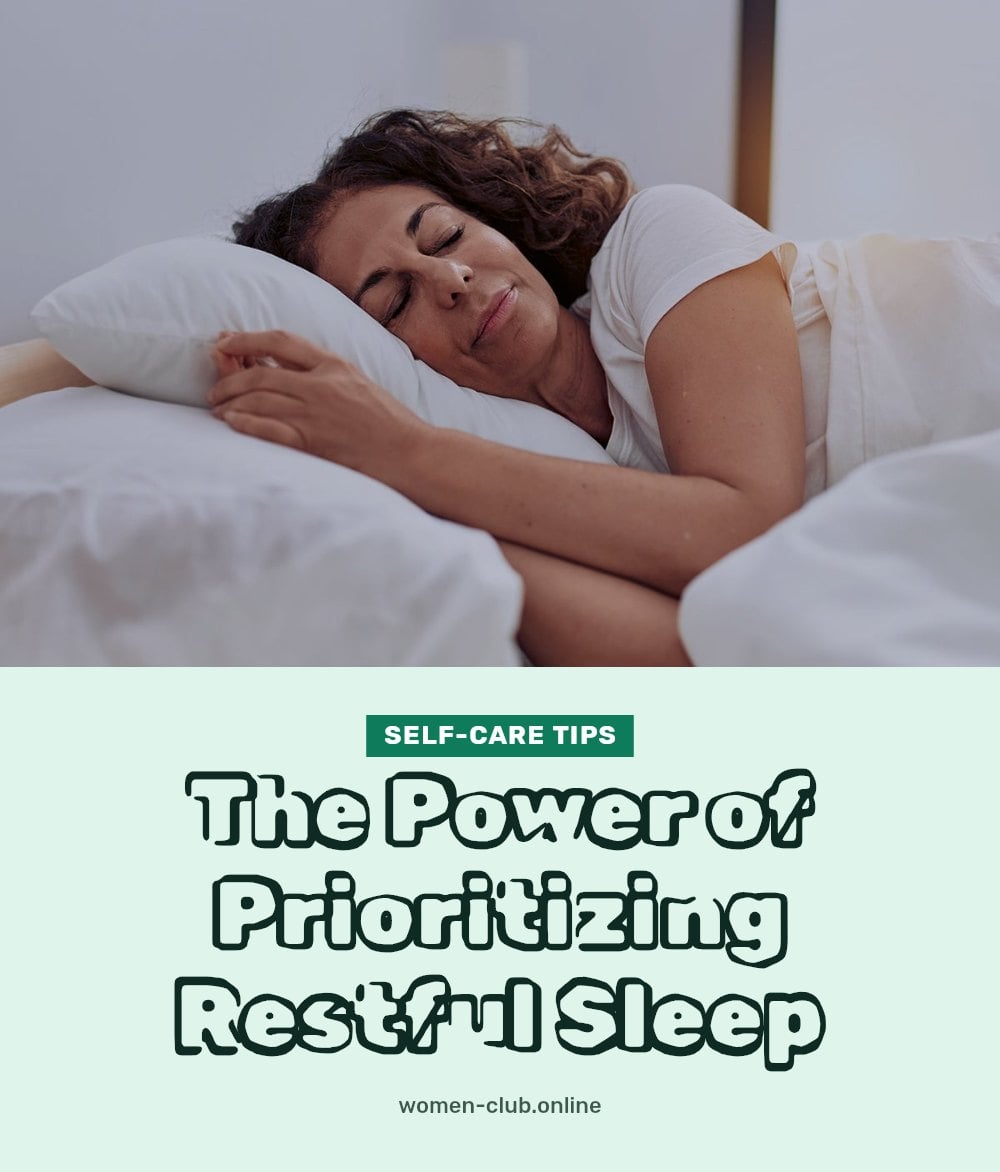
Make adequate sleep non-negotiable. My tip: aim for 7-9 hours of quality sleep each night. Listen to your body’s signals for rest throughout the day; a short nap or quiet time can be incredibly restorative. Creating a consistent bedtime routine helps signal to your body that it’s time to wind down.
2. Set Clear Boundaries
Establish firm boundaries in both your personal and professional life to protect your energy and peace. Learn to say ‘no’ to commitments that don’t align with your well-being or overextend you. Communicate your boundaries clearly and respectfully to others.
My tip: Start with small boundaries, like not checking work emails after 7 p.m., and build from there. Each clear boundary reduces daily stress and reinforces your commitment to a softer life.
3. Delegate or Ask for Help
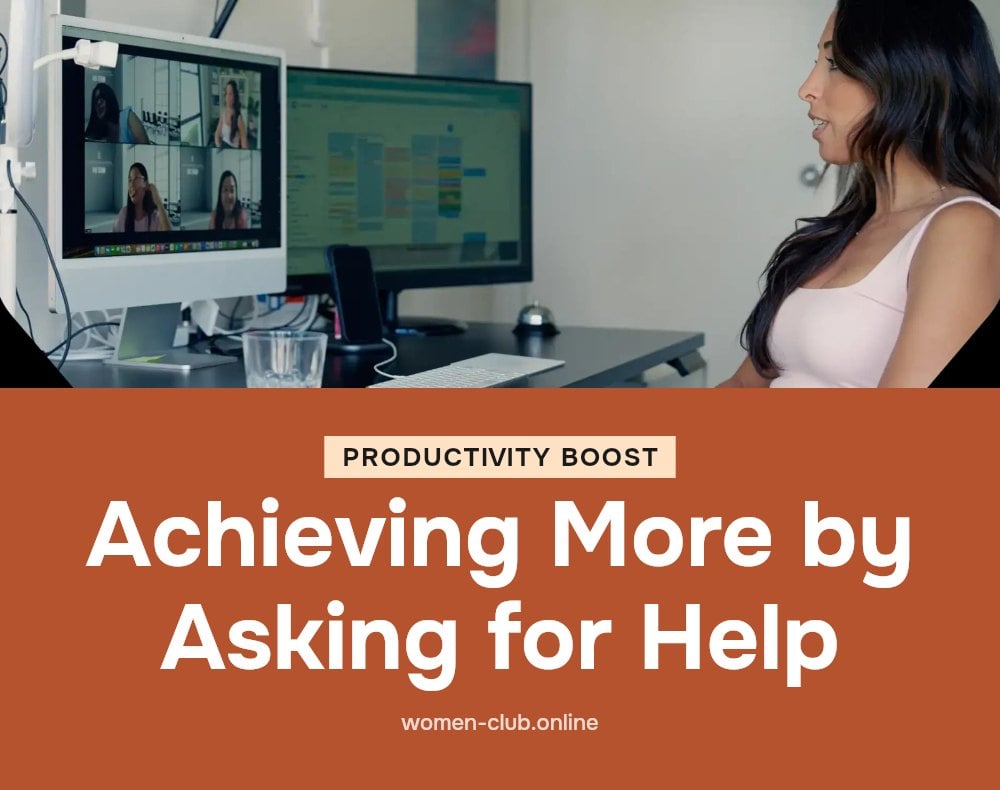
Recognize when you’re overwhelmed and don’t try to do everything yourself. Delegate tasks at work or home, or ask for help from friends, family, or professional services. Tip: even small acts of delegation can significantly reduce your mental load.
4. Engage in Joyful Activities

Intentionally make time for activities that genuinely bring you joy and relaxation. This could be anything from reading a book, gardening, listening to music, or pursuing a hobby.
These activities are not luxuries; they are essential for emotional and mental well-being. When you regularly engage in something that lights you up, you replenish your energy and build resilience against stress.
- Schedule it: Block 15-30 minutes in your calendar, just like any other appointment.
- Start small: Even five minutes of a favorite podcast or a few pages of a novel counts.
5. Practice Mindfulness and Self-Compassion
Incorporate mindfulness into your daily routine, even if it’s just a few minutes of meditation or mindful breathing. This practice trains your brain to stay present, reducing anxiety about the past or future.
Treat yourself with the same kindness and understanding you would offer a friend. When you make a mistake or feel overwhelmed, pause and speak gently to yourself instead of criticizing.
Good to know: Journaling can be a great way to practice self-compassion and process your thoughts. Write down one thing you did well today and one thing you forgive yourself for.
6. Simplify Routines and Declutter
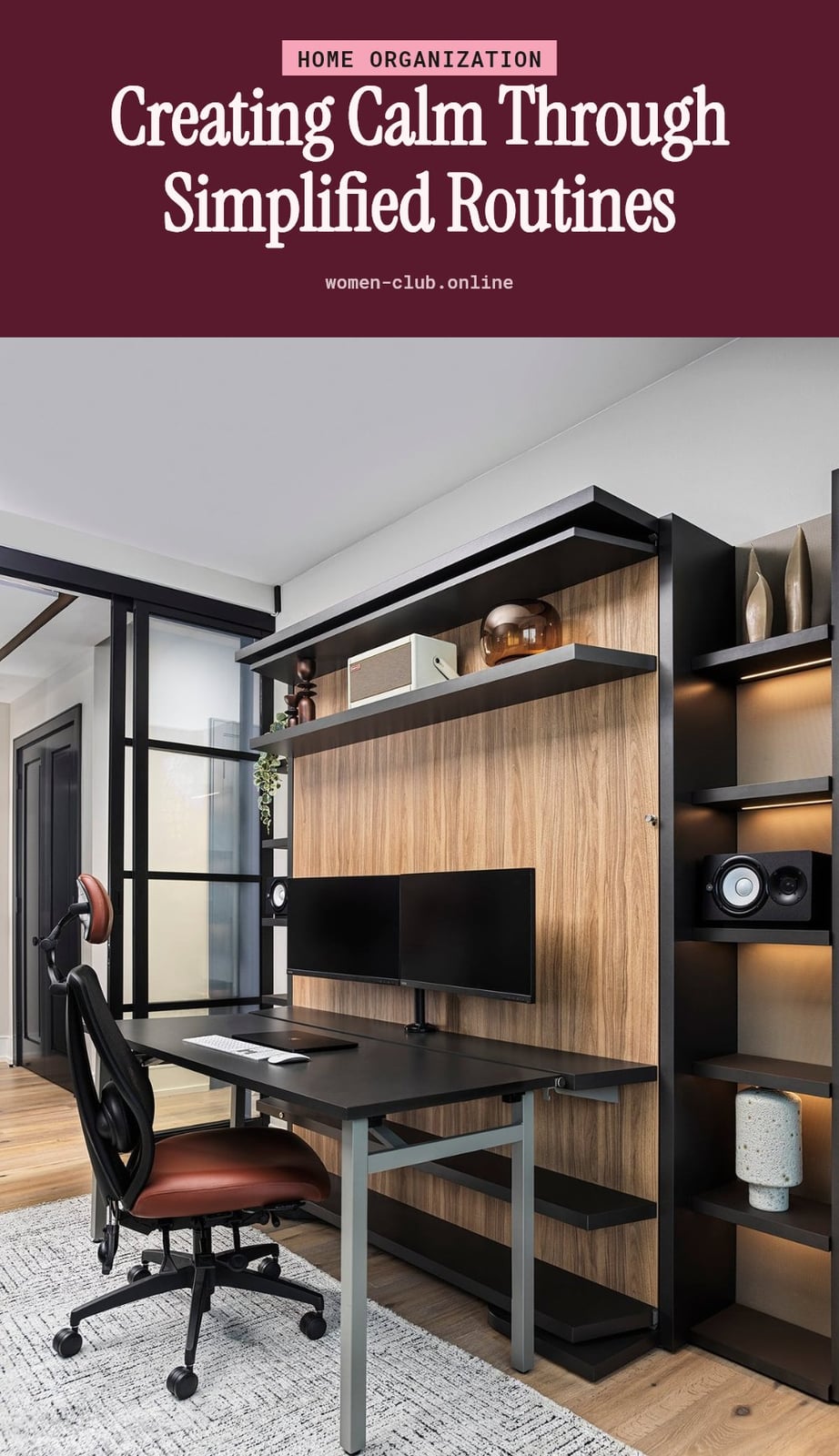
Look for ways to streamline your daily routines to reduce unnecessary complexity and decision fatigue. For example, plan your outfits for the week or prep breakfast ingredients the night before.
Declutter both your physical environment and your mental space by letting go of things that no longer serve you. A simpler environment often leads to a calmer mind, which is key to a soft life.
- One in, one out: For every new item you bring home, donate or discard one old one.
- Digital detox: Unsubscribe from emails and mute notifications that create noise without value.
7. Cultivate Supportive Relationships
Surround yourself with people who uplift, support, and bring positive energy into your life. These relationships act as a buffer against stress and remind you that you don’t have to carry everything alone.
Limit or remove relationships that are consistently draining, critical, or stressful. You don’t need to make a dramatic exit; simply reduce contact or set firmer boundaries.
Strong, healthy connections are a cornerstone of emotional well-being and a soft life. They provide a safe space to be yourself and recharge.
8. Make Mindful Financial Choices

Financial stability reduces stress and opens up options for ease, but a soft life doesn’t require wealth. Make conscious choices about spending and saving that support your long-term peace of mind. Pro move: reducing unnecessary debt frees up mental and financial resources. Start by tracking where your money goes for one month, then cut one non-essential expense. Even small shifts, like packing lunch twice a week, build a cushion that lets you say yes to rest.
9. Avoid Over-Scheduling Yourself
Be realistic about your capacity and avoid committing to too many obligations. A packed calendar creates constant pressure, the opposite of a soft life. Leave white space for spontaneity, rest, and unexpected events. Quick tip: every Sunday, review your upcoming week and prune anything that feels like an unnecessary burden. If a meeting or social plan drains you, reschedule or decline. One empty afternoon a week can reset your nervous system.
10. Personalize Your Soft Life

What brings ease and comfort is deeply personal. Your soft life might involve quiet mornings with tea, while someone else prefers a dance class. Don’t compare your journey to others; focus on what truly makes your life feel softer. Experiment with different practices, try a week of early bedtimes, then a week of morning walks. Notice how each shift affects your energy and mood. Keep what works, drop what doesn’t.
11. Embrace Gradual Shifts
Adopting a soft life is an ongoing process of intentional choices and adjustments, not an overnight transformation. Celebrate small victories: saying no to one extra commitment, sleeping eight hours for three nights in a row. Progress, not perfection, is the goal. Tip: give yourself grace as you learn and adapt. Some weeks you’ll rest more, others you’ll take on more. That’s normal. Trust that each small step builds a gentler rhythm over time.
Common ‘Soft Life’ Misconceptions
Believing it means never working hard: The soft life isn’t about avoiding all challenges or responsibilities; it’s about reducing unnecessary hardship and choosing where to exert your energy. You still pursue goals, but you do so without the constant pressure and burnout that grind culture demands.
Thinking it requires significant wealth: While financial stability helps, the core principles of ease and peace can be adopted regardless of income through mindful choices and setting boundaries. A soft life is about intentional living, not luxury.
Expecting immediate, drastic changes: This is a lifestyle shift that happens gradually. Focus on small, consistent steps rather than expecting an instant overhaul. Good to know: pick one area, like simplifying your morning routine, and build from there.
Confusing it with being unproductive or lazy: A soft life is about intentional living and efficiency, freeing up time and energy for what truly matters, not idleness. You can accomplish plenty while prioritizing your peace.
Trying to adopt someone else’s version: Your soft life is unique to you. What brings peace to one person might not for another. Personalize your approach and ignore comparisons.
Frequently Asked Questions
Is the soft life only for wealthy people?
Not at all. While financial stability can make certain aspects easier, a soft life is more about mindset and intentional choices than money. You can practice it by simplifying routines, setting boundaries, and prioritizing rest, regardless of your income level. It’s about reducing unnecessary hardship, not luxury.
How do I start living a soft life?
Start small by choosing one area where you feel the most pressure, such as over-scheduling or lack of rest. Implement one habit from the list, like saying no to an extra commitment or creating a bedtime routine. The key is to make gradual shifts and personalize your approach based on what brings you ease.
Can I still be ambitious and live a soft life?
Absolutely. A soft life doesn’t mean giving up your goals or avoiding hard work. It means pursuing your ambitions without the constant pressure and burnout that grind culture often brings. You can be driven while still prioritizing rest, boundaries, and well-being.
What if my job doesn’t allow for a soft life?
If your current job is high-stress, look for small ways to incorporate soft life principles within your workday, such as taking short breaks, setting boundaries with colleagues, or delegating tasks when possible. Over time, you might also explore career changes that better align with your need for ease and balance.
How do I deal with guilt about prioritizing my peace?
Remind yourself that taking care of your well-being isn’t selfish; it’s necessary for long-term health and effectiveness. Start with small acts of self-compassion and recognize that you can’t pour from an empty cup. Over time, the benefits of a softer life will help quiet that guilt.
Final Thoughts
Start by picking just one habit from this list, like setting a small boundary or simplifying your morning routine. The soft life isn’t about perfection; it’s about making intentional choices that reduce unnecessary stress over time. Give yourself permission to move at your own pace and remember that even small steps toward ease can make a big difference in how you feel day to day.