Soreness or Injury: How to Tell the Difference After Exercise

You wake up after a tough workout and every muscle protests when you roll out of bed. That familiar ache is usually just your body getting stronger, but sometimes the pain signals something more serious. This article explains how to tell the difference between normal muscle soreness (DOMS) and a potential injury, so you know when to rest, when to move, and when to call a doctor.

Key Takeaways
- DOMS typically begins 12 to 24 hours after exercise and feels like a dull, widespread ache.
- An injury usually causes sharp, stabbing, or burning pain that starts during or right after activity.
- Apply heat to soothe DOMS, but use ice on an acute injury to reduce swelling.
- Seek medical attention for sudden severe pain, inability to bear weight, visible deformity, or numbness.
- Increase workout intensity by no more than 10% per week to help prevent excessive soreness and injury.
Is It Soreness or an Injury?
Waking up sore after a workout is normal, but how do you know when it’s something more? Normal muscle soreness, known as Delayed Onset Muscle Soreness (DOMS), typically shows up 12 to 24 hours after exercise. It feels like a dull, widespread ache across a muscle group and usually fades within a few days. In contrast, an injury often brings immediate, sharp, or localized pain during or right after activity. Look for additional signs like swelling, bruising, or loss of function. If the pain persists longer than a few days or worsens, it may be an injury rather than simple soreness.
Understanding Delayed Onset Muscle Soreness (DOMS)
Understanding Delayed Onset Muscle Soreness (DOMS)
DOMS happens because of microscopic tears in your muscle fibers and the body’s natural inflammatory response to repair them. This process is a normal part of getting stronger. A primary trigger for DOMS is eccentric contractions, when a muscle lengthens while under tension, like lowering a weight slowly. That’s why trying a new exercise or increasing intensity often leaves you sore. DOMS usually peaks between 24 and 72 hours after your workout and then subsides. It’s a sign your muscles are adapting and rebuilding. While uncomfortable, it’s generally not a cause for concern. Gentle movement can help ease the ache, but rest is equally important. If the pain is sharp or doesn’t follow this timeline, consider the possibility of an injury.
Soreness vs. Injury: A Quick Comparison
To help you tell the difference at a glance, here is a quick comparison of DOMS and injury symptoms:
| Feature | DOMS | Injury |
|---|---|---|
| Onset | 12-24 hours after exercise | During or immediately after activity |
| Pain Type | Dull, aching, or stiff | Sharp, stabbing, or burning |
| Location | Spread across a muscle group | Localized to one specific point |
| Accompanying Signs | None typically | Swelling, bruising, redness, warmth, or loss of function |
| Duration | Resolves in 3-5 days | Can persist for weeks or months |
Use this table whenever you are unsure about a new pain. If your symptoms match the injury column, stop exercising and assess carefully before continuing.
What to Do for Soreness and What to Avoid
What to Do for Soreness and What to Avoid
When DOMS hits, your goal is to support recovery without making things worse. Heat is your friend here. Apply a heating pad or take a warm bath to promote blood flow and relax tight muscles. Aim for 15-20 minutes of heat on the sore area.
Gentle movement is another effective strategy. Light activity like walking, cycling at low resistance, or gentle yoga increases circulation and can ease the ache. The key is to keep it low intensity so you don’t cause more micro-tears.
My tip: Stay on top of hydration and nutrition. Water helps flush out metabolic waste from the repair process, and protein-rich foods provide the building blocks for muscle recovery. A balanced meal within a couple hours of your workout makes a difference.
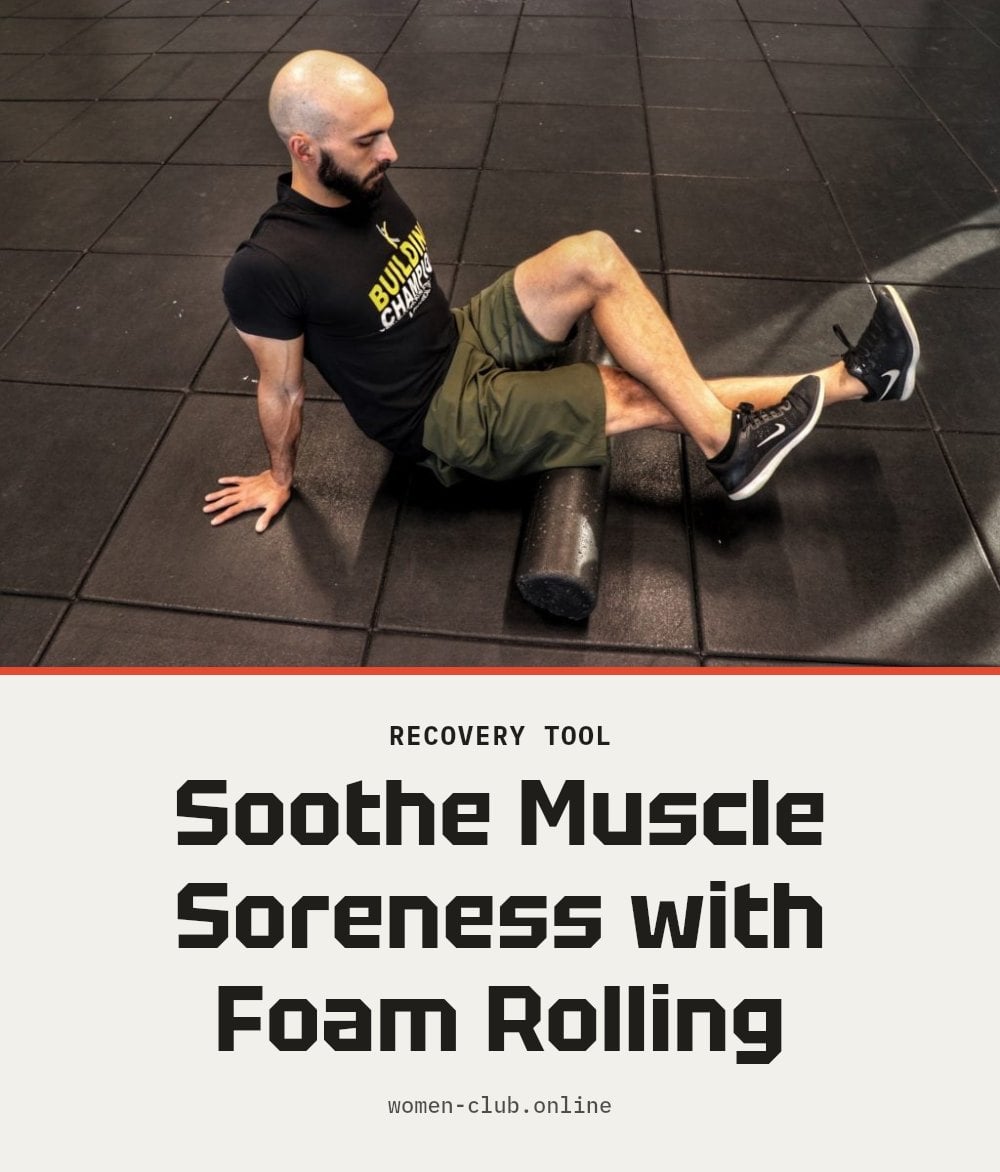
Caution: Avoid vigorous massage or aggressive stretching on acutely sore muscles. Deep pressure or forcing a stretch can aggravate the inflammation and delay healing. Stick to light self-massage with a foam roller if you must, but keep it gentle.
What not to do: Don’t apply heat to an area you suspect might be injured (sharp pain, swelling). Heat increases blood flow, which can worsen swelling in an acute injury. Use heat only for the dull ache of DOMS.
Common Mistakes When Dealing With Post-Workout Pain
Mistake: Thinking the dull, widespread ache of DOMS is the same as sharp, localized pain from an injury. This confusion can lead you to push through something serious or rest when you don’t need to.
Mistake: Believing a workout wasn’t effective if you’re not sore. Soreness isn’t a reliable measure of progress; your body adapts, and you can still build strength without it.
Mistake: Ignoring persistent pain, hoping it will go away on its own. If pain lasts more than a few days or worsens, it may be an injury that needs attention.
Mistake: Applying heat to an acute injury. Heat can increase swelling. Use ice in the first 48 hours for injuries, and use heat only for muscle soreness.
Mistake: Stretching cold muscles aggressively. This can cause more damage. Warm up with light movement first, then stretch gently.
When to See a Doctor for Post-Workout Pain
Some symptoms require immediate medical attention. Seek help if you experience sudden, severe pain, cannot bear weight on the affected limb, notice a visible deformity, or feel numbness or tingling.
Consult a doctor if pain persists longer than a few days, gets worse, or is accompanied by fever or chills. Also stop exercising if you feel a sharp, stabbing, or burning pain that does not subside with rest. These are red flags for an injury that needs professional evaluation.
Preventing Excessive Soreness and Injuries

Prevention starts with smart training habits. Here’s what I recommend:
- Increase gradually: Raise workout intensity and duration by no more than 10% per week so your muscles have time to adapt.
- Warm up and cool down: Spend 5-10 minutes on light cardio before exercise, then finish with gentle stretching to improve flexibility and reduce stiffness.
- Focus on form: Proper technique reduces injury risk and makes each rep more effective. Consider working with a trainer if you’re unsure.
- Schedule rest days: Your muscles repair and rebuild during recovery. Aim for at least one full rest day per week, and listen to your body for extra rest when needed.
Frequently Asked Questions
Is it normal to be sore every time I work out?
It is common to feel sore after a new or more intense workout, but being sore every single session isn’t a requirement for progress. If you are sore constantly, your muscles may not be recovering fully between workouts. Consider adjusting your intensity, volume, or rest days so your body has time to adapt.
Can I still work out if I have DOMS?
Yes, you can do light activity like walking, gentle stretching, or low-intensity cycling. This type of movement increases blood flow and may help ease the ache. Avoid heavy lifting or intense exercise on the same muscle group until the soreness subsides, as pushing too hard can increase your risk of injury.
How can I speed up recovery from muscle soreness?
Gentle movement, staying hydrated, and eating enough protein can support your body’s repair process. Applying heat, such as a warm bath or heating pad, may also help relax tight muscles. Remember that DOMS usually resolves on its own within a few days, so patience is part of the plan.
What’s the difference between a muscle strain and DOMS?
A muscle strain is an injury that involves overstretching or tearing of muscle fibers, often causing sudden, sharp pain and sometimes swelling or bruising. DOMS is a normal response to exercise that produces a dull, widespread ache 12 to 24 hours later. If the pain is immediate and localized, it is more likely a strain.
How can I tell if my leg pain is soreness or an injury?
Consider when the pain started and what it feels like. Soreness appears a day after exercise and feels like a dull ache across the muscle. Injury pain usually begins during activity, is sharp or burning, and is focused on one spot. If you have swelling, bruising, or trouble bearing weight, treat it as an injury.
Final Thoughts
Listen to your body and let the type of pain guide your next move. If it’s a dull, muscle-wide ache that showed up a day after your workout, gentle movement and heat can help it resolve within a few days. But if the pain is sharp, localized, or came on suddenly during exercise, stop and treat it as a possible injury. When in doubt, give it a day of rest and check in with a healthcare professional if it doesn’t improve.
This article is for general informational purposes only and does not constitute medical advice. Always consult a qualified healthcare professional for a proper diagnosis and treatment plan if you have persistent, severe, or concerning symptoms after exercise.








