Splits Stretching Plan for Beginners: Progress Week by Week

Getting your splits is a goal that takes patience, not force. Whether you want front splits or middle splits, a steady weekly plan is the safest way to build the flexibility you need. This article breaks down the muscles involved, the stretches to focus on, and how to progress week by week without risking injury.

Key Takeaways
- Warm up for 5-10 minutes before every stretching session to prevent injury.
- Hold each static stretch for 20-30 seconds and breathe deeply throughout.
- Stretch 3-5 times per week; consistency matters more than intensity.
- Use props like yoga blocks or cushions to support your body and deepen stretches safely.
- Stop immediately if you feel sharp pain, and consult a professional for pre-existing injuries.
Achieving the Splits: Your Path to Greater Flexibility
The splits are a significant flexibility goal that calls for consistent, safe stretching. There are two main types: front splits, with one leg forward and one back, and middle splits, with both legs out to the sides. Instead of forcing your body into position, focus on gradually increasing your range of motion over time. A structured plan that targets the hamstrings, hip flexors, and glutes is essential for steady progress. Listen to your body and stop if you feel pain. That approach leads to long-term success and helps prevent injury.
Essential Tools for Your Splits Journey
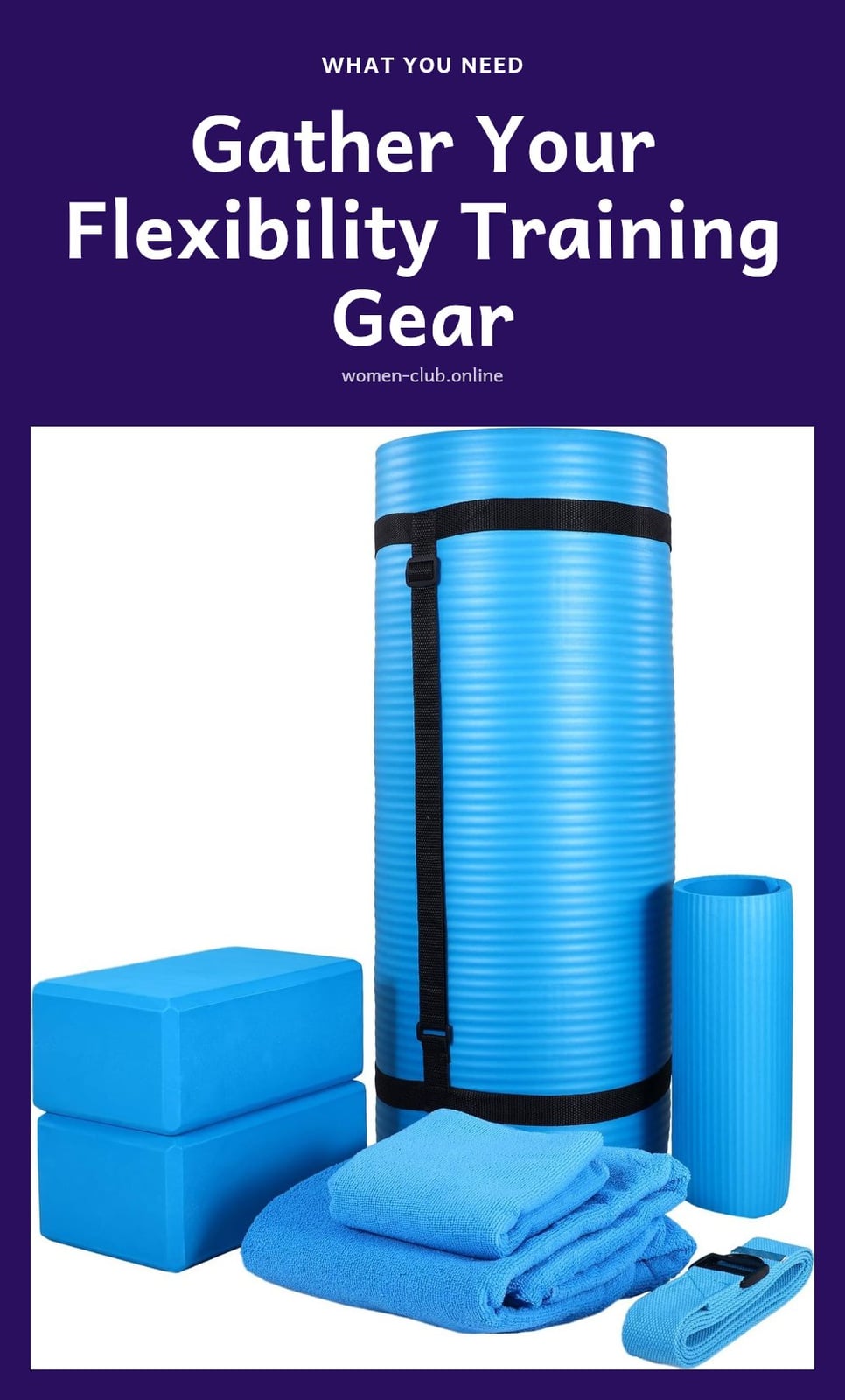
Having the right tools makes your splits training safer and more comfortable. Here is what I keep on hand and why.
- Yoga mat: Provides cushioning and grip, so you stay stable and comfortable on any floor.
- Yoga blocks: Support your body in stretches and help you deepen them safely without overreaching.
- Cushions or folded blankets: Offer extra padding under sensitive knees or hips during floor work.
- Resistance bands: Useful for warming up or for active flexibility exercises that build strength at your end range.
- Yoga strap or towel: Extends your reach, letting you ease into hamstring and hip stretches with control.
Understanding Your Body: Muscles Involved in Splits
Knowing which muscles you are stretching helps you target them correctly. In a front split, the hamstrings of the front leg and the hip flexors of the back leg get the main stretch. The middle split primarily works the adductors, the inner thigh muscles, along with the hamstrings.
Your individual flexibility depends on genetics, age, and how active you are, so your progress will look different from someone else’s. That is normal.
Why warm muscles matter
Always stretch on warm muscles. Cold muscles are stiffer and more prone to strain. A light cardio warm-up for 5 to 10 minutes, like brisk walking or jumping jacks, raises your muscle temperature and makes stretching safer and more effective.
Your Weekly Splits Stretching Plan: Step-by-Step
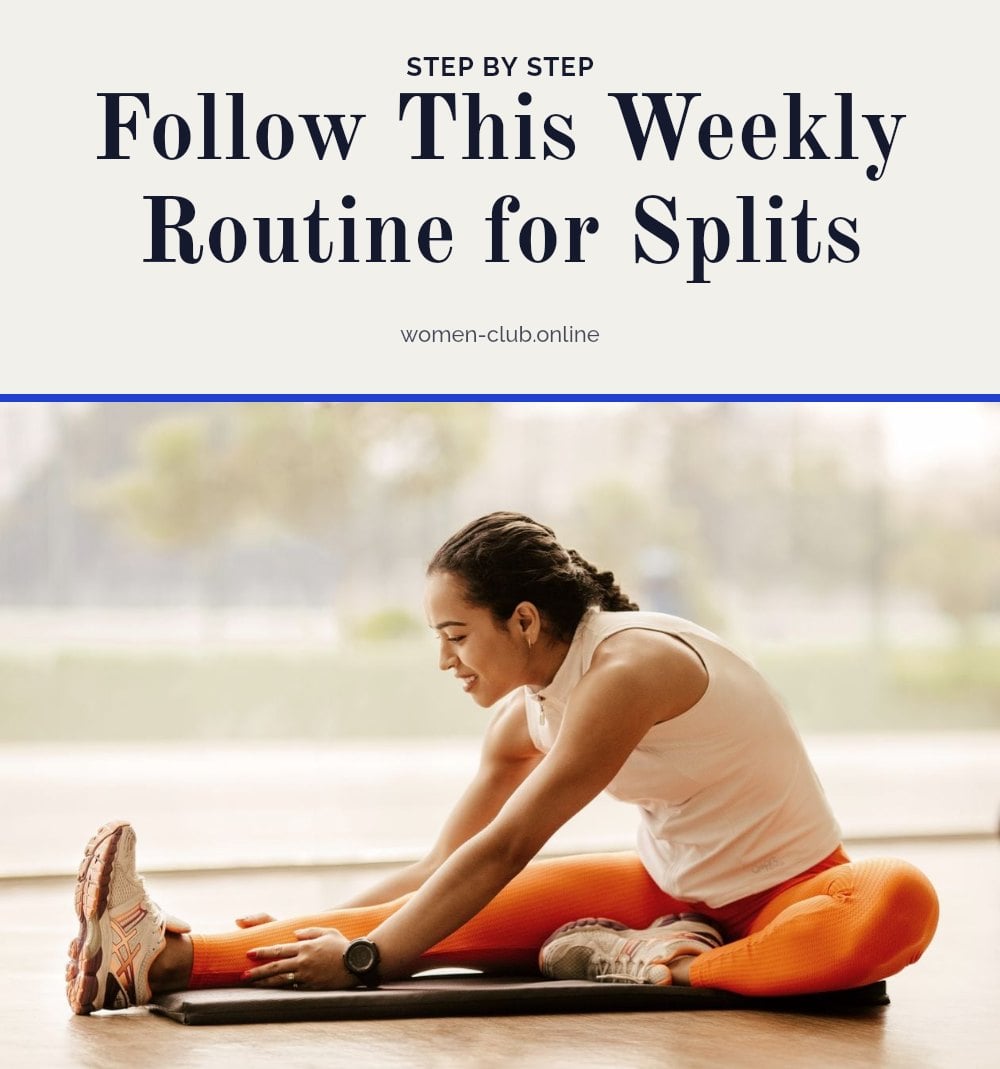
Consistency beats intensity when you are working toward the splits. Aim for 3 to 5 sessions per week, and keep each session focused and calm.
- Warm up: Start with 5 to 10 minutes of light cardio, such as marching in place or easy cycling, to increase blood flow to your muscles.
- Hamstring focus: Sit on the floor with one leg extended and the other bent. Hinge forward from your hips, keeping your back straight. Hold for 20 to 30 seconds, then switch sides.
- Hip flexor focus: Kneel on one knee with the other foot forward. Gently push your hips forward until you feel a stretch in the front of the back hip. Hold for 20 to 30 seconds per side.
- Adductor focus: Sit with the soles of your feet together and knees out to the sides. Press your knees gently toward the floor. Hold for 20 to 30 seconds.
- Splits preparation: From a kneeling lunge, slide your front foot forward and back knee away until you feel a mild stretch. Use blocks or cushions under your hands for support. Hold for 20 to 30 seconds.
- Cool down and breathe: End with a gentle forward fold. Throughout every stretch, breathe deeply and evenly, never hold your breath. Keep your form aligned, shoulders relaxed, and hips square.
My tip: keep a journal of your sessions. Noting how deep you felt each day helps you see small gains and stay motivated.
Effective Stretching Techniques for Deeper Flexibility

To make real progress, you need to use techniques that challenge your muscles safely. The most common method is static stretching, where you ease into a stretch and hold it for 20 to 30 seconds. This allows the muscle fibers to lengthen gradually. Tip: Breathe deeply while holding; exhaling as you sink deeper helps release tension.
Proprioceptive Neuromuscular Facilitation (PNF) stretching is another effective approach. It works by contracting a muscle for 5 to 10 seconds, then relaxing it and moving deeper into the stretch. For example, while in a seated forward fold, gently press your legs against your hands for a few seconds, then relax and reach farther. Caution: Only try PNF after you are fully warmed up, and never force the movement.
Active flexibility uses your own muscle strength to hold a stretch without props. Lifting your leg to a low height and holding it there builds control at the end range of motion. This complements the passive flexibility you get from static stretching. Tip: Alternate between passive and active stretches in each session for balanced development.
No matter which technique you choose, never bounce or use jerky movements. That triggers the stretch reflex, causing muscles to contract instead of lengthen, which raises the risk of strains.
Common Splits Stretching Mistakes and How to Avoid Them
Even with good intentions, a few common mistakes can stall your progress or cause injury. Here is what to watch for and how to fix it.
- Stretching cold muscles: Without a warm-up, muscles are stiff and more prone to tears. Always do 5 to 10 minutes of light cardio first, like brisk walking or jumping jacks.
- Bouncing into stretches: This activates the stretch reflex, making muscles contract rather than lengthen. Move slowly and smoothly into each position.
- Ignoring pain signals: Sharp or shooting pain means something is wrong. Stop immediately and back off to a comfortable range. Discomfort is normal; pain is not.
- Inconsistent stretching: Stretching once a week will not build lasting flexibility. Aim for 3 to 5 sessions per week for steady gains.
- Focusing only on the splits position: The splits themselves are the end goal, but you need to prepare the hamstrings, hip flexors, and adductors first. Include targeted stretches for each muscle group in your routine.
Best Tips for Reaching Your Splits Goal
After months of practicing, I have found a few habits that truly speed up progress. Consistency is the biggest one: stretching daily or every other day works far better than long, infrequent sessions. Your muscles adapt to regular gentle stress.
My tip: Pair your stretching with a daily habit, like right after your morning shower or before bed, so it becomes automatic. Listen to your body every session. If you feel a sharp pinch, ease off. A mild pulling sensation is fine, but pain is a warning.
Breathe deeply throughout each stretch. Exhaling helps your muscles relax, allowing you to sink a little deeper. Stay hydrated and eat enough protein to support muscle recovery. And do not compare your journey to anyone else. Flexibility depends on genetics, age, and past activity. Focus on your own small wins each week.
Consider adding active flexibility work, like holding your leg up without support. It builds strength at the end range of motion, which helps you hold the splits more securely.
How Long Does It Take to Get the Splits?
There is no single answer for how long it takes to get the splits. Progress depends on your genetics, age, activity level, and how consistently you stretch. Some people see noticeable improvement within a few weeks, while reaching a full split can take several months to a year or more.
What matters most is showing up regularly. Stretching 3 to 5 times per week with proper technique will move you forward faster than sporadic intense sessions. Focus on gradual, safe progress rather than a deadline. Celebrate each inch of improvement, and trust the process.
When to Consult a Professional
If you have a pre-existing injury, chronic pain, or any concerns about your flexibility, talk to a doctor or physical therapist before starting a splits routine. They can assess your individual situation and recommend safe modifications. Stop stretching immediately if you feel any sharp, sudden, or shooting pain. That is a sign of potential injury, not a stretch you should push through. Pregnant individuals should check with their doctor before beginning a new flexibility program, as hormonal changes can affect joint laxity. People with hypermobility need to approach stretching with extra care and seek professional guidance to avoid overstretching joints.
Frequently Asked Questions
How long does it take to achieve the splits?
There is no single timeline because progress depends on your genetics, age, activity level, and how consistently you stretch. Some people notice improvement within a few weeks, while reaching a full split can take several months to a year or more. Consistency is more important than speed.
Can I do the splits if I’m not naturally flexible?
Yes, most people can improve their flexibility enough to do the splits with consistent, safe stretching. Natural flexibility varies, but a structured plan that targets the right muscle groups and respects your limits can help you make steady progress over time.
What’s the difference between front splits and middle splits?
Front splits involve one leg forward and one leg back, stretching the hamstrings of the front leg and the hip flexors of the back leg. Middle splits have both legs out to the sides, primarily working the adductors (inner thigh muscles) and hamstrings.
Should I stretch every day to get the splits?
Daily stretching can be effective as long as you listen to your body and avoid overstretching. Many people do well with 3-5 sessions per week, which allows muscles time to recover. If you stretch every day, keep sessions gentle and never push into pain.
What if I feel pain during stretching?
Stop immediately if you feel sharp, sudden, or shooting pain, as this may indicate an injury. Mild discomfort or a pulling sensation is normal, but pain is a signal to back off. If pain persists, consult a doctor or physical therapist before continuing.
Final Thoughts
Pick one type of split to focus on first, either front or middle, and follow the weekly plan for at least a month before reassessing. Expect gradual progress: you may see small gains within a few weeks, but a full split can take several months to a year or more. Stick with your routine, listen to your body, and celebrate every inch of improvement along the way.
This article is for general informational purposes only and does not constitute medical or professional advice. Always consult a doctor, physical therapist, or qualified fitness professional before starting a new stretching routine, especially if you have pre-existing injuries, chronic pain, or other health concerns.








