Squat Variations for Women: Form Tips and Your Weekly Plan

You know squats are a powerhouse move for your lower body, but with so many variations out there, it’s easy to wonder which one is right for you. Whether you’re just starting out or looking to level up, nailing your form is the key to getting stronger without getting sidelined by pain. This article breaks down the most effective squat variations, gives you form tips that actually work, and lays out a simple weekly plan to help you build strength and confidence.
Key Takeaways
- Master the bodyweight squat first before adding any weight to build a solid foundation.
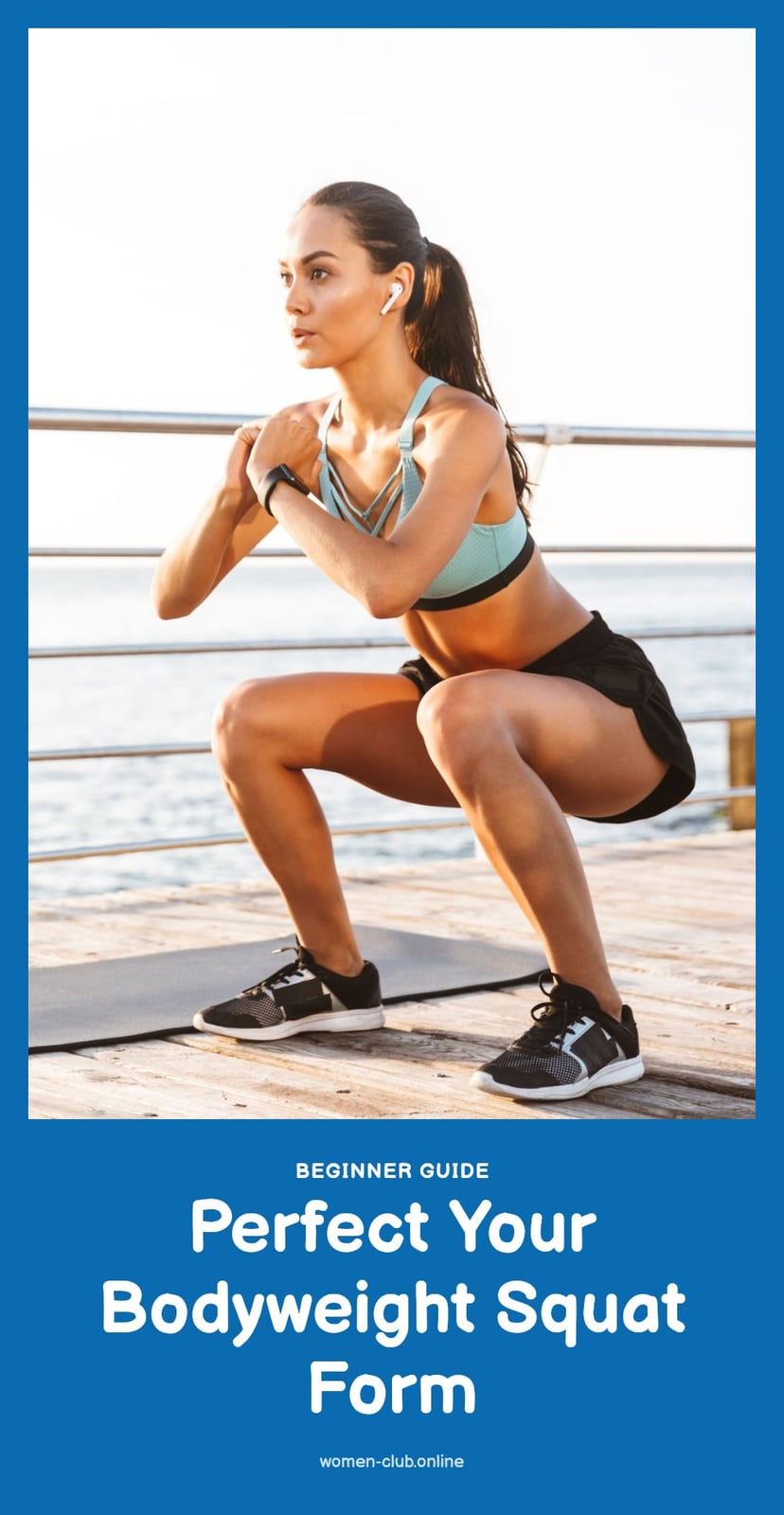
- Hinge at your hips first, then bend your knees, as if sitting back into a chair.
- Keep your knees tracking in line with your toes to avoid injury and maximize muscle engagement.
- Aim for 2-3 squat-focused workouts per week with at least one rest day between sessions.
- Stop immediately if you feel sharp pain in your knees, hips, or back during a squat.
Why Squats Are a Must-Have in Your Routine
Squats are a fundamental compound exercise that strengthens your lower body and core at the same time. They target major muscle groups like your quadriceps, glutes, and hamstrings, which improves overall strength and mobility. The best part is the variety: bodyweight, goblet, sumo, or front squats let you adjust the challenge to your current fitness level and goals. Whether you’re a beginner or advanced, there’s a squat variation that works for you.
Your Squat Toolkit: What You’ll Need
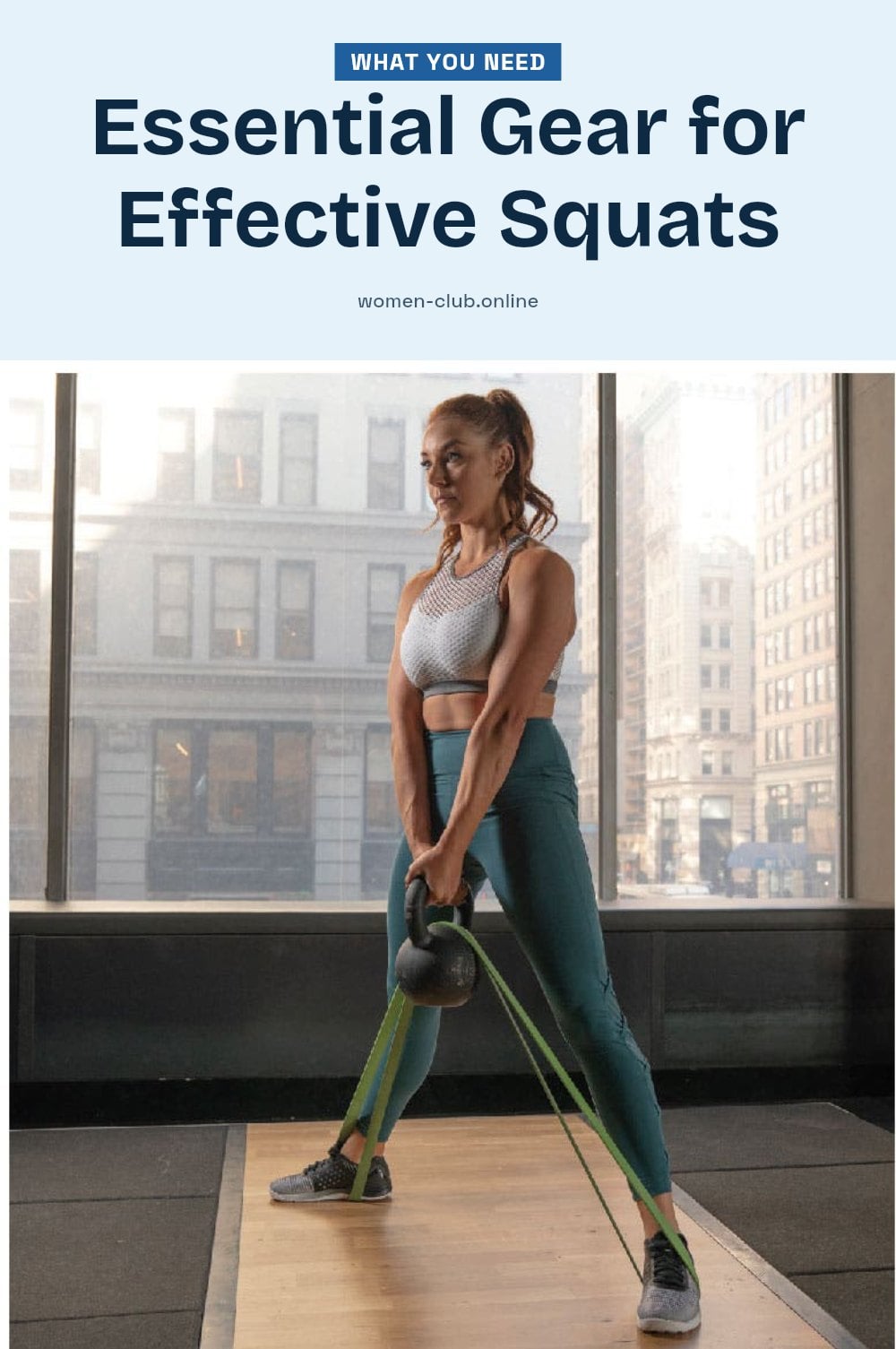
You don’t need much to start squatting, but the right gear makes a difference.
- Athletic shoes: Choose comfortable, stable shoes with good grip to keep your feet planted.
- Dumbbells or kettlebells: Add resistance once bodyweight squats feel easy. Hold one dumbbell at your chest for goblet squats or one in each hand for traditional weighted squats.
- Resistance bands: Place a band above your knees to activate your glutes and keep your knees tracking correctly.
- Barbell and squat rack (optional): For heavier lifting, a barbell and rack allow safe loading and unloading.
Mastering the Bodyweight Squat: Step-by-Step
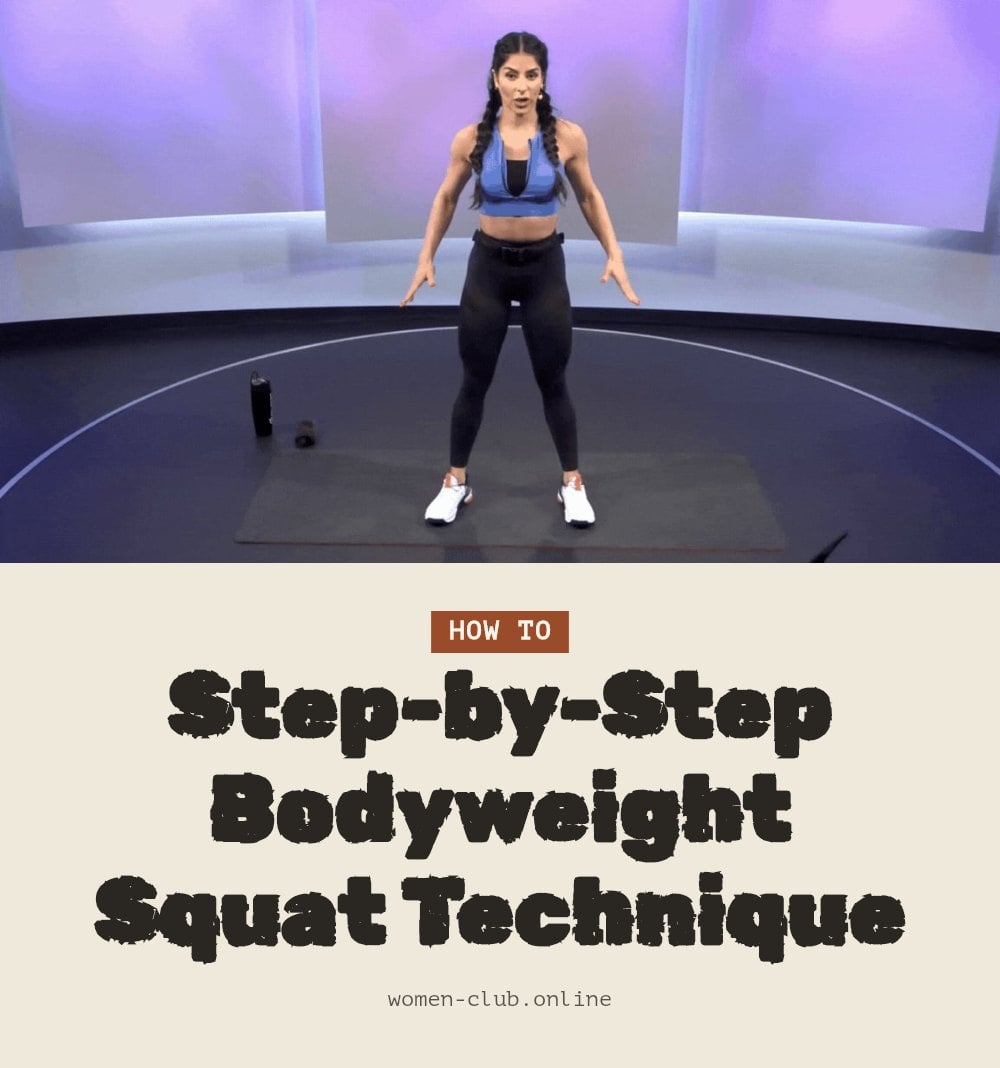
Master the bodyweight squat first. Good form prevents injury and builds a strong foundation.
- Set your stance: Stand with feet shoulder-width apart, toes pointing mostly forward or slightly outward. Keep your weight evenly distributed. This is your default stance for a standard squat, distinct from the wider sumo squat.
- Hinge at your hips: Push your hips back as if closing a car door with your glutes. This hip hinge should start the movement before your knees bend.
- Descend like sitting in a chair: Bend your knees and lower your body, keeping your chest up and your spine neutral. Go as low as your mobility allows without rounding your back.
- Track your knees: Make sure your knees stay in line with your toes. Do not let them cave inward. If they do, focus on pushing them outward or slightly widen your stance.
- Drive through your heels: Push through your heels and midfoot to stand back up. Squeeze your glutes at the top for full engagement.
Squat Variations to Elevate Your Workout
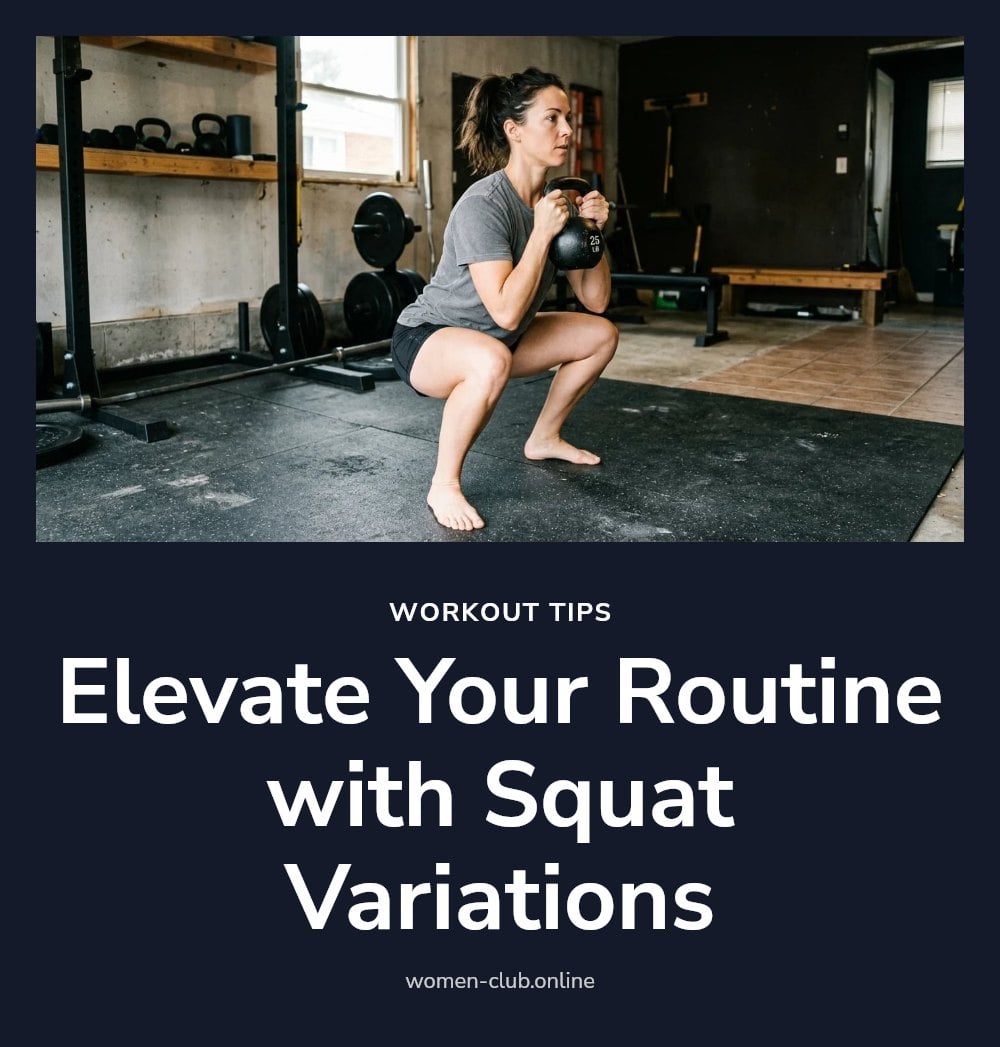
Once you have the bodyweight squat down, try these variations to target different muscles and keep your workouts interesting.
Goblet Squat
Hold a dumbbell or kettlebell vertically against your chest with both hands. The weight acts as a counterbalance, which helps beginners maintain an upright torso and proper depth. Tip: Keep your elbows pointed down and let the weight guide you into a deeper squat.
Sumo Squat
Take a wider stance with your toes pointed outward more than in a regular squat. This shift emphasizes your inner thighs (adductors) and glutes. Tip: Focus on pushing your knees out in the same direction as your toes throughout the movement.
Front Squat
Rest a barbell across the front of your shoulders (or hold dumbbells at your shoulders). This position forces your torso to stay upright, placing more demand on your quadriceps and core. Tip: You need good wrist and thoracic spine mobility for the barbell version; start with dumbbells if it feels uncomfortable.
Adding Resistance
Increase intensity by holding dumbbells, wearing a weighted vest, or looping a resistance band around your thighs. For barbell back squats, always use a squat rack and a spotter for safety.
Your Weekly Squat Workout Plan
To see real progress, aim for 2-3 squat-focused workouts per week with at least one rest day between sessions. Start with bodyweight squats to lock in your form, then gradually add resistance like dumbbells or a barbell. Consistency over several weeks builds both strength and technique.
| Day | Workout Focus | Sets x Reps |
|---|---|---|
| Monday | Bodyweight squats | 3 x 10-12 |
| Wednesday | Goblet squats | 3 x 8-10 |
| Friday | Sumo squats | 3 x 10-12 |
| Saturday | Rest or light activity | – |
Listen to your body: if you feel excessive fatigue or joint discomfort, take an extra rest day or reduce the weight. Progress comes from steady practice, not pushing through pain.
Common Squat Mistakes and How to Fix Them
Even small form errors can limit results or cause discomfort. Here are the most common squat mistakes and how to fix them.
- Rounding your back: Keep your chest up and core tight throughout the movement. Imagine pulling your shoulder blades together.
- Knees caving inward: Focus on pushing your knees outward so they track in line with your toes. A resistance band just above your knees can help cue this.
- Not going deep enough: Work on hip and ankle mobility with stretches like deep squats or calf stretches. Aim for thighs parallel to the ground or lower if your mobility allows.
- Lifting heels: Push through your midfoot and heels, not your toes. If your heels still lift, try squatting with a small weight plate under them temporarily to improve ankle mobility.
Pro Tips for a Stronger, Safer Squat
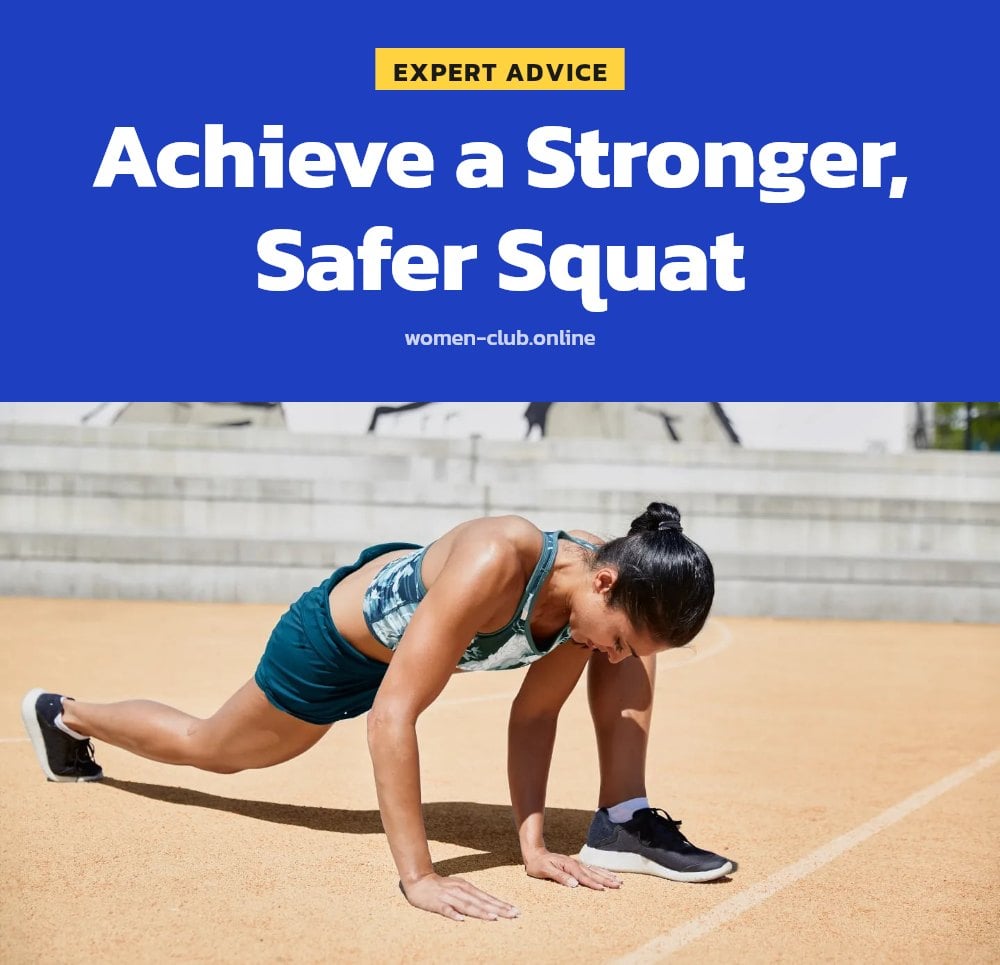
These small adjustments can make your squats safer and more effective.
- Warm up: Do dynamic stretches like leg swings, hip circles, and bodyweight squats for 5 minutes before your workout.
- Engage your core: Brace your abs as if someone were about to punch you. This stabilizes your spine.
- Breathe correctly: Inhale as you lower down, exhale forcefully as you push back up. Never hold your breath.
- Start light: Master bodyweight squats before adding any external weight. Perfect form first.
- Vary your routine: Rotate through goblet, sumo, and front squats to target different muscle groups and prevent plateaus.
When to Consult a Professional
If you feel sharp pain in your knees, hips, or back during a squat, stop immediately. Do not try to work through it. Consult a doctor or physical therapist if you have pre-existing joint issues or injuries before starting a squat routine. For personalized form correction and programming, seek guidance from a certified personal trainer. They can tailor the movement to your body and goals.
Frequently Asked Questions
How many squats should I do a day to see results?
Instead of focusing on a daily number, aim for 2-3 squat-focused workouts per week. Within each session, 3 sets of 8-12 reps of a variation you can do with good form is a solid starting point. Consistency over several weeks matters more than hitting a high number in one day.
Can squats help with knee pain?
For some people, strengthening the muscles around the knees through proper squatting can help with certain types of knee discomfort. However, if you have existing knee pain or an injury, consult a doctor or physical therapist before starting any squat routine. Never squat through sharp pain.
What is the best squat variation for glutes?
The sumo squat, with its wider stance, emphasizes inner thigh and glute activation more than a traditional squat. To really target your glutes, focus on driving through your heels and squeezing your glutes at the top of the movement. Adding resistance, like a dumbbell, can also increase activation.
How do I know if my squat form is correct?
Check that your knees track in line with your toes and don’t cave inward. Your chest should stay up, your back should remain neutral (not rounded), and you should feel your weight in your heels. A quick test is to squat in front of a mirror or film yourself from the side to check your alignment.
Can I do squats every day?
Doing squats every day is not recommended because your muscles need time to recover and rebuild. Aim for 2-3 squat-focused workouts per week with at least one rest day between sessions. You can do light, bodyweight squats on other days as part of a warm-up, but save the heavy work for your dedicated days.
What should I feel when doing a squat?
You should feel your quadriceps, hamstrings, and glutes working as you lower and stand up. Your core should also feel engaged to keep your torso stable. A slight stretch in your hips and ankles at the bottom is normal, but you should never feel sharp or pinching pain anywhere.
Final Thoughts
Start with bodyweight squats and focus on your form until the movement feels natural. Once you’ve got that down, try the goblet squat first. It’s a great way to add resistance while keeping your torso upright. You should start to notice improvements in your strength and stability within a few weeks of consistent practice. Remember, quality always beats quantity, so take your time and listen to your body.
This article is for general informational purposes only and does not constitute medical or professional fitness advice. Always consult a doctor, physical therapist, or certified fitness professional before starting a new exercise routine, especially if you have pre-existing injuries or health conditions.








