Strength Training for Women Over 40: Your Guide to Getting Started

If you are a woman over 40, you may have noticed that maintaining your strength and energy feels different than it used to. That is because muscle mass naturally declines with age, but strength training is the most effective way to fight back. This guide covers why lifting weights is essential at this stage, how to start safely, what equipment you need, and what to expect along the way.
Key Takeaways
- Strength training helps combat age-related muscle loss and boosts bone density for women over 40.
- Start with bodyweight or light weights to master proper form before increasing resistance.
- Aim for 2-3 full-body strength sessions per week with a rest day in between.
- Include a warm-up and cool-down in every session to prevent injury.
- Consistency matters more than intensity; initial results can appear in 4-8 weeks.
Why Strength Training is Essential for Women Over 40
Strength training is non-negotiable for women over 40 because it directly counters sarcopenia, the age-related muscle loss that starts around 30 and speeds up after 40. Building muscle through resistance work also boosts bone density, which lowers your risk of osteoporosis, a major concern for women in this age group. And since muscle tissue burns more calories at rest than fat does, regular strength training revs your metabolism, making weight management easier and keeping your energy levels high.
Essential Equipment for Your Strength Training Journey
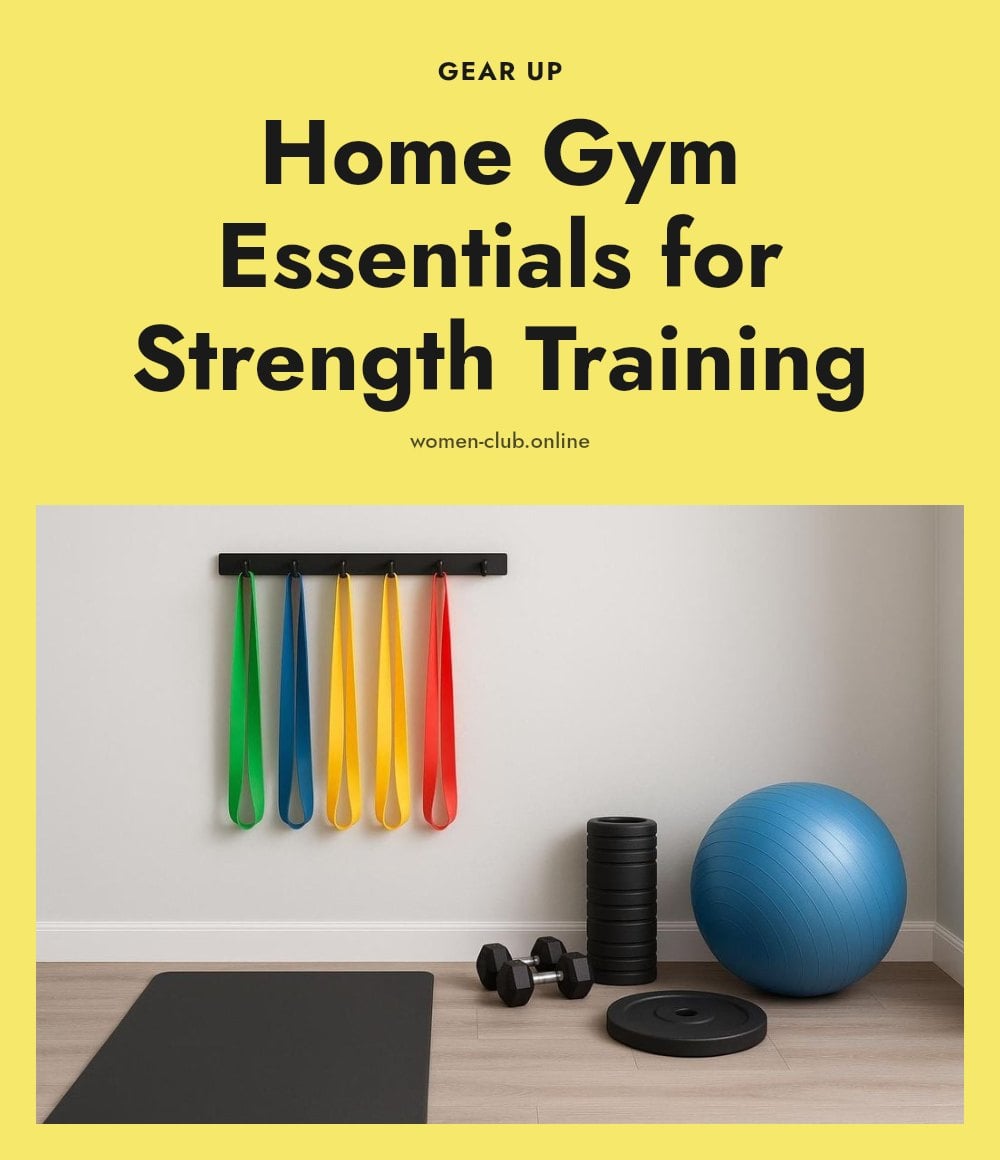
You don’t need a garage full of gear to start. Here’s what I recommend for a beginner setup:
- Dumbbells: A set of light to medium weights lets you start safely and increase resistance as you get stronger.
- Resistance bands: These are portable, versatile, and come in different strengths, perfect for adding resistance without heavy weights.
- Exercise mat: Provides cushion and grip for floor moves like planks and glute bridges.
- Comfortable athletic shoes: Proper footwear gives you the stability and support you need for standing exercises.
- Water bottle: Staying hydrated fuels your performance and helps recovery.
Your Step-by-Step Guide to Starting Strength Training Safely
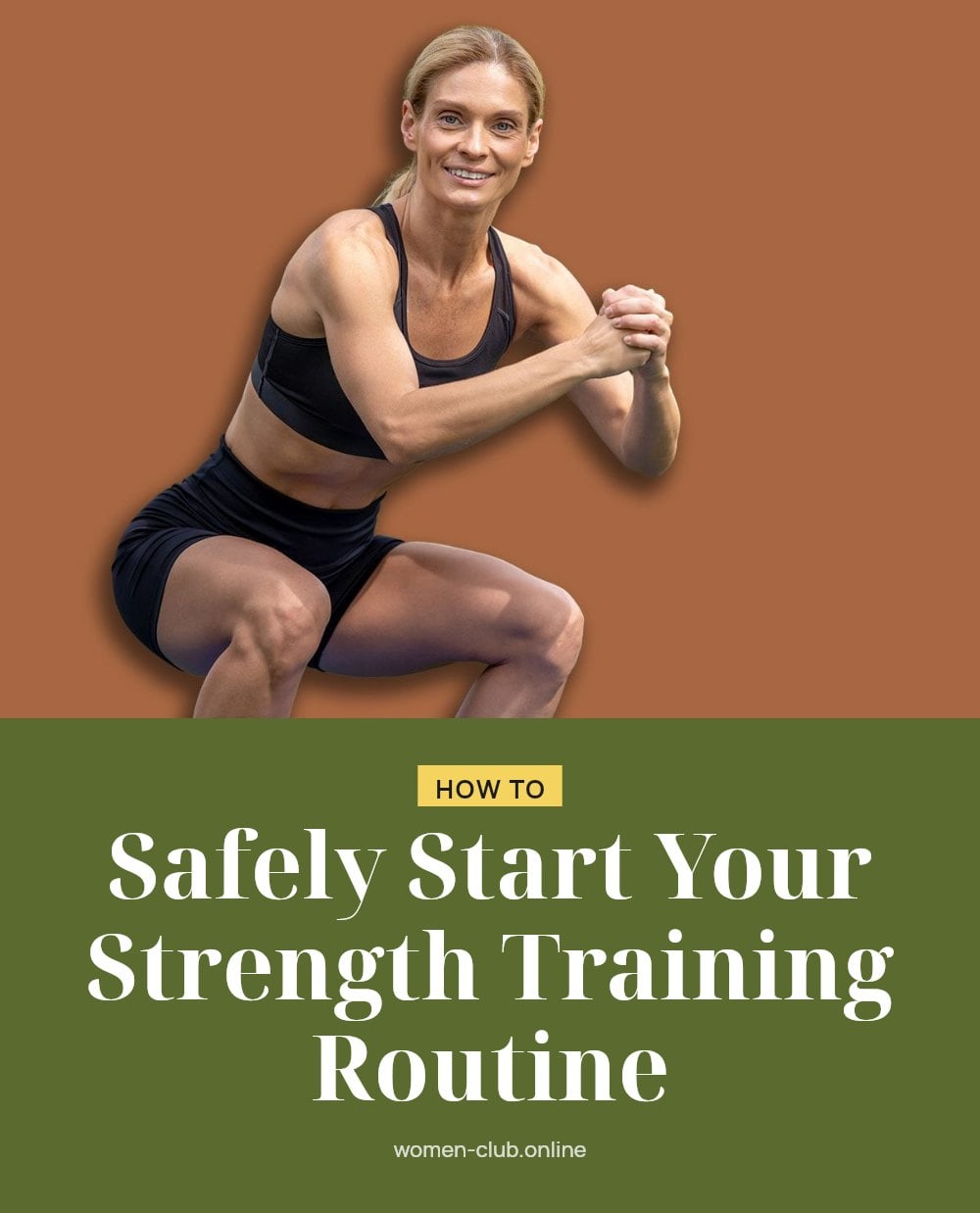
Starting strength training safely means following a clear sequence of steps. I break it down into six actions that protect your body and build good habits from day one.
- Consult your doctor: Get medical clearance before you pick up a weight, especially if you have chronic conditions, joint issues, or take medications. Your doctor knows your health history and can confirm whether strength training is right for you.
- Warm up properly: Spend 5 to 10 minutes on dynamic moves like arm circles, leg swings, and light marching in place. This raises your heart rate, increases blood flow to muscles, and preps your joints for the work ahead.
- Master basic form: Begin with bodyweight exercises or the lightest dumbbells you own. Perform each movement slowly and with control, focusing on technique before you add any resistance. Good form now prevents bad habits later.
- Choose compound movements: Pick exercises that work several muscle groups at once, such as squats, lunges, and push-ups. These give you an efficient full-body workout in less time and improve coordination.
- Breathe correctly: Exhale during the effort phase, when you lift, push, or pull. Inhale during the recovery phase when you lower or relax the weight. Never hold your breath; steady breathing supports your muscles and keeps your blood pressure stable.
- Cool down and stretch: Finish each session with 5 to 10 minutes of static stretches. Hold each stretch for 20 to 30 seconds without bouncing. This improves flexibility and helps your muscles recover more quickly.
A Sample Weekly Strength Training Schedule for Beginners
This sample plan uses full-body workouts 2-3 times per week with rest days in between, which is a safe and effective starting point. Always include your warm-up and cool-down. Listen to your body and adjust rest days as needed for recovery.
| Day | Activity | Notes |
|---|---|---|
| Monday | Full-body strength workout | Include warm-up and cool-down |
| Tuesday | Rest or light activity | Walking, stretching |
| Wednesday | Full-body strength workout | Focus on form |
| Thursday | Rest or light activity | Allow muscle repair |
| Friday | Full-body strength workout | Optional third session |
| Saturday | Rest or gentle movement | Listen to your body |
| Sunday | Rest | Recovery is key |
Common Strength Training Mistakes to Avoid
Even with the best intentions, a few common mistakes can slow your progress or lead to injury. Here is what to avoid and what to do instead.
- Skipping Warm-Up and Cool-Down: Jumping straight into heavy lifts without preparing your muscles increases injury risk. Always dedicate 5-10 minutes to dynamic stretches and light cardio before, and static stretches after.
- Using Incorrect Form: Lifting too heavy too soon often means your body compensates with poor mechanics. Prioritize mastering the movement with light weights or bodyweight before adding resistance.
- Ignoring Progressive Overload: If you lift the same weight for the same reps every session, your muscles stop adapting. Gradually increase the weight, reps, or sets each week to keep challenging them safely.
- Not Taking Rest Days: Muscles repair and grow during rest, not during the workout itself. Overtraining leads to fatigue and plateaus, so schedule at least one full rest day between strength sessions.
- Inadequate Protein Intake: Protein provides the building blocks for muscle repair. Aim to include a source of protein at each meal, especially on training days, to support recovery.
Smart Tips for Sustainable Strength Training Success

Building a lasting strength routine is about smart habits, not perfection. These tips will help you stay on track and see real progress.
- Prioritize Consistency: Two to three sessions per week done reliably will outperform sporadic intense workouts. Make it a non-negotiable part of your week.
- Track Your Progress: Keep a simple log of the weights, reps, and sets you complete each workout. Seeing those numbers increase over weeks is a powerful motivator.
- Stay Hydrated: Water supports every function in your body, including muscle contraction and recovery. Drink water throughout the day, not just during your workout.
- Listen to Your Body: Muscle fatigue is normal; sharp or joint pain is not. If something feels wrong, stop and modify the exercise or take an extra rest day.
- Focus on Variety: Rotate exercises every few weeks to target different muscle groups and keep your workouts interesting. This also helps prevent overuse injuries.
What to Expect: Timeline for Results and Potential Costs
Results take time, but the changes start sooner than you might think. Here is a realistic timeline and a look at what it may cost to get started.
- Results Timeline: With consistent training 2-3 times per week, you can expect to notice initial strength gains and improved muscle tone within 4-8 weeks. More noticeable changes in body composition typically appear over several months.
- Potential Costs: You can start with no equipment at all using bodyweight exercises. A basic set of dumbbells and resistance bands may cost between $50 and $150. A gym membership, which provides access to a wider range of equipment, often ranges from $20 to $60+ per month.
When to Consult a Professional or Your Doctor
Safety always comes first, especially when starting something new. Here is when to seek professional guidance.
- Before You Start: Always consult your healthcare provider before beginning a strength training program, particularly if you have chronic conditions, joint issues, or take medications.
- During Your Workout: Stop immediately and contact your doctor if you experience sharp pain, dizziness, chest discomfort, or any unusual symptoms.
- For Personalized Guidance: Consider working with a certified personal trainer, even for a few sessions. They can teach you proper form and design a program tailored to your needs and goals.
Frequently Asked Questions
Can strength training help with weight loss after 40?
Yes, it can. Muscle tissue burns more calories at rest than fat tissue, so building muscle through strength training can boost your resting metabolism. This makes it easier to manage your weight, especially when combined with a balanced diet and adequate protein intake. It is not a quick fix, but it supports long-term weight management.
What are the best strength training exercises for beginners?
Compound movements that work multiple muscle groups at once are ideal for beginners. Squats, lunges, push-ups (on knees if needed), rows, and overhead presses are excellent choices. These exercises build functional strength and teach your body to move efficiently. Start with bodyweight or very light weights to learn the movement pattern first.
Is it safe to strength train with joint pain?
It depends on the type and cause of the pain. Muscle soreness after a workout is normal, but sharp or persistent joint pain is a sign to stop. If you have arthritis or chronic joint issues, consult your doctor or a physical therapist before starting. They can recommend modifications and exercises that protect your joints while still building strength.
How long does it take to see results from strength training?
With consistent training 2-3 times per week, you can notice initial improvements in strength and muscle tone within 4 to 8 weeks. More significant changes in body composition and muscle definition typically take a few months. Progress depends on your starting point, effort, nutrition, and recovery, so focus on your own journey.
How often should women over 40 strength train?
Most experts recommend at least two strength training sessions per week, targeting all major muscle groups. For beginners, a full-body workout performed 2 to 3 times per week with a rest day between sessions is a safe and effective starting point. Listen to your body and take extra rest days if you feel overly fatigued or sore.
Final Thoughts
My tip: pick two or three compound exercises like squats, push-ups, and rows, and focus on doing them with good form twice a week. You can expect to feel stronger and more energetic within a couple of months, but real, lasting change comes from sticking with it. Start where you are, use what you have, and give your body the strength it deserves.
This article provides general information about strength training for women over 40 and is not a substitute for professional medical advice. Always consult your doctor before starting any new exercise program, especially if you have pre-existing health conditions, joint issues, or take medications. Stop exercising and seek medical attention if you experience sharp pain, dizziness, or chest discomfort.








