
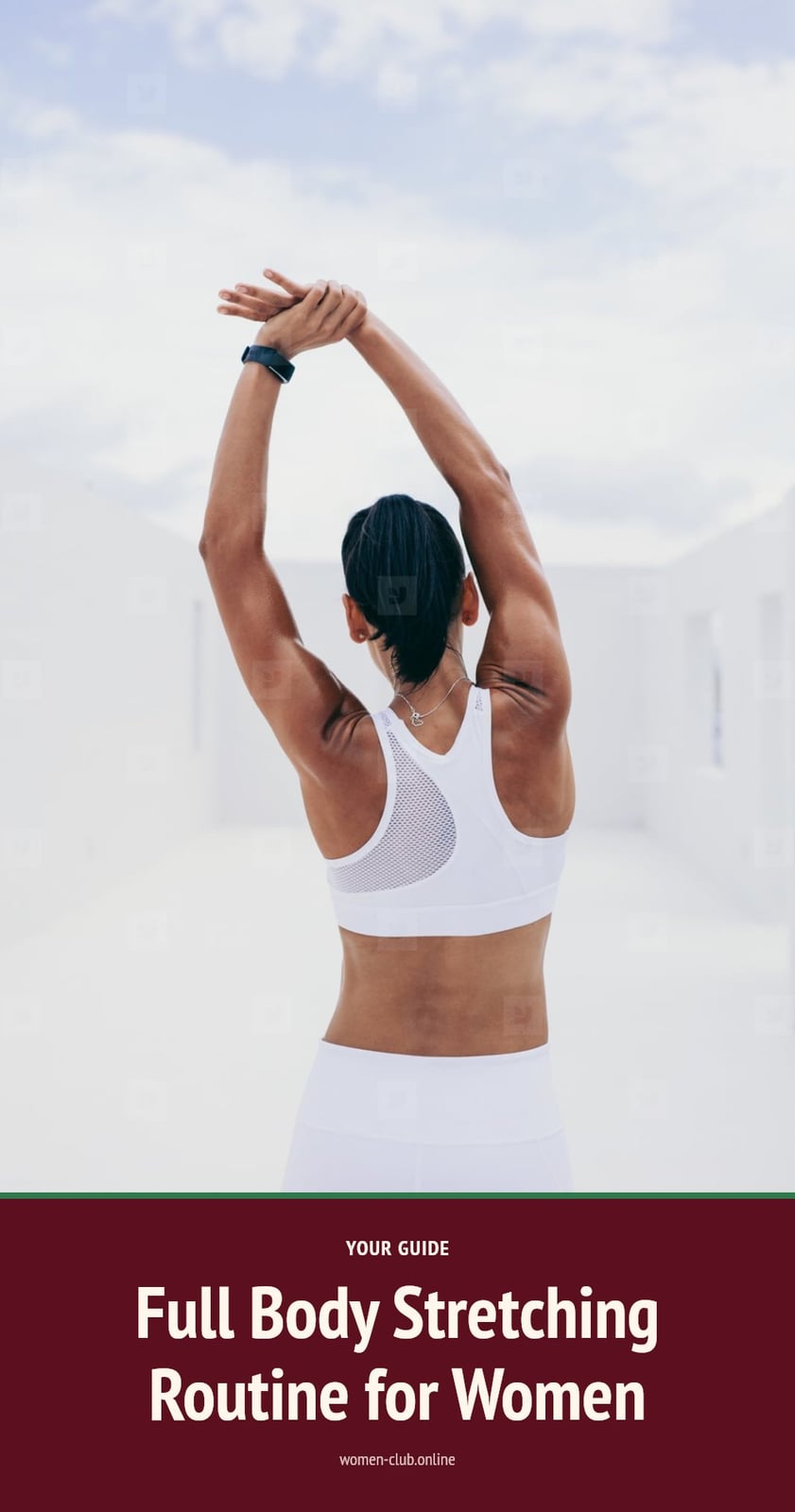
You already know stretching is good for you, but doing it at the wrong time or in the wrong way can actually work against your workout. The secret is simple: dynamic stretches before you exercise to warm up, and static stretches after to cool down. This article walks you through the best pre- and post-workout stretches, why they matter, and how to build a routine that fits your week.
Key Takeaways
- Do dynamic stretches before your workout for 5-10 minutes.
- Do static stretches after your workout, holding each for 15-30 seconds.
- Never bounce or stretch to the point of pain; stop if it hurts.
- Stretch both sides of your body evenly and breathe deeply.
- Stick with the routine for several weeks to see flexibility gains.
The Right Way to Stretch Before and After Your Workout
The key to effective stretching is matching the type to the timing. Dynamic stretches, which involve controlled movement through a range of motion, are best before a workout to prepare your muscles for activity. Static stretches, where you hold a position for 15-30 seconds, are most effective after a workout when your muscles are warm. Getting this timing right can enhance your performance and reduce your risk of injury.
1. Dynamic Warm-Up: Arm Circles
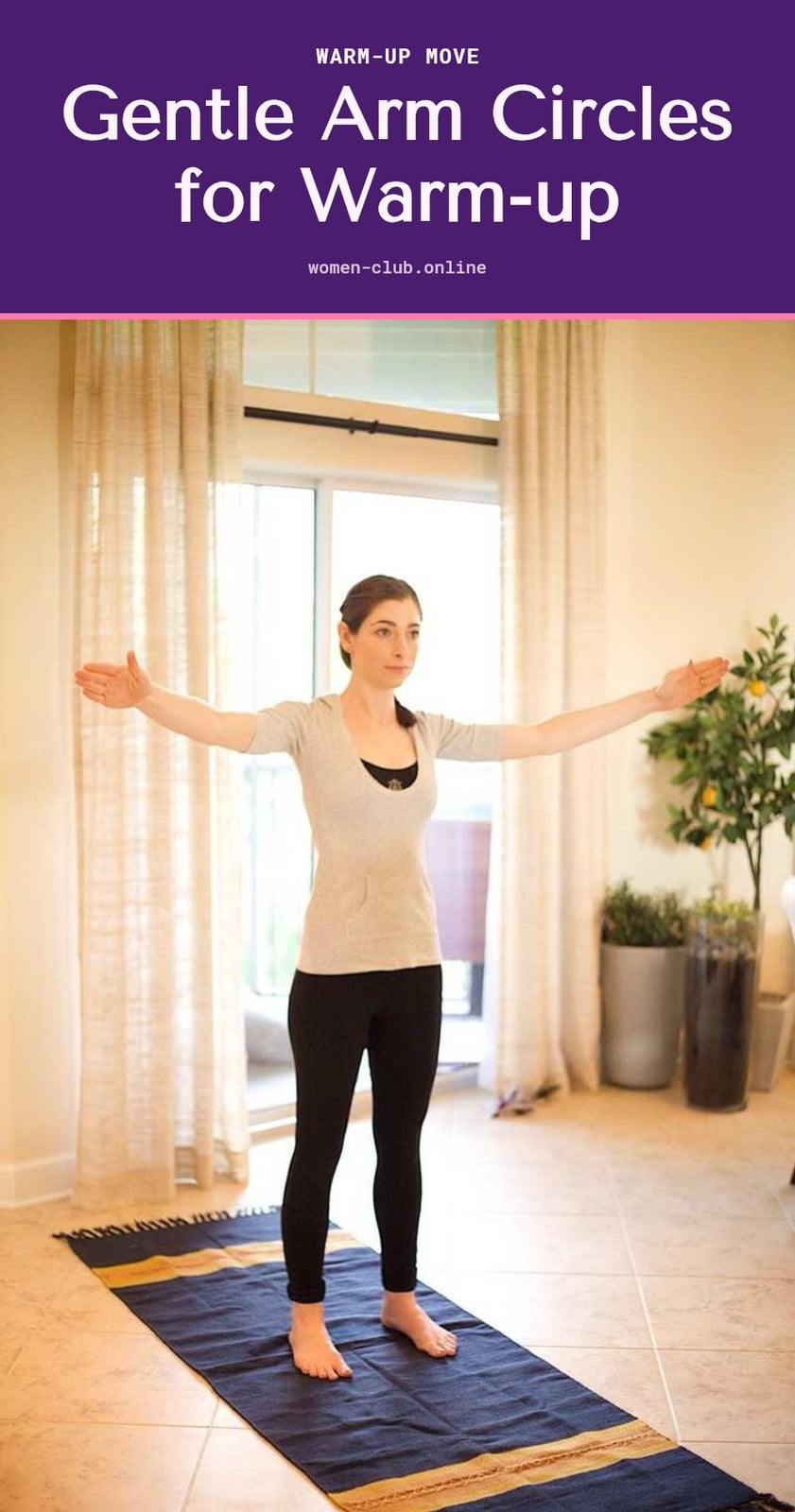
Stand tall with your feet shoulder-width apart and arms extended out to your sides. Make small forward circles with your arms, gradually increasing the size of the circles. Focus on controlled movements to warm up your shoulder joints.
- Sets and reps: 10-15 circles forward, then 10-15 backward
- Form cue: Keep your shoulders relaxed and down
- Make it easier or harder: Smaller circles for less intensity, larger circles for more
2. Dynamic Warm-Up: Leg Swings
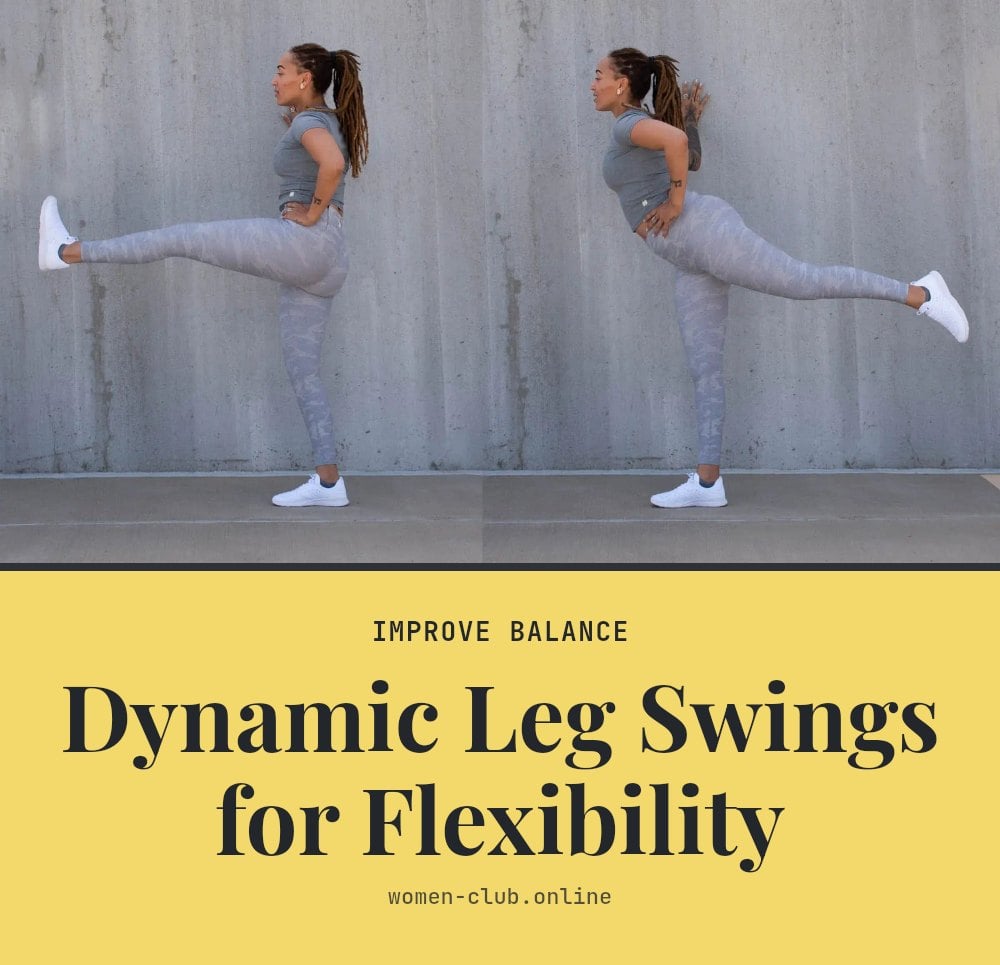
Stand next to a wall or sturdy object for balance. Swing one leg forward and backward in a controlled motion, keeping your core engaged. Keep your standing leg slightly bent and avoid locking your knee.
- Sets and reps: 10-12 swings per leg, then switch sides
- Form cue: Control the swing, don’t let momentum take over
- Make it easier or harder: Use a smaller range of motion to start, increase gradually
3. Dynamic Warm-Up: Torso Twists
Stand with your feet shoulder-width apart, knees slightly bent, and arms bent at your sides. Gently twist your torso from side to side, allowing your arms to swing naturally. Keep your hips relatively stable, focusing the movement in your upper body.
- Sets and reps: 10-12 twists to each side
- Form cue: Rotate from your ribcage, not your hips
- Make it easier or harder: Reduce the range of motion for a gentler twist, or add a slight bend forward for more intensity
4. Static Cool-Down: Hamstring Stretch
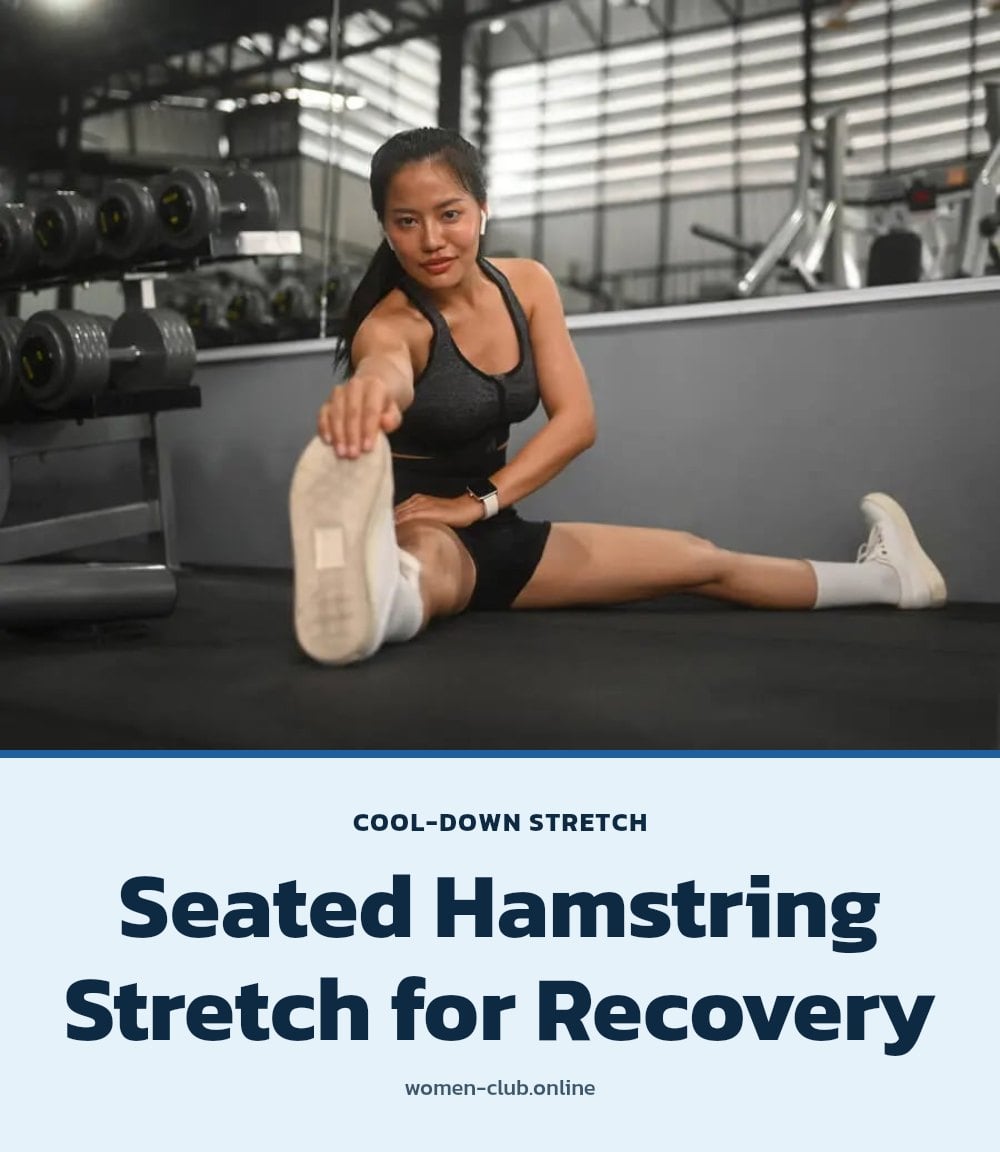
Sit on the floor with one leg extended straight out and the other bent so your foot rests against your inner thigh. Lean forward from your hips, reaching toward your extended foot until you feel a gentle pull in your hamstring. Keep your back straight and avoid rounding your shoulders.
- Time: Hold for 20-30 seconds, then switch legs. Repeat once per side.
- Form cue: Hinge at your hips, not your lower back, to target the hamstring safely.
- Make it easier or harder: Use a towel looped around your foot to deepen the stretch without straining.
5. Static Cool-Down: Triceps Stretch
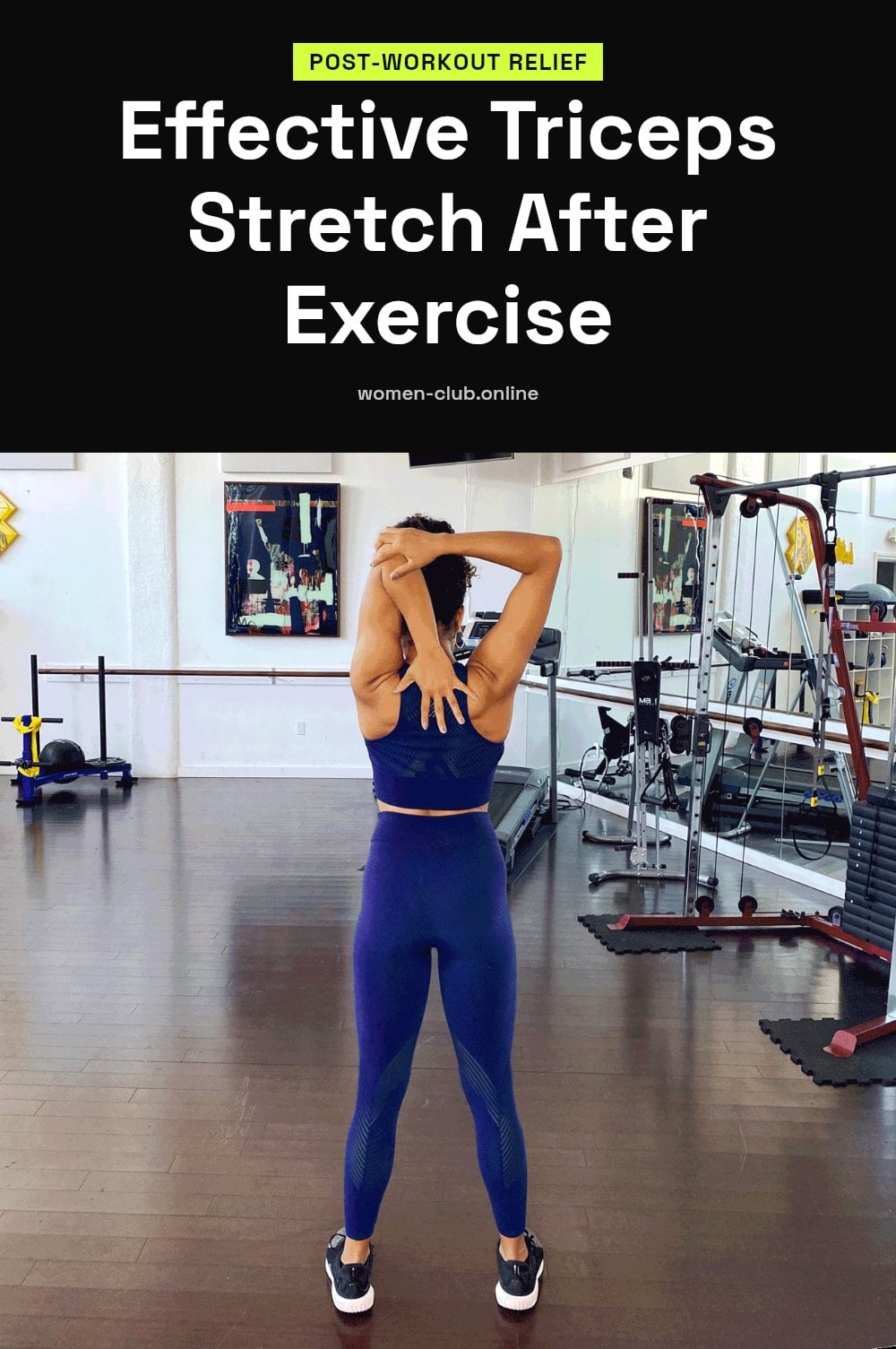
Raise one arm overhead and bend your elbow so your hand reaches down your back. Use your other hand to gently press down on the bent elbow, deepening the stretch in your triceps. Keep your neck relaxed and avoid shrugging your shoulders.
- Time: Hold for 20-30 seconds, then switch arms. Repeat once per side.
- Form cue: Keep your elbow pointing straight up toward the ceiling for proper alignment.
- Make it easier or harder: If the stretch feels too intense, press more lightly or let your hand rest on your back without pressure.
6. Static Cool-Down: Quadriceps Stretch
Stand tall and hold onto a wall or chair for balance. Bend one knee and grasp your ankle with the hand on the same side, gently pulling your heel toward your glutes. Keep your knees close together and feel the stretch in the front of your thigh.
- Time: Hold for 20-30 seconds, then switch legs. Repeat once per side.
- Form cue: Tuck your pelvis slightly to avoid arching your lower back during the stretch.
- Make it easier or harder: If you can’t reach your ankle, loop a towel around your foot and pull gently.
7. Static Cool-Down: Chest Stretch
Stand in a doorway or near a wall and place your forearm against the frame with your elbow bent at 90 degrees. Gently lean forward until you feel a stretch across your chest and front of your shoulder. Keep your shoulders down and relaxed, avoiding shrugging.
- Time: Hold for 20-30 seconds, then switch sides. Repeat once per side.
- Form cue: Keep your chest open and your shoulder blades slightly pulled together.
- Make it easier or harder: Adjust your arm height on the frame to target different parts of the chest and shoulder.
8. Static Cool-Down: Calf Stretch
Stand facing a wall with your hands placed on it at shoulder height. Step one foot back, keeping both heels on the ground and your back leg straight. Lean into the wall until you feel a gentle stretch in your calf muscle.
- Time: Hold for 20-30 seconds, then switch legs.
- Form cue: Keep your back heel pressed into the floor throughout the stretch.
- Make it deeper: Slightly bend your back knee while keeping the heel down.
Why Stretching Matters for Your Fitness Journey
Stretching does more than just feel good after a workout. Adding it to your routine can help improve your range of motion, making everyday movements easier and more comfortable. Over time, regular stretching can reduce muscle stiffness, which is especially helpful if you sit at a desk for long hours.
Better posture is another benefit. Tight muscles, like the chest and hip flexors, can pull your body out of alignment. Stretching those areas helps keep your spine in a neutral position. And when you use the right techniques, stretching can lower your risk of injury by preparing your muscles for activity and cooling them down afterward.
Tip: Consistency matters more than intensity. Even five minutes a day can make a difference over several weeks.
Your Weekly Stretching Plan
This plan combines dynamic stretches before your workout and static stretches after, giving you a balanced routine that supports flexibility and recovery. Stick with it for several weeks to see real progress.
| Day | Pre-Workout (5-10 min) | Post-Workout (10-15 min) |
|---|---|---|
| Monday | Arm circles, leg swings, torso twists | Hamstring, quad, calf, triceps, chest stretch |
| Wednesday | Arm circles, leg swings, torso twists | Hamstring, quad, calf, triceps, chest stretch |
| Friday | Arm circles, leg swings, torso twists | Hamstring, quad, calf, triceps, chest stretch |
| Saturday | Same dynamic warm-up | Same static cool-down |
My tip: If you miss a day, don’t worry. Just pick up again the next time you exercise. The goal is steady, not perfect.
Frequently Asked Questions
How long should I hold a stretch?
For static stretches after a workout, hold each position for 15 to 30 seconds. That is the common recommendation for improving flexibility. Holding for less than that may not give your muscles enough time to lengthen, while longer is not necessarily better and could increase strain.
Can stretching help with muscle soreness?
Many people find that cool-down stretches after exercise help reduce post-workout muscle soreness, though the evidence is not definitive. Stretching may ease tightness and promote relaxation, but it is not a guaranteed cure. If soreness is severe or persists, consider talking to a doctor or physical therapist.
Is it bad to stretch cold muscles?
Yes, static stretching on cold muscles is not recommended. It can increase the risk of strain because your muscles are not warmed up yet. Instead, do a light warm-up or dynamic stretches first to increase blood flow, then save static holds for after your workout when muscles are warm.
What is the difference between dynamic and static stretching?
Dynamic stretching involves moving your body through a range of motion, like leg swings or arm circles, to prepare muscles for activity. Static stretching means holding a position for a period of time, typically 15-30 seconds, to lengthen muscles. Use dynamic before exercise and static after.
How often should I stretch?
You can stretch as part of every workout, aiming for 5-10 minutes of dynamic moves before and 10-15 minutes of static stretches after. If you are not working out daily, try to include stretching on most days, even a short routine. Consistency over several weeks is what leads to improvement.
Can stretching improve posture?
Regular stretching may contribute to better posture over time by reducing muscle stiffness and improving range of motion, especially in areas like the chest, hips, and shoulders. However, posture also depends on strength and daily habits. Combine stretching with strength training and mindful sitting for the best results.
Final Thoughts
My tip: keep it simple. Pick two or three dynamic moves for your warm-up and two or three static stretches for your cool-down, and do them consistently. You do not need to stretch every muscle every day, but a balanced routine that covers major groups will serve you best. Expect to feel less stiff and more flexible after a few weeks of regular practice, not overnight. Listen to your body, and if anything feels sharp or painful, stop and check with a professional.
This article is for general information only and is not a substitute for professional medical advice. If you have a pre-existing injury, chronic pain, or any health concerns, consult a doctor or physical therapist before starting a stretching routine. Stop immediately if you feel sharp or sudden pain.








