Sugaring vs. Waxing: Which Hair Removal Method Suits You Best?

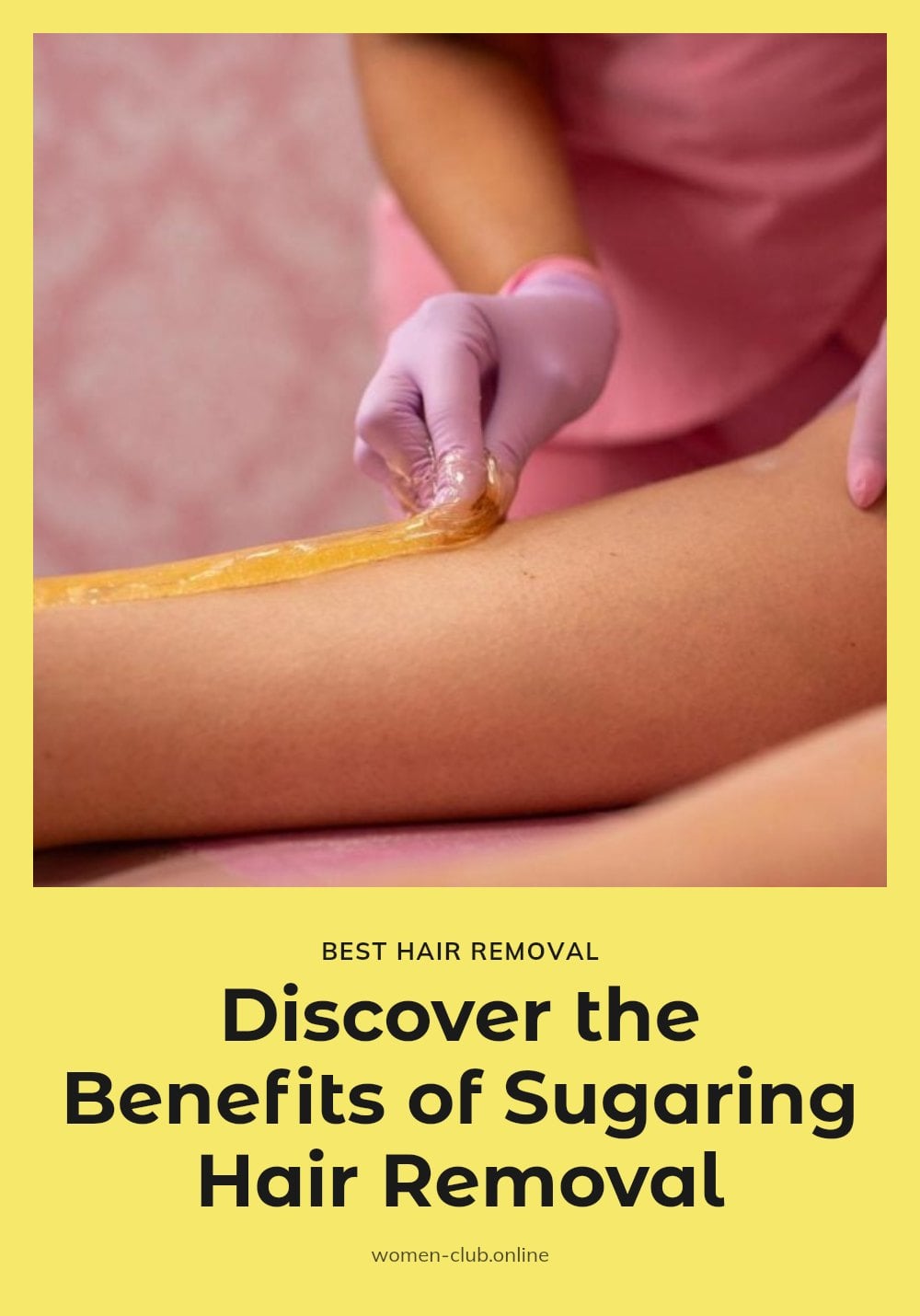
You’ve probably wondered whether sugaring or waxing is the right choice for your skin and hair removal needs. Both methods pull hair from the root for smooth results, but they work in very different ways. Sugaring uses a natural paste, while waxing relies on resin-based products, and the application and removal techniques are opposite. This article breaks down the key differences, helps you weigh the pros and cons, and offers practical tips for choosing and caring for your skin.
Key Takeaways
- Sugaring paste is natural (sugar, lemon, water) and water-soluble, while wax is resin-based and oil-soluble.
- Sugaring is applied against hair growth and removed with it; waxing is the opposite.
- Sugaring adheres only to hair and dead skin, reducing irritation; waxing can pull live skin.
- For best results, hair should be at least 1/8 inch for sugaring and 1/4 inch for waxing.
- Both methods yield smooth skin for 2-4 weeks, with finer regrowth over time.
Sugaring vs. Waxing: The Key Differences
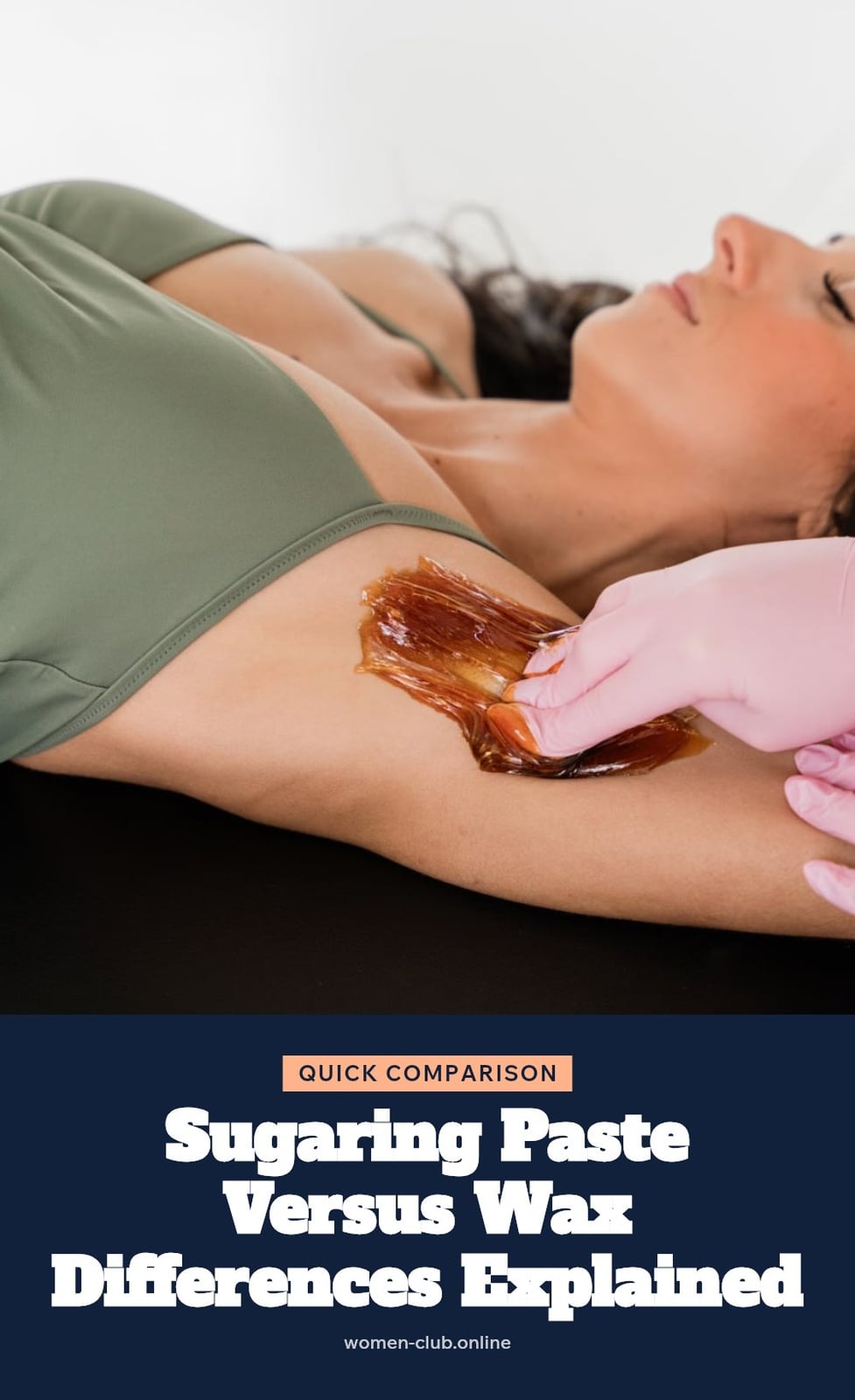
Sugaring uses an all-natural, water-soluble paste made from sugar, lemon, and water. You apply it against hair growth and remove it in the direction of hair growth. The paste adheres only to hair and dead skin, not live skin. Waxing uses resin-based products applied with hair growth and removed against it. Wax adheres to both hair and live skin, which can cause more irritation. The choice depends on your skin type, pain tolerance, and ingredient preferences.
At a Glance: Sugaring vs. Waxing
Here’s a quick side-by-side look at how sugaring and waxing differ, so you can see at a glance which might suit you better.
| Aspect | Sugaring | Waxing |
|---|---|---|
| Ingredients | Natural (sugar, lemon, water) | Resin-based, may have additives |
| Application | Against hair growth | With hair growth |
| Removal | In direction of hair growth | Against hair growth |
| Adherence | Only to hair and dead skin | To hair and live skin |
| Cleanup | Water-soluble | Oil-based removers needed |
| Pain level | Often less painful for some | May be more painful for some |
Deep Dive into Sugaring: How It Works
Deep Dive into Sugaring: How It Works
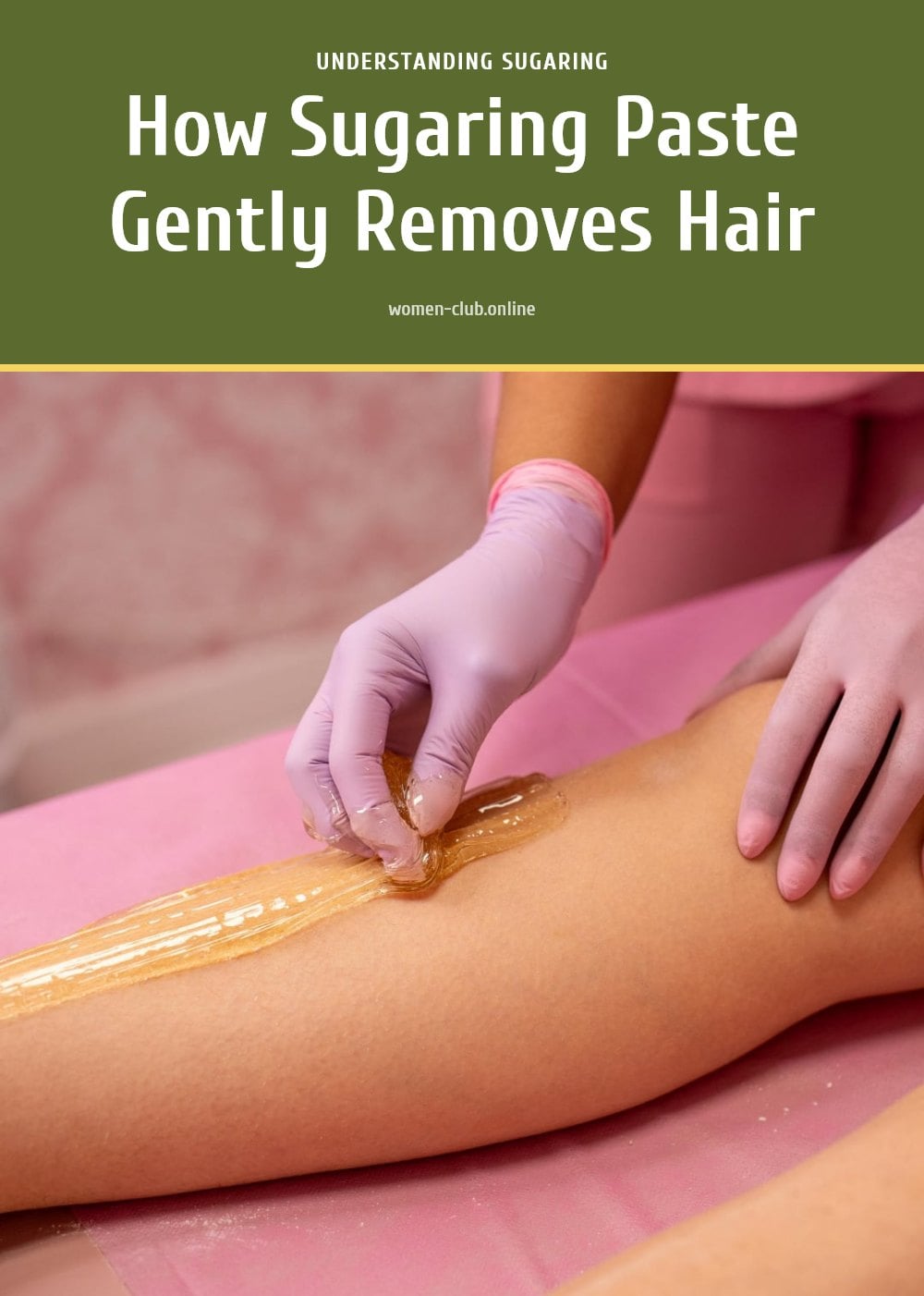
Sugaring paste is typically made from sugar, lemon juice, and water, making it an all-natural product. You apply the paste against the direction of hair growth, pressing it onto the skin. Then you remove it in the direction of hair growth, which allows the paste to grip the hair shaft without pulling on live skin.
Because sugaring adheres only to hair and dead skin cells, it causes less irritation and fewer broken hairs. The water-soluble paste also makes cleanup simple with just water. This method is often suitable for sensitive skin and works on shorter hair, as short as 1/8 inch.
Deep Dive into Waxing: How It Works
Deep Dive into Waxing: How It Works
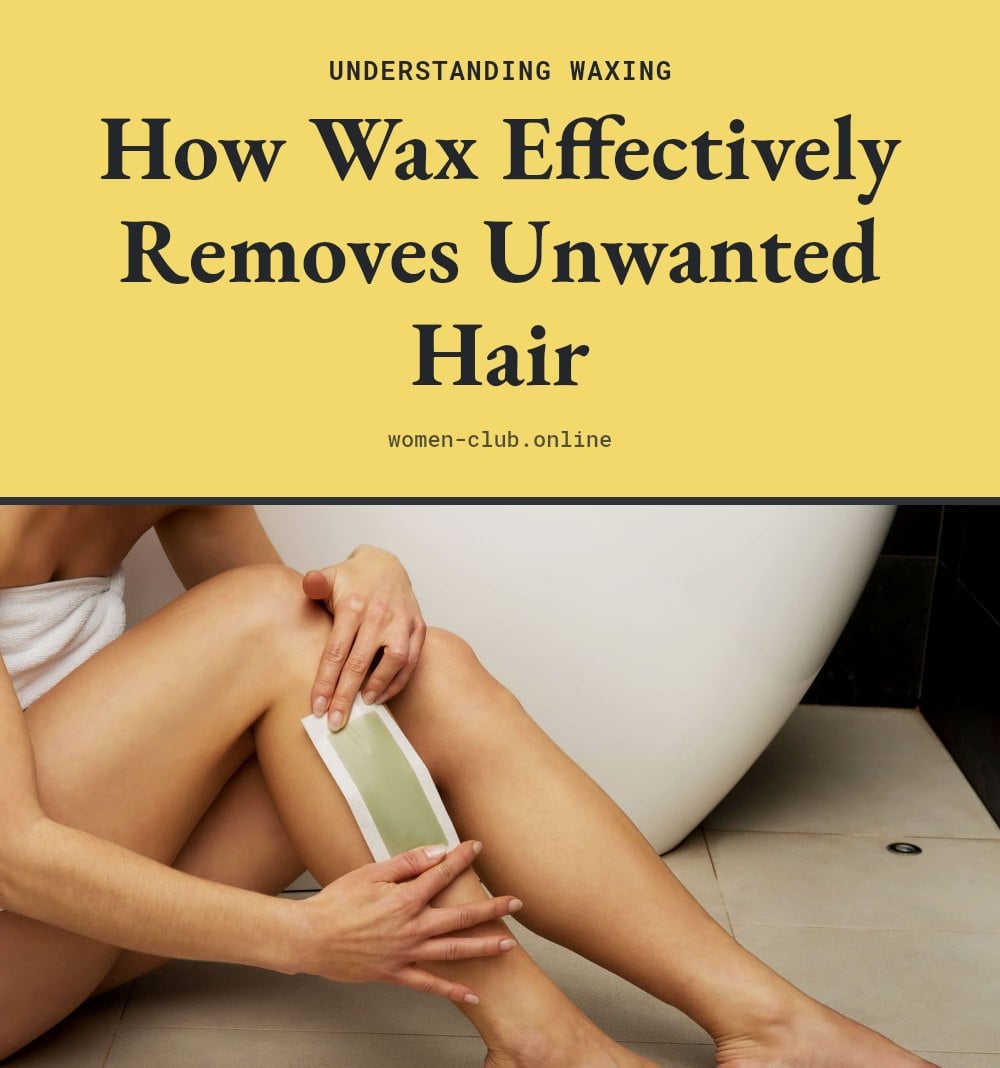
Waxing products are typically resin-based and may contain additives, synthetic fragrances, or dyes. You apply wax in the direction of hair growth and then remove it against the direction of hair growth. This removal direction pulls hair from the root but also tugs on live skin.
Wax adheres to both hair and live skin cells, which can cause more irritation or ‘lifting’ of the skin. The resin base requires oil-based removers for cleanup. Waxing generally requires hair to be at least 1/4 inch long for optimal results. While effective, it may be less suitable for very sensitive skin due to the stronger pull and potential for irritation from ingredients.
Choosing Your Method: What to Consider
When choosing between sugaring and waxing, start with your skin type. Sugaring is generally better for very sensitive skin because its natural paste adheres only to hair and dead skin, not live skin. If you prefer all-natural ingredients, sugaring’s simple sugar, lemon, and water formula is the clear choice over wax’s resin-based products with potential additives.
Hair length matters too. Sugaring works on hair as short as 1/8 inch, while waxing needs at least 1/4 inch. Pain tolerance is another factor: sugaring’s removal in the direction of hair growth can be less painful for some people. Tip: Cleanup is also easier with sugaring, just rinse with water. Wax requires oil-based removers.
Common Mistakes to Avoid for Smooth Results
Achieving smooth results depends on avoiding a few common mistakes.
- Hair Too Short: Ensure hair is at least 1/8 inch for sugaring, 1/4 inch for waxing. Shorter hair won’t grip properly.
- Over-Exfoliating: Avoid aggressive exfoliation immediately before or after treatment. It can irritate skin and cause breakage.
- Ignoring Aftercare: Follow post-treatment instructions to prevent irritation and ingrown hairs. Skipping this step invites problems.
- Shaving Between Sessions: Don’t shave, as it disrupts the hair growth cycle and negates the benefits of root removal.
- DIY Errors: Be cautious with at-home attempts. Incorrect application can lead to breakage or bruising. Practice on a small area first.
Essential Aftercare for Both Sugaring and Waxing
Proper aftercare keeps skin smooth and irritation-free after both sugaring and waxing.
- Exfoliate Gently: Do this a day or two before treatment, but not immediately before or after. This prevents ingrown hairs without irritating skin.
- Moisturize Regularly: Keep skin hydrated and supple post-treatment. Use a gentle, fragrance-free lotion.
- Wear Loose Clothing: After your appointment, choose loose fabrics to prevent friction and irritation on treated areas.
- Avoid Sun and Harsh Products: Stay away from direct sun, tanning beds, harsh soaps, and fragranced products for 24-48 hours.
- Don’t Pick at Ingrown Hairs: Use a gentle exfoliant and a warm compress instead. Picking can cause infection and scarring.
Results and Investment: What to Expect
Results for both sugaring and waxing typically last 2-4 weeks. With consistent treatments, you may notice finer, sparser hair regrowth over time. Cost varies widely based on location, salon, and the area treated. Sugaring may sometimes be slightly more expensive per session due to specialized techniques and ingredients, but many find the benefits worth the investment.
When to Consult a Professional or Doctor
Before your appointment, tell your technician about any prescription retinoids, AHAs, or blood-thinning medications you use. These can make your skin fragile and prone to injury. Never sugar or wax over open wounds, rashes, sunburned, or irritated skin. After treatment, watch for excessive redness, swelling, blistering, or pus. If any of these appear, see a doctor. For salon visits, check that your technician wears fresh gloves and uses clean tools for each client. If you try DIY sugaring at home, do a patch test on a small area first to rule out an allergic reaction to the paste.
Frequently Asked Questions
Can sugaring be done at home?
Yes, sugaring can be done at home using a simple paste of sugar, lemon, and water. However, it takes practice to apply and remove correctly. If you’re new to sugaring, consider a professional first or watch tutorials to avoid mistakes like incorrect application direction, which can cause breakage or bruising. Always patch test before trying it on larger areas.
Is sugaring less painful than waxing?
Many people find sugaring less painful than waxing, though it varies by individual. Sugaring paste adheres only to hair and dead skin, not live skin, and it’s removed in the direction of hair growth, which can reduce the sting. Waxing pulls against hair growth and can lift live skin, making it more uncomfortable for some. Pain tolerance and hair thickness also play a role.
How long do sugaring and waxing results last?
Both sugaring and waxing typically provide smooth skin for 2 to 4 weeks. The exact duration depends on your hair growth cycle and the area treated. With consistent treatments over time, hair may grow back finer and sparser, which can extend the time between sessions. Avoid shaving between appointments to keep the growth cycle regular.
Which method is better for sensitive skin?
Sugaring is often considered better for sensitive skin. Its natural ingredients (sugar, lemon, water) are less likely to irritate, and because the paste adheres only to hair and dead skin, it doesn’t pull on live skin the way wax can. Waxing products may contain additives and fragrances that can trigger reactions. If you have very sensitive skin, sugaring is a gentler option to try.
Can I switch between sugaring and waxing?
Yes, you can switch between sugaring and waxing, but it’s best to wait until any irritation from the previous treatment has fully subsided. Also, ensure your hair is the appropriate length for the method you’re switching to: at least 1/8 inch for sugaring and 1/4 inch for waxing. Consistency might be easier for your skin, but occasional switching is generally safe if you follow aftercare.
Final Thoughts
When deciding between sugaring and waxing, let your skin type and ingredient preferences guide you. If you have sensitive skin or prefer natural products, sugaring is often the gentler choice. If you’re used to waxing and don’t have sensitivity issues, waxing can be effective. Whichever you pick, stick with it for a few sessions to see how your skin responds. Expect results to last 2-4 weeks, and with regular treatments, you may notice finer, sparser hair over time. Consistency and proper aftercare make all the difference.
This article provides general information and is not a substitute for professional medical or dermatological advice. Everyone’s skin is different, and reactions to hair removal can vary. If you have persistent irritation, pain, or signs of infection, or if you’re using medications that affect skin sensitivity, consult a doctor or licensed professional before proceeding with sugaring or waxing.








