Sunday Scaries: Calming Evening Rituals for a Better Monday

Do you ever feel a knot in your stomach as Sunday afternoon turns into evening? That wave of dread about Monday morning is so common it has a name: the Sunday Scaries. These feelings of anxiety, restlessness, or sadness can disrupt your sleep and ruin your last day of the weekend. This article covers what causes the Sunday Scaries and shares simple evening rituals you can try to calm your mind and start Monday feeling more prepared.

Key Takeaways
- Establish a consistent Sunday evening ritual to create a sense of control and predictability.
- Practice mindfulness or a short guided meditation to focus on the present moment.
- Prioritize 7-9 hours of sleep on Sunday night for a refreshed start to Monday.
- Plan one enjoyable activity for Monday to shift your focus from dread to anticipation.
- Limit screen time at least 30 minutes before bed to improve sleep quality.
What Are the Sunday Scaries?
The ‘Sunday Scaries’ describe that wave of anxiety or dread that creeps in on Sunday evening. It is commonly triggered by the anticipation of the upcoming work or school week. Symptoms can include restlessness, irritability, and difficulty sleeping. Addressing them involves managing stress and shifting your perspective toward the week ahead.
Why Do We Get the Sunday Scaries?
Why Do We Get the Sunday Scaries?
Work-related stress is a primary trigger for many people. An overwhelming to-do list for the week ahead can also contribute, making Sunday feel like a countdown to pressure. A lack of work-life balance plays a significant role, blurring the line between personal time and responsibilities. Not getting enough rest over the weekend can exacerbate these feelings, leaving you physically and emotionally drained.
- Work stress: Anticipating difficult tasks or interactions can spark anxiety.
- Overwhelming to-do list: A mental list of everything due Monday morning can feel heavy.
- Poor work-life balance: When work bleeds into weekends, there is no true break.
- Insufficient rest: A jam-packed weekend without downtime leaves you depleted.
Effective Strategies to Calm Sunday Evening Anxiety
Effective Strategies to Calm Sunday Evening Anxiety
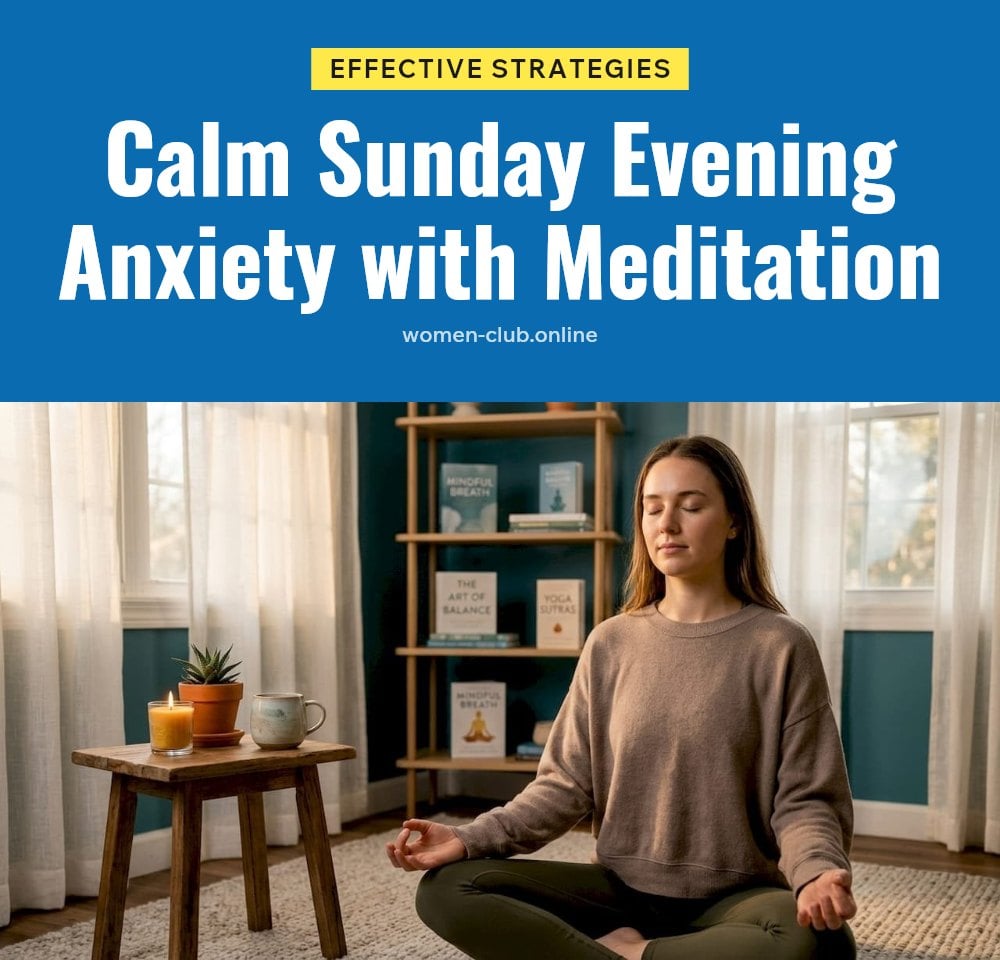
Mindfulness and meditation help you focus on the present moment rather than worrying about Monday. My tip: Try a five-minute guided meditation using a free app. Sit somewhere quiet and pay attention to your breath. This small practice can interrupt the spiral of anxious thoughts.
Establishing a consistent Sunday evening routine creates predictability and a sense of control. Tip: Set a regular time each Sunday for a calming activity, like reading or taking a warm bath. Your brain will start to associate that time with relaxation, not dread.
Light physical activity earlier in the day acts as a natural stress reliever. A brisk 20-minute walk, gentle yoga, or stretching can lower cortisol levels and improve your mood. Caution: Avoid intense workouts close to bedtime, as they may interfere with sleep.
Planning enjoyable activities for Monday can shift your focus from dread to anticipation. Tip: Schedule something you look forward to, such as a coffee date with a friend, a favorite podcast during your commute, or a good lunch. This small anchor can make Monday feel more like an opportunity than a burden.
Common Sunday Scaries Mistakes to Avoid
Common Sunday Scaries Mistakes to Avoid
- Ignoring the feelings: Hoping the anxiety will disappear on its own usually backfires. Acknowledging the emotion is the first step to managing it.
- Over-committing to social plans: Packing Sunday with back-to-back events leaves you exhausted and without time to recharge.
- Dwelling on work emails or tasks: Checking work late Sunday evening keeps your mind in work mode and prevents relaxation.
- Not having a clear plan: Going into the week without a basic outline of priorities adds unnecessary stress on Monday morning.
- Skipping self-care: Neglecting activities that help you decompress on Sunday can leave you feeling ungrounded and anxious.
Best Tips for a Serene Sunday Night

Prioritize sleep: Aim for 7-9 hours of quality rest on Sunday night. A refreshed start makes Monday feel more manageable.
Limit screen time: Put away your phone and laptop at least 30 minutes before bed. Blue light can disrupt melatonin production and worsen sleep quality.
Journal your worries: Spend 5-10 minutes writing down what is on your mind. Getting anxious thoughts onto paper can help you process them and let them go.
Prepare for Monday: Spend 15 minutes on Sunday afternoon meal prepping or laying out your outfit. Reducing Monday morning decisions lowers stress.
Connect with loved ones: Call a friend or have a quiet dinner with family. Emotional support and distraction can ease the transition into the week.
Preventing the Sunday Scaries from Returning
To stop the Sunday Scaries from becoming a weekly pattern, build habits that carry over week after week.
- Establish a consistent Sunday ritual: Do the same relaxing activities each Sunday evening, like drinking herbal tea or taking a warm bath. Predictability signals your brain that it is time to unwind.
- Move earlier in the day: Schedule light physical activity, such as a walk or gentle yoga, consistently on Sunday afternoons. Regular exercise reduces overall stress levels.
- Dedicate Sunday afternoon to light prep: Spend 20-30 minutes reviewing your calendar and organizing tasks for the week. This prevents last-minute Sunday night scrambling.
- Practice mindfulness regularly: Meditate or do deep-breathing exercises a few times a week, not only on Sundays. Consistent practice builds resilience against anticipatory anxiety.
When to Seek Professional Help for Anxiety
If feelings of anxiety or dread are severe, last for weeks, or interfere with your ability to function, consult a healthcare professional or mental health expert. Persistent sleep disruption or a significant impact on your well-being are signs to seek help.
Caution: Avoid self-medicating with alcohol or other substances. They can worsen anxiety in the long run and delay proper treatment.
Frequently Asked Questions
How long does it take to get rid of Sunday Scaries?
For many people, implementing consistent evening rituals can show results in reducing anxiety within a few weeks. The key is to stick with a routine that includes relaxing activities like journaling, light stretching, or drinking herbal tea. If you don’t feel a change after several weeks, consider talking to a mental health professional for personalized guidance.
Can the Sunday Scaries be a sign of something more serious?
Occasional Sunday evening anxiety is very common and not usually a sign of a serious problem. However, if the feelings are severe, last for weeks, or interfere with your ability to function or sleep, it could indicate a larger issue. In that case, it’s important to consult a healthcare professional or mental health expert.
What should I avoid doing on Sunday evenings?
Avoid checking work emails or tackling work tasks late on Sunday, as this can increase stress. Also, try not to over-commit to social plans that leave you exhausted or skip your evening wind-down routine. Limiting caffeine and alcohol in the evening can also help you sleep better and feel calmer.
Is it normal to feel anxious about the work week?
Yes, feeling anxious about the upcoming work week is very normal and affects a large portion of adults. It often stems from work-related stress, an overwhelming to-do list, or a lack of work-life balance. Acknowledging the feeling without judgment is the first step to managing it effectively.
What are some quick ways to feel better on Sunday night?
For a quick boost, try a five-minute guided meditation using a free app, or write down your worries in a journal. Light physical activity earlier in the day, like a walk, can also relieve stress. Finally, planning one enjoyable activity for Monday can help shift your focus from dread to something positive.
Final Thoughts
My recommendation is to pick just one or two of these strategies to try this Sunday. For example, set a timer for five minutes of journaling about your worries, then close the notebook and put it away. Expect that it may take a few weeks of consistent practice before you notice a real shift in your Sunday evening mood. The goal isn’t to eliminate every anxious thought, but to build a calming ritual that helps you feel more in control and ready for the week ahead.
This article provides general information for educational purposes and is not a substitute for professional medical or mental health advice. If you experience severe, persistent, or worsening anxiety that interferes with your daily life, please consult a qualified healthcare provider or mental health professional for personalized support.








