
You’ve probably tried a few things to brighten your smile, but figuring out what actually works without damaging your teeth can feel overwhelming. The truth is, not all whitening methods are created equal, and some can do more harm than good. This article breaks down the safest at-home options, common mistakes to avoid, and how to get results without wrecking your enamel.
Key Takeaways
- Products with hydrogen peroxide or carbamide peroxide are the most effective for both surface and deep stains.
- Always consult your dentist before starting any whitening routine, especially if you have cavities or gum disease.
- Whitening toothpastes and baking soda only remove surface stains, they won’t change your tooth’s natural color.
- Avoid acidic home remedies like lemon juice and apple cider vinegar, as they can erode enamel.
- Results from at-home whitening usually appear within a few days to two weeks with consistent use.
The Safest and Most Effective Ways to Whiten Your Teeth at Home
The safest and most effective at-home whitening options are products with hydrogen peroxide or carbamide peroxide. These ingredients break down stain molecules deep in your enamel, so they work on both surface stains and intrinsic discoloration. My tip: always consult your dentist before starting any whitening regimen. They can check for hidden cavities or gum issues that whitening could aggravate. Follow the product instructions exactly, leaving gel on too long can cause sensitivity or gum irritation. Whitening toothpastes and baking soda only remove surface stains; they won’t lighten the natural color of your teeth.
Why Your Teeth Change Color
Extrinsic Stains
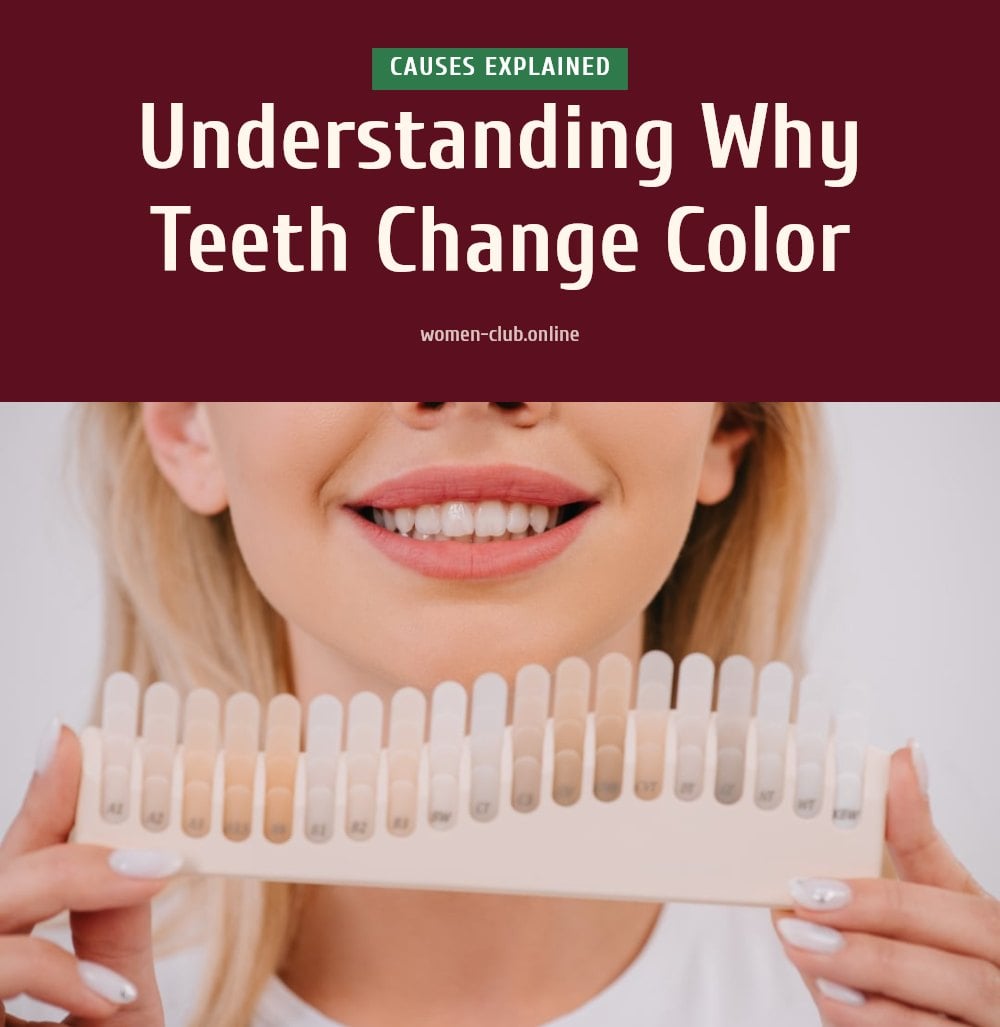
These stains sit on the outer layer of your enamel. Common causes include coffee, tea, red wine, dark sodas, and tobacco. Regular brushing and professional cleanings can help, but these stains often need peroxide-based products to lift them completely.
Intrinsic Discoloration
This type of staining happens inside the tooth structure. It can result from genetics, aging, certain medications (like tetracycline), excessive fluoride exposure, or a past injury. Intrinsic stains are harder to treat and usually require peroxide-based bleaching to lighten the tooth from within.
Peroxide works by breaking down the stain molecules into smaller, less visible particles. That’s why products with hydrogen peroxide or carbamide peroxide are the most reliable option for true whitening.
Effective At-Home Teeth Whitening Methods
Whitening Strips
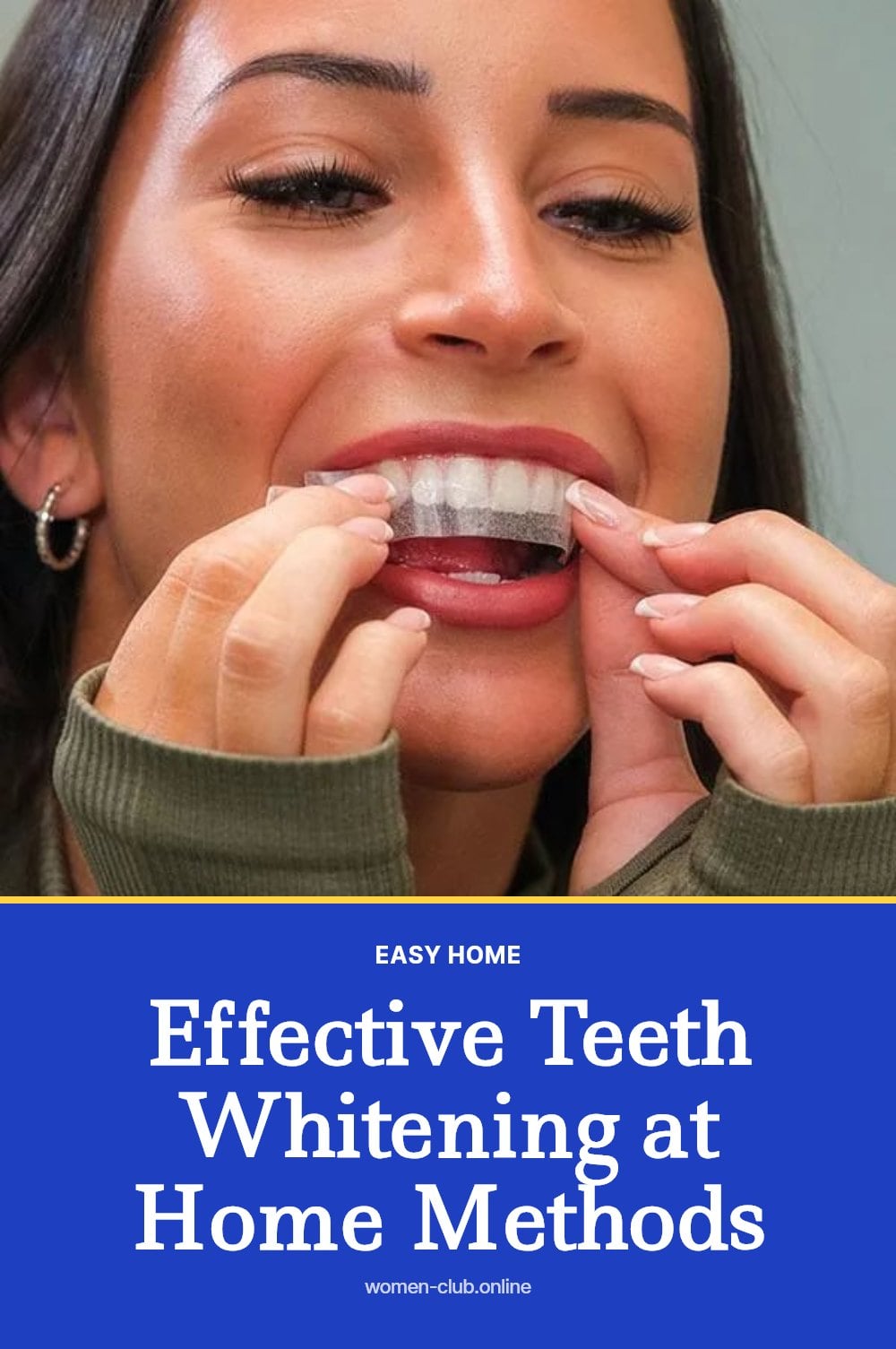
These thin, flexible strips are coated with a peroxide gel. You apply them directly to your teeth for a set time, usually 10 to 30 minutes per session. Most over-the-counter strips contain 6 to 10 percent hydrogen peroxide. My tip: press the strip firmly against your teeth and avoid touching your gums. If the strip slides, you may get uneven results or gum irritation.
Whitening Gels with Brush Applicators
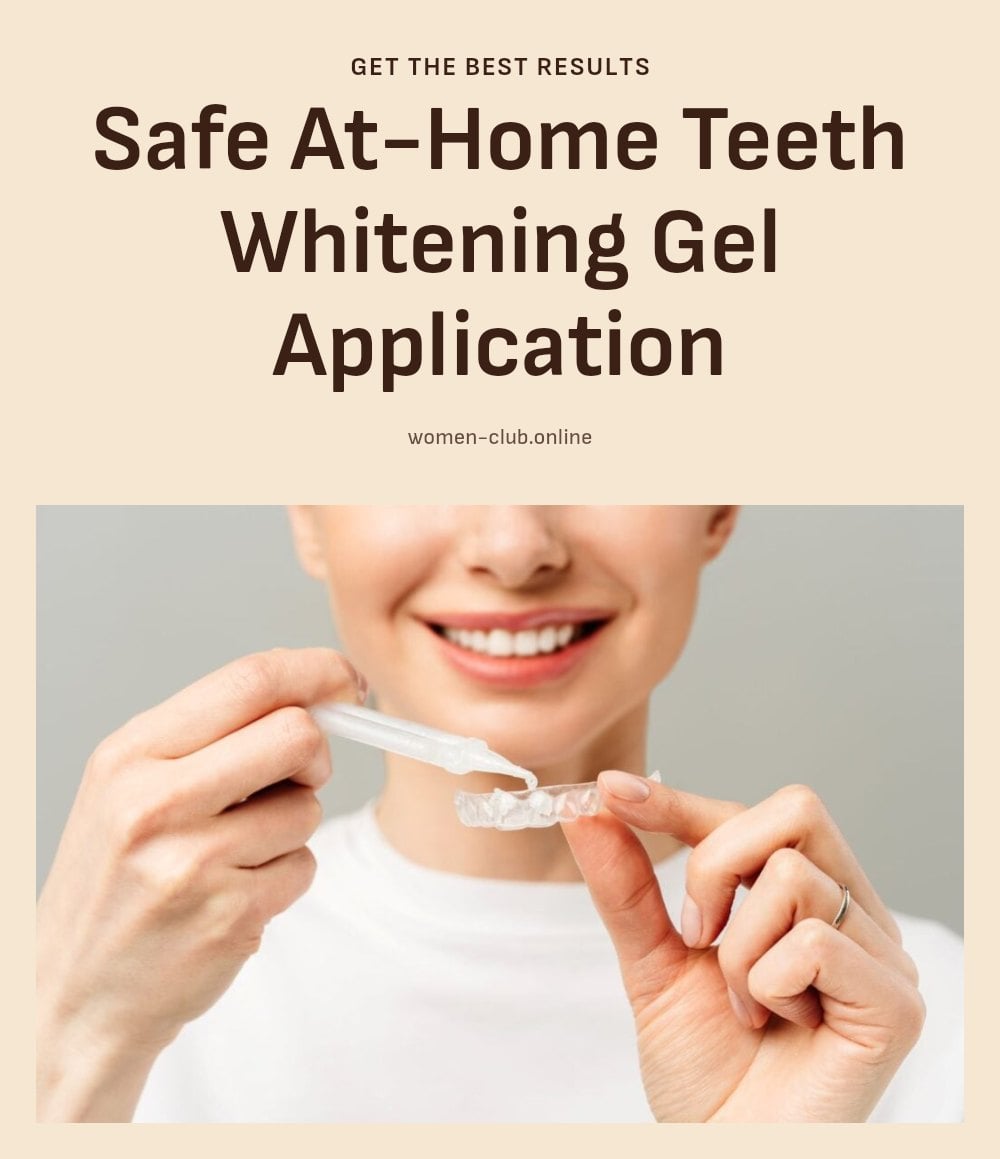
These come in small tubes with a brush tip. You paint the gel directly onto your teeth. The gel typically contains hydrogen peroxide or carbamide peroxide at concentrations similar to strips. Tip: use a thin, even layer and keep your mouth open for 30 seconds to let the gel dry slightly before closing your lips. This helps the gel stay on your teeth and off your gums.
Tray-Based Kits
Tray-based kits use a mouthguard filled with peroxide gel. Custom trays from your dentist fit perfectly and keep the gel on your teeth. Boil-and-bite trays are a cheaper option you mold at home, but they may not fit as well. Good to know: if you use a boil-and-bite tray, make sure the fit is snug but not painful. A loose tray lets gel leak onto your gums and can cause irritation.
Whitening Toothpastes
These toothpastes use mild abrasives or chemical agents to scrub away surface stains. They do not change the natural color of your teeth. Pro move: use a whitening toothpaste for maintenance after a peroxide-based treatment, but don’t expect it to lighten your teeth on its own.
Common Teeth Whitening Mistakes to Avoid
Whitening mistakes can undo your progress or damage your teeth. Avoid these common pitfalls:
- Overusing products: Applying whitening gel more often or longer than directed won’t speed up results. It will increase sensitivity and gum irritation.
- Ignoring existing dental issues: Whitening on top of cavities, gum disease, or exposed roots can cause pain and worsen the problem. Always get a dental checkup first.
- Believing natural remedies are always safe: Lemon juice, apple cider vinegar, and undiluted hydrogen peroxide can erode your enamel. Natural does not equal safe for your teeth.
- Expecting permanent results: At-home whitening fades over time. You will need touch-ups to maintain the shade.
- Using abrasive materials too aggressively: Baking soda and activated charcoal can wear down enamel if scrubbed hard or used daily. Stick to gentle, consistent use.
Smart Tips for a Brighter, Healthier Smile
Start by talking to your dentist. They can check for cavities or gum issues that could complicate whitening and confirm which product is safe for you. Once you get the green light, follow the product instructions precisely. Overusing gel or leaving it on longer won’t speed results and can cause sensitivity.
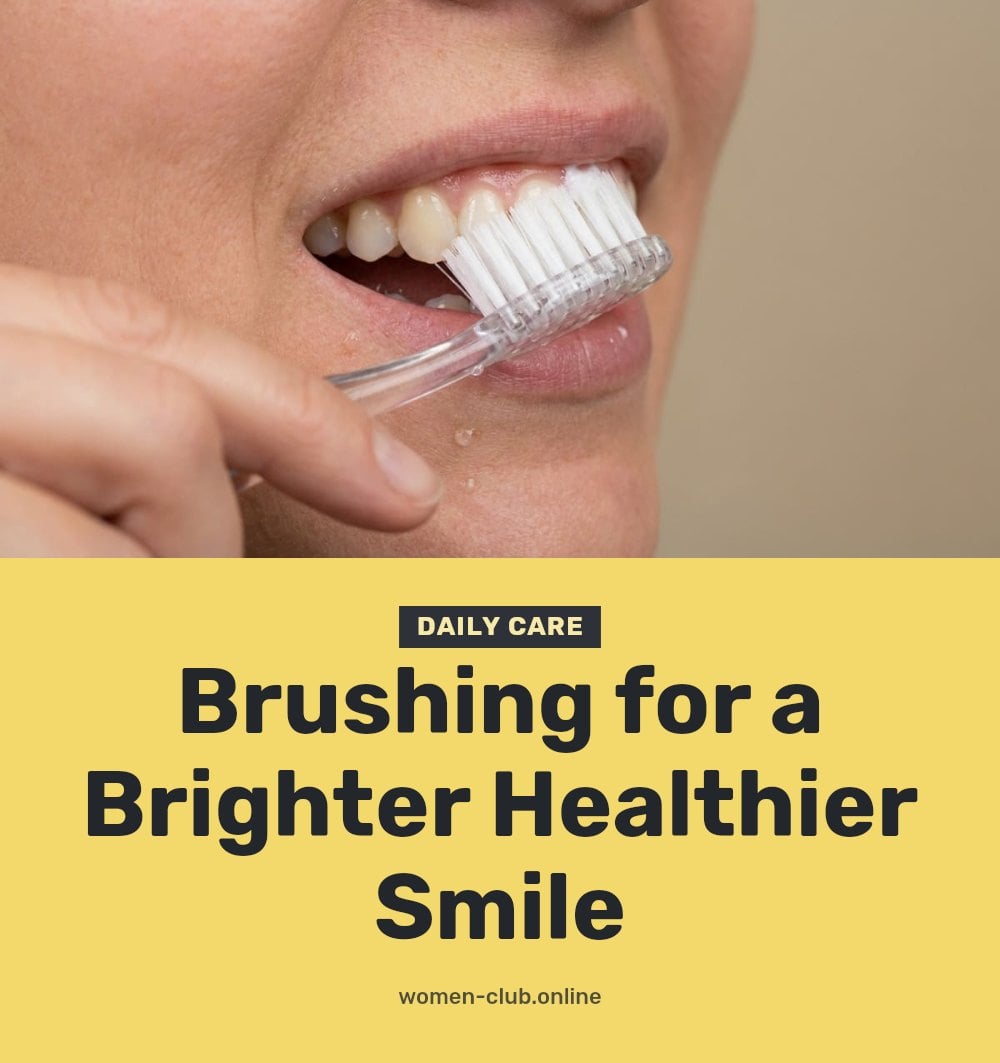
Look for the ADA Seal of Acceptance on whitening products. This seal means the product has been tested for safety and effectiveness. Maintain good oral hygiene with regular brushing and flossing to prevent new stains. Limit coffee, tea, red wine, and dark sodas, or rinse with water after drinking them. Use a soft-bristled toothbrush to protect enamel and gums.
Why Some Home Remedies Are Not Recommended
Not every natural remedy is safe for your teeth. Lemon juice and apple cider vinegar are highly acidic and can erode your enamel over time, making teeth more sensitive and prone to damage. Undiluted hydrogen peroxide (like the kind in brown bottles from the pharmacy) is too strong for direct use on teeth and can burn your gums or irritate soft tissues.
Activated charcoal and baking soda are mild abrasives that can remove surface stains, but they don’t bleach teeth. Using them too often or aggressively can wear down enamel. Oil pulling (swishing coconut or sesame oil) has limited scientific evidence for whitening. Stick to peroxide-based products recommended by your dentist for real results.
How Long Until You See Results and What to Expect
At-home whitening results typically appear within a few days to two weeks of consistent use. How fast you see changes depends on the product’s peroxide concentration, your starting shade, and how often you apply it. Once you reach your desired shade, you’ll need occasional touch-ups to maintain it.
Costs vary widely: over-the-counter strips and gels are generally affordable, while custom tray kits from your dentist cost more but offer better fit and results. Professional in-office treatments are the most expensive but deliver the fastest change. Remember, results vary by individual and product.
When to See Your Dentist About Teeth Whitening
See your dentist before starting any whitening treatment to make sure your teeth and gums are healthy. Avoid whitening if you have untreated cavities, gum disease, or exposed roots, as peroxide can aggravate these issues. If you experience severe or prolonged tooth sensitivity or gum pain during whitening, stop and schedule an appointment.
Whitening won’t change the color of crowns, veneers, or fillings, so consult your dentist if you have restorations to avoid uneven results. If you are pregnant or breastfeeding, ask your doctor or dentist before using any whitening product.
Frequently Asked Questions
How long do at-home teeth whitening results last?
Results typically last anywhere from a few months to a year, depending on your habits. If you regularly consume stain-causing foods and drinks like coffee, tea, or red wine, the color may fade faster. Occasional touch-ups every few months can help maintain your results.
Can teeth whitening damage my enamel?
When used correctly, peroxide-based whitening products are considered safe for enamel. However, overusing them or using highly abrasive methods like activated charcoal or baking soda too aggressively can wear down enamel over time. Always follow product instructions and consult your dentist if you have concerns.
Why do my teeth feel sensitive after whitening?
Tooth sensitivity is a common side effect of peroxide-based whitening because the ingredients temporarily open pores in your enamel, exposing the underlying dentin. This usually subsides within a few days after you stop using the product. If sensitivity is severe or lasts longer, see your dentist.
Can I whiten my teeth if I have veneers or crowns?
Whitening treatments do not change the color of dental restorations like veneers, crowns, or fillings. If you whiten your natural teeth, those restorations will remain their original shade, which can create an uneven look. Talk to your dentist before whitening if you have any dental work.
Is professional teeth whitening better than at-home kits?
Professional whitening uses higher concentrations of peroxide under a dentist’s supervision, which can produce faster and more dramatic results. At-home kits are generally safer for regular use and more affordable, but they work more slowly. The best choice depends on your budget, sensitivity, and how quickly you want results.
What’s the difference between extrinsic and intrinsic stains?
Extrinsic stains sit on the outer surface of your enamel and are caused by things like coffee, tea, and tobacco. They can often be removed with whitening toothpaste or peroxide-based products. Intrinsic discoloration happens inside the tooth structure due to aging, genetics, certain medications, or trauma, and it usually requires stronger whitening treatments to address.
Final Thoughts
For most people, the smartest move is to start with a peroxide-based product that has the ADA Seal of Acceptance and follow the directions to the letter. Expect to see noticeable changes within a couple of weeks, but remember that results aren’t permanent, you’ll need occasional touch-ups to maintain your shade. A brighter smile is achievable, but protecting your enamel along the way is just as important.
This article is for general informational purposes only and does not constitute medical or dental advice. Teeth whitening may not be suitable for everyone, especially those with existing dental conditions or sensitivities. Always consult a qualified dentist or healthcare professional before starting any whitening regimen, especially if you have persistent or serious oral health concerns.








