Tired All the Time: Self-Care Habits to Restore Your Energy

If you’re constantly feeling drained, even after a full night’s sleep, you’re not alone. Persistent tiredness often comes down to a mix of daily habits that pull your body away from its natural energy rhythms. This article covers the simple, consistent self-care shifts that can help restore your vitality, from sleep and hydration to stress management and movement.
These aren’t quick fixes but mindful practices that support your body’s natural energy regulation over time.
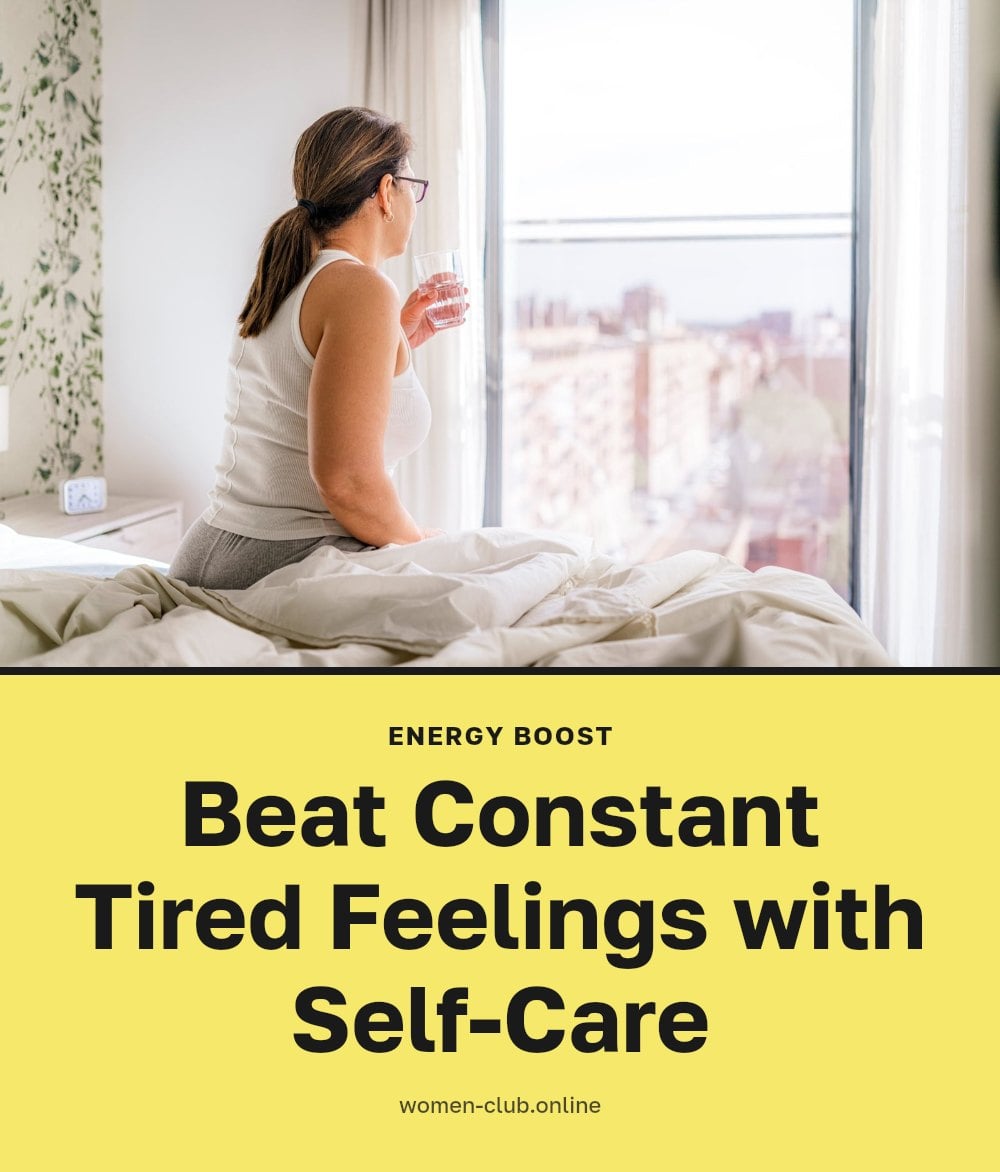
Key Takeaways
- Prioritize 7-9 hours of consistent sleep each night, even on weekends, to regulate your circadian rhythm.
- Stay hydrated throughout the day, as even mild dehydration can cause fatigue and sluggishness.
- Eat balanced meals with whole foods and consistent meal times to stabilize blood sugar and energy.
- Incorporate at least 30 minutes of moderate exercise most days to boost circulation and reduce fatigue.
- Practice daily stress-reduction techniques like deep breathing or meditation to counter energy-draining chronic stress.
Why You Feel Tired and How to Fight It
Persistent tiredness often comes down to a mix of lifestyle factors: poor sleep, inadequate nutrition, dehydration, lack of movement, and chronic stress. These pull your body away from its natural energy rhythms. Instead of chasing quick fixes, focus on consistent, mindful self-care that supports those rhythms. Small, daily adjustments to your habits can build real vitality over time.
1. Prioritize Consistent Sleep

Aim for 7-9 hours of sleep per night, even on weekends. This consistency regulates your circadian rhythm, making it easier to fall asleep and wake up naturally. My tip: Go to bed and wake up at the same time every day to train your body for better rest. Avoid screens for at least an hour before bed, since blue light can interfere with melatonin production and delay sleep onset.
2. Hydrate Throughout the Day

Even mild dehydration can cause fatigue and sluggishness. Your body needs fluids to transport nutrients and maintain energy. Carry a water bottle and sip regularly throughout the day so you never get to the point of feeling thirsty. My tip: Start your morning with a glass of water to kickstart your metabolism and energy levels.
3. Fuel Your Body Wisely

A balanced diet rich in whole foods, fruits, vegetables, and whole grains, provides steady energy. Processed foods and excess sugar can spike your blood sugar and then cause a crash, leaving you more tired. Tip: Keep meal times consistent to help stabilize blood sugar and maintain energy throughout the day.
4. Move Your Body Regularly
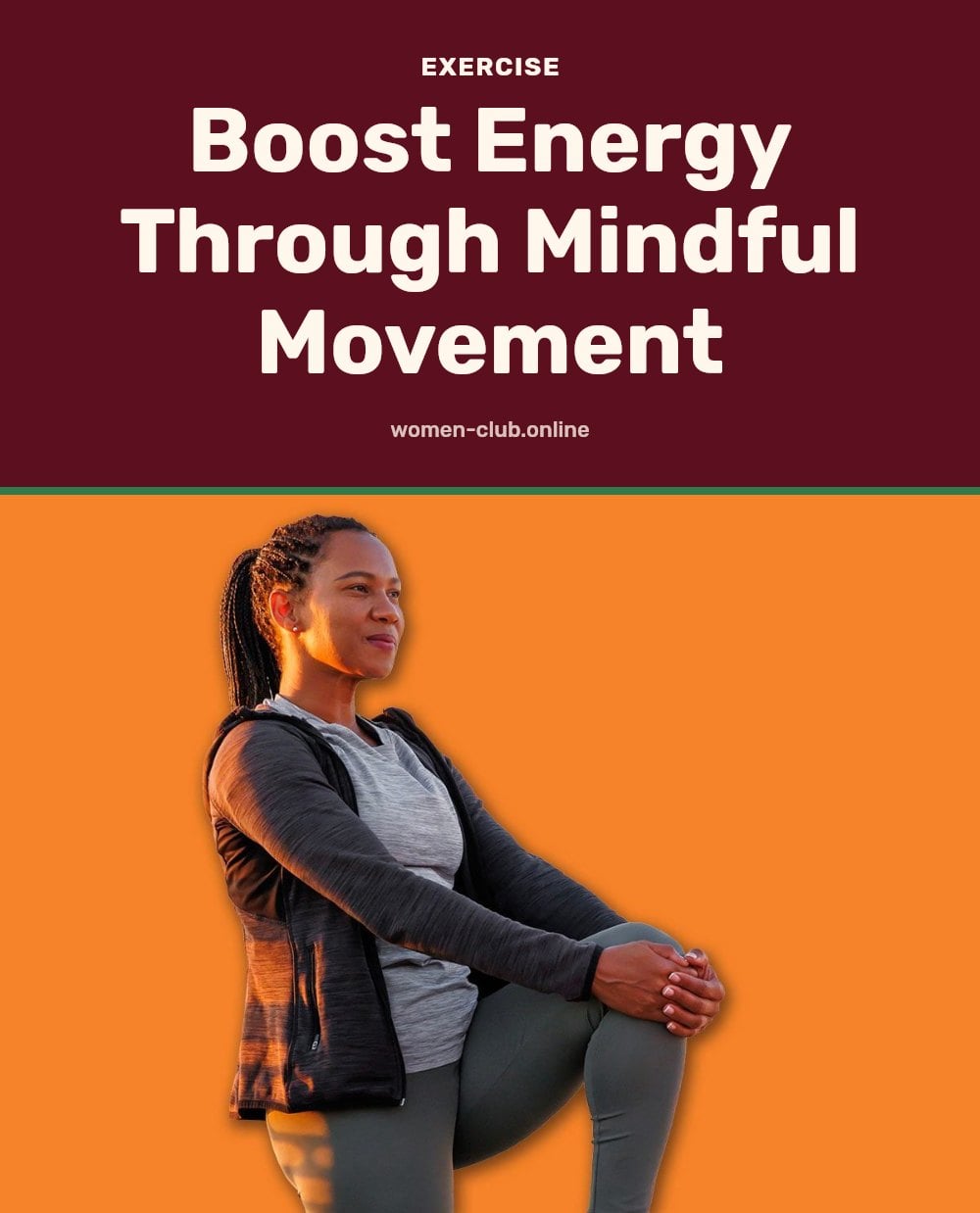
Regular physical activity, even a brisk 30-minute walk, can significantly improve your energy levels and reduce fatigue. Exercise boosts circulation and releases endorphins, which help you feel more alert. Aim for at least 30 minutes of moderate exercise most days of the week.
Good to know: Don’t engage in intense exercise too close to bedtime, as it can raise your heart rate and body temperature, making it harder to fall asleep. Schedule workouts for the morning or early afternoon if possible.
5. Manage Your Stress

Chronic stress keeps your body in a constant ‘fight or flight’ state, which drains your energy reserves over time. To counter this, incorporate stress-reduction techniques into your daily routine. Deep breathing, meditation, or journaling for just a few minutes can help reset your nervous system.
Pro move: Taking short breaks during prolonged mental tasks can prevent burnout and maintain focus. Even a five-minute pause to step away from your screen and stretch can refresh your mind.
6. Seek Natural Light Daily
Exposure to natural light, especially in the morning, helps regulate your body’s circadian rhythm, which controls your sleep-wake cycles. This natural cue signals to your brain that it’s time to be alert and active. Spend time outdoors daily, even if it’s just a short walk or sitting by a window.
Quick tip: Try to get sunlight shortly after waking up to signal to your body that it’s time to be alert. Open your curtains or step outside for a few minutes to start your day.
7. Limit Caffeine and Alcohol
While caffeine offers a temporary boost, relying heavily on it can disrupt your natural energy cycles and interfere with sleep quality. Limit your caffeine intake, especially in the afternoon and evening, to avoid lingering effects at bedtime. Alcohol, particularly close to bedtime, can fragment sleep and reduce its restorative quality, leaving you feeling tired the next day.
Tip: Try switching to herbal tea or water in the afternoon to support better sleep and more stable energy.
8. Create a Relaxing Bedtime Routine
A consistent bedtime routine signals to your body that it’s time to wind down. This could include a warm bath, reading a book, or gentle stretching. Tip: Ensure your bedroom is cool, dark, and quiet for optimal sleep conditions. An overly warm room can disrupt sleep, so aim for a cooler temperature.
9. Take Mindful Breaks
During long periods of work or mental tasks, short breaks can prevent mental fatigue and improve focus. Step away from your screen, stretch, or do a quick mindfulness exercise. Good to know: Even a five-minute break can significantly refresh your mind and energy. This helps prevent burnout and maintains your productivity.
10. Connect with Others
Social connection can reduce feelings of isolation and improve mood, which indirectly boosts energy. Spend time with friends and family, or engage in community activities. Pro move: Even a brief phone call or video chat can make a difference if in-person isn’t possible. These small interactions help counter the draining effects of loneliness.
11. Practice Self-Compassion
It’s okay to feel tired, and pushing yourself too hard can be counterproductive. Listen to your body’s signals and allow yourself rest when needed. Quick tip: Treat yourself with the same kindness and understanding you would offer a friend. This reduces the mental strain of self-criticism and supports your overall energy.
When to Consult a Healthcare Professional
If your tiredness is persistent and comes with other symptoms like unexplained weight changes, pain, mood disturbances, or trouble performing daily tasks, it’s important to see a doctor. This article covers self-care for general tiredness, not medical conditions. A healthcare professional can help rule out underlying health issues. Always consult a doctor before making significant changes to your diet or exercise routine, especially if you have any existing health conditions.
Frequently Asked Questions
How long does it take to feel more energized after making these changes?
Most people need to apply these habits consistently for several weeks to a few months before noticing significant improvements in energy levels. Be patient and stick with your routine, as lasting change takes time.
Can stress really make you feel tired?
Yes, chronic stress keeps your body in a constant ‘fight or flight’ state, which drains your energy reserves over time. Incorporating stress-reduction techniques like deep breathing or journaling can help reset your nervous system and combat that fatigue.
Is it normal to feel tired after exercise?
While moderate exercise generally boosts energy, intense workouts too close to bedtime can interfere with sleep and leave you feeling tired. If you feel overly fatigued after exercise, try dialing back the intensity or timing your workouts earlier in the day.
What is the best time to stop caffeine for better sleep?
To avoid disrupting your sleep, limit caffeine intake in the afternoon and evening. A good rule of thumb is to stop consuming caffeine at least 6 to 8 hours before your planned bedtime, as its effects can linger for hours.
Should I track my sleep to improve energy?
Tracking your sleep can help you identify patterns, such as inconsistent bedtimes or late-night screen use, that may be affecting your energy. However, don’t become overly focused on the numbers; the goal is to prioritize a consistent schedule and a relaxing bedtime routine.
Final Thoughts
Start with just one or two of these habits, like drinking more water or going to bed at the same time, and build from there. Consistency is key, and it may take several weeks to a few months to notice a real shift in your energy levels. Listen to your body, be patient with yourself, and remember that small, daily actions add up to lasting change.
This article is for general informational purposes only and does not constitute medical advice. If you have persistent fatigue or other concerning symptoms, please consult a healthcare professional for a proper evaluation and personalized guidance.








