
You’re not alone if you’ve noticed small, white bumps on your skin and wondered how to handle them. Whiteheads, also known as closed comedones, form when pores get completely blocked by oil and dead skin cells. This article breaks down the difference between whiteheads and blackheads, and walks you through effective ways to treat and prevent each type.
Key Takeaways
- Whiteheads are closed comedones, while blackheads are open comedones that oxidize and darken.
- Salicylic acid (BHA) is oil-soluble and penetrates pores to exfoliate and dissolve sebum.
- Consistent treatment with OTC products typically shows results in 4 to 8 weeks.
- Never pick or squeeze whiteheads to avoid inflammation, infection, and scarring.
- Use non-comedogenic products and always apply sunscreen, especially with retinoids.
What Are Whiteheads and Blackheads?
Whiteheads are closed comedones. A pore gets completely blocked by dead skin cells and oil, forming a small, white bump under the skin’s surface. Blackheads are open comedones. The pore opening stays exposed to air, so the trapped sebum and dead skin cells oxidize and turn dark. Both are non-inflammatory forms of acne, but their different structures mean they respond best to slightly different treatment approaches.
Why Do Whiteheads and Blackheads Form?
Why Do Whiteheads and Blackheads Form?
Both types start the same way: hair follicles (pores) become clogged. The main causes are excess sebum (oil), dead skin cells that don’t shed properly, and sometimes bacteria. Hormonal fluctuations, certain medications, genetics, and even diet can influence how much oil your skin produces and how quickly cells shed, which contributes to clogged pores.
The key difference is the pore opening. For whiteheads, the opening is blocked by skin cells, trapping everything beneath the surface. For blackheads, the pore stays open, so the trapped material is exposed to air and oxidizes, turning dark.
Effective Treatments for Whiteheads and Blackheads
Effective Treatments for Whiteheads and Blackheads
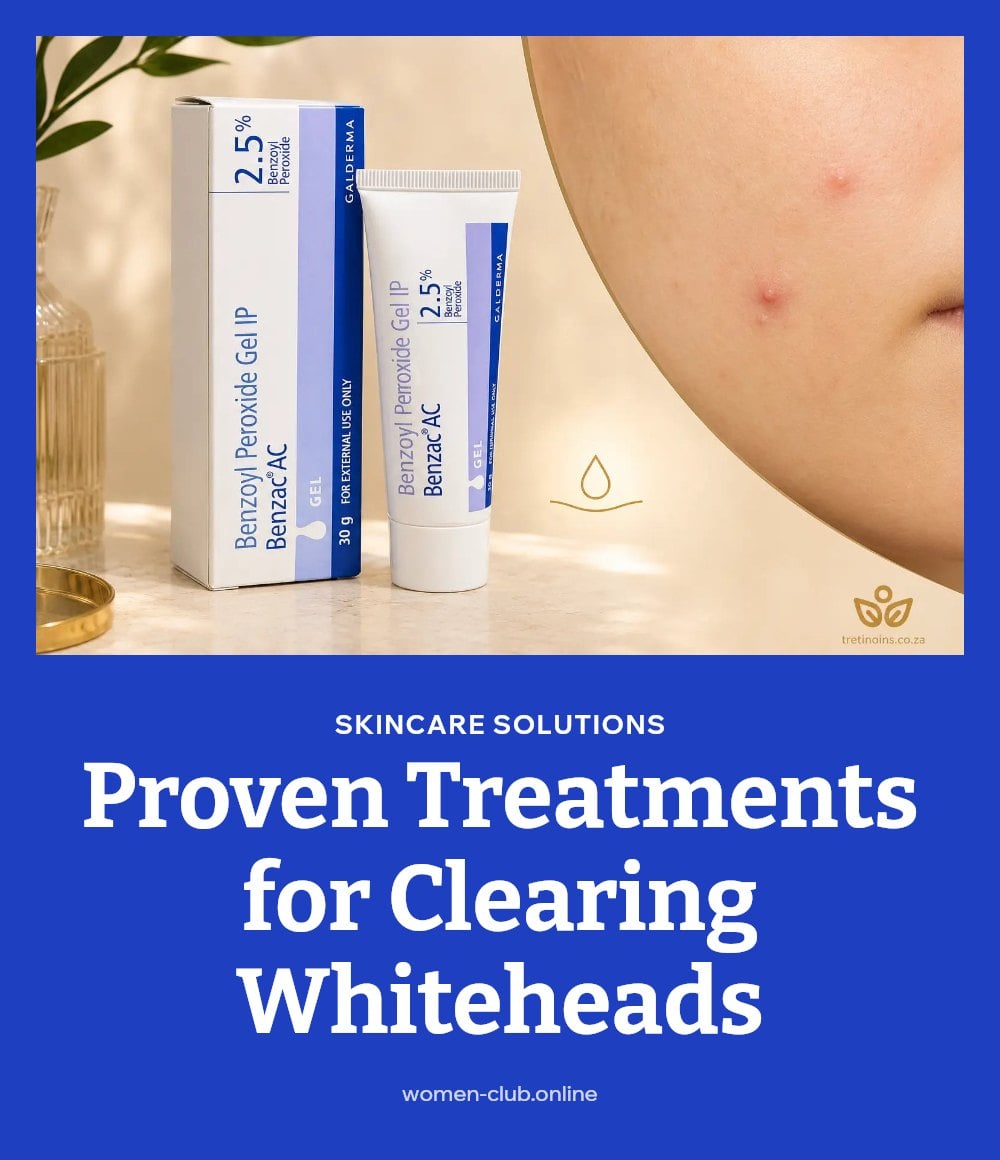
Salicylic acid (a beta-hydroxy acid, or BHA) is oil-soluble, which means it can penetrate deep into the pore to exfoliate dead skin cells and dissolve excess sebum. This makes it ideal for both whiteheads and blackheads. My tip: Use a salicylic acid cleanser or leave-on serum 2-3 times per week to start, then increase frequency as your skin tolerates it.
Benzoyl peroxide works differently. It kills acne-causing bacteria (P. acnes) and helps shed dead skin cells from the surface. It is useful for both non-inflammatory comedones and inflammatory breakouts. Caution: Benzoyl peroxide can bleach fabrics, so apply it only to clean, dry skin and let it absorb fully before putting on a pillowcase or towel.
Retinoids like retinol or adapalene normalize cell turnover within the follicle. This prevents new clogs from forming and helps clear existing whiteheads and blackheads over time. Caution: Start retinoids slowly. Apply a pea-sized amount every third night for two weeks, then every other night if no irritation occurs. Always use sunscreen in the morning because retinoids increase sun sensitivity.
Whichever treatment you choose, stick with it consistently. Results typically appear in 4-8 weeks. And always check that your moisturizer, sunscreen, and makeup are labeled non-comedogenic so they won’t clog your pores while you’re treating them.
Common Mistakes to Avoid When Treating Comedones
Common Mistakes to Avoid When Treating Comedones
Aggressive Scrubbing: Scrubbing harder won’t ‘clean out’ pores. It just irritates your skin and can make acne worse by spreading bacteria.
Picking or Squeezing: I know it’s tempting, but picking whiteheads or blackheads can lead to inflammation, infection, and permanent scarring.
Skipping Moisturizer: Even if you have oily skin, skipping moisturizer can dehydrate your skin, causing it to produce even more oil to compensate.
Using Too Many Actives at Once: Layering too many strong ingredients (like retinoids, acids, and benzoyl peroxide) can damage your skin barrier, causing irritation and redness.
Not Checking Product Labels: Always look for ‘non-comedogenic’ on your skincare and makeup to ensure products won’t clog your pores.
Preventing Future Whiteheads and Blackheads

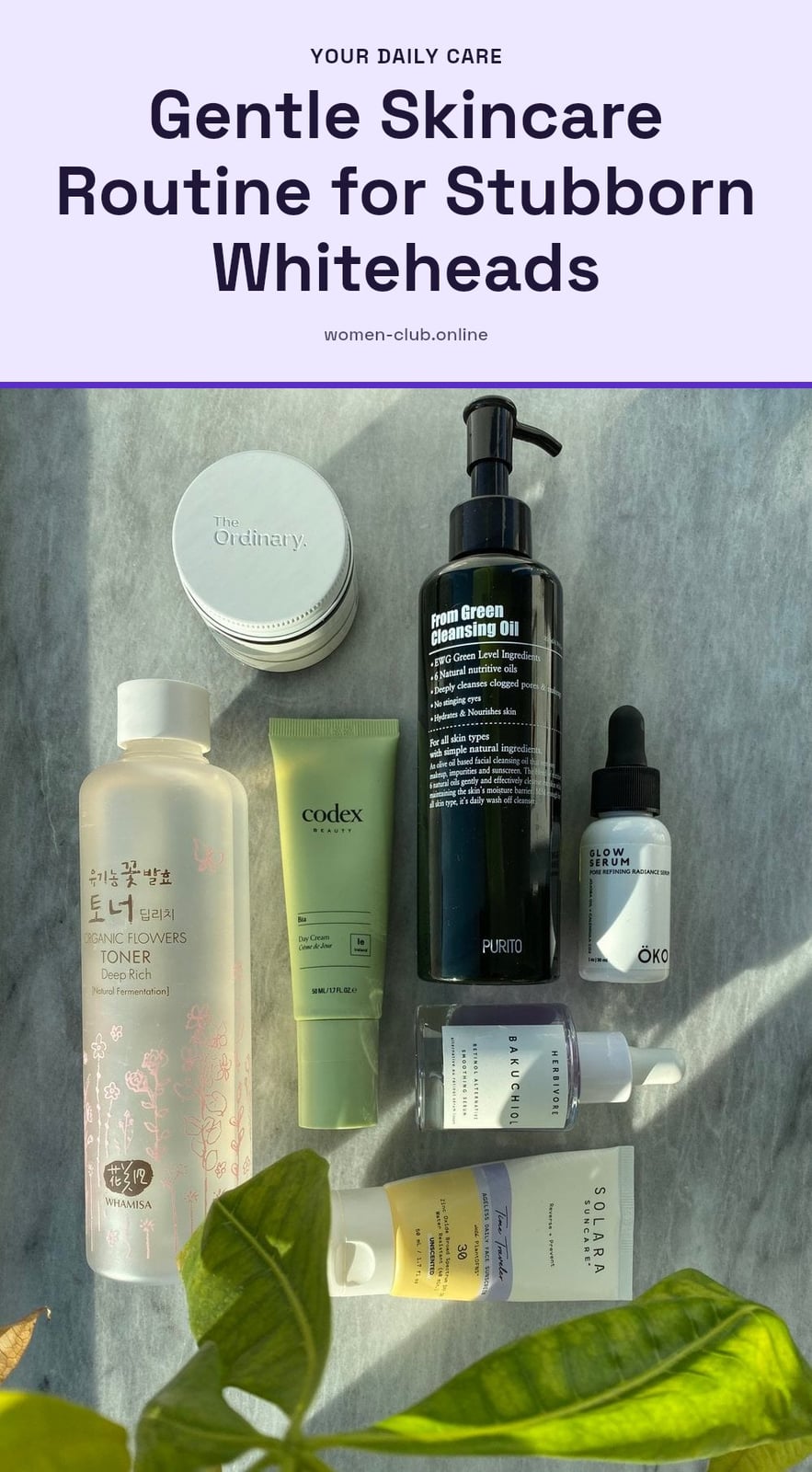
Cleanse Gently: Wash your face twice daily with a mild, non-comedogenic cleanser to remove surface oil and impurities without stripping your skin.
Exfoliate Regularly: Incorporate a gentle chemical exfoliant like a salicylic acid (BHA) serum a few times a week. It penetrates the pore to clear out dead skin cells and oil before they form a whitehead.
Moisturize Daily: Use a lightweight, oil-free moisturizer to maintain hydration and barrier function. Skipping it can trigger more oil production.
Protect from the Sun: Apply broad-spectrum SPF 30+ every morning. Exfoliating acids and retinoids increase sun sensitivity, and sun damage can worsen acne.
Choose Non-Comedogenic Products: Check labels on all skincare and makeup for the words ‘non-comedogenic’ or ‘non-acnegenic’ to ensure they won’t clog your pores.
What to Expect: Treatment Timeline and Cost
Timeline for Results: With consistent use of over-the-counter treatments, you can typically expect to see noticeable improvements in 4 to 8 weeks. Clearing comedones takes time, so stick with your routine.
Ongoing Maintenance: Preventing new whiteheads and blackheads often requires continuous use of your chosen products. Once you stop, clogs can return.
Cost Tiers: Over-the-counter cleansers, serums, and creams range from $10 to $30 for basic options and up to $50 to $80 for more advanced formulations. Prescription treatments or dermatologist visits will incur higher costs.
When to See a Dermatologist
See a dermatologist if your whiteheads or blackheads are persistent, widespread, painful, or if over-the-counter treatments haven’t shown improvement after several weeks of consistent use.
If you’re experiencing cystic acne or deep, inflamed breakouts alongside comedones, these often require prescription-strength treatments. Also seek professional advice if you’re unsure about the best approach for your skin type or if products cause significant irritation.
A dermatologist can offer personalized recommendations, prescription retinoids, oral medications, or in-office procedures like extractions or chemical peels.
Frequently Asked Questions
Can diet cause whiteheads?
Some research suggests that high-glycemic foods and dairy may influence acne in certain individuals, but it’s not a direct cause for everyone. If you notice a pattern, try adjusting your diet and see if it helps. For persistent issues, a dermatologist can offer personalized advice.
How long does it take for whiteheads to go away?
With consistent use of over-the-counter treatments, you can typically see noticeable improvement in 4 to 8 weeks. However, ongoing maintenance is often needed to prevent new whiteheads from forming. Be patient and stick with your routine.
Are whiteheads a sign of dirty skin?
No, whiteheads are not caused by poor hygiene. They form when pores become clogged with oil and dead skin cells, which can happen regardless of how often you wash your face. Over-washing can actually irritate skin and make acne worse.
Can I use natural remedies for whiteheads?
Some natural ingredients like tea tree oil or green tea extract may have mild antibacterial or anti-inflammatory properties, but they are not as well-studied or reliably effective as proven treatments like salicylic acid or benzoyl peroxide. For best results, stick with clinically tested products.
What’s the difference between a whitehead and a pimple?
A whitehead is a closed comedone, a non-inflammatory type of acne where the pore is completely blocked. A pimple, or papule, is an inflammatory lesion that appears red and swollen due to bacteria and inflammation. Whiteheads can sometimes develop into pimples if they become irritated or infected.
Final Thoughts
Stick with a gentle, consistent routine: cleanse twice daily, use a chemical exfoliant like salicylic acid or a retinoid, and always moisturize and protect with sunscreen. Realistic results take 4 to 8 weeks of regular use, so patience is key. With the right approach, you can manage whiteheads and keep your skin clear.
This article is for general informational purposes only and does not constitute medical advice. Acne treatment varies by individual. Consult a dermatologist or healthcare professional for a persistent or serious skin condition before starting any new skincare routine.








