
You know the feeling: a task sits on your to-do list, and the more you avoid it, the heavier it feels. Procrastination isn’t about being lazy; it’s your brain’s way of coping with uncomfortable emotions like anxiety or boredom. Understanding this is the first step to breaking the cycle.
In this article, I’ll walk you through why you procrastinate, a simple four-step method to get started, and practical strategies to keep you on track. You’ll also learn common traps to avoid and how to build habits that prevent future delays.
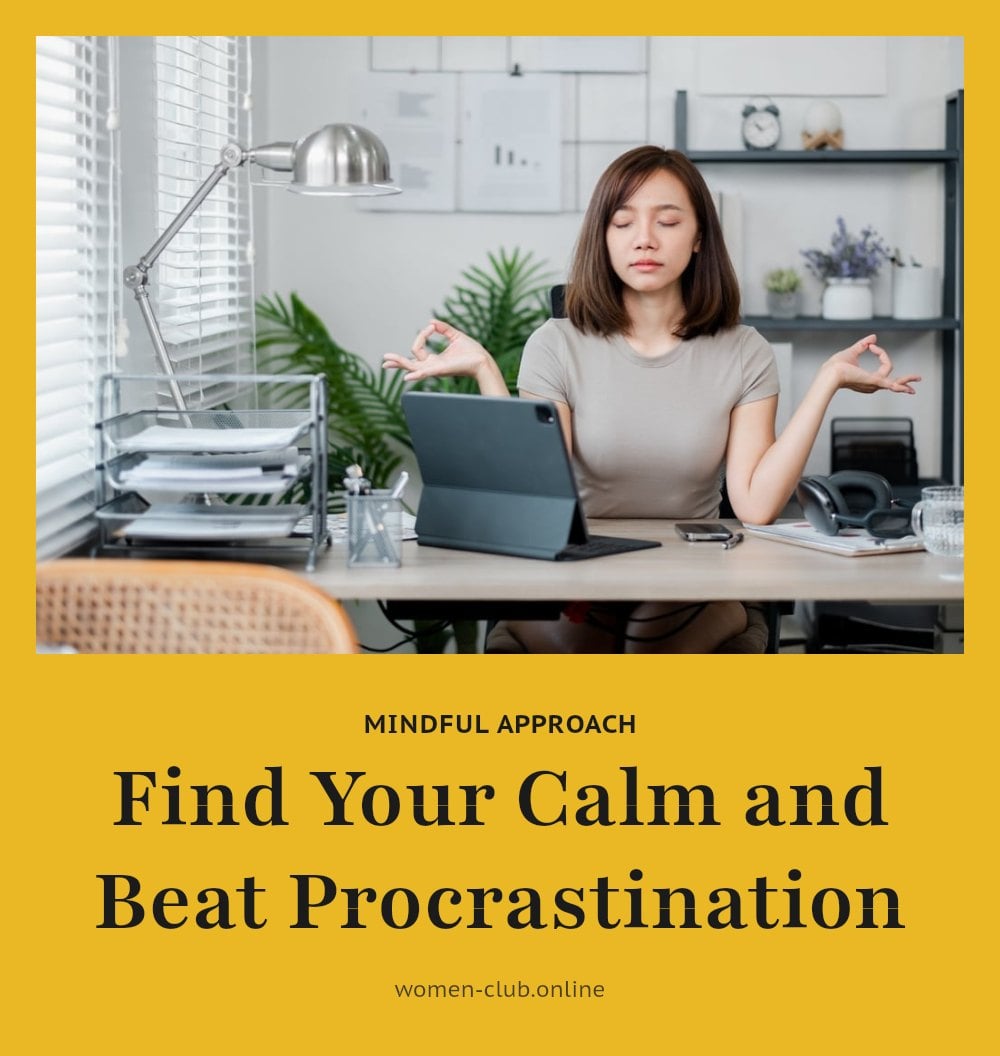
Key Takeaways
- Procrastination is an emotional coping mechanism, not a sign of laziness.
- Break large tasks into the smallest possible first step to reduce overwhelm.
- Use the Pomodoro Technique: 25 minutes of focus, then a 5-minute break.
- Practice self-compassion to lower the emotional barrier to starting.
- Set realistic deadlines and add a buffer to counter the planning fallacy.
Why We Procrastinate (It’s Not About Laziness)
Procrastination isn’t a sign of laziness or a character flaw. It’s actually a coping mechanism your brain uses to manage difficult emotions like anxiety, frustration, boredom, or fear of failure. When you avoid a task, you’re often trying to escape the uncomfortable feelings it triggers, not the task itself. Recognizing this emotional root is the first real step toward breaking the cycle.
The Real Reasons You Keep Putting Things Off

The Real Reasons You Keep Putting Things Off
Procrastination is often your brain’s way of protecting you from tasks it perceives as threatening. Common drivers include fear of failure, perfectionism, and a lack of clear goals. Emotional triggers like anxiety, boredom, and insecurity play a big role in why you delay.
Perfectionism can be especially tricky: the fear of not meeting impossibly high standards leads to avoidance. Another factor is the “planning fallacy,” our tendency to underestimate how long a task will take. This miscalculation creates delays because you think you have more time than you actually do. Understanding these underlying reasons helps you address the real problem instead of just blaming yourself.
Your Step-by-Step Guide to Beating Procrastination

This section includes a video from TED-Ed that outlines a proven method for overcoming procrastination. Follow these four steps in order for the best results.
- Break down the task: Reduce the perceived threat by breaking a large task into the smallest possible first step. Instead of “write a report,” start with “open the document and write one sentence.”
- Journal about your feelings: Write down the specific emotions the task causes, such as dread, incompetence, or insecurity. Address those underlying concerns directly. Ask yourself what exactly feels threatening and why.
- Remove distractions: Clear your workspace of anything that makes impulsive avoidance easy. Put your phone in another room, close unnecessary browser tabs, and keep only what you need for the task at hand.
- Cultivate self-compassion: Forgive yourself for past procrastination and plan how to improve next time. Self-criticism adds more negative emotions to the task, making it feel even more threatening. A kinder approach reduces that emotional weight and makes starting easier.
Identifying and challenging specific negative feelings like dread or incompetence helps you break the avoidance cycle. Each time you notice those feelings, pause and remind yourself that they are temporary and manageable.
Prefer to watch? TED-Ed walks through the whole method in this 6-minute video. The how-to part starts at 0:44.
Smart Strategies to Get Started and Stay on Track
Smart Strategies to Get Started and Stay on Track
Once you understand why you procrastinate, these practical techniques help you take action and build momentum.
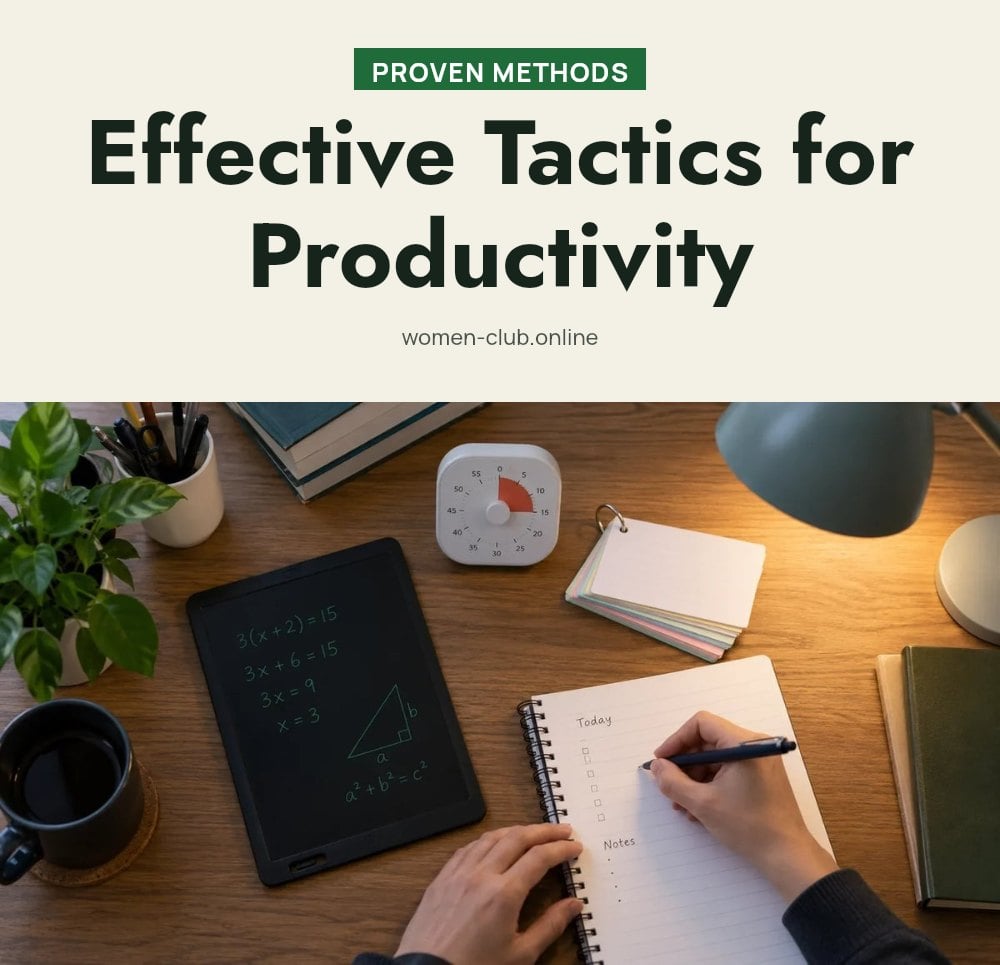
- Pomodoro Technique: Work in focused 25-minute intervals, then take a 5-minute break. After four intervals, take a longer break of 15-30 minutes. This structure makes large tasks feel less overwhelming and improves concentration.
- Two-minute rule: If a task takes less than two minutes, do it immediately. Answering a quick email, putting away one item, or setting a reminder builds momentum and clears small tasks that can pile up.
- Implementation intentions: Create a specific plan that links an action to a cue. For example, “When I finish lunch, I will work on my project for 10 minutes.” This bridges the gap between intention and action.
- Reward yourself: After completing a task or making progress, give yourself a small reward. It could be a short walk, a cup of tea, or a few minutes of a favorite podcast. Rewards reinforce positive habits and make the process feel more satisfying.
Common Procrastination Traps and How to Avoid Them
One common trap is confusing procrastination with responsible time management. Deciding that a low-priority task can wait is not procrastination. Procrastination is avoiding a task you said you would do for no good reason, knowing it will cause negative consequences. If you are unsure, check your intent.
Mistake: Being too hard on yourself. Self-criticism adds more negative emotions to a task, making it feel even more threatening. That only worsens the cycle. Instead, acknowledge the slip and refocus.
Mistake: Waiting for motivation to strike. Motivation often follows action, not the other way around. Start with the smallest possible step, even if you do not feel ready.
Mistake: Trying to tackle an overwhelming task all at once. That approach makes the task feel insurmountable and increases avoidance. Break it into smaller parts first.
Building Habits to Prevent Future Procrastination
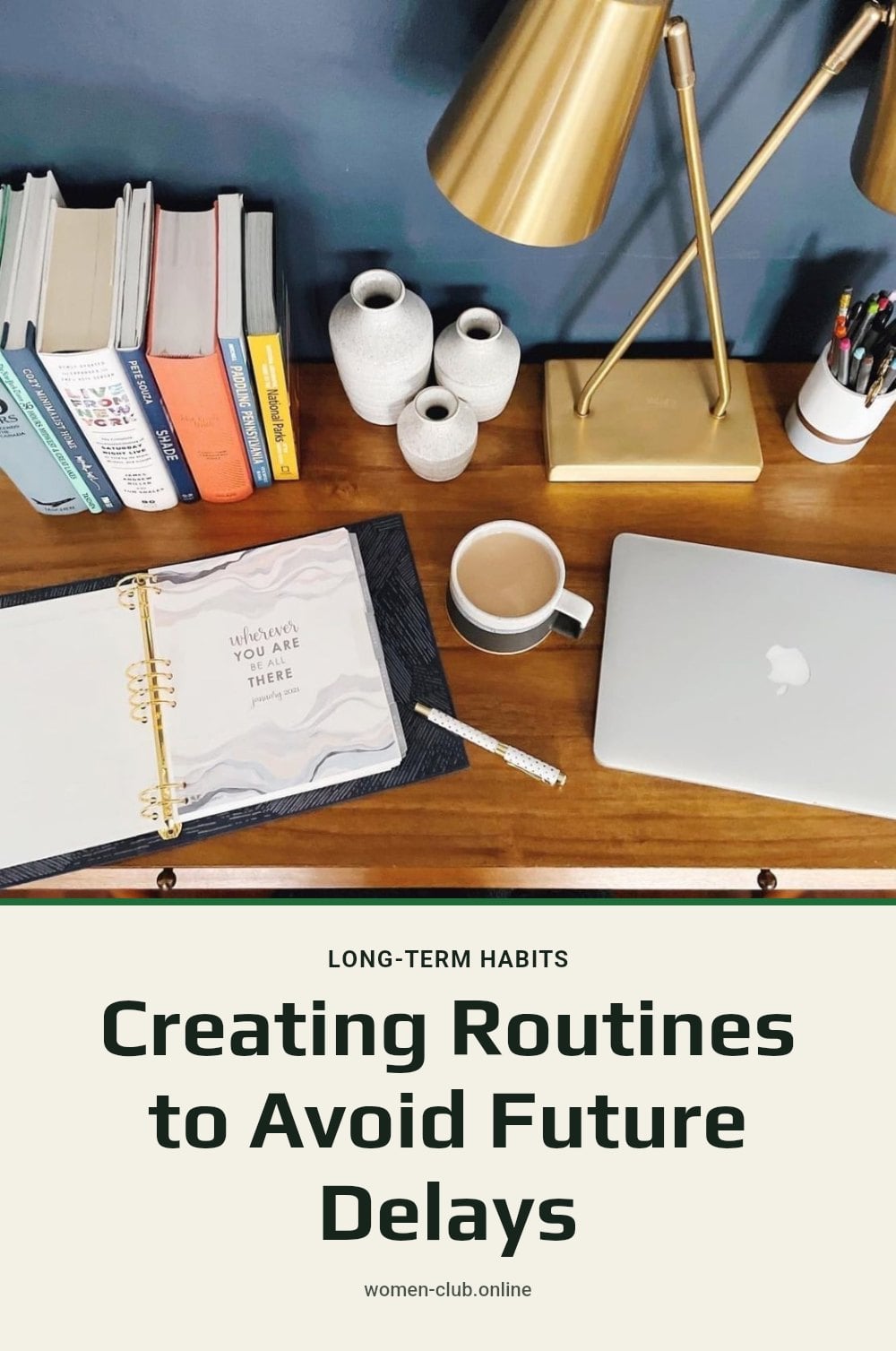
Building long-term habits reduces the chance of falling back into procrastination. Start by prioritizing tasks based on importance and urgency. A simple list helps you see what truly needs your attention.
Set realistic deadlines: The planning fallacy makes us underestimate task time. Add a buffer to your estimates so you do not feel rushed and tempted to delay.
Create a designated workspace: Keep it free from distractions like your phone or social media. A consistent environment signals your brain that it is time to focus.
Practice self-compassion: When you experience a setback, forgive yourself and plan how to do better next time. This reduces the negative emotions that fuel procrastination and helps you move forward.
Frequently Asked Questions
Is procrastination a sign of laziness?
No, procrastination is not laziness. It’s a coping mechanism for managing difficult emotions like anxiety or fear of failure. While laziness means being unwilling to act, procrastination involves delaying a task you intend to do, despite knowing the negative outcomes. Recognizing this difference is key to addressing the real emotional triggers.
How can I stay motivated to start tasks?
Motivation often follows action, not the other way around. Instead of waiting for inspiration, start with the smallest possible step. Use the two-minute rule: if a task takes less than two minutes, do it immediately. This builds momentum and makes the task feel less intimidating, which naturally boosts your motivation to continue.
What if I feel overwhelmed by too many tasks?
Feeling overwhelmed is a common trigger for procrastination. Start by prioritizing tasks based on importance and urgency. Write them down and pick one to focus on. Break that task into the smallest first step, and tackle it alone. This reduces the perceived threat and helps you regain a sense of control.
Can perfectionism lead to procrastination?
Yes, perfectionism is a significant driver of procrastination. The fear of not meeting impossibly high standards can make a task feel threatening, so you avoid it. To counter this, remind yourself that done is better than perfect. Set realistic standards and allow yourself to make mistakes, which reduces the emotional weight of the task.
How do I deal with distractions effectively?
Distractions are often impulsive escapes from uncomfortable tasks. To manage them, create a designated workspace free from distractions, like your phone or social media. Use distraction-blocking apps if needed. When you notice yourself reaching for a distraction, pause and identify the emotion you’re feeling, then return to your task with self-compassion.
Final Thoughts
To beat procrastination, start by breaking your task into the smallest step you can take right now, and forgive yourself for past delays. This lowers the emotional threat and makes it easier to begin. Expect progress to be gradual; you’ll see improvements as you practice these strategies consistently, not overnight.
Remember, the goal isn’t to become a different person, but to build healthier habits. With each small win, you’ll gain confidence and momentum. Keep going, and soon you’ll find that starting is the hardest part, and you’ve already mastered it.








