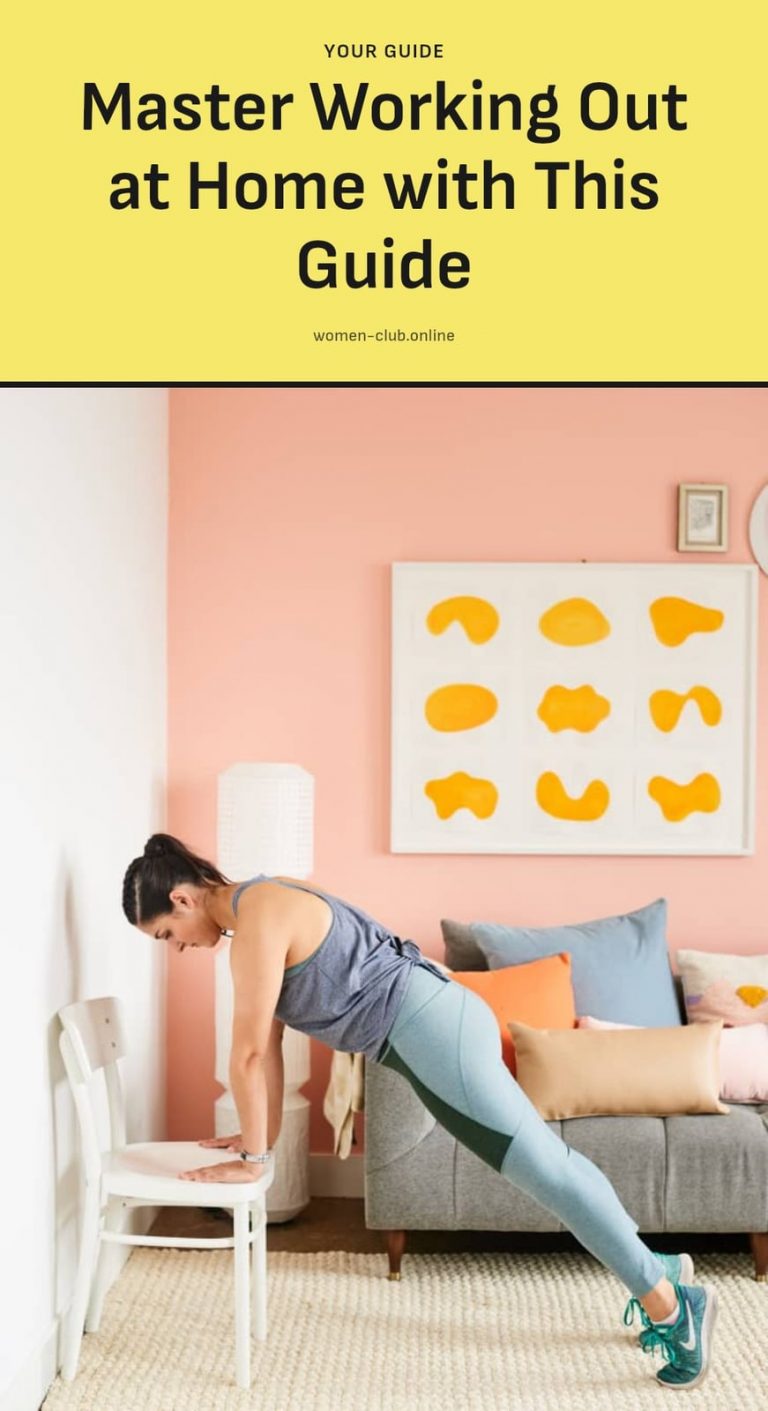
You don’t need a gym membership to build strength in your chest, back, shoulders, and arms. A solid upper body workout with dumbbells or resistance bands can fit right into your living room, and it’s a game-changer for posture and daily tasks like carrying groceries or lifting kids. This article walks you through a complete routine, from warm-up to cool-down, including the key moves and a simple weekly schedule to follow.
Key Takeaways
- Target all major upper body muscles: chest, back, shoulders, biceps, and triceps for balanced strength.
- Use 3-4 sets of 8-12 reps per exercise for muscle growth, with 60-90 seconds rest between sets.
- Include both pushing (chest press, overhead press) and pulling (rows, pull-aparts) movements for balanced development.
- Warm up for 5-10 minutes with light cardio and dynamic stretches before each session.
- Aim for 2-3 upper body workouts per week, with at least one rest day in between, to see strength gains in 4-6 weeks.
Why an Upper Body Workout is a Game-Changer for Women
An upper body workout targets your chest, back, shoulders, biceps, and triceps. For women, this means better posture, more strength for everyday tasks like carrying groceries or lifting kids, and an overall fitness boost. You can do it at home or at the gym using dumbbells or resistance bands, making it easy to fit into any routine.
1. Warm-Up: Arm Circles
Stand with your feet shoulder-width apart and arms extended straight out to your sides. Make small forward circles with your arms, gradually increasing the size. After 30 seconds, reverse direction and make backward circles, again increasing the size.
- Time: 1-2 minutes total
- Form cue: Keep your shoulders relaxed and down, not hunched up toward your ears.
- Make it easier or harder: Use smaller circles to reduce intensity or larger, slower circles to increase it.
2. Dumbbell Chest Press (or Band Chest Press)
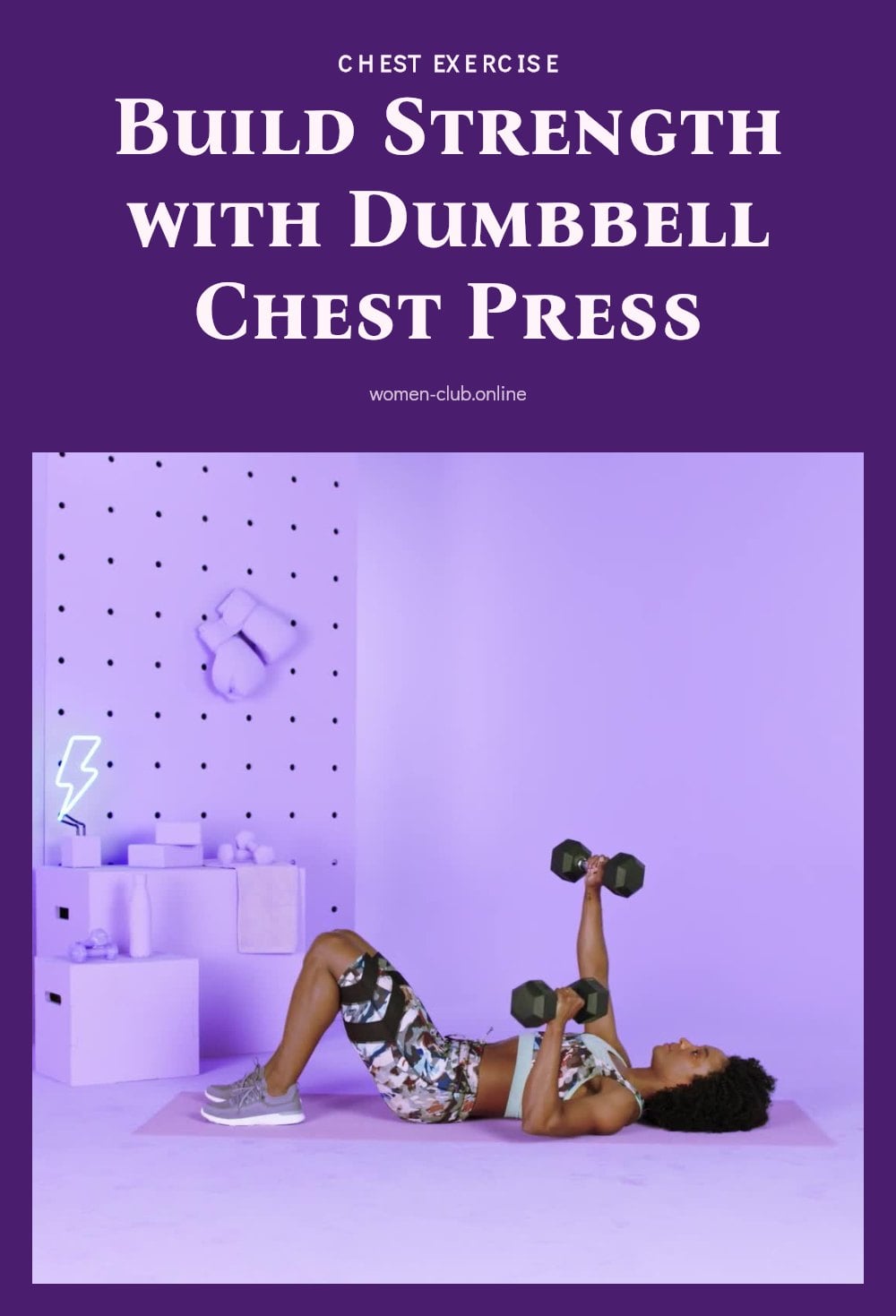
Lie on your back on a mat or bench, holding a dumbbell in each hand with palms facing each other. Bend your elbows to 90 degrees so the dumbbells are at chest level. Press the dumbbells straight up toward the ceiling, fully extending your arms without locking your elbows, then slowly lower them back down. For a band version, anchor the band behind you and press forward.
- Sets and reps: 3 sets of 8-12 repetitions
- Form cue: Keep your core engaged to protect your lower back.
- Make it easier or harder: Use lighter dumbbells or a band with less resistance to start; increase weight or band tension for a greater challenge.
3. Dumbbell Bent-Over Row (or Band Row)
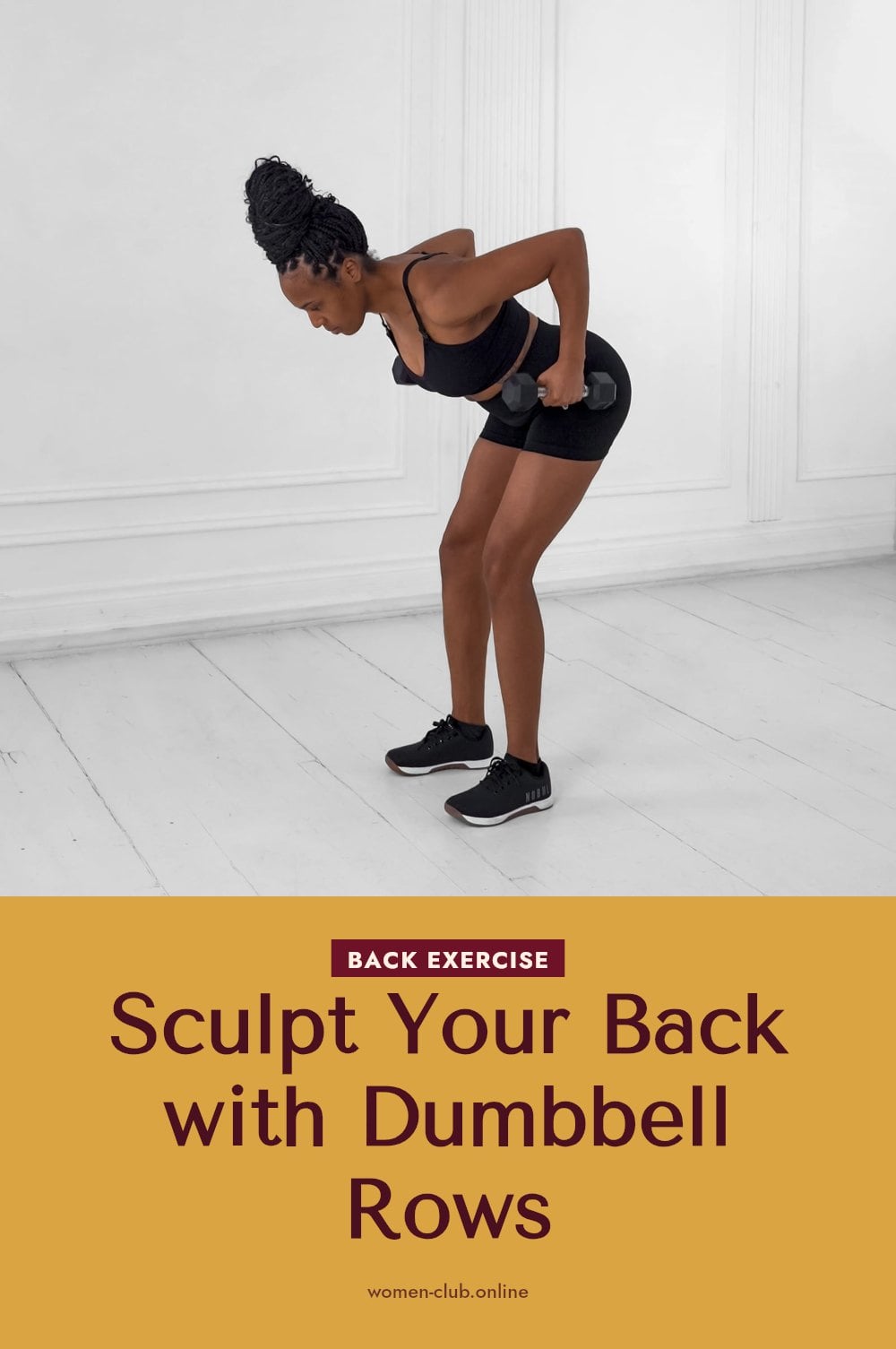
Stand with feet hip-width apart, holding a dumbbell in each hand with palms facing your body. Hinge at your hips, keeping your back straight and a slight bend in your knees, until your torso is almost parallel to the floor. Pull the dumbbells up toward your chest, squeezing your shoulder blades together, then slowly lower them back down. For a band version, step on the center of the band and pull the handles up.
- Sets and reps: 3 sets of 8-12 repetitions
- Form cue: Focus on pulling with your back muscles, not just your arms.
- Make it easier or harder: Use lighter dumbbells or a band with less resistance; increase weight or band tension for more difficulty.
4. Dumbbell Overhead Press (or Band Overhead Press)
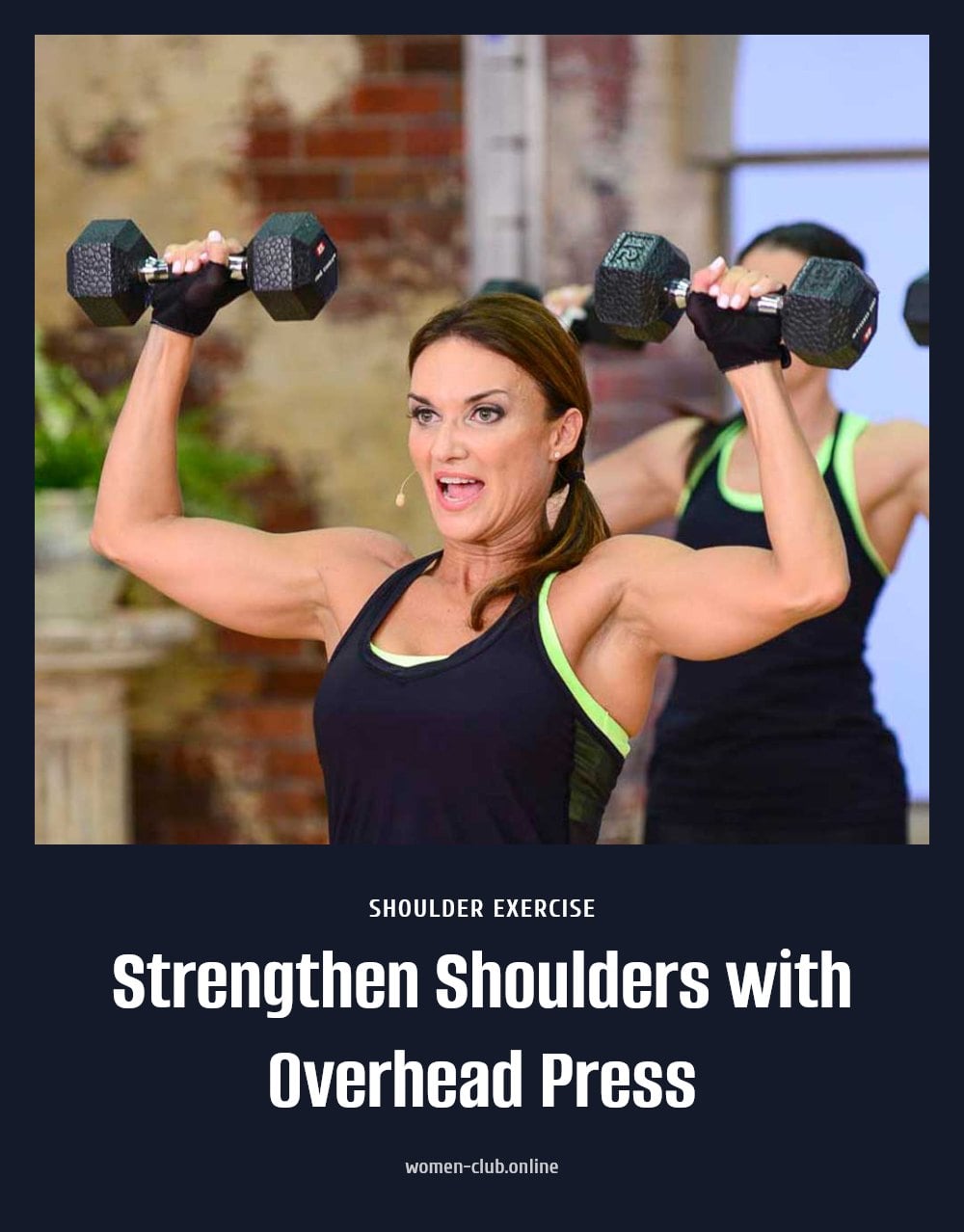
Stand or sit with a dumbbell in each hand at shoulder height, palms facing forward. Press the dumbbells straight up overhead until your arms are fully extended, then control the movement as you slowly lower them back to the starting position.
- Sets and reps: 3 sets of 8-12 repetitions.
- Form cue: Avoid arching your back; keep your core tight throughout.
- Make it easier or harder: Use lighter dumbbells or a resistance band anchored under your feet for less resistance; increase weight for more challenge.
5. Dumbbell Bicep Curl (or Band Bicep Curl)
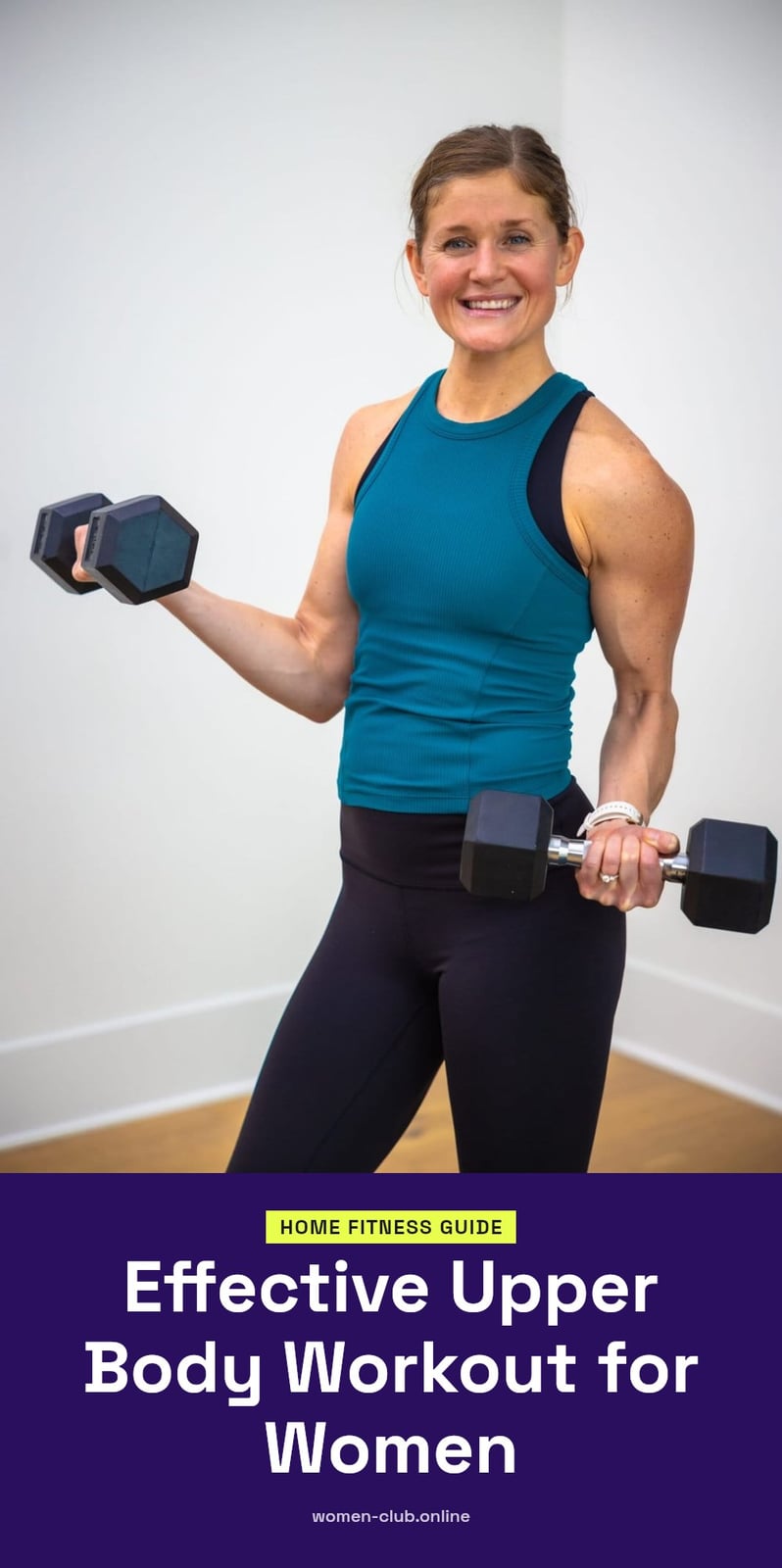
Stand tall with a dumbbell in each hand, palms facing forward, arms extended by your sides. Keeping your elbows tucked close to your body, curl the dumbbells up toward your shoulders, squeeze your biceps at the top, then slowly lower the weights back down with control.
- Sets and reps: 3 sets of 8-12 repetitions.
- Form cue: Don’t swing the weights; use controlled motion to isolate the biceps.
- Make it easier or harder: Use lighter dumbbells or a resistance band; increase weight or perform alternating curls for more difficulty.
6. Dumbbell Triceps Extension (or Band Triceps Extension)
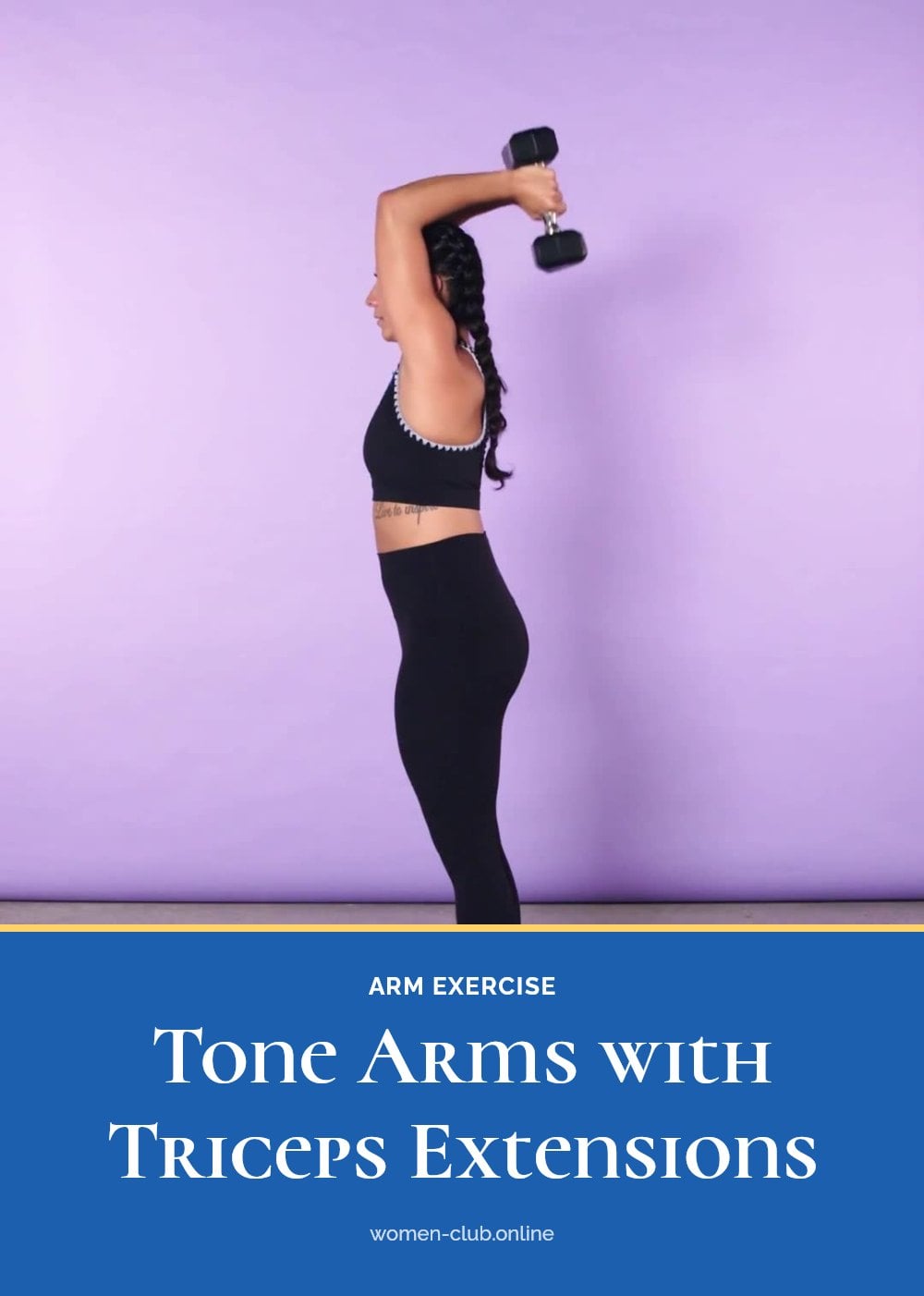
Hold one dumbbell with both hands and extend it overhead. Keeping your elbows close to your head, slowly lower the dumbbell behind you by bending your elbows, then extend your arms to press it back up, feeling the triceps work.
- Sets and reps: 3 sets of 8-12 repetitions.
- Form cue: Keep your elbows pointing forward, not flaring out.
- Make it easier or harder: Use a lighter dumbbell or a resistance band; increase weight or perform single-arm extensions for more challenge.
7. Resistance Band Pull-Apart
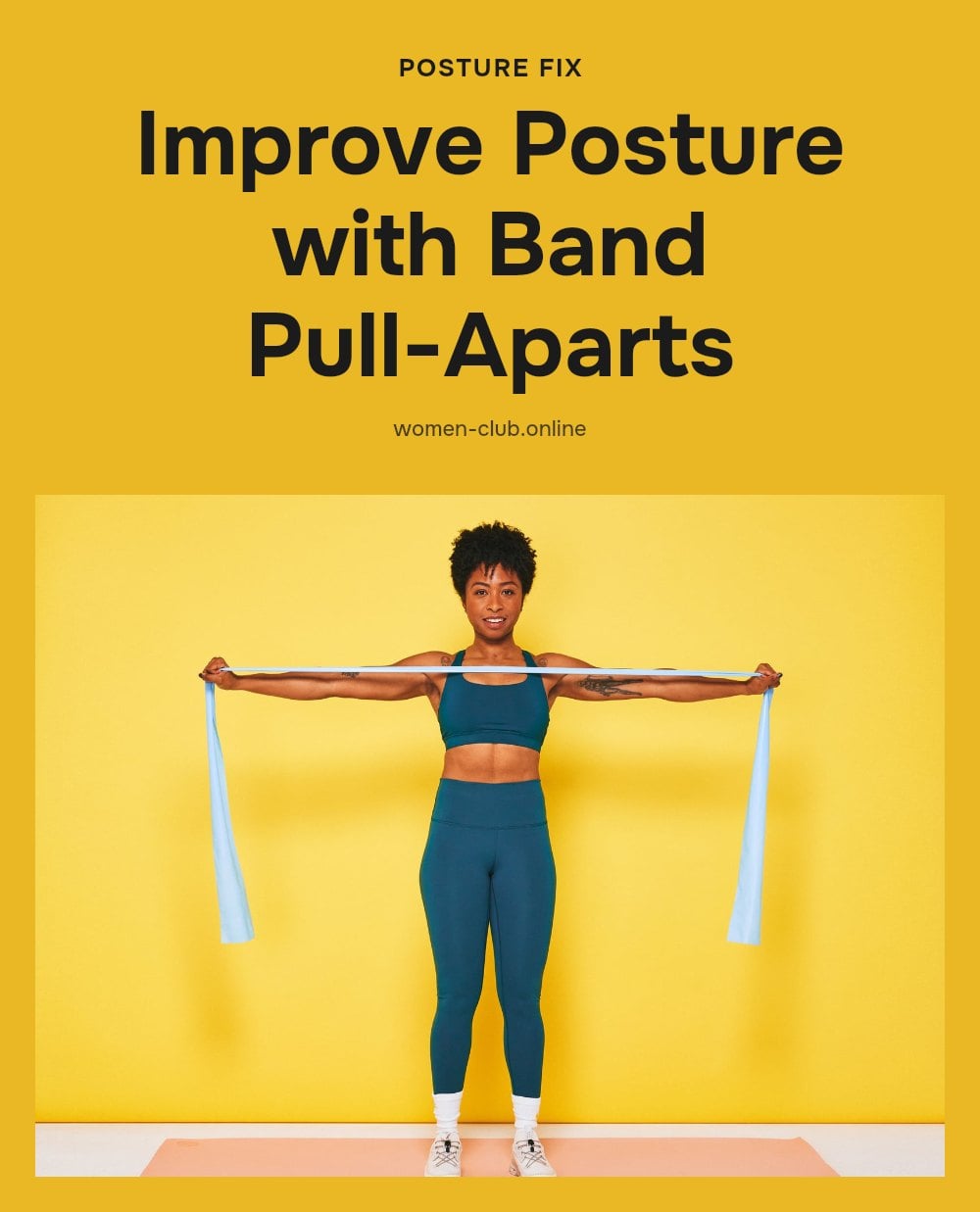
Hold a resistance band with both hands, arms extended straight out in front of you at shoulder height with a slight bend in your elbows. Pull the band apart, squeezing your shoulder blades together, then control the movement as you slowly bring your hands back together.
- Sets and reps: 3 sets of 15-20 repetitions.
- Form cue: Focus on squeezing your shoulder blades together during the pull.
- Make it easier or harder: Use a lighter resistance band or grip it closer to the ends for less tension; use a heavier band or grip closer to the center for more resistance.
8. Cool-Down: Cross-Body Arm Stretch
Bring one arm straight across your chest. Use your other hand to gently pull the elbow of the stretched arm closer to your body. Hold for 20-30 seconds, feeling the stretch in your shoulder. Repeat on the other side.
- Time: 20-30 seconds per side
- Form cue: Keep the stretched arm straight and your shoulders relaxed
- Make it easier: Don’t pull as hard; just let the arm rest across your chest
Essential Equipment for Your Upper Body Workout
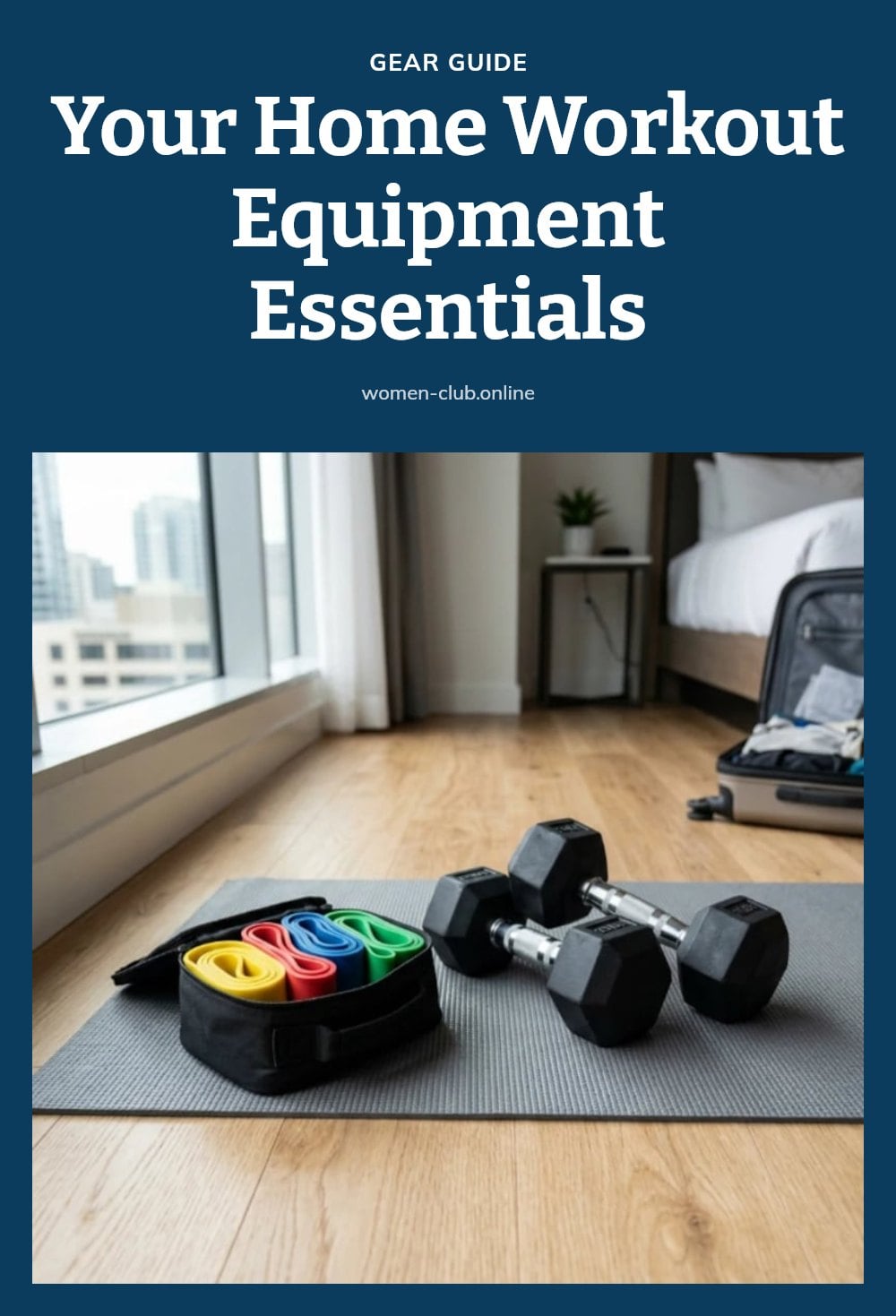
You don’t need a gym to build upper body strength. Here’s the gear that makes it happen at home.
- Dumbbells: Choose a few pairs in different weights so you can gradually increase resistance over time
- Resistance bands: Get bands with light, medium, and heavy tension for varied intensity
- Exercise mat: Provides cushioning for floor exercises like chest presses and stretches
- Water bottle: Keep it nearby and sip throughout your workout to stay hydrated
Your Weekly Upper Body Workout Schedule
Aim for 2-3 upper body workouts per week, with at least one rest day between sessions so your muscles can recover and grow. Consistency matters more than perfection; sticking with the plan is what leads to noticeable strength improvements within 4-6 weeks.
| Day | Workout | Focus |
|---|---|---|
| Monday | Upper body | Full routine |
| Tuesday | Rest | Recovery |
| Wednesday | Upper body | Full routine |
| Thursday | Rest | Recovery |
| Friday | Upper body | Full routine |
| Saturday | Rest or light cardio | Active recovery |
| Sunday | Rest | Recovery |
My tip: If you are new to strength training, start with 2 sessions per week and add a third once you feel comfortable. Listen to your body, and if you feel sharp pain or unusual soreness, take an extra rest day or consult a healthcare professional.
Frequently Asked Questions
Can I build muscle with just resistance bands?
Yes, resistance bands can effectively build muscle. They provide variable resistance, which increases as the band stretches, keeping your muscles under tension through the full range of motion. For continued growth, you’ll need to progressively overload by using bands with higher tension or increasing your repetitions over time.
What’s the best way to warm up for an upper body workout?
A good warm-up includes 5-10 minutes of light cardio, like arm circles or jumping jacks, followed by dynamic stretches such as arm swings and torso twists. This increases blood flow to your muscles and prepares your joints for the work ahead, reducing your risk of injury.
How long should I rest between sets?
For muscle growth, a common recommendation is 60-90 seconds of rest between sets. This allows your muscles to recover enough to maintain good form on the next set. If you’re focusing on endurance, you can shorten the rest to 30-45 seconds.
What if I don’t have heavy dumbbells at home?
You can still get a great workout with lighter dumbbells or resistance bands. Increase the number of reps per set (15-20 or more), slow down the tempo of each movement, or reduce your rest time between sets to keep challenging your muscles. Progressive overload is key, so even small changes can drive progress.
What are the best upper body exercises for women?
Compound moves that work multiple muscle groups at once are highly effective. Think chest press, bent-over rows, and overhead presses. Pair them with isolation exercises like bicep curls and triceps extensions to cover all the major upper body muscles. The routine in this article includes a balanced mix of both.
Final Thoughts
My tip: Start with lighter weights or bands and focus on perfect form before adding resistance. You’ll likely notice a real difference in your strength and posture within four to six weeks if you stick to two or three sessions a week. Pick a routine that fits your schedule, and remember that consistency beats intensity every time.
This information is for general informational purposes only and is not a substitute for professional medical advice, diagnosis, or treatment. Always consult with a qualified healthcare provider or fitness professional before starting any new exercise program, especially if you have pre-existing health conditions or injuries.