
If you’re dealing with dull skin, dark spots, or early signs of aging, a vitamin C serum might be the game-changer your routine needs. This antioxidant powerhouse helps brighten your complexion, fade hyperpigmentation, and support collagen for firmer skin. But to see real results, you need to pick the right formula, apply it correctly, and store it smartly. In this guide, I’ll walk you through choosing, applying, and storing your serum, plus common mistakes to avoid and what to expect.

Key Takeaways
- Choose a serum with 10% to 20% L-ascorbic acid for best results.
- Apply a pea-sized amount to clean, dry skin every morning.
- Always follow with sunscreen for daytime antioxidant protection.
- Store your serum in a cool, dark place to prevent oxidation.
- Expect visible improvements after 4 to 12 weeks of daily use.
What Vitamin C Serum Does for Your Skin
Vitamin C serum is a potent antioxidant that shields your skin from daily environmental damage like pollution and UV exposure. It works to brighten a dull complexion, fade dark spots, and even out skin tone. By supporting collagen production, it also helps maintain firmer, more resilient skin over time. Tip: For the best results, choose a stable formulation and apply it consistently to clean skin every morning.
The Science Behind Vitamin C’s Skin Benefits
Why L-Ascorbic Acid Works
The most effective form of vitamin C for your skin is L-ascorbic acid. It neutralizes free radicals, which are unstable molecules that damage skin cells and accelerate aging. This antioxidant action protects your skin from oxidative stress throughout the day.
Vitamin C also inhibits melanin production, which helps reduce the appearance of dark spots and hyperpigmentation. Over time, this leads to a more even, radiant complexion.
Additionally, vitamin C is essential for collagen synthesis. Collagen is the protein that gives skin its firmness and elasticity. By boosting collagen production, vitamin C helps improve skin texture and reduce fine lines.
Essential Tools for Your Vitamin C Routine
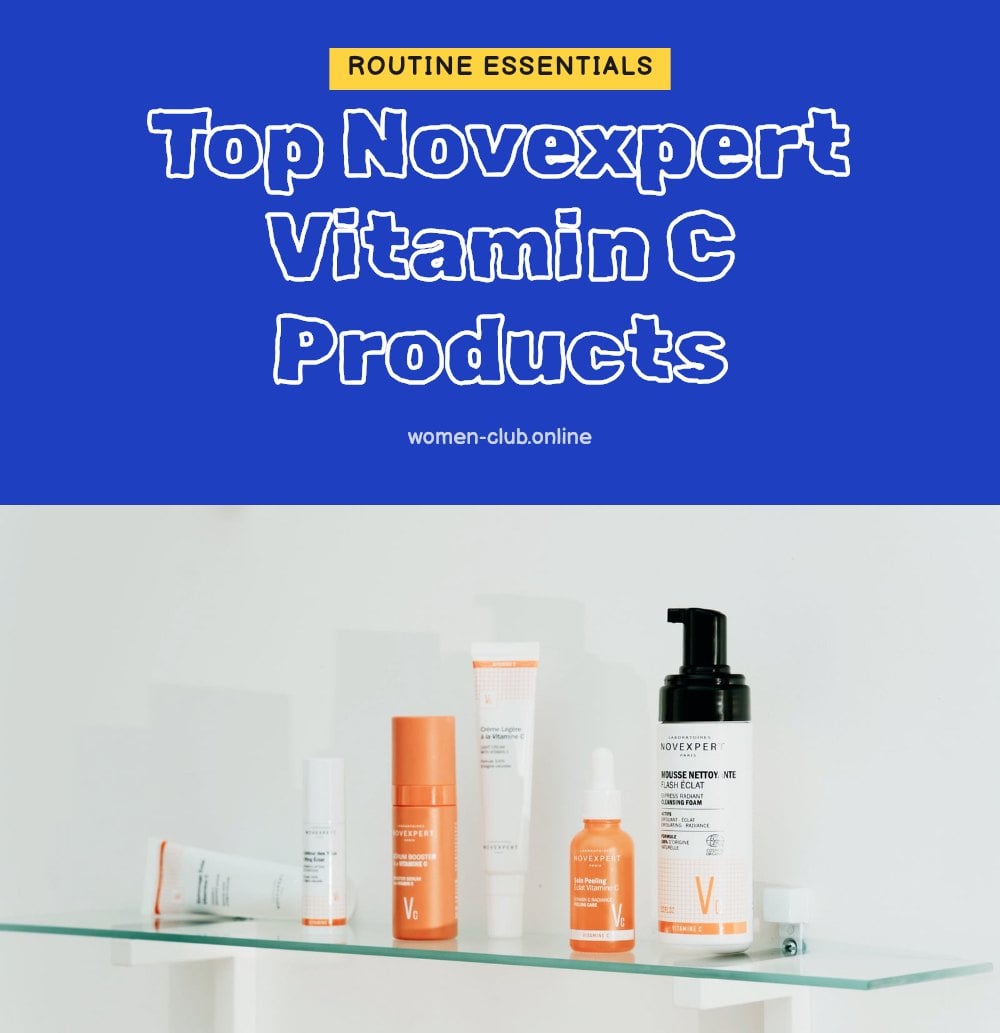
To build an effective vitamin C routine, you need a few key items. Start with a serum containing L-ascorbic acid at a concentration between 10% and 20% for optimal efficacy and tolerability. The packaging matters: look for an opaque, airtight bottle or an airless pump to protect the serum from light and air, which cause oxidation.
Supporting products include a gentle cleanser to prep your skin, a moisturizer to lock in hydration, and a broad-spectrum sunscreen for daytime protection. These basics ensure your serum works effectively without irritation.
Step-by-Step: Applying Vitamin C Serum for Best Results

Start with a clean face. Use your regular cleanser to remove makeup, dirt, and excess oil, then pat your skin completely dry. Applying vitamin C serum to damp skin can increase penetration and lead to irritation, so wait until your face is fully dry.
- Apply serum to dry skin: Dispense a pea-sized amount of serum onto your fingertips. That small amount is enough for your entire face and neck. Dot it on your forehead, cheeks, chin, and neck, then gently press and smooth it in. Avoid rubbing vigorously.
- Use in the morning: Morning application provides antioxidant protection throughout the day against pollution and UV exposure. Let the serum absorb for about one minute before moving to the next step.
- Follow with moisturizer: Lock in hydration by applying your regular moisturizer over the serum. This helps maintain your skin barrier and keeps the serum active longer.
- Finish with sunscreen: Always apply a broad-spectrum sunscreen with at least SPF 30 as your final step. Vitamin C can make your skin more sensitive to the sun, and the sunscreen protects against UV damage that the serum alone cannot block.
My tip: If you experience mild tingling the first few times, that is normal and usually fades. If the tingling persists or turns into burning, rinse off and discontinue use.
Common Vitamin C Serum Mistakes to Avoid
Using too much serum: More product doesn’t mean better results. A pea-sized amount covers your face and neck. Excess can cause irritation and waste the serum.
Storing it wrong: Heat, light, and air degrade vitamin C quickly. Keep the bottle in a cool, dark cabinet and close the cap tightly after each use. An oxidized serum turns dark yellow or brown and loses potency.
Expecting overnight results: Vitamin C needs consistent daily use for weeks before you see visible changes. Stick with it for at least 4 to 12 weeks.
Applying after heavy creams: Thick moisturizers or oils create a barrier that blocks the serum from penetrating. Always apply serum to clean, dry skin first, then follow with moisturizer.
Ignoring irritation: Mild tingling can be normal, but persistent redness, burning, or itching means your skin is reacting. Discontinue use if these symptoms appear.
Pro Tips for Maximizing Your Vitamin C Serum’s Potency

Store in a cool, dark place: A bathroom cabinet away from the shower or a bedroom drawer works well. Avoid windowsills and countertops near heat sources.
Check the color: Fresh vitamin C serum is clear or pale yellow. If it turns dark yellow or brown, it has oxidized. Discard it and open a new bottle.
Patch test first: Apply a small drop behind your ear or on your inner arm for 24 hours before using it on your face. This checks for sensitivity without risking a full-face reaction.
Look for ferulic acid and vitamin E: These ingredients help stabilize L-ascorbic acid and boost its antioxidant power. Many effective serums combine all three.
Layer cautiously with other actives: Retinoids and AHAs can increase irritation when used alongside vitamin C. Apply them at different times of day, for example, vitamin C in the morning and retinol at night.
When to Expect Results and How Often to Use
Visible improvements usually appear after 4 to 12 weeks of daily use. You may notice brighter skin and fewer dark spots first, with more significant changes over several months.
Apply the serum every morning for consistent antioxidant protection. Morning application helps defend your skin against environmental damage throughout the day.
Tip: Price doesn’t always reflect effectiveness. Focus on the formulation, especially the concentration of L-ascorbic acid and the inclusion of stabilizing ingredients like ferulic acid. A well-formulated serum at a moderate price can work as well as a costly one.
When to Consult a Dermatologist About Your Vitamin C Serum
Stop using the serum and see a dermatologist if you experience severe redness, burning, or persistent itching that doesn’t subside. These signs may indicate an allergic reaction or irritation that needs professional attention.
If you have a known skin condition such as eczema, rosacea, or acne, consult a dermatologist before adding vitamin C to your routine. They can help you choose the right formulation and concentration for your specific concerns and advise on safe combinations with other treatments.
Frequently Asked Questions
Can I use vitamin C serum every day?
Yes, most people can use vitamin C serum daily, ideally in the morning. Daily use provides consistent antioxidant protection and is key to seeing results. If you have sensitive skin, you might start with every other day and gradually increase frequency as your skin builds tolerance.
How long does it take for vitamin C serum to work?
Visible improvements typically appear after 4 to 12 weeks of consistent daily use. You may notice brighter skin and fewer dark spots first, with more significant changes over several months. Patience is key, vitamin C works gradually to support your skin’s natural renewal process.
What percentage of vitamin C is best for beginners?
For beginners, a serum with 10% L-ascorbic acid is a good starting point. It’s effective yet gentle enough for most skin types. If your skin tolerates it well, you can gradually move to higher concentrations up to 20% for more potent antioxidant benefits.
Can vitamin C serum cause breakouts?
Vitamin C serum itself is unlikely to cause breakouts, but some people may experience purging or irritation, especially if they use a high concentration or have sensitive skin. If you notice new breakouts, check the product’s other ingredients or consult a dermatologist to rule out a reaction.
Is it okay to use vitamin C serum with hyaluronic acid?
Yes, vitamin C and hyaluronic acid work well together. Apply vitamin C first, wait a few minutes for it to absorb, then follow with hyaluronic acid to lock in hydration. This layering can enhance your skin’s overall glow and moisture without causing irritation.
Final Thoughts
For most people, a daily morning application of a 10% to 20% L-ascorbic acid serum is the sweet spot. My tip: start with a lower percentage if you have sensitive skin, and always patch test first. Remember, consistency matters more than perfection, so stick with it for at least a month before judging results. And don’t skip sunscreen, it’s non-negotiable when using vitamin C.
This article is for general information only and is not medical or professional advice. Skincare products affect everyone differently. If you experience severe irritation, redness, or other concerning reactions, stop use and consult a dermatologist or healthcare professional.








