Vitamins for Women: Essential Nutrients for Every Life Stage

Figuring out which vitamins you actually need can feel overwhelming, especially when your needs change with age, diet, and lifestyle. The truth is, there is no single vitamin that every woman should take, but certain nutrients become more important during specific life stages like your childbearing years, pregnancy, or after menopause. This article breaks down the key vitamins for women by life stage, common mistakes to avoid, and what to discuss with your doctor before starting any supplement.

Key Takeaways
- Folic acid is essential for women of childbearing age to help prevent neural tube defects in a developing fetus.
- Iron is often recommended if you have heavy periods or are pregnant to prevent or treat anemia.
- After menopause, focus on calcium and vitamin D for bone health, as iron needs may decrease.
- Vitamin B12 is especially important if you follow a vegetarian or vegan diet since it is mainly found in animal products.
- Always consult your doctor before starting any new supplement, especially if you have a medical condition or are pregnant.
Which Vitamins Do Women Need Most?
The vitamins that benefit you most depend on your age, diet, and life stage. For women of childbearing age, folic acid is key for preventing neural tube defects in a developing fetus. If you have heavy periods or are pregnant, iron may help prevent anemia. Vitamin D supports your bones and immune system, while calcium is vital for long-term bone density. No single supplement works for everyone. Always talk to your doctor or a registered dietitian before starting anything new to make sure it is safe and right for you.
Key Vitamins and Minerals for Women by Life Stage
Your vitamin needs shift with each life stage. The table below highlights key nutrients and when they matter most.
| Life Stage | Key Vitamins/Minerals | Primary Benefit | Note |
|---|---|---|---|
| Childbearing years | Folic acid, Iron | Supports fetal development, prevents anemia | Start folic acid before pregnancy |
| Pregnancy | Prenatal vitamins (higher folic acid, iron, calcium) | Comprehensive support for mother and baby | Consult your doctor for the right formula |
| Perimenopause | Vitamin D, Calcium, Omega-3s | Bone health, heart and brain function | Iron needs may start to decrease |
| Post-menopause | Vitamin D, Calcium | Maintain bone density, reduce fracture risk | Iron needs often lower; focus on bone support |
| Vegetarian/Vegan | Vitamin B12, Iron, Vitamin D | Prevent deficiencies from plant-based diet | Consider a B12 supplement daily |
Understanding Your Nutritional Needs as You Age
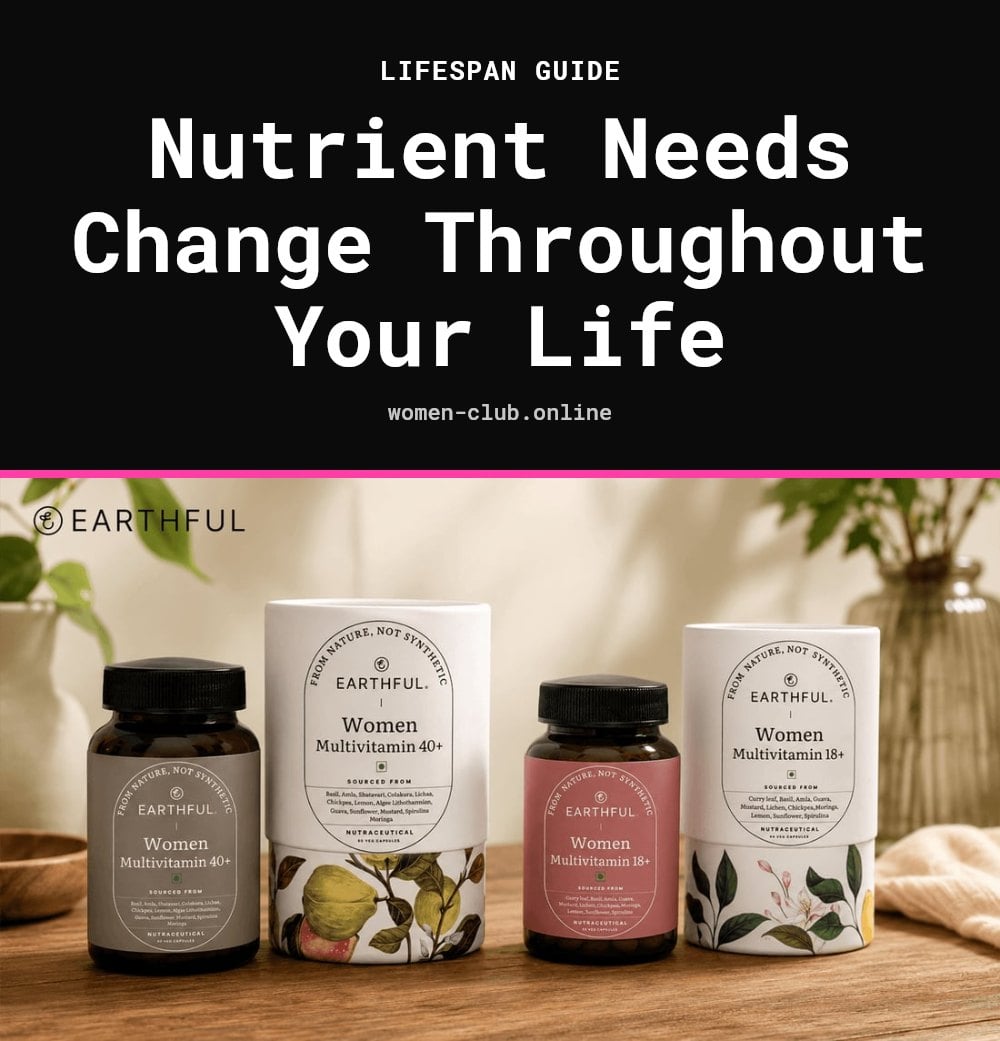
Your body’s nutritional demands change as you move through different decades. During your childbearing years, your system prioritizes nutrients that support reproductive health and a potential pregnancy. As you approach perimenopause, your focus naturally shifts. Hormonal changes can affect how your body absorbs and uses certain minerals, making bone health a bigger priority.
After menopause, the need for iron often drops because menstruation stops, but the importance of calcium and vitamin D for bone density rises. Your personal diet and lifestyle matter just as much as your age. If you eat a plant-based diet, you may need to pay extra attention to vitamin B12. If you spend little time in the sun, vitamin D levels can slip. Existing health conditions like celiac disease or thyroid disorders also change what your body needs.
Common Vitamin Supplements Women Consider
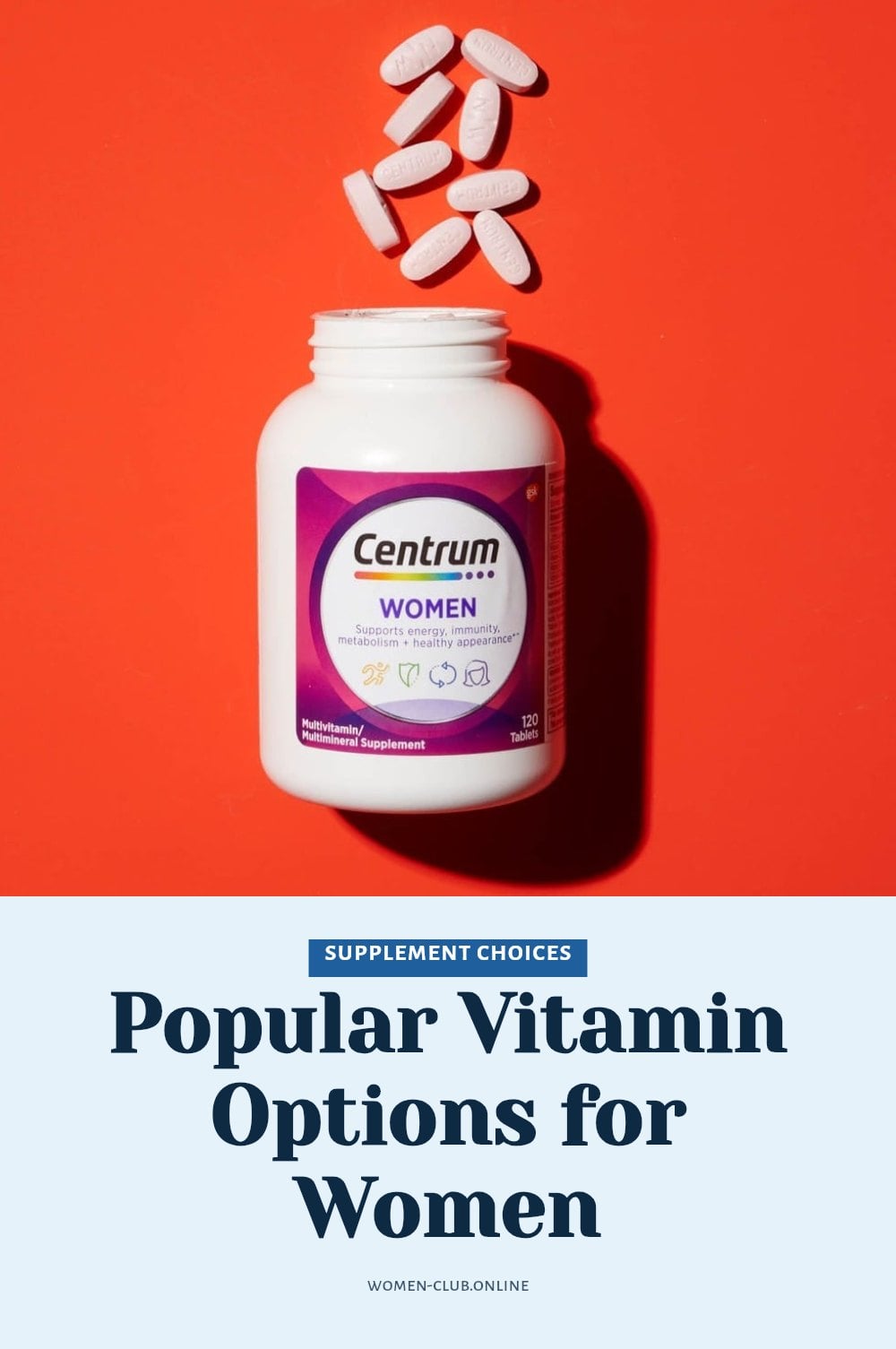
If you are thinking about supplements, here are the ones women most often consider and why.
- Folic acid: Essential if you could become pregnant, it helps prevent neural tube defects in early development.
- Iron: Often used to prevent or treat anemia, especially with heavy periods or during pregnancy.
- Vitamin D: Supports bone strength and immune function; many women have low levels.
- Calcium: Key for building and maintaining bone density throughout life.
- Vitamin B12: Important for energy and nerve health, particularly if you follow a vegetarian or vegan diet.
- Prenatal vitamins: A comprehensive blend with higher doses of folic acid, iron, and calcium for pregnancy.
- Multivitamins: A general baseline that can fill small gaps in your diet.
- Omega-3 fatty acids: Not a vitamin, but many women take them for heart and brain health.
Common Mistakes When Taking Vitamin Supplements
Assuming ‘natural’ means safe: Many people believe that because a supplement is labeled ‘natural,’ it cannot cause harm. This is not true. High doses of certain vitamins, especially fat-soluble ones like A, D, E, and K, can build up in your body and become toxic.
Taking multiple supplements with overlapping nutrients: You might take a multivitamin plus extra iron or vitamin D. This can easily push your intake into unsafe territory. Check labels carefully to avoid doubling up on the same vitamin or mineral.
Ignoring interactions with diet, lifestyle, and medications: Supplements can interact with prescription drugs, caffeine, or even alcohol. For example, vitamin K can interfere with blood thinners, and calcium can reduce the absorption of certain antibiotics. Always disclose your full supplement list to your doctor.
Using a one-size-fits-all approach: Your vitamin needs depend on your age, life stage, diet, and health conditions. Taking a generic multivitamin without considering these factors often leads to taking nutrients you do not need while missing the ones you do.
Failing to inform your healthcare provider: Not telling your doctor about every supplement you take can lead to dangerous drug interactions or missed diagnoses. Keep a written list and share it at every appointment.
Smart Strategies for Supplementing Your Diet
Prioritize whole foods: Supplements are meant to fill gaps, not replace a healthy diet. Focus on getting a wide range of nutrients from fruits, vegetables, whole grains, and lean proteins first. Food provides fiber and other compounds that pills cannot replicate.
Consult a professional: Before starting any new supplement, talk to your doctor or a registered dietitian. This is especially important if you have a chronic condition, take medications, or are pregnant or breastfeeding.
Choose third-party tested products: Look for supplements that carry a seal from organizations like USP, NSF International, or ConsumerLab. These verify that the product contains what the label says and is free from harmful contaminants.
Follow recommended dosages: More is not better. Stick to the dose listed on the label or the amount your healthcare provider recommends. Exceeding it can lead to toxicity or side effects.
Keep a record: Write down every supplement you take, including the dose and frequency. Share this list with your healthcare provider at each visit to ensure nothing is missed.
Be aware of interactions: Supplements can affect how prescription medications work. For instance, St. John’s wort can reduce the effectiveness of birth control pills, and vitamin E can increase the risk of bleeding if taken with blood thinners. Always disclose your full regimen to your doctor.
When to Talk to Your Doctor About Vitamins
You should talk to your doctor before starting any new vitamin or mineral supplement, especially if you have a pre-existing medical condition such as kidney disease, liver disease, or a bleeding disorder. If you are pregnant, breastfeeding, or planning to become pregnant, professional guidance is essential to ensure you and your baby get the right nutrients safely. Also consult your doctor if you experience unusual symptoms like nausea, fatigue, or skin changes after starting a supplement. If you take prescription medications, a check for potential interactions is necessary. Finally, if you follow a restrictive diet such as vegan or vegetarian, your doctor can help identify which supplements you may need to prevent deficiencies.
Frequently Asked Questions
Can I get all my necessary vitamins from food alone?
In an ideal world, yes. A balanced diet rich in fruits, vegetables, whole grains, and lean proteins can provide most of the vitamins and minerals you need. However, certain life stages like pregnancy or dietary restrictions like veganism can make it difficult to get enough of specific nutrients, which is where supplements can help fill the gap.
Are there any risks to taking too many vitamins?
Yes, there are risks. Taking high doses of fat-soluble vitamins like A, D, E, and K can cause toxicity because they build up in your body. Even water-soluble vitamins like B and C, which are usually excreted, can cause side effects in megadoses. Never exceed the recommended dosage unless your doctor advises it.
How do I choose a high-quality vitamin supplement?
Look for supplements that have been third-party tested for purity and potency. This means an independent organization has verified that what is on the label matches what is in the bottle. Also, buy from reputable sources and avoid unverified online sellers, since dietary supplements are not regulated by the FDA in the same way as prescription drugs.
When should I start taking prenatal vitamins?
If you are planning to become pregnant or could become pregnant, it is a good idea to start taking a prenatal vitamin with folic acid before conception. Folic acid is crucial in the very early weeks of pregnancy to prevent neural tube defects in the developing fetus, often before you even know you are pregnant.
What vitamins do women need at different ages?
During childbearing years, folic acid and iron are key. In pregnancy, a comprehensive prenatal vitamin is recommended. As you approach perimenopause and after menopause, calcium and vitamin D become more important for bone health, while iron needs may decrease. Your specific needs also depend on your diet and overall health, so it is best to discuss this with your doctor.
Final Thoughts
When it comes to vitamins, a personalized approach works best. Start by talking to your doctor or a registered dietitian about your specific life stage, diet, and health history. They can help you decide if a supplement is right for you and at what dosage. Keep in mind that supplements are meant to fill gaps, not replace a balanced diet, and it can take weeks or months of consistent use to see any benefit. Ultimately, the smartest move is to prioritize whole foods and use supplements only as a targeted tool under professional guidance.
This article is for informational purposes only and does not constitute medical advice. Vitamin and supplement needs vary greatly by individual. Always consult your doctor or a registered dietitian before starting any new supplement, especially if you are pregnant, breastfeeding, have a medical condition, or take prescription medications.