Waist Workout for Women: Core Moves for a Stronger Midsection

When you’re aiming for a stronger midsection, it’s easy to get caught up in the idea of shrinking your waist with just a few moves. I’ve seen plenty of routines that promise a tiny waist in days, but the real key is building core strength that supports your whole body. This article breaks down nine effective exercises for your waist workout and explains how to combine them with overall fat loss for real, lasting results.
Whether you want to improve your posture, reduce back pain, or simply feel stronger in your daily movements, these moves target the muscles that matter most. My tip is to focus on form over speed and pair your routine with a balanced diet and cardio for the best outcome.
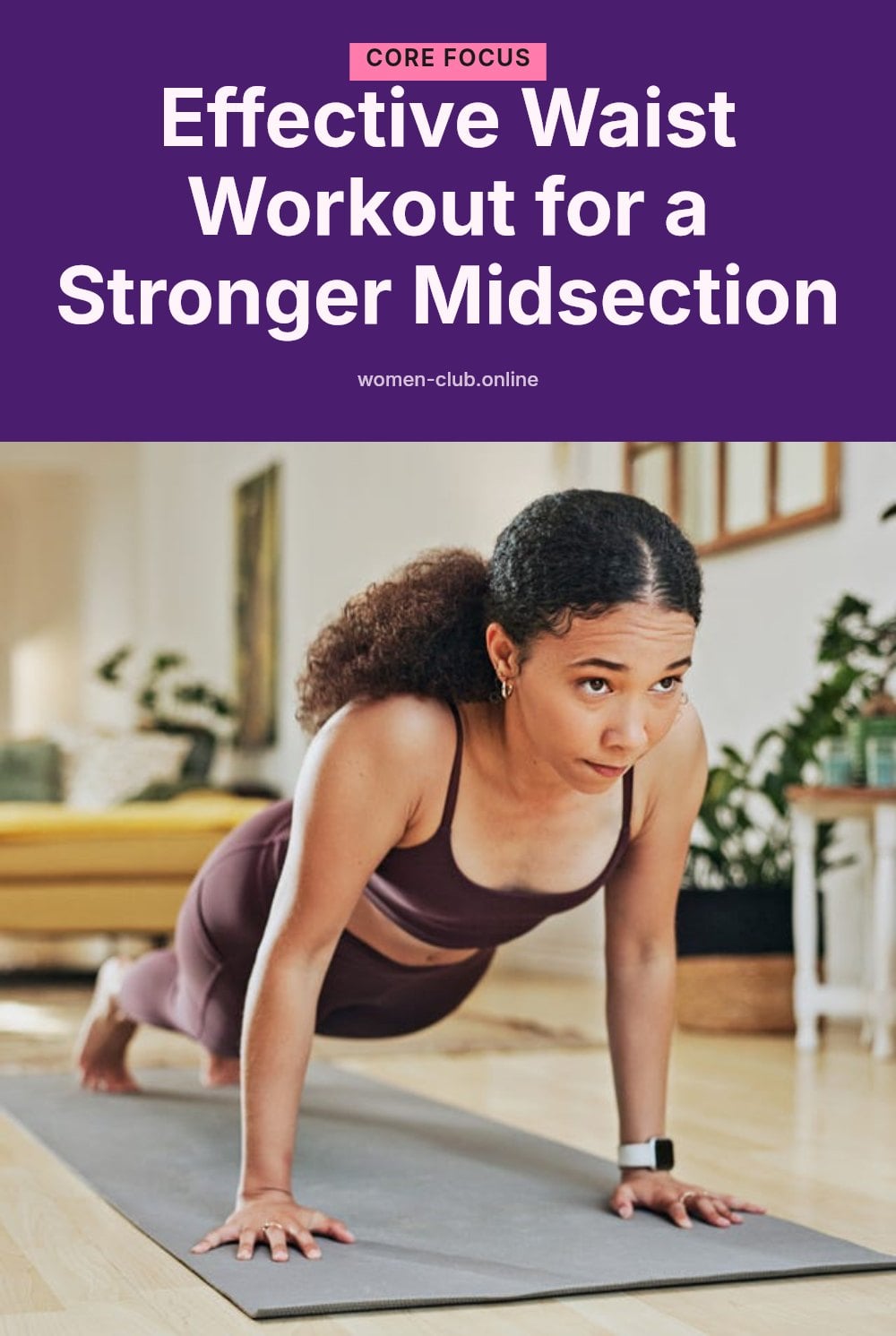
Key Takeaways
- Strengthen your core 2-4 times per week with exercises like planks and bicycle crunches.
- Remember that spot reduction is a myth; pair core work with overall fat loss for waist changes.
- Engage your transverse abdominis by drawing your navel toward your spine during moves.
- Avoid heavy weights on oblique exercises if you want to prevent widening your waist.
- Expect noticeable improvements in core strength and definition over several weeks to months.
1. Cat-Cow Stretch
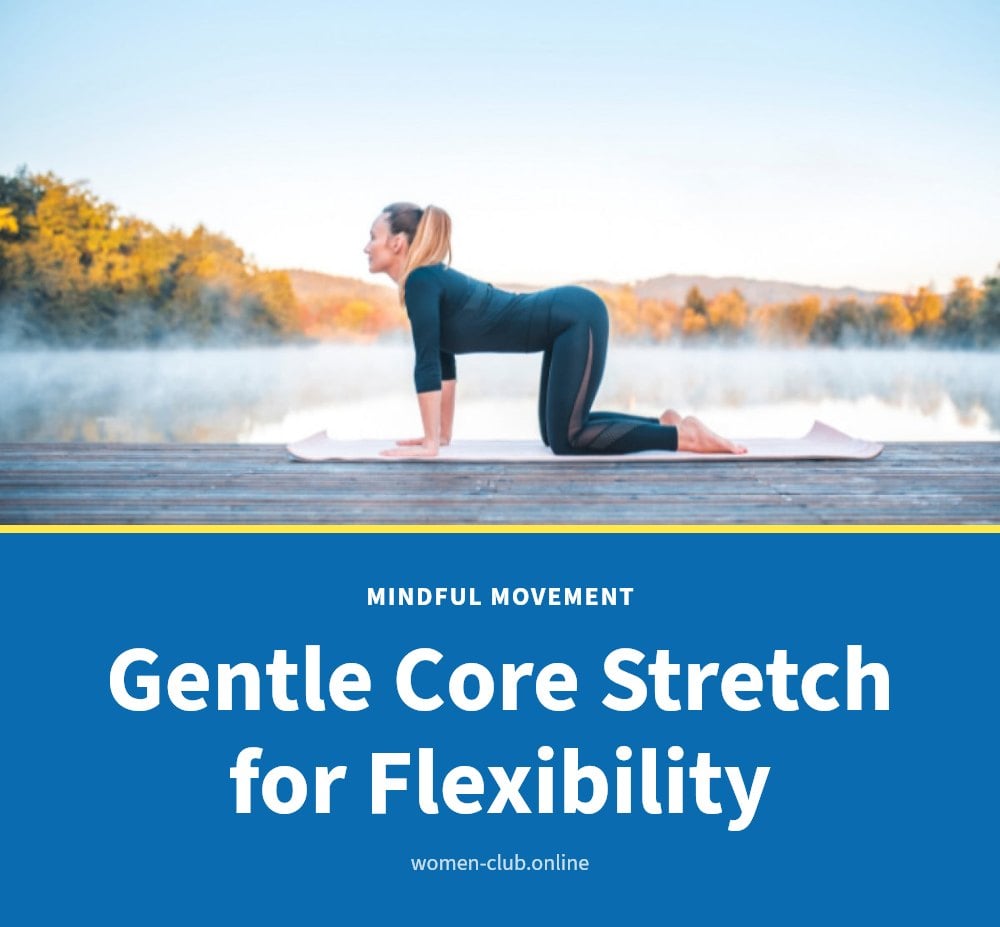
Begin on all fours with your hands directly under your shoulders and knees under your hips. Inhale as you drop your belly, lift your chest, and tilt your tailbone up into Cow pose. Exhale as you round your spine, tuck your chin, and tuck your tailbone under into Cat pose.
- Sets and reps: 10-12 slow repetitions.
- Form cue: Move with your breath, letting each inhale and exhale guide the motion.
- Make it easier or harder: Keep it gentle to warm up, or add a slight pause at the top of each pose for more stretch.
2. Forearm Plank
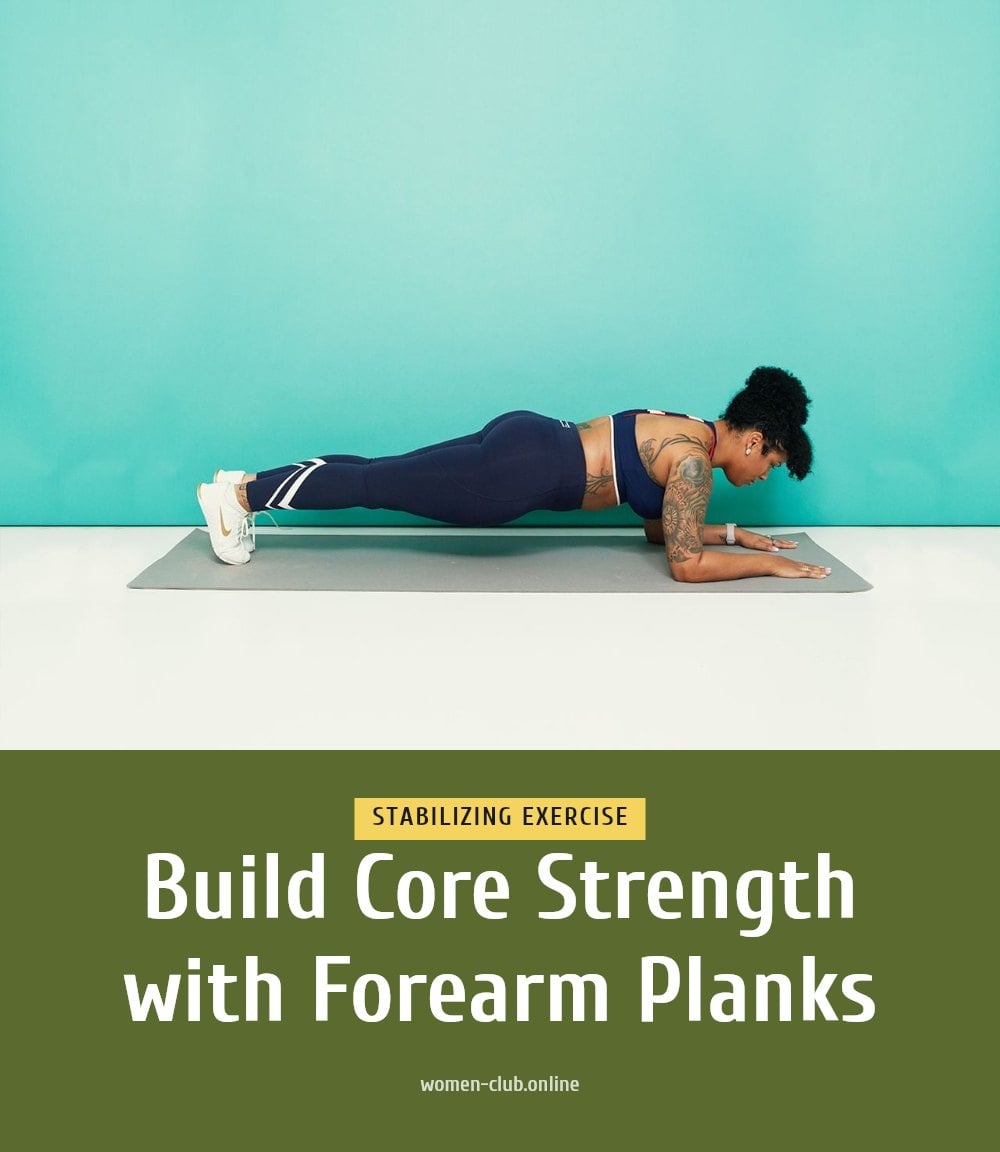
Set your forearms on the mat with elbows under shoulders, and extend your legs back so you’re on your toes. Draw your navel toward your spine to engage your deep core, and keep your body in a straight line from head to heels. Avoid letting your hips sag or pike up.
- Time: Hold for 30-60 seconds.
- Form cue: Squeeze your glutes and quads to keep your torso rigid.
- Make it easier or harder: Drop to your knees for less intensity, or lift one foot slightly for a challenge.
3. Side Plank
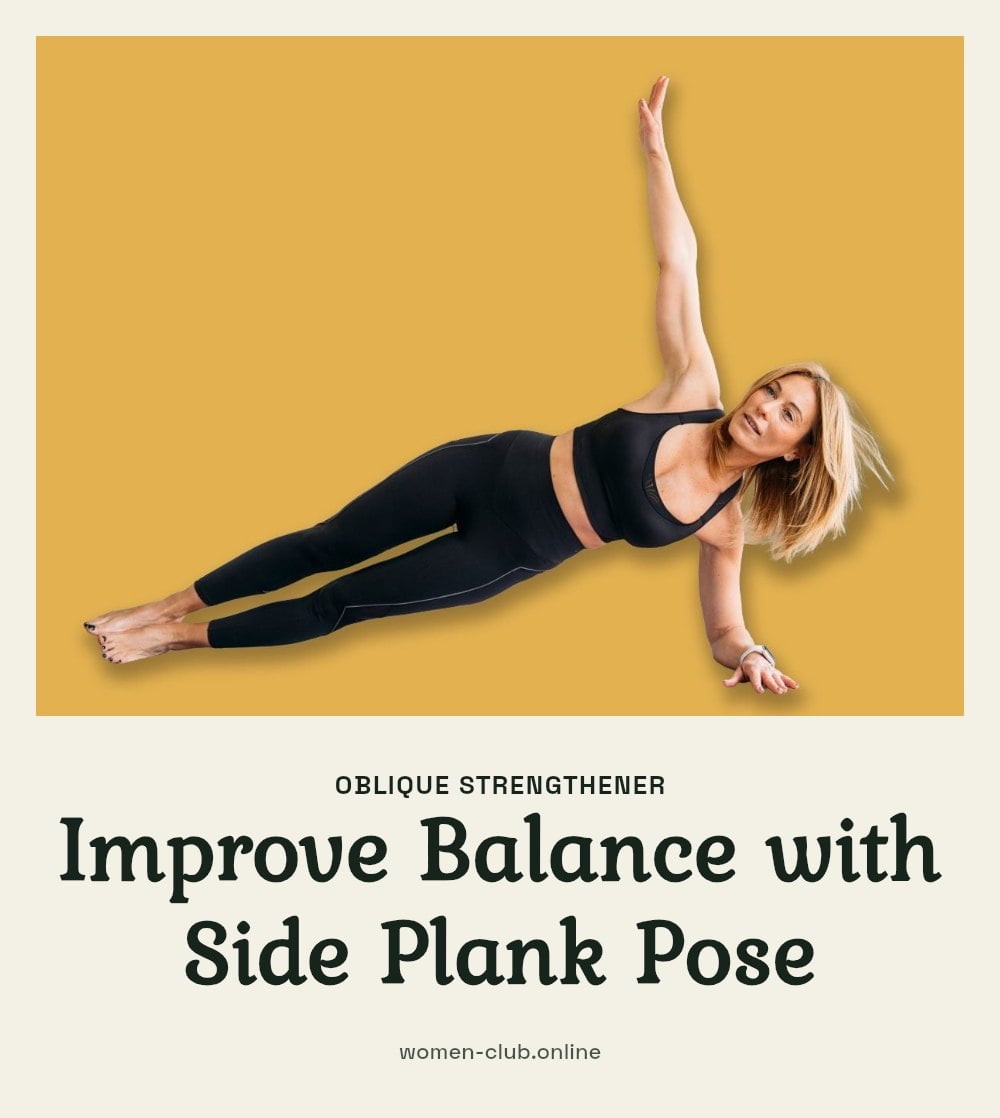
Lie on your side with your legs stacked and prop yourself up on your forearm, elbow directly under your shoulder. Lift your hips so your body forms a straight line from head to feet. This position targets your obliques, the muscles along the sides of your waist.
- Time: Hold for 20-40 seconds per side.
- Form cue: Keep your hips stacked and avoid letting them drop or rotate forward.
- Make it easier or harder: Bend your bottom knee for support, or raise your top leg for extra difficulty.
4. Russian Twists
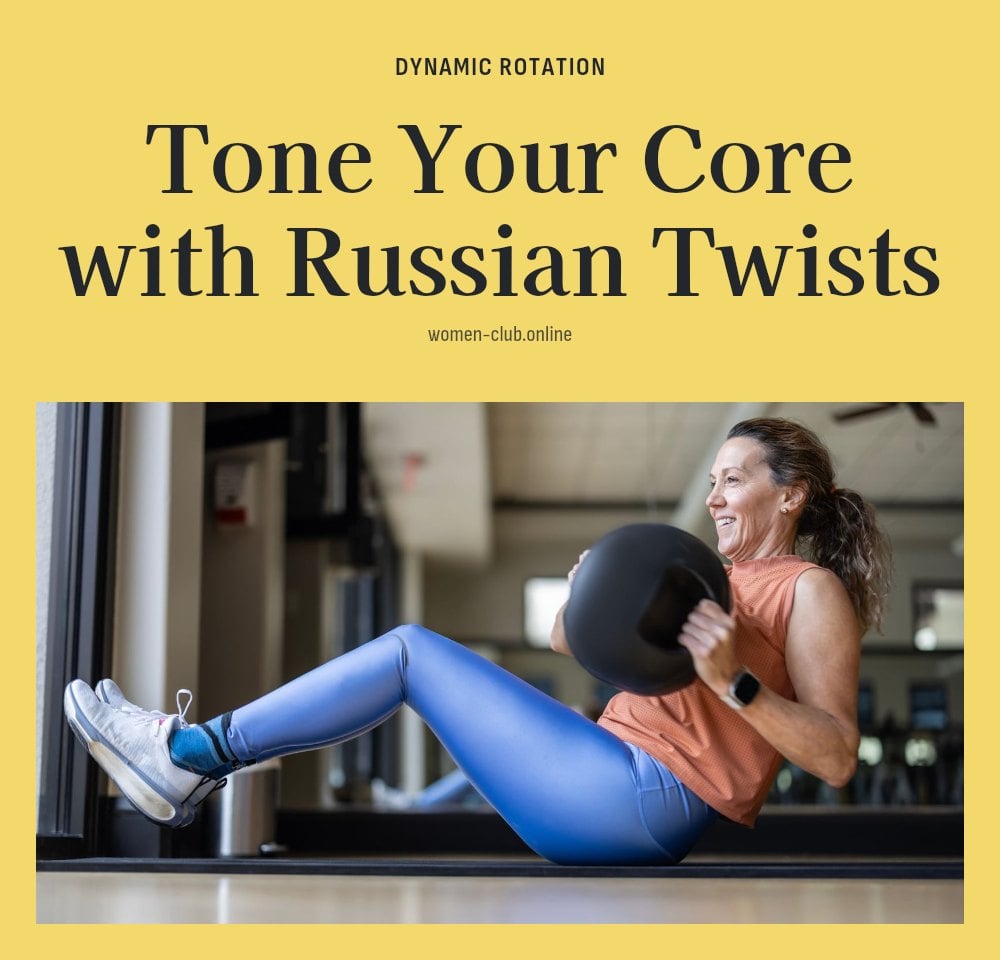
Sit with your knees bent and feet flat, then lean back slightly with a straight spine. Lift your feet off the floor and balance on your sit bones, clasping your hands together or holding a light weight. Twist your torso from side to side, tapping your hands or the weight to the floor beside your hips.
- Sets and reps: 10-15 twists per side (20-30 total).
- Form cue: Move slowly and with control, rotating from your ribcage rather than swinging your arms.
- Make it easier or harder: Keep your feet on the floor to start, or hold a light dumbbell for more resistance.
5. Bicycle Crunches
Lie on your back with your knees bent and feet lifted off the floor, hands placed lightly behind your head. Bring your right elbow toward your left knee while extending your right leg straight, then alternate sides in a smooth pedaling motion. Slow, controlled twists are key, rushing reduces core engagement.
- Sets and reps: 10-15 reps per side (20-30 total).
- Form cue: Keep your lower back pressed into the mat; don’t yank on your neck.
- Make it easier or harder: Keep feet on the floor for less challenge, or hold a light weight at your chest for more.
6. Dead Bug
Lie on your back with your arms extended toward the ceiling and your knees bent at 90 degrees over your hips. Slowly extend your right arm back and your left leg forward at the same time, keeping your lower back flat against the mat. Return to the start and alternate sides, focusing on stability rather than speed.
- Sets and reps: 8-12 reps per side.
- Form cue: Press your lower back into the floor throughout; if it arches, you’re moving too far.
- Make it easier or harder: Reduce the range of motion for an easier version, or hold a light weight in your hands for more resistance.
7. Bird-Dog
Start on all fours with your hands under your shoulders and knees under your hips. Simultaneously extend your right arm forward and your left leg straight back, keeping your core tight and hips level. Return to the starting position and switch sides, avoiding any rotation in your torso.
- Sets and reps: 8-12 reps per side.
- Form cue: Imagine a glass of water balanced on your lower back, don’t let it tip.
- Make it easier or harder: Keep the movement small and controlled for a beginner version, or add a 2-second hold at full extension for a challenge.
8. Standing Oblique Crunches
Stand tall with your feet hip-width apart and your hands behind your head. Lift your right knee toward your right elbow, crunching your side as you bring them together. Focus on using your obliques to pull your elbow and knee closer, then lower and repeat on the other side.
- Sets and reps: 10-15 reps per side.
- Form cue: Keep your torso upright and avoid leaning to the side; the movement comes from your ribs and hip.
- Make it easier or harder: Touch your knee to your elbow lightly for a gentler version, or add a light dumbbell in the hand on the working side for more resistance.
Your Weekly Waist Workout Plan
This plan combines the exercises above into a balanced core routine. Perform it 2-4 times per week, with at least one rest day between sessions. Always warm up for 5 minutes with light cardio and dynamic stretches, and cool down with gentle static stretches afterward.
| Day | Exercises | Sets & Reps |
|---|---|---|
| Day 1 | Cat-Cow, Forearm Plank, Side Plank, Dead Bug | 2 sets, reps as listed |
| Day 2 | Rest or light cardio | |
| Day 3 | Russian Twists, Bicycle Crunches, Bird-Dog, Standing Oblique Crunches (bodyweight only) | 2 sets, reps as listed |
| Day 4 | Rest or active recovery | |
| Day 5 | Full core circuit: all 8 exercises (bodyweight only) | 1-2 sets each |
| Day 6-7 | Rest or light activity |
Adjust the number of sets based on your fitness level. The goal is consistency, not perfection. As you get stronger, increase reps or add a third set. Using bodyweight for oblique exercises helps avoid unwanted muscle growth on the sides of the waist.
Common Waist Workout Mistakes to Avoid
Even with the right exercises, certain habits can slow your progress or increase injury risk. Here are the most common mistakes to watch for.
- Believing in spot reduction: You cannot lose fat from your waist alone by doing core exercises. A strong core combined with overall fat loss through diet and cardio is the real key to reducing waist circumference.
- Neglecting the transverse abdominis: Many people focus only on the six-pack muscles. Exercises like planks and dead bugs are crucial for the deep core muscles that act like a natural corset, pulling in the abdominal wall.
- Using momentum instead of muscle: Swinging through exercises like Russian twists or bicycle crunches reduces core engagement. Slow, controlled movements are far more effective for targeting the muscles you want.
- Holding your breath: Proper breathing is essential. Exhale on exertion to deepen core engagement and prevent unnecessary strain.
- Over-training obliques with heavy weights: If your goal is a smaller waist, avoid heavy weights for oblique exercises, as they can promote muscle growth and widen the waist. Light weights or bodyweight may be acceptable for some moves, but heavy loading is best left for other goals.
Frequently Asked Questions
How often should I do a waist workout?
You should perform a waist workout 2 to 4 times per week, with at least one rest day between sessions. This frequency allows your core muscles to recover and grow stronger without overtraining. Consistency matters more than intensity, so stick with a schedule that fits your week.
Can waist workouts help with back pain?
Yes, strengthening your core muscles, including the deep transverse abdominis and obliques, can improve posture and reduce strain on your lower back. Many people find that regular core work eases mild back pain. However, if you have existing back issues, consult a doctor or physical therapist before starting a new routine.
What is the transverse abdominis and why is it important?
The transverse abdominis is the deepest abdominal muscle, wrapping around your torso like a natural corset. Strengthening it helps pull in your abdominal wall, improves core stability, and supports better posture. Exercises like planks and dead bugs effectively target this muscle.
Should I use weights for oblique exercises?
It depends on your goal. Light weights or resistance bands can add challenge to moves like Russian twists. But if your aim is to avoid making your waist appear wider, skip heavy weights for oblique exercises, as excessive hypertrophy in those muscles may increase waist size for some people.
How long until I see results from a waist workout?
You may feel stronger and notice better posture within a few weeks of consistent training. Visible changes in waist size take longer and depend on overall fat loss, which varies by person. With regular core work, a calorie-controlled diet, and cardio, many people see noticeable improvements over several weeks to months.
Final Thoughts
For the best approach to a stronger waist, stick with a routine that includes compound core exercises like forearm planks and dead bugs, and aim for 2-4 sessions per week. Realistic expectations matter here: you’ll likely see improvements in posture and core endurance within a few weeks, but changes in waist size depend on overall fat loss, which takes consistent diet and cardio effort over several months. Stay patient, keep your form solid, and let your core strength be your main goal.
This article provides general information about core exercises and fitness routines and is not a substitute for professional medical or fitness advice. If you have pre-existing back pain, injuries, or specific health conditions, consult a doctor or physical therapist before starting a new workout program. Results vary based on individual factors such as body composition and overall lifestyle.








