If your skin craves deep, lasting moisture that lotions just can’t deliver, making your own whipped body butter is a game changer. This recipe uses a simple blend of natural butters and oils to create a rich, protective barrier that locks in hydration without any synthetic additives. I’ll walk you through everything from choosing the right ingredients to whipping up a fluffy, customized cream that leaves your skin feeling soft and nourished.
Key Takeaways
- Use a 1 part solid butter to 1/2 part liquid oil ratio for a balanced, spreadable consistency.
- Always melt butters and oils gently in a double boiler to preserve their nutrients.
- Let the mixture cool completely (1-2 hours) before whipping to avoid a grainy or liquid texture.
- Store your body butter in an airtight container in a cool, dark place for up to 3-6 months.
- Apply to slightly damp skin after a shower to seal in moisture effectively.
Why This Whipped Body Butter Recipe Works Wonders
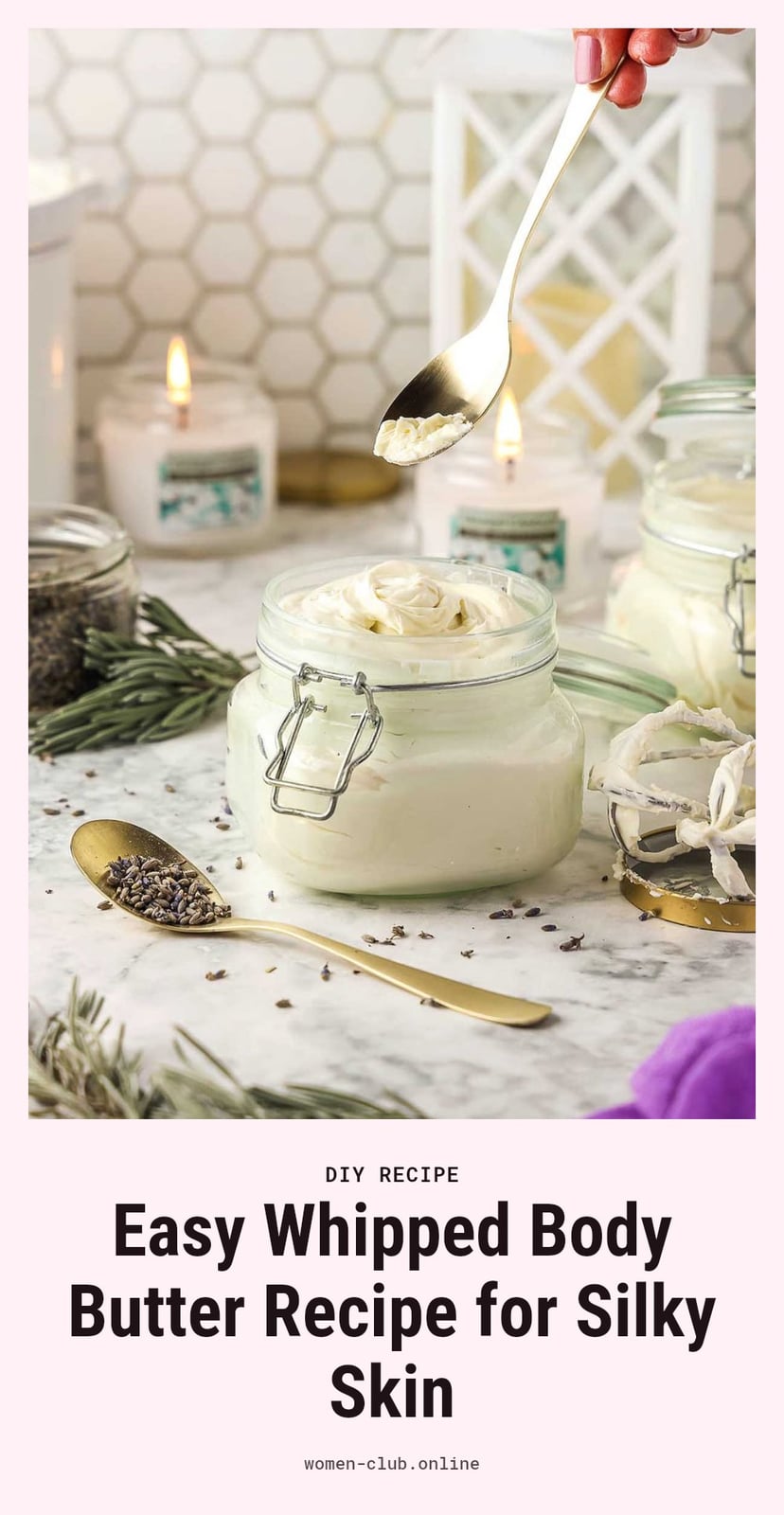
This whipped body butter recipe packs a high concentration of natural butters and oils, like unrefined shea butter, for intense, long-lasting hydration. The anhydrous (water-free) formula creates a protective barrier on your skin that locks in moisture effectively. Whipping the mixture incorporates air, giving it a light, fluffy texture that absorbs beautifully without the heavy feel of many commercial products.
Ingredients for Your DIY Whipped Body Butter
This recipe yields about 8 oz of whipped body butter, perfect for one standard jar.
- 1/2 cup unrefined shea butter deeply moisturizes and soothes dry skin.
- 1/4 cup coconut oil adds spreadability and antimicrobial benefits.
- 2 tbsp sweet almond oil rich in vitamins for nourishment.
- 1 tbsp jojoba oil mimics skin’s natural sebum for balance.
- 15-20 drops essential oil optional, for fragrance and skin benefits.
Step-by-Step: Crafting Your Luxurious Whipped Body Butter
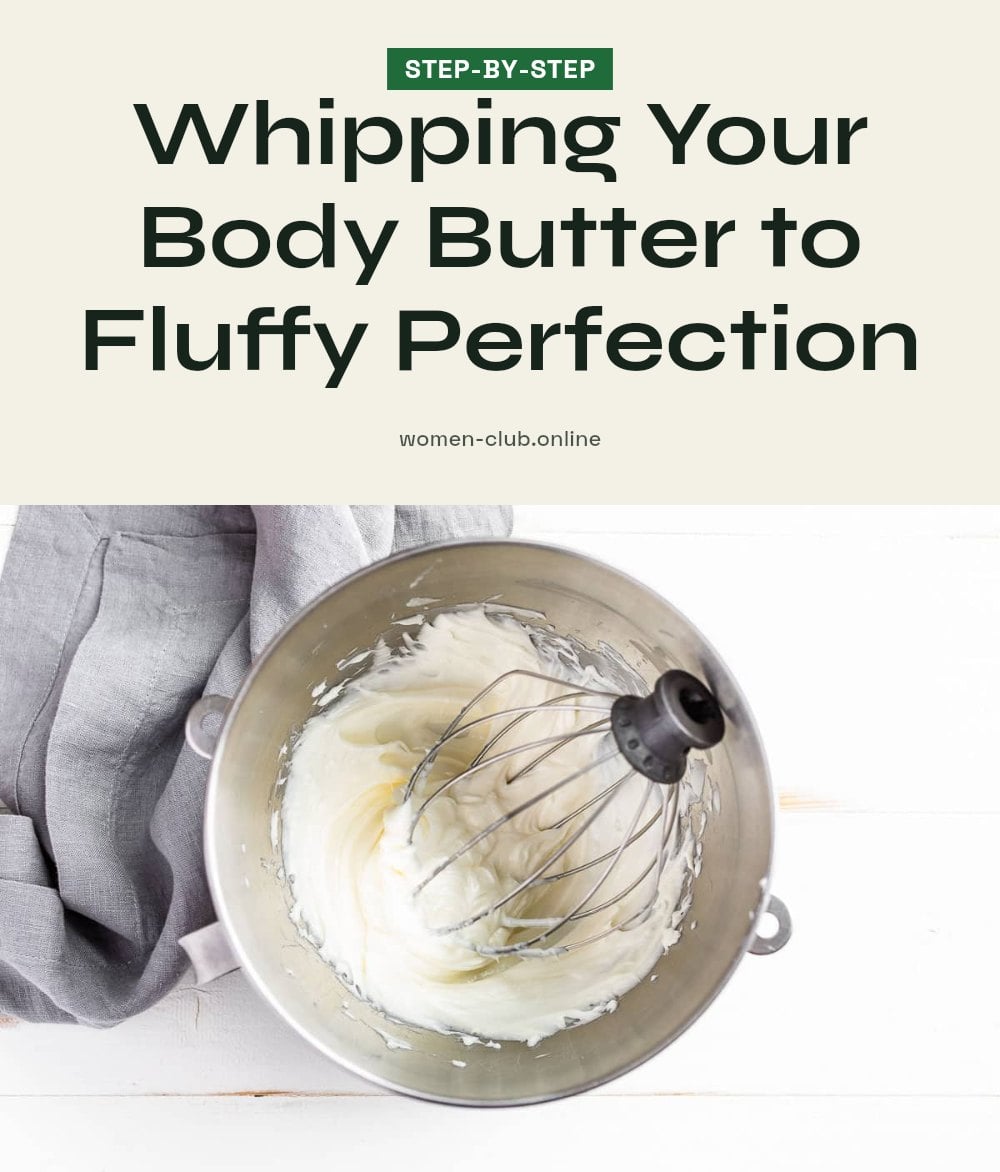
Making your own whipped body butter takes about 20-30 minutes of active time, plus 1-2 hours of cooling.
- Melt the butters and oils: Place the shea butter and coconut oil in a double boiler over simmering water. Stir gently until fully melted, then remove from heat. This gentle method preserves their nutrients.
- Cool the mixture: Let the melted blend sit at room temperature for 1-2 hours until it becomes opaque and starts to solidify around the edges. For faster cooling, pop it in the fridge for 30-40 minutes, but watch it closely so it doesn’t harden completely.
- Whip until fluffy: Transfer the cooled mixture to a mixing bowl. Using an electric hand mixer, whip on medium-high speed for 3-5 minutes until it’s light and fluffy, resembling frosting. Scrape down the sides as needed.
- Add essential oils: Once whipped, add your chosen essential oils (15-20 drops) and mix on low speed for 10 seconds to combine. Spoon the body butter into an airtight jar and store in a cool, dark place.
If you learn better by watching, this 4-minute video from abetweene shows every step.
Top Tips for Perfect Whipped Body Butter
For the best results with your homemade body butter, keep these tips in mind.
- Use unrefined butters: Always choose high-quality, unrefined shea or cocoa butter for maximum skin benefits and nutrients.
- Apply to damp skin: Smooth the butter onto slightly damp skin after a shower to lock in moisture effectively.
- Patch test essential oils: Before full application, test a small area of skin with your chosen essential oil blend to avoid irritation.
- Melt gently: Never overheat your butters and oils; gentle melting in a double boiler preserves their beneficial properties.
Customizing Your Body Butter: Variations and Add-ins
Customizing Your Body Butter: Variations and Add-ins
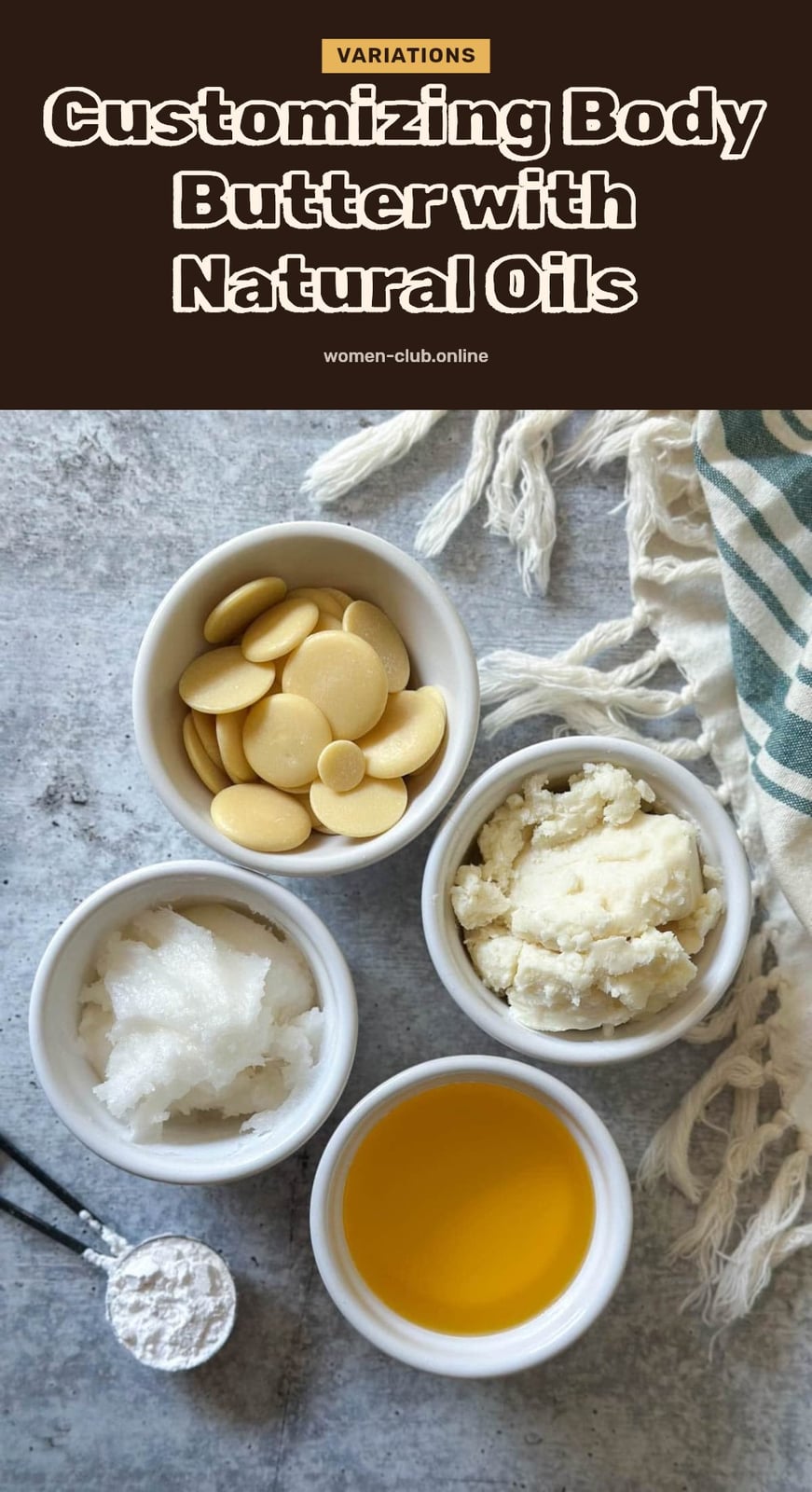
Swap shea butter for cocoa or mango butter to change the texture and skin benefits. Cocoa butter gives a firmer bar, while mango butter is lighter and absorbs faster. Adjust the ratio of solid butter to liquid oil: more butter makes a firmer body butter, more oil makes a softer, more spreadable one. For a less greasy feel, mix in 1-2 teaspoons of arrowroot powder or cornstarch per 8 ounces. Try carrier oils like jojoba, avocado, or sweet almond oil for extra nourishment. Each oil brings its own fatty acid profile, so you can tailor the recipe to your skin type.
Storing Your Homemade Body Butter for Freshness
Storing Your Homemade Body Butter for Freshness
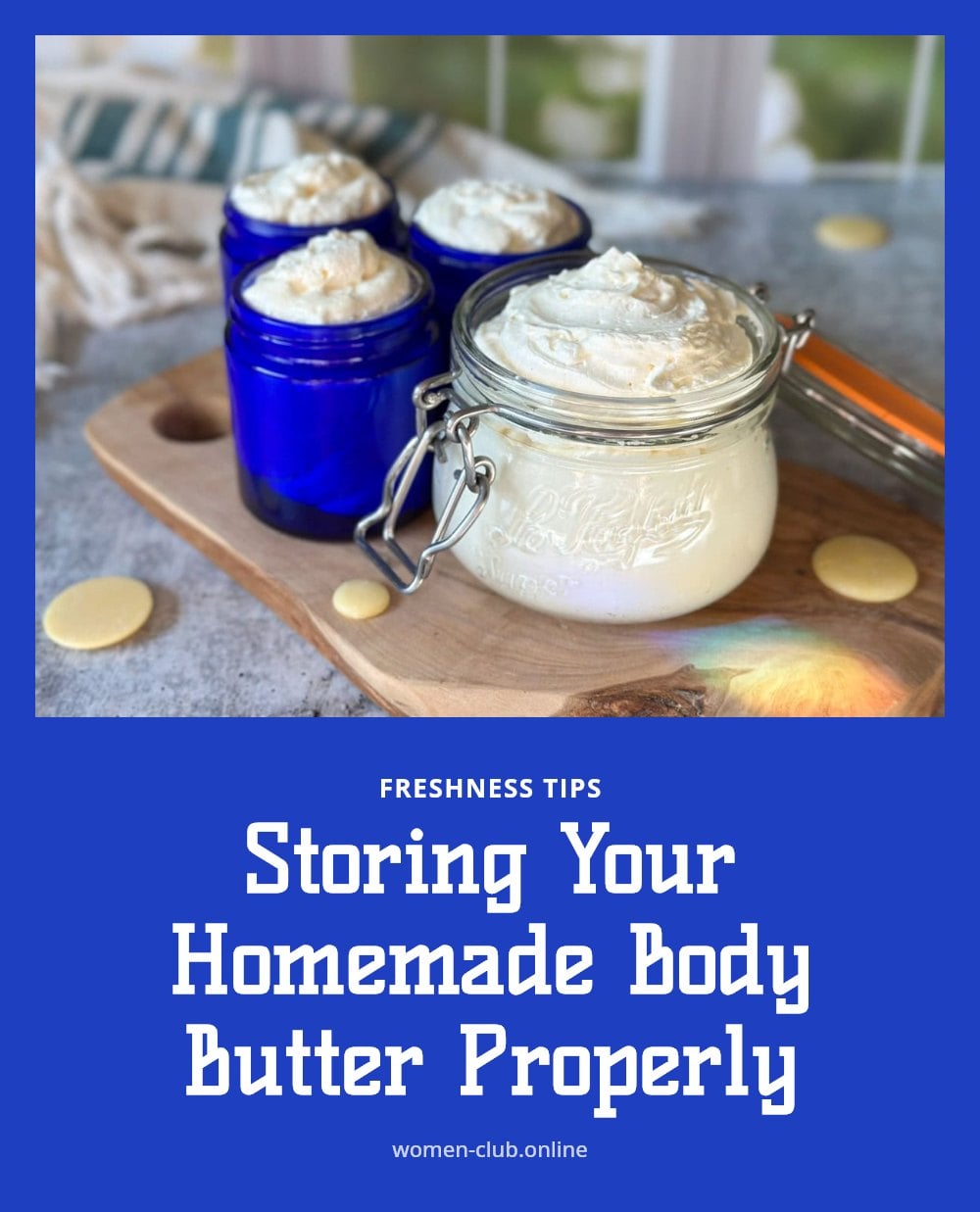
Store your body butter in an airtight container to prevent oxidation and contamination. Keep it in a cool, dark place away from direct sunlight or heat, which can melt it and ruin the whipped texture. Never introduce water into the container, since this anhydrous product can then grow bacteria. Without preservatives, homemade body butter typically lasts 3-6 months, depending on ingredient freshness. If it smells off or changes color, discard it.
Common Mistakes to Avoid When Making Body Butter
Common Mistakes to Avoid When Making Body Butter
Whipping too soon: If you whip the mixture while it is still warm, it will stay liquid or turn grainy. Let it cool completely or almost completely first. Adding too much liquid oil: Too much oil makes the body butter soft, greasy, or unable to whip. Stick to a ratio of roughly 1 part solid butter to 1/2 part liquid oil. Introducing water: Water in an anhydrous product leads to bacterial growth and spoilage. Keep all utensils and containers bone dry. Overheating ingredients: High heat destroys the beneficial properties of butters and oils. Melt them gently using a double boiler.
Frequently Asked Questions
Can I use other butters instead of shea butter?
Yes, you can swap shea butter for cocoa butter or mango butter. Cocoa butter gives a firmer bar, while mango butter is lighter and absorbs faster. Just be aware that each butter has a different texture and melting point, so you may need to adjust the cooling time slightly.
How can I make my body butter less greasy?
Add a small amount of arrowroot powder or cornstarch to the cooled mixture before whipping. Start with 1 teaspoon per 8 ounces of butter and blend well. This helps reduce the greasy feel without compromising the moisturizing benefits.
Is it safe to use essential oils in homemade body butter?
Yes, but they must be used in low concentrations and never applied undiluted. Always research the safety of each essential oil for topical use and perform a patch test on a small area of skin before full application. If irritation occurs, discontinue use immediately.
What is the difference between body butter and lotion?
Body butter is an anhydrous (water-free) product made primarily from natural butters and oils, creating a thick, protective barrier. Lotion contains water and emulsifiers, making it lighter and faster-absorbing. Body butter is ideal for very dry skin or areas needing intense hydration.
Why did my whipped body butter turn grainy?
Graininess usually happens if you whip the mixture while it is still too warm. The butters recrystallize unevenly, creating a gritty texture. Let the melted mixture cool completely (or almost completely) before whipping to ensure a smooth, fluffy result.
Final Thoughts
For the best results, stick with the base recipe of shea butter, coconut oil, and sweet almond oil on your first try. You can expect immediate hydration that improves with regular use, but remember that homemade body butter has a shorter shelf life than commercial products. My tip: keep a jar in your bathroom and apply it right after toweling off for the smoothest, most effective moisture lock.
This information is for general informational purposes only and does not constitute medical or professional advice. Always perform a patch test before using new ingredients on your skin, and consult a dermatologist or healthcare provider if you have a persistent skin condition or serious concern.