Whole30 Prep Checklist: How to Get Ready Before Day One

Starting Whole30 can feel like a big leap, but the key to making it through the full 30 days is solid preparation before day one. This checklist walks you through everything from understanding the rules to stocking your kitchen and planning your meals, so you can set yourself up for success without the overwhelm.
My tip: Treat your prep like a project. The more you do now, the smoother the next 30 days will be.
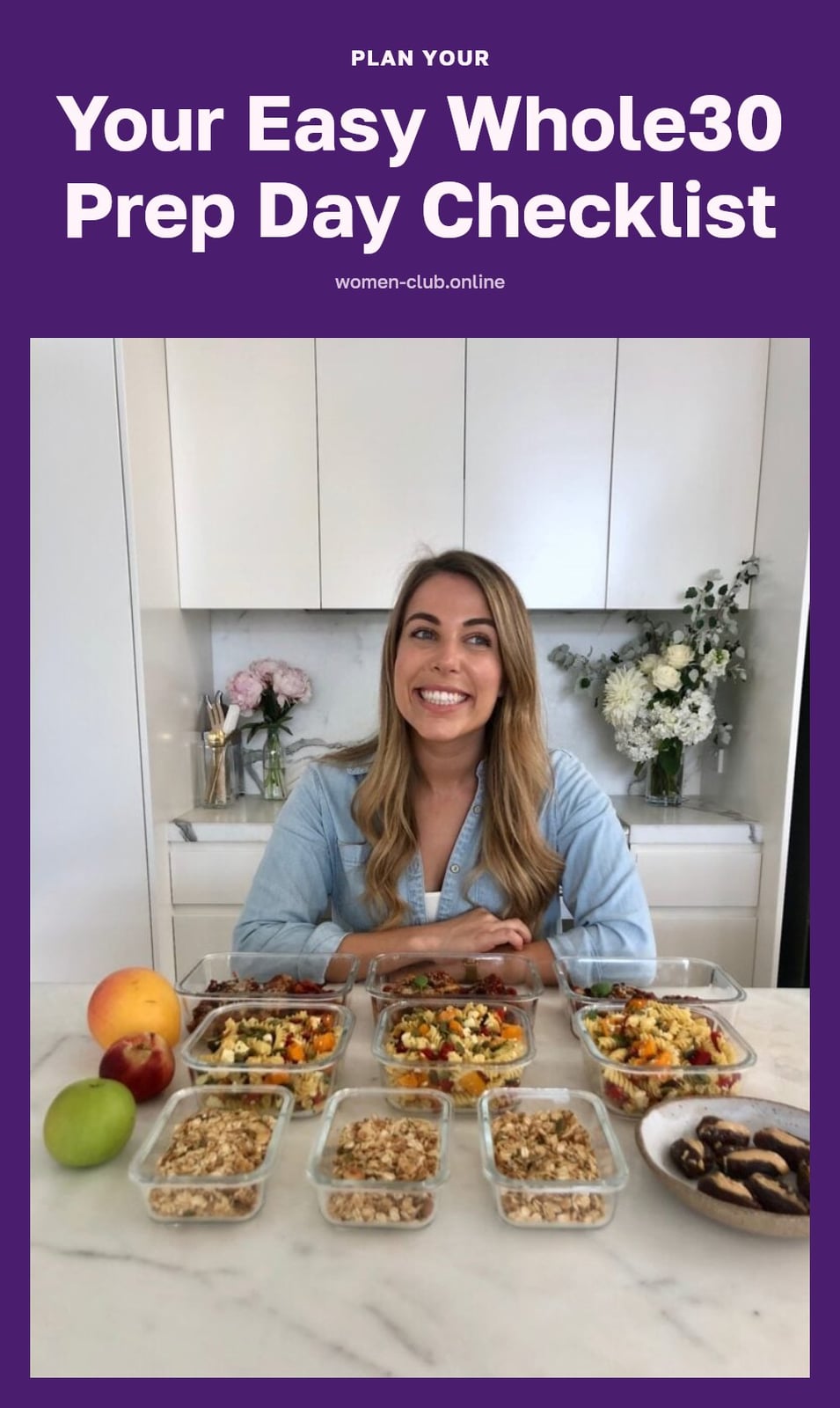
Key Takeaways
- Clear your kitchen of all non-compliant foods to reduce temptation.
- Read the official Whole30 rules thoroughly before you start.
- Plan and prep your meals for the entire week to avoid last-minute slip-ups.
- Inform family and friends about your commitment for support.
- Prepare for potential withdrawal symptoms like fatigue or headaches in the first week.
Your Essential Whole30 Prep Checklist for Success
Success on Whole30 starts before day one. Thorough preparation means understanding the rules, clearing your kitchen of non-compliant foods, stocking up on approved ingredients, and creating a solid meal plan. My tip: Think of preparation as your foundation. It minimizes stress and temptation once the 30 days begin. Don’t skip this crucial phase.
Understanding the Whole30 Rules
Before you start, get familiar with the core rules. These guidelines keep you on track and help you get the full benefit of the program.
- Read the official Whole30 rules and guidelines thoroughly.
- Follow the ‘no scale’ rule for the entire 30 days.
- Understand the reintroduction phase after the elimination period.
- Eat only whole, unprocessed foods for 30 days.
- Avoid all added sugar, real or artificial.
- Eliminate alcohol completely during the program.
- Remove all grains from your diet.
- Cut out legumes, including peanuts and soy.
- Skip dairy products of any kind.
- Avoid additives like carrageenan, MSG, and sulfites.
- Do not try to recreate non-compliant treats with approved ingredients.
- Commit to the full 30 days without any resets.
Pantry Purge and Stocking Up
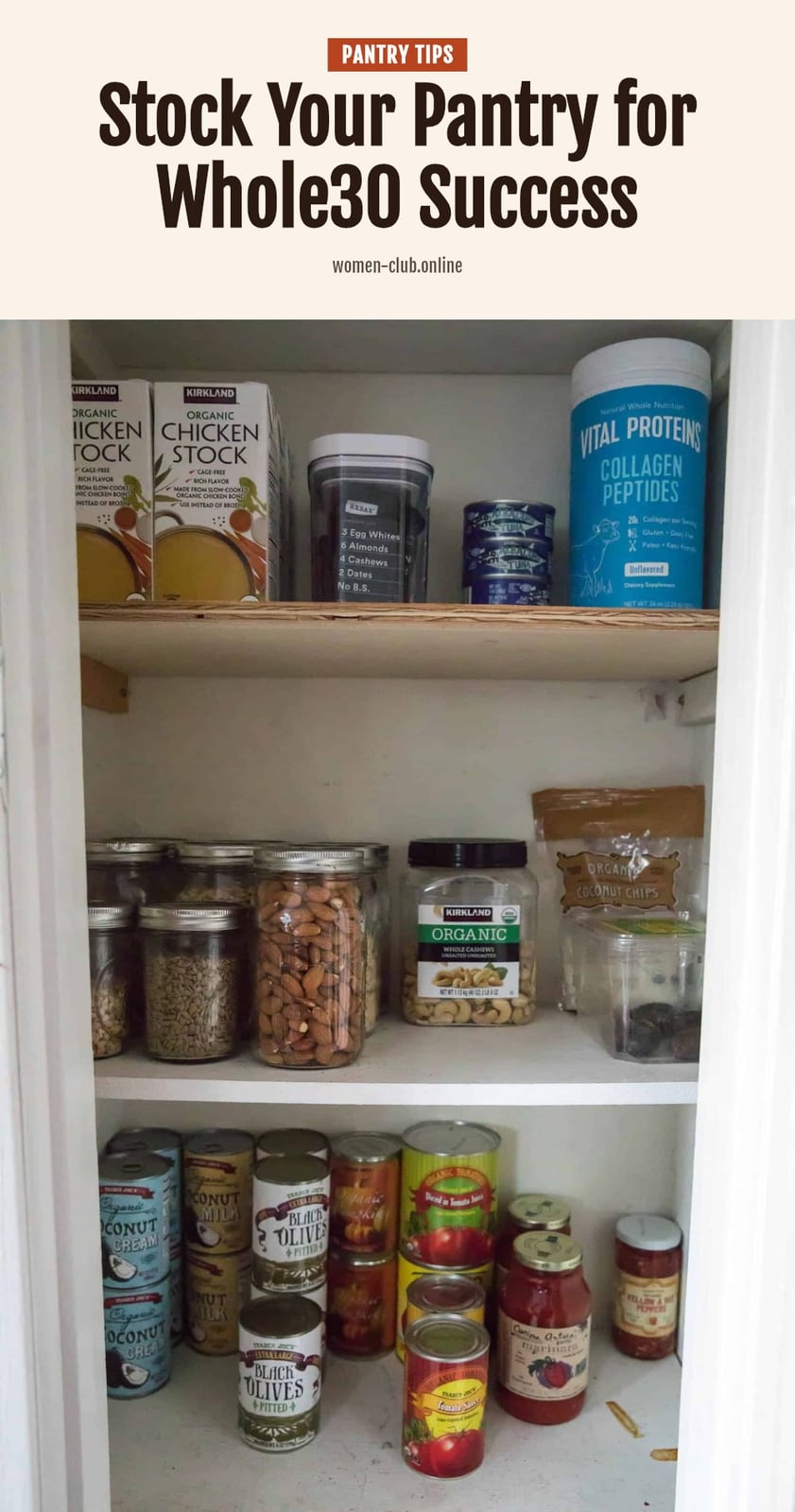
Your kitchen is your launchpad. Clearing out tempting foods and stocking up on compliant ingredients minimizes slip-ups and makes daily cooking easier.
- Clear your pantry and refrigerator of all non-compliant items.
- Create a master grocery list of Whole30-compliant foods.
- Stock up on compliant meats, seafood, and eggs.
- Load up on fresh and frozen vegetables.
- Include a variety of fresh and frozen fruits.
- Choose healthy fats like olive oil, avocado, and coconut.
- Ensure you have essential herbs and spices on hand.
- Check labels for hidden sugars and prohibited additives.
- Remove any alcohol, including cooking wines.
- Donate or store non-compliant items out of sight.
- Buy compliant broths and canned goods with no additives.
- Keep compliant nuts and seeds for snacks.
Meal Planning and Prep Strategies
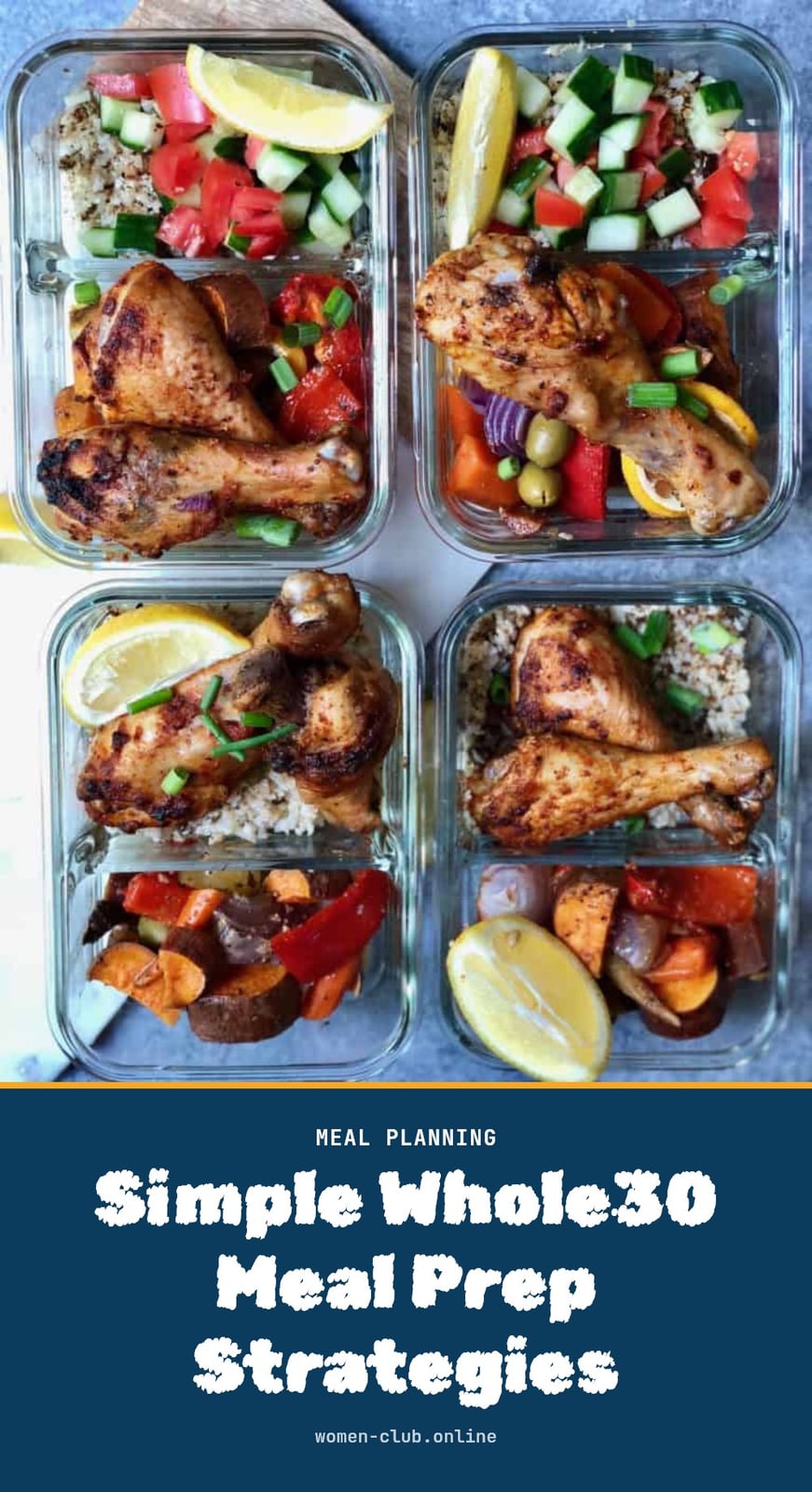
Meal planning and prepping are the backbone of Whole30 success. A sustainable plan keeps you satisfied and prevents last-minute compromises.
- Plan your meals and snacks for the entire week.
- Find Whole30-compliant recipes you genuinely enjoy.
- Dedicate a specific day for meal prepping each week.
- Prepare compliant emergency snacks for when you are out.
- Focus on whole ingredients rather than relying on packaged items.
- Batch-cook proteins like chicken, beef, or eggs.
- Chop and store vegetables for quick cooking.
- Make large batches of soups or stews to freeze.
- Portion out snacks into grab-and-go containers.
- Include a source of protein, fat, and vegetables in every meal.
- Try new recipes each week to avoid boredom.
- Keep a running list of meals that worked well.
Essential Tools and Kitchen Setup

Having the right kitchen tools makes Whole30 cooking smoother and less stressful.
- Adequate food storage containers for batch-cooked meals
- Whole30-specific cookbook or reliable online recipe source
- Sharp chef’s knife and paring knife
- Large and small cutting boards (one for produce, one for meat)
- Good-quality pots and pans (non-stick or stainless steel)
- Meal planning app or journal for weekly organization
- Vegetable peeler and spiralizer for easy veggie prep
- Immersion blender or food processor for sauces and soups
- Sheet pans and baking dishes for roasting vegetables and proteins
- Digital kitchen scale for precise ingredient portions
- Mesh strainer or colander for rinsing produce and draining
- Reusable silicone bags or beeswax wraps for storing leftovers
Mindset and Support System
Whole30 is as much a mental challenge as a physical one, so prepare your mindset and enlist support.
- Inform family and friends about your commitment to Whole30
- Find a support system or accountability partner for check-ins
- Prepare for potential ‘carb flu’ or withdrawal symptoms in the first week
- Commit to staying hydrated by drinking plenty of water daily
- Understand that Whole30 is a reset, not a weight-loss diet
- Set a clear personal reason for doing the program
- Plan for non-food rewards to celebrate small milestones
- Remove scale from your bathroom to honor the no-weigh rule
- Identify triggers and plan coping strategies for cravings
- Schedule stress-reducing activities like walks or meditation
- Read success stories or join an online community for motivation
- Remind yourself that 30 days is temporary for long-term insight
Frequently Asked Questions
Can I drink coffee on Whole30?
Yes, black coffee is allowed on Whole30. Just make sure you don’t add any dairy, sugar, or non-compliant creamers. You can drink it plain or with a compliant milk alternative like unsweetened almond milk.
What if I accidentally eat a non-compliant food?
If you accidentally eat something non-compliant, you need to restart the 30 days from the beginning. Even a small slip-up resets the program, so it’s important to read labels carefully and stay vigilant.
Is Whole30 suitable for vegetarians or vegans?
Whole30 can be challenging for vegetarians or vegans because it relies heavily on animal proteins like meat, seafood, and eggs. While you can focus on plant-based proteins like nuts and seeds, it may be difficult to meet nutritional needs. Consult a healthcare professional before starting if you follow a vegetarian or vegan diet.
How do I manage social events during Whole30?
Plan ahead by eating before you go or bringing a compliant dish to share. Inform the host about your dietary needs if possible. Stick to simple options like plain meat or vegetables, and avoid alcohol, which is not allowed.
What are common withdrawal symptoms on Whole30?
Many people experience what’s called ‘carb flu’ in the first week, which can include fatigue, headaches, irritability, or cravings. These symptoms are normal as your body adjusts to cutting out sugar and processed foods. Stay hydrated and rest as needed.
Final Thoughts
My main recommendation is to focus on the reintroduction phase after the 30 days, since that’s where you’ll learn which foods work for you. Expect the first week to be the hardest as your body adjusts, but it gets easier. If you stick with it, you’ll finish with a clearer sense of how different foods affect you.
This content is for general informational purposes only and does not constitute medical or professional advice. Always consult a healthcare professional before starting any new diet or exercise program, especially if you have pre-existing medical conditions, are pregnant, breastfeeding, or taking medications.








