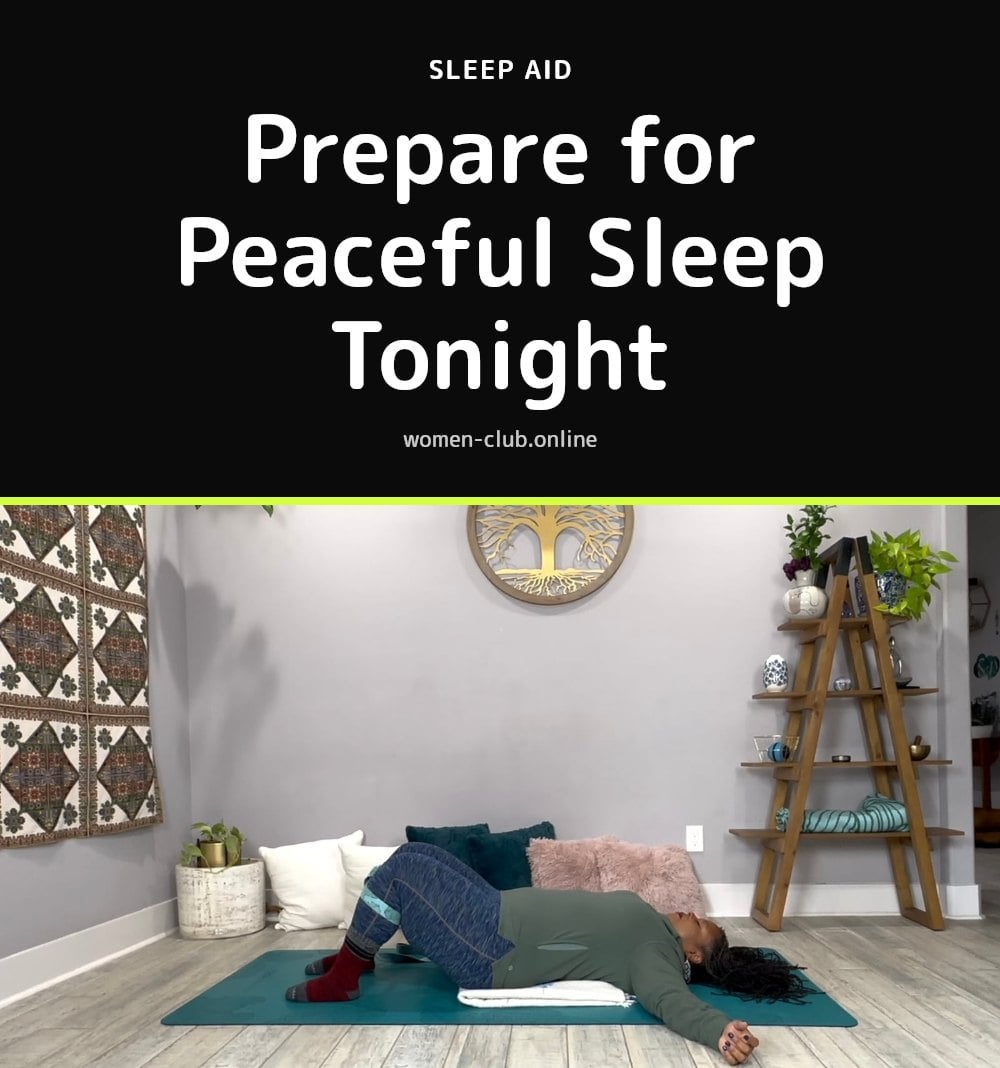
If you’ve been struggling to unwind at the end of the day, adding a few gentle yoga poses to your evening routine can make a real difference. These simple stretches help calm your nervous system and release the tension that builds up in your body, making it easier to drift off. Here, I’ll walk you through eight beginner-friendly poses you can do right before bed, plus tips on how to get the most out of your practice.
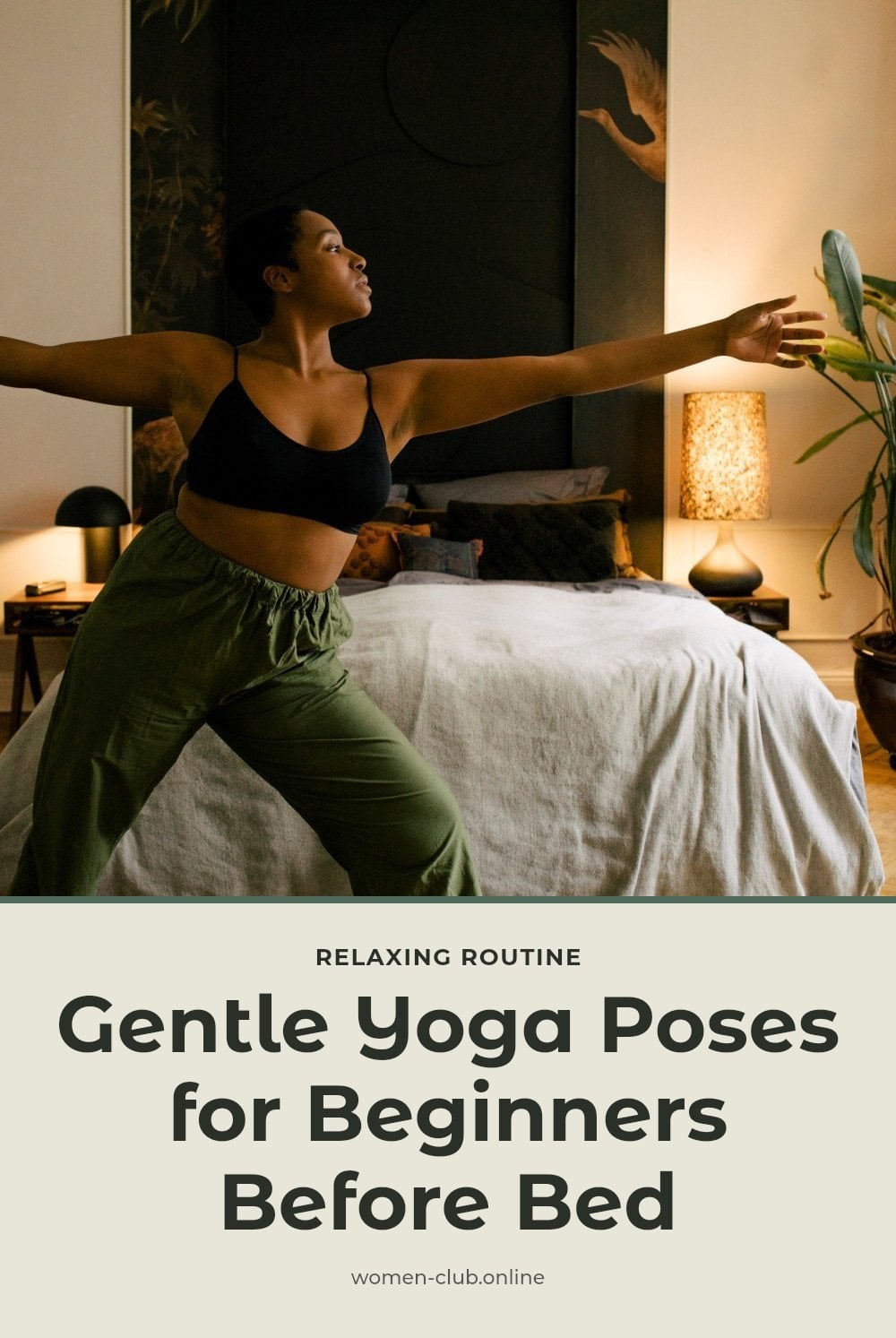
Key Takeaways
- Hold each pose for at least 1-3 minutes, or longer if comfortable.
- Practice in a dimly lit, quiet space to enhance relaxation.
- Use pillows or blankets to support your body in each pose.
- End every session with 5-10 minutes of Corpse Pose (Savasana).
- Aim for a 10-20 minute practice most nights for best results.
Why Gentle Yoga Before Bed Can Transform Your Sleep
Gentle yoga before bed can significantly improve sleep quality by activating your parasympathetic nervous system, which handles rest and digestion. By focusing on slow, restorative poses and deep breathing, you release physical tension and calm your mind, preparing your body for a peaceful night’s rest. It’s about unwinding, not working out, making it an accessible and effective addition to any evening routine.
1. Child’s Pose (Balasana)
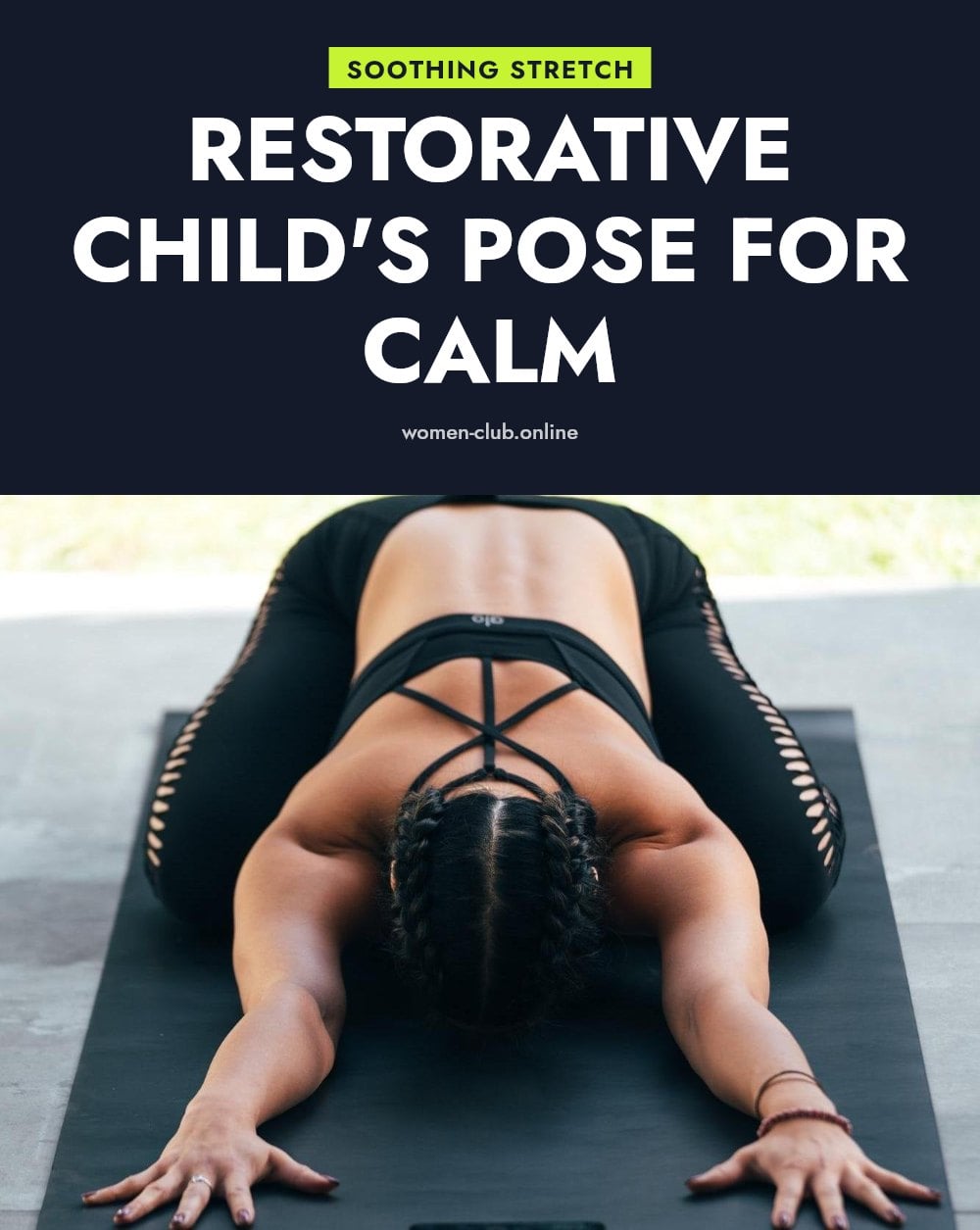
Start on your hands and knees, then bring your big toes to touch and spread your knees wide. Sink your hips back towards your heels and extend your arms forward, resting your forehead on the mat. Focus on deep, calming breaths, allowing your body to release tension.
- Time: Hold for 1-3 minutes, or longer if comfortable.
- Form cue: Keep your arms active and lengthen through your spine.
- Make it easier or harder: Place a pillow under your forehead or chest for extra support; for a deeper stretch, walk your hands forward.
2. Cat-Cow Stretch (Marjaryasana-Bitilasana)
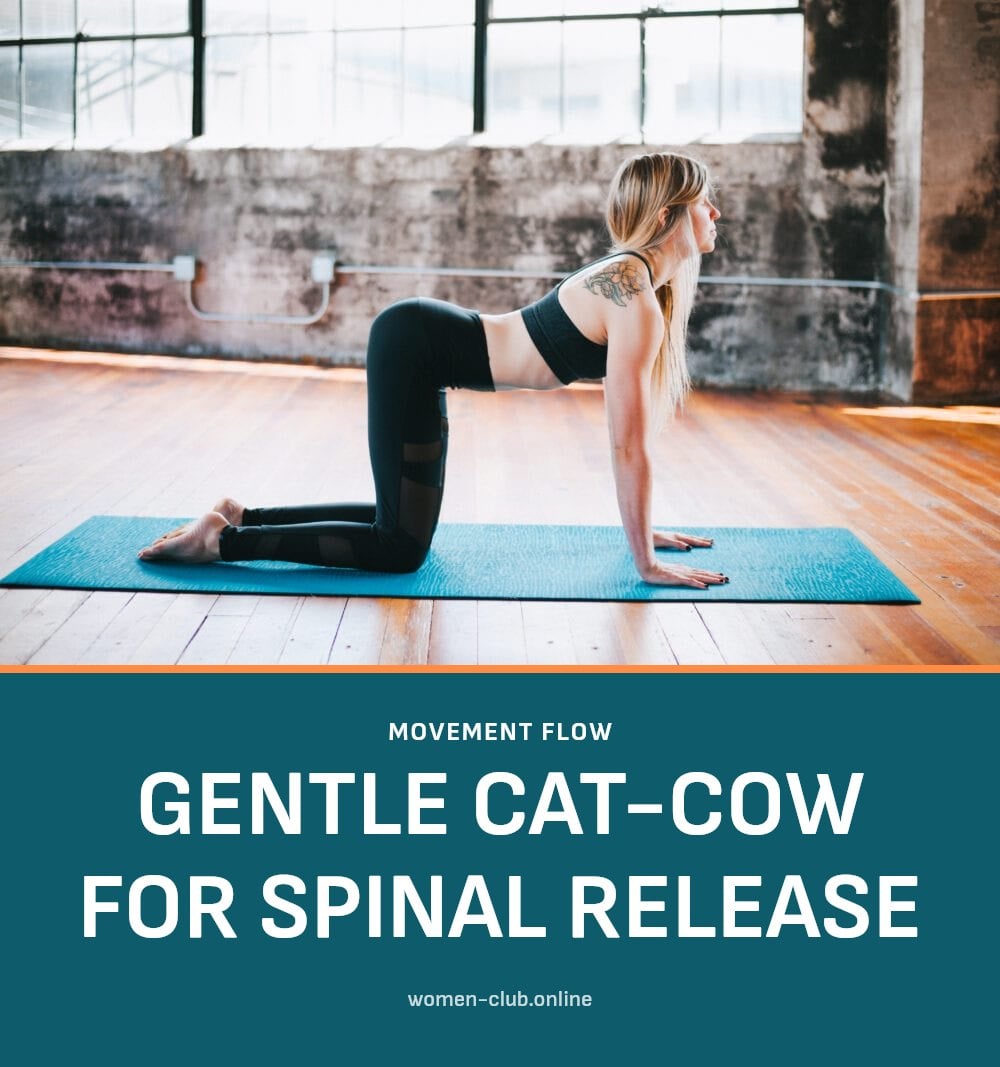
Begin on your hands and knees, wrists under shoulders and knees under hips. Inhale, drop your belly, lift your chest and tailbone for Cow Pose. Exhale, round your spine, tuck your chin to your chest for Cat Pose.
- Time: Flow gently between these two poses with your breath for 1-3 minutes, warming up the spine.
- Form cue: Move slowly, coordinating each movement with your inhale or exhale.
- Make it easier or harder: Keep the movement small if your wrists are sensitive; add a gentle pelvic tilt for more spinal articulation.
3. Supine Spinal Twist (Supta Matsyendrasana)
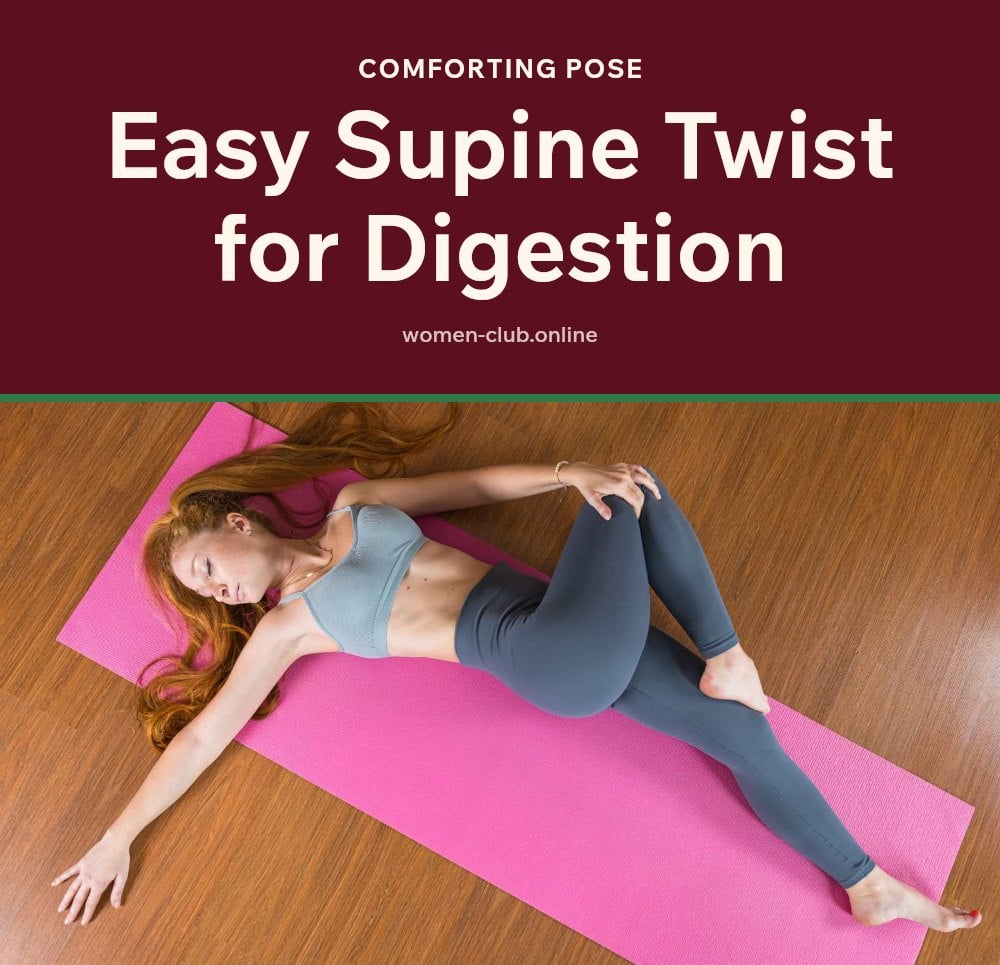
Lie on your back, hug your right knee to your chest, then let it fall across your body to the left. Extend your right arm out to the side, gazing towards your right hand. Keep both shoulders grounded.
- Time: Hold for 1-3 minutes on each side.
- Form cue: Keep the top shoulder heavy on the mat to deepen the twist.
- Make it easier or harder: Place a pillow under your bent knee for support; for a deeper stretch, gently press the knee with your opposite hand.
4. Legs-Up-the-Wall Pose (Viparita Karani)
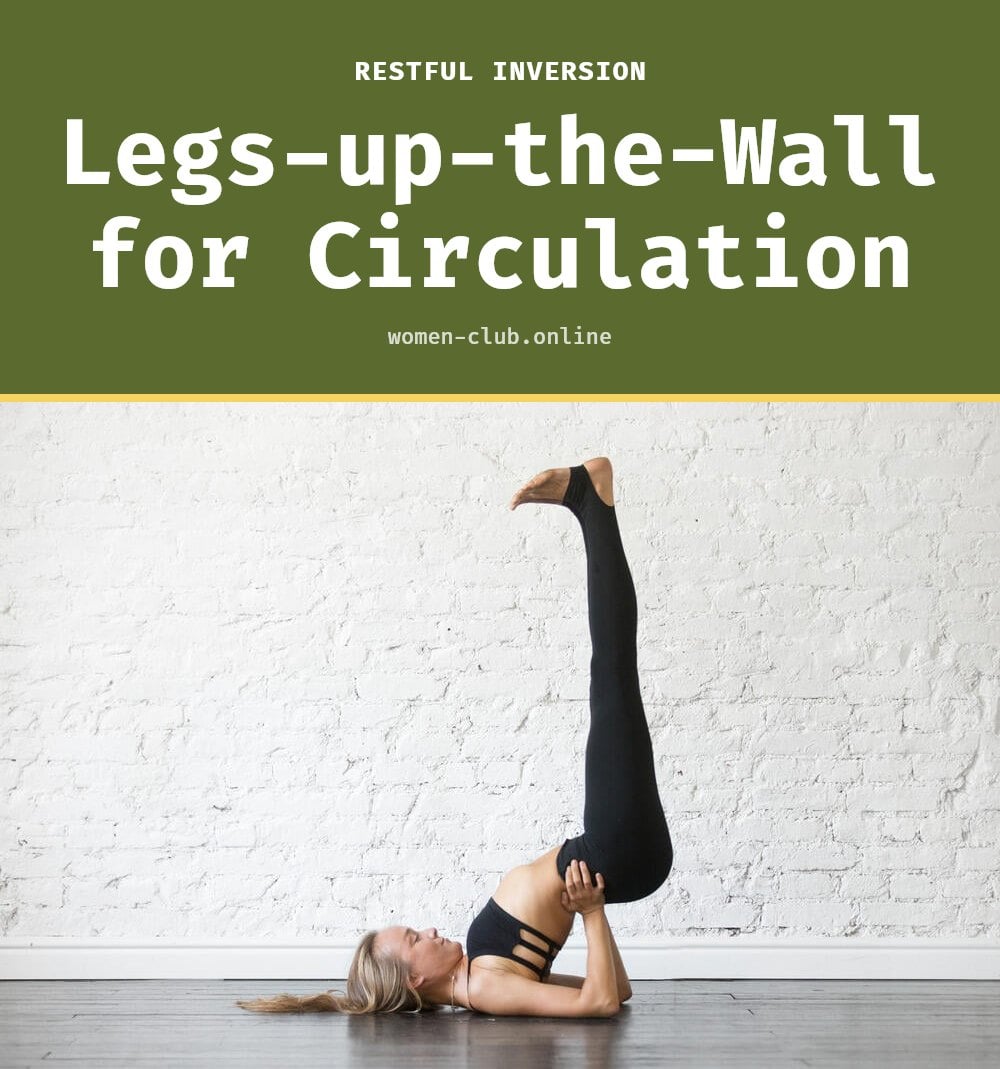
Sit with one hip against a wall, then swing your legs up the wall as you lie back. Rest your arms comfortably by your sides or on your belly. You can place a pillow under your hips for comfort.
- Time: 5-10 minutes
- Form cue: Keep your legs relaxed and your lower back on the mat.
- Make it easier or harder: Place a folded blanket under your hips for extra support, or move your hips a few inches away from the wall for a gentler stretch.
5. Reclined Bound Angle Pose (Supta Baddha Konasana)
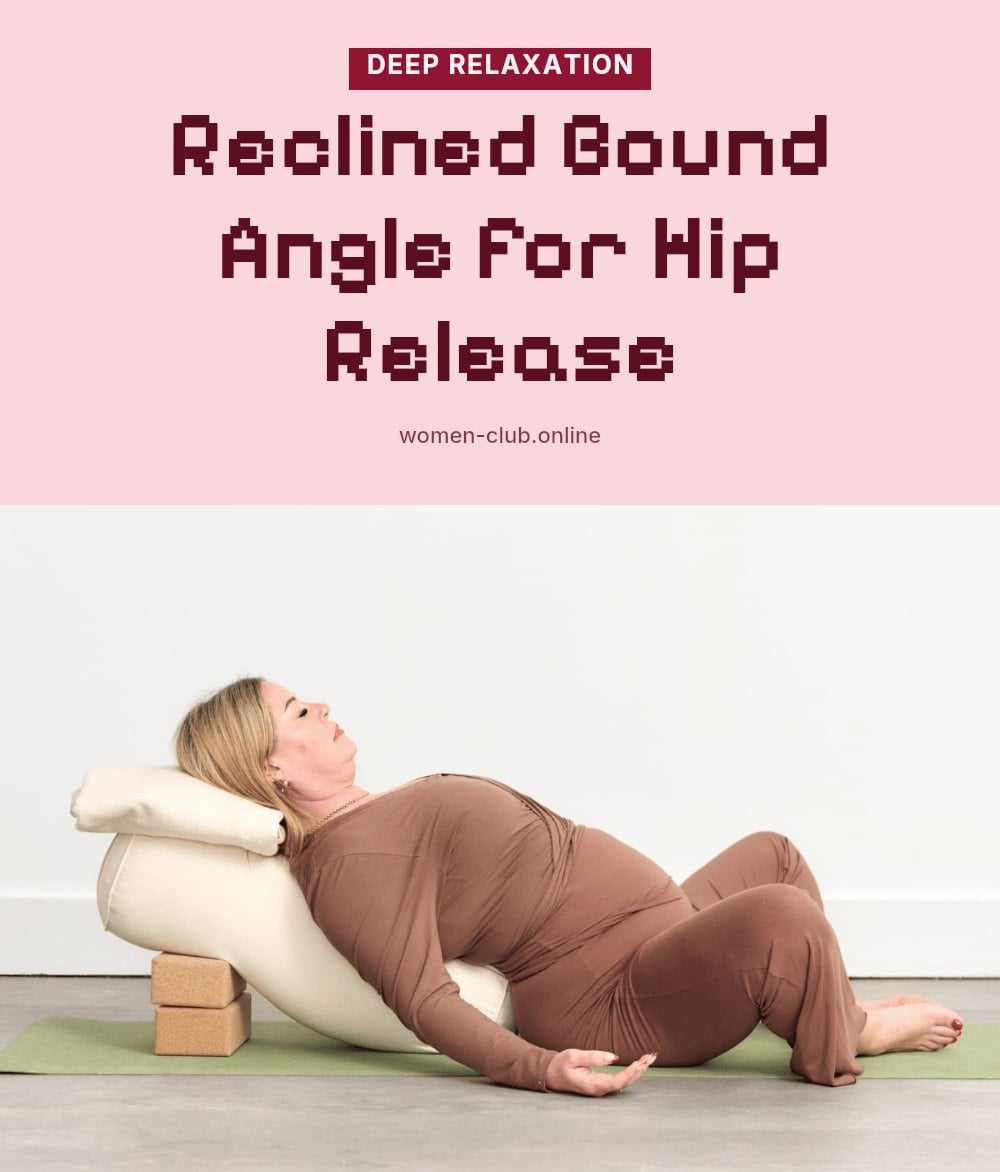
Lie on your back, bring the soles of your feet together, and let your knees fall open to the sides. Place pillows or rolled blankets under your outer thighs for support if needed. Rest your hands on your belly or by your sides.
- Time: 1-3 minutes, or longer if it feels good
- Form cue: Keep your shoulders relaxed and your neck long.
- Make it easier or harder: Place a bolster or folded blanket under your knees for more support, or bring your feet closer to your hips for a deeper hip opening.
6. Gentle Seated Forward Fold (Paschimottanasana Variation)
Sit on your mat with your legs extended forward. You can place a folded blanket under your sitting bones. Gently hinge from your hips, reaching your hands towards your shins, ankles, or feet. Keep a soft bend in your knees and focus on lengthening your spine rather than rounding.
- Time: 2-3 minutes
- Form cue: Keep your chest open and your gaze forward to maintain a long spine.
- Make it easier or harder: Use a yoga strap around your feet to reach further, or place a pillow under your knees for more support.
7. Supported Bridge Pose (Setu Bandhasana Variation)
Lie on your back with knees bent, feet flat on the floor, hip-width apart. Press into your feet to lift your hips, then slide a yoga block, firm pillow, or rolled blanket under your sacrum (lower back). Allow your body to rest on the support, opening the chest and gently stretching the front of the body.
- Time: 1-3 minutes
- Form cue: Keep your arms relaxed by your sides and your neck long.
- Make it easier or harder: Use a lower support like a folded blanket for a gentler lift, or a higher block for a deeper chest opening.
8. Corpse Pose (Savasana)
Lie flat on your back with your legs extended and arms by your sides, palms facing up. Let your feet fall open naturally. Close your eyes and consciously relax your entire body, feeling heavy against the mat.
- Time: Hold for 5-10 minutes.
- Form cue: Scan your body from head to toe, releasing any remaining tension in your jaw, shoulders, or hips.
- Make it easier or harder: Place a rolled blanket under your knees for lower back comfort. To deepen relaxation, place a light blanket over your torso.
Essential Tools for Your Bedtime Yoga Practice
You don’t need much to start a bedtime yoga practice, but a few basics make it more comfortable and effective.
- Yoga mat: Provides cushioning and grip, so you don’t slip during poses.
- Comfortable clothing: Loose-fitting, breathable fabrics let you move freely and relax fully.
- Pillows or cushions: Essential for support in restorative poses like Reclined Bound Angle or under your hips in Legs-Up-the-Wall.
- Soft blanket: Keeps you warm during Savasana and adds coziness to your practice.
- Yoga bolster (optional): Offers extra support for deeper stretches and comfort in seated or reclined poses.
- Yoga strap (optional): Helps extend your reach in forward folds or binds, making poses more accessible.
Your Weekly Bedtime Yoga Routine
Consistency brings the biggest benefits. Aim for a 10-20 minute practice most nights. This simple schedule helps you build a habit, but adjust it based on your energy and time.
| Day | Poses (hold each 2-5 minutes) | Total time |
|---|---|---|
| Monday | Child’s Pose, Cat-Cow, Legs-Up-the-Wall, Savasana | 15 min |
| Tuesday | Supine Spinal Twist, Reclined Bound Angle, Savasana | 12 min |
| Wednesday | Child’s Pose, Gentle Seated Forward Fold, Supported Bridge, Savasana | 18 min |
| Thursday | Cat-Cow, Legs-Up-the-Wall, Reclined Bound Angle, Savasana | 15 min |
| Friday | Supine Spinal Twist, Gentle Seated Forward Fold, Savasana | 10 min |
| Weekend | Choose 3-4 poses that feel best, or repeat a favorite sequence | 10-20 min |
Frequently Asked Questions
How long should I hold each yoga pose?
For a bedtime practice, aim to hold each pose for at least 1-3 minutes, or longer if it feels comfortable. Restorative poses like Legs-Up-the-Wall and Savasana can be held for 5-10 minutes. The key is to stay long enough for your body to relax into the stretch, so listen to what feels good.
Can I do yoga on a full stomach before bed?
It’s best to avoid practicing yoga right after a heavy meal. A full stomach can cause discomfort, especially in poses that involve lying on your back or twisting. Try to wait at least 1-2 hours after eating before your session, or keep your practice very gentle if you’re still digesting.
What if I’m not flexible enough for these poses?
Flexibility is not required for these beginner poses. Each one can be modified with props like pillows, blankets, or a strap to make it accessible. The goal is to feel a gentle stretch, not to force your body into a perfect shape. Over time, your flexibility will naturally improve with consistent practice.
Is it okay to do yoga every night?
Yes, it’s generally safe to practice gentle, restorative yoga every night. In fact, consistency can enhance the calming benefits. Just make sure you’re not pushing into pain and that you’re choosing poses that promote relaxation rather than stimulation. If you have any health concerns, check with your doctor first.
What’s the best time to do evening yoga?
The best time is whenever you can fit it in, but ideally within an hour or two before bed. This allows your body to shift into a relaxed state just as you’re getting ready to sleep. Aim for a consistent time each night to help signal to your body that it’s time to wind down.
Final Thoughts
For the best results, aim to practice these poses for 10-20 minutes most nights, holding each one for at least a minute or two. My tip: don’t skip Savasana at the end, even if you’re short on time. It’s the final step that helps your body fully integrate the relaxation, so you feel the benefits long after you roll up your mat. With regular practice, you’ll likely notice you fall asleep more easily and wake up feeling more rested.
This article is for general informational purposes only and is not a substitute for professional medical advice. If you have any pre-existing health conditions, injuries, or are pregnant, consult with a doctor or qualified yoga instructor before starting a new exercise routine. Stop immediately if you feel pain, dizziness, or numbness during practice.