
Zinc is one of those minerals that quietly does a lot of heavy lifting in your body, from helping you fight off a cold to keeping your skin clear and healing quickly. It’s an essential trace mineral, meaning you need it in small amounts but your body can’t make it on its own. This article covers why women should pay attention to zinc, the best food sources to include in your diet, and what to watch out for with supplements.
Key Takeaways
- Adult women need 8 mg of zinc daily, and pregnant or lactating women need 11-12 mg.
- Oysters are the top dietary source, but red meat, poultry, nuts, and legumes also provide zinc.
- Soaking or sprouting legumes and grains can improve zinc absorption from plant-based sources.
- Do not exceed 40 mg of zinc per day from all sources to avoid toxicity and copper deficiency.
- Consult a healthcare professional before taking zinc supplements, especially if pregnant or on medication.
What is Zinc and Why is it Important for Women?
Zinc is an essential trace mineral your body needs in small amounts but can’t produce on its own. It’s involved in over 300 enzymatic reactions that support immune function, wound healing, DNA synthesis, and maintaining your sense of taste and smell. For women, zinc is especially relevant for skin health, hormone balance, and overall well-being. Since your body doesn’t store zinc, you need to get it regularly from food. The recommended daily amount for adult women is 8 mg.
1. Boost Your Immune System

Zinc helps your immune system by supporting the development and function of immune cells that fight off infections. This makes it especially valuable during cold and flu season when your body needs extra defense.
- My tip: If you feel a cold coming on, check your zinc intake for the day. A diet rich in zinc-containing foods can help keep your immune response strong.
- Good sources include oysters, red meat, poultry, and fortified cereals.
2. Support Skin Health and Healing

Zinc is essential for wound healing and maintaining your skin’s integrity. It supports cell growth and repair, which helps cuts heal faster and keeps your skin looking its best. Some people also use zinc topically for its anti-inflammatory properties in skincare products.
- Tip: Include zinc-rich foods like nuts, legumes, and dairy in your diet to support skin repair from the inside out.
- For external use, look for zinc oxide in creams or ointments for minor skin irritations.
3. Maintain Taste and Smell
Zinc is crucial for normal taste and smell perception. Without enough of it, your ability to enjoy your favorite foods may diminish. This happens because zinc is involved in the function of taste buds and olfactory receptors.
- Good to know: If you notice changes in taste or smell, it could be a sign of low zinc levels, but always consult a doctor for proper diagnosis.
- Eating zinc-rich foods regularly helps maintain these senses.
4. Essential for Cell Growth and DNA
Zinc is involved in protein synthesis, cell growth, and DNA synthesis, the core processes that keep every cell in your body functioning. This makes it vital for growth and repair throughout life, from childhood development to maintaining healthy tissues as an adult. Without enough zinc, these building-block processes can slow down, which may affect your overall health and recovery.
5. Meet Your Daily Requirements
The Recommended Dietary Allowance (RDA) for adult women is 8 mg per day. If you are pregnant or lactating, your needs increase to 11-12 mg per day to support your baby’s development. Aim to meet these numbers primarily through food, since your body doesn’t store zinc and relies on regular intake.
6. Top Dietary Sources: Animal Products

Animal products are the most efficient way to get zinc because the mineral in them is highly bioavailable, your body absorbs it easily. Oysters are the top source, followed by red meat, poultry, crab, and lobster. Dairy products like milk, cheese, and yogurt also contribute a solid amount.
7. Plant-Based Zinc Options
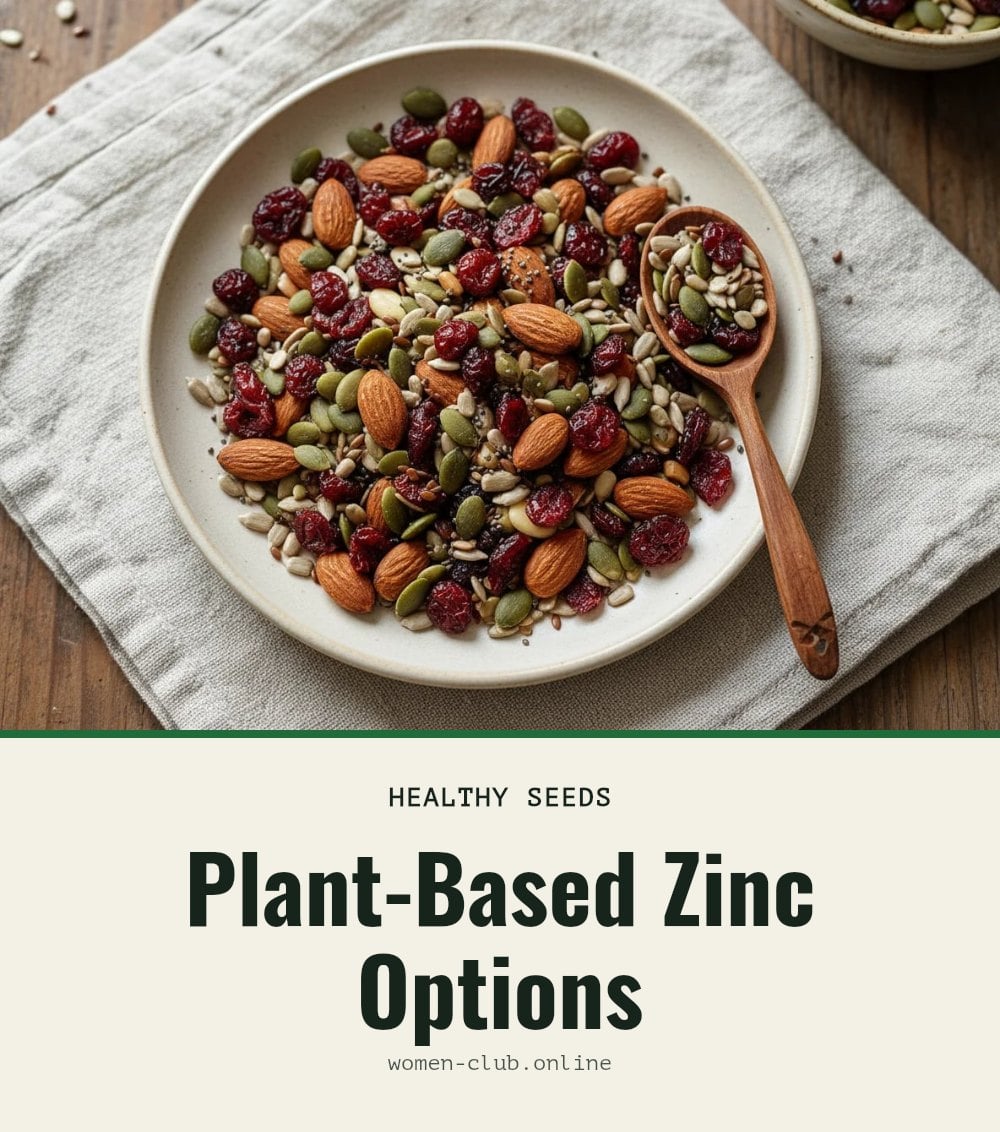
You can get zinc from plant-based foods too. Good options include cashews, almonds, chickpeas, lentils, beans, oats, and quinoa. The catch is that these foods contain phytates, compounds that bind to zinc and reduce absorption. Tip: Soak or sprout legumes and grains before cooking to lower phytate levels and improve how much zinc your body can use.
8. Recognize Deficiency Symptoms
It helps to know the common signs of zinc deficiency, but a proper diagnosis always comes from a healthcare professional. Symptoms can include getting sick often, unexplained hair loss, slow wound healing, or a change in your sense of taste or smell.
Caution: These symptoms overlap with many other conditions, so don’t self-diagnose. If you notice several of them persisting, talk to your doctor about testing your zinc levels.
9. Beware of Excessive Zinc Intake
More zinc is not better. Excessive intake, usually from high-dose supplements, can cause nausea, vomiting, diarrhea, and abdominal cramps. It can also lead to copper deficiency because zinc interferes with copper absorption.
The tolerable upper intake level (UL) for adult women is 40 mg per day from all sources combined. Stay well below that unless a doctor directs otherwise.
10. Prioritize Diet Over Supplements
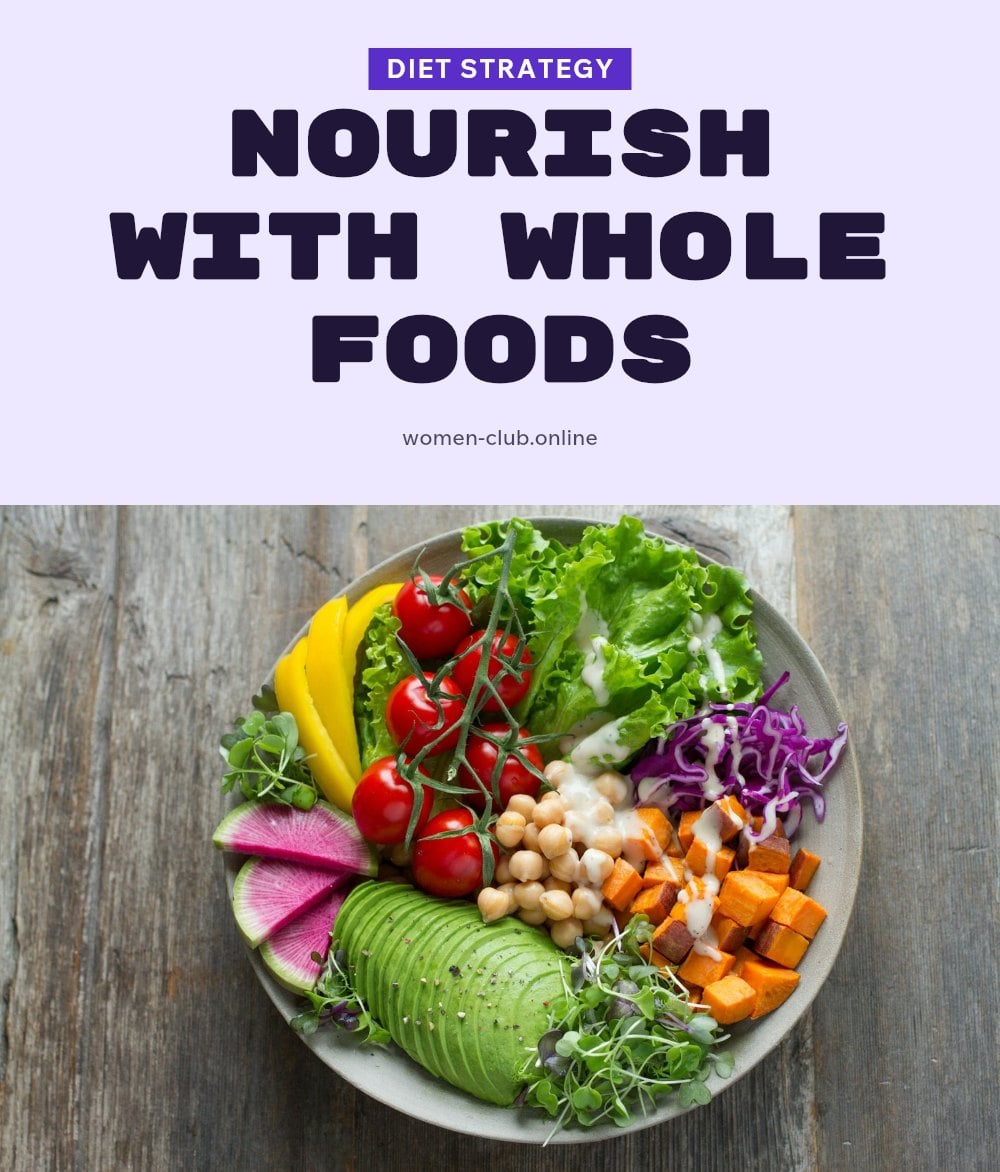
My tip: aim to get your zinc from food first. A balanced diet with zinc-rich foods like oysters, red meat, poultry, nuts, and legumes usually meets your needs without the risks of supplements.
If you are considering a supplement, especially if you are pregnant, breastfeeding, or have a health condition, always consult your doctor first. They can help you determine the right dose and form for your situation.
11. Check for Medication Interactions
Zinc supplements can interact with common medications. They may reduce the absorption of some antibiotics (like tetracyclines and quinolones) and can interfere with certain diuretics.
Pro move: Before starting zinc supplements, check with your doctor or pharmacist. They can advise on timing or whether a supplement is safe with your current medications.
When to Consult a Healthcare Professional
While understanding zinc’s role is empowering, it’s crucial to know when to seek professional advice. Consult a doctor if you suspect a zinc deficiency based on persistent symptoms like unexplained hair loss, frequent infections, or changes in taste or smell. If you are pregnant or breastfeeding and considering zinc supplements, a healthcare provider can guide you on safe intake.
Also check with your doctor if:
- You are taking any medications, especially antibiotics or diuretics, and want to start a zinc supplement.
- You experience severe side effects like persistent nausea, vomiting, or diarrhea after taking zinc supplements.
- You have any underlying health conditions that might affect nutrient absorption or require specific dietary considerations.
Frequently Asked Questions
What are the best plant-based sources of zinc?
Good plant-based options include cashews, almonds, chickpeas, lentils, beans, oats, and quinoa. Keep in mind that these foods contain phytates, which can reduce zinc absorption. Soaking or sprouting legumes and grains before cooking can help your body get more zinc from them.
Can zinc supplements interact with medications?
Yes, zinc supplements can interact with certain medications. They may reduce the absorption of some antibiotics, like tetracyclines and quinolones, and can interfere with some diuretics. If you take any prescription medications, check with your doctor or pharmacist before starting a zinc supplement.
How can I tell if I’m getting enough zinc?
Common signs of low zinc include getting sick often, unexplained hair loss, slow wound healing, or changes in your sense of taste or smell. However, these symptoms can also be caused by other health issues. The only way to know for sure is to see a healthcare professional for proper testing.
Is topical zinc effective for skin issues?
Some people use zinc topically in skincare products for its anti-inflammatory properties, which may help calm irritated skin or support healing. It’s not a cure-all, but many find it helpful for minor skin concerns. If you have a persistent skin issue, it’s best to consult a dermatologist.
What happens if I take too much zinc?
Taking too much zinc, usually from high-dose supplements, can cause nausea, vomiting, diarrhea, and abdominal cramps. It can also lead to copper deficiency because zinc interferes with copper absorption. The upper limit for adult women is 40 mg per day from all sources combined.
Final Thoughts
My recommendation is to focus on getting your zinc from a varied diet first. Include a mix of animal and plant-based sources, and try soaking or sprouting legumes to boost absorption. Keep in mind that your body doesn’t store zinc, so consistent daily intake matters more than occasional high doses. Listen to your body and see a doctor if you notice persistent symptoms like hair loss or frequent infections.
This article is for general informational purposes only and does not constitute medical advice. Zinc needs and risks vary by individual. Always consult a qualified healthcare professional before starting any supplement, especially if you are pregnant, breastfeeding, or have an underlying health condition.








